


Primary sourceBookc. 2nd century AD
Tetrabiblos
Ptolemy · c. 2nd century AD
Ptolemy's astrological treatise, which tried to ground astrology in natural philosophy and became hugely influential for over a thousand years.
Ptolemy's own astrological treatise, showing how he linked his astronomy to the study of celestial influence on earthly life.
Free Humy account · No credit card · 53,307 sources to read
About this source
What it is
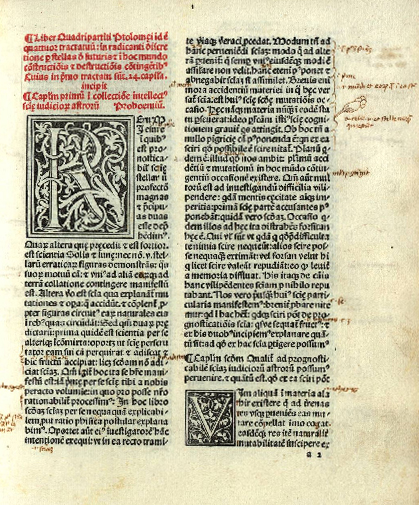
Tetrabiblos, meaning 'Four Books', is a text on the philosophy and practice of astrology written by Claudius Ptolemy in Koine Greek in the 2nd century AD. It was treated as the companion volume to his Almagest, covering astrology rather than astronomy. The pictured page comes from an early printed Latin edition, translated by Plato of Tivoli and published in Venice in 1484.
Why it matters
The Tetrabiblos shows that in Ptolemy's time, astronomy and astrology were seen as two parts of one science. Ptolemy's philosophical defense of astrology as natural and beneficial helped it gain acceptance in medieval Europe and in universities during the Renaissance, long after his astronomy was abandoned. It remains an influential text for astrologers today.
Look closer
- Why might ancient scholars have seen astronomy and astrology as connected rather than separate?
- What does the survival and translation of this text over centuries tell you about changing beliefs?
- How does Ptolemy try to make astrology sound scientific?
This book is part of the curated material that grounds the AI version of Ptolemy on Humy.ai — when students ask about related events, the AI can quote it and cite it.
More Ptolemy sources
Browse all 99 →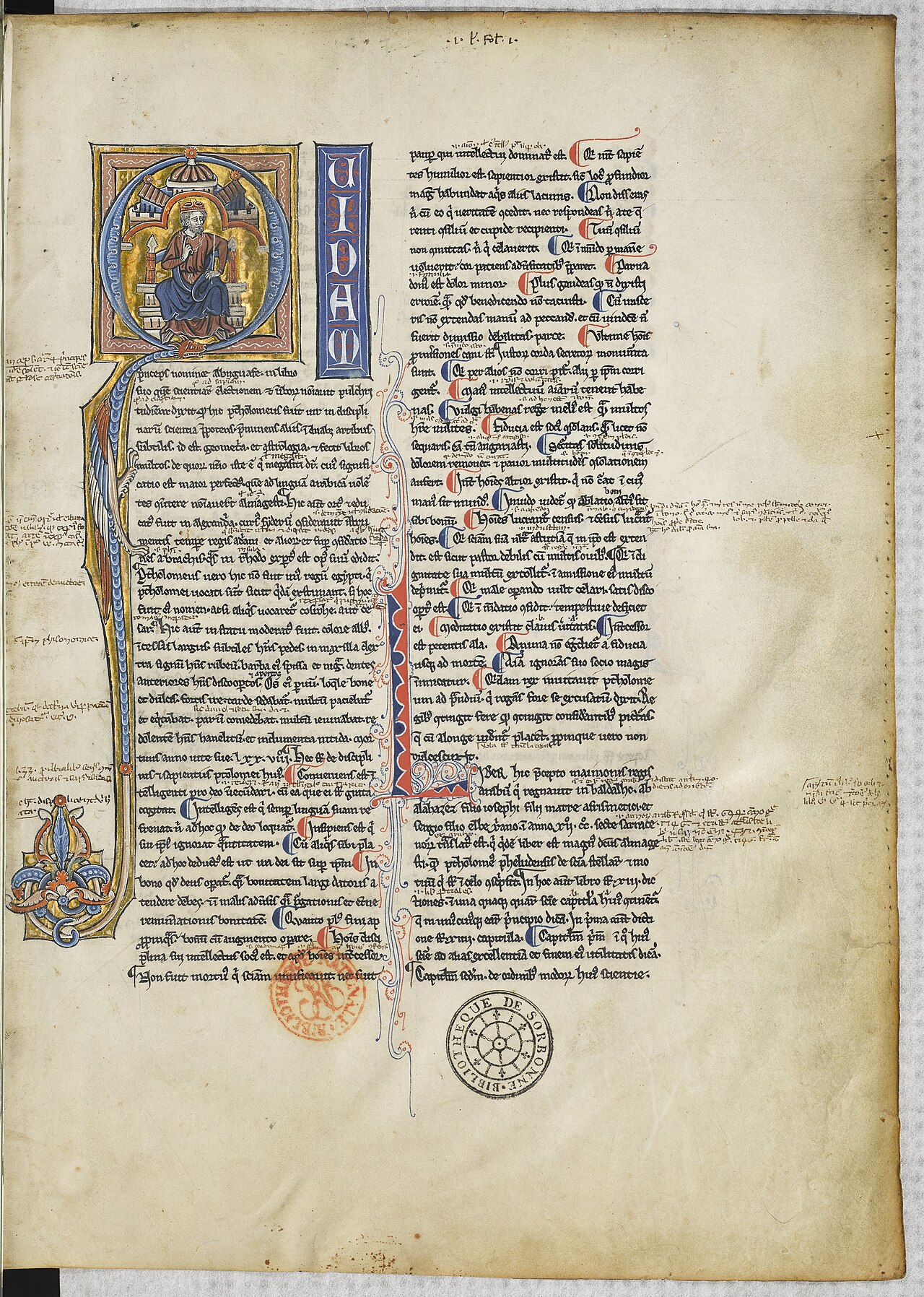 Book
Secondary source
Almagest
Ptolemy · c. 148-150
 Book
Primary source
Geography
Ptolemy · c. 150 AD
 Artifact
Secondary source
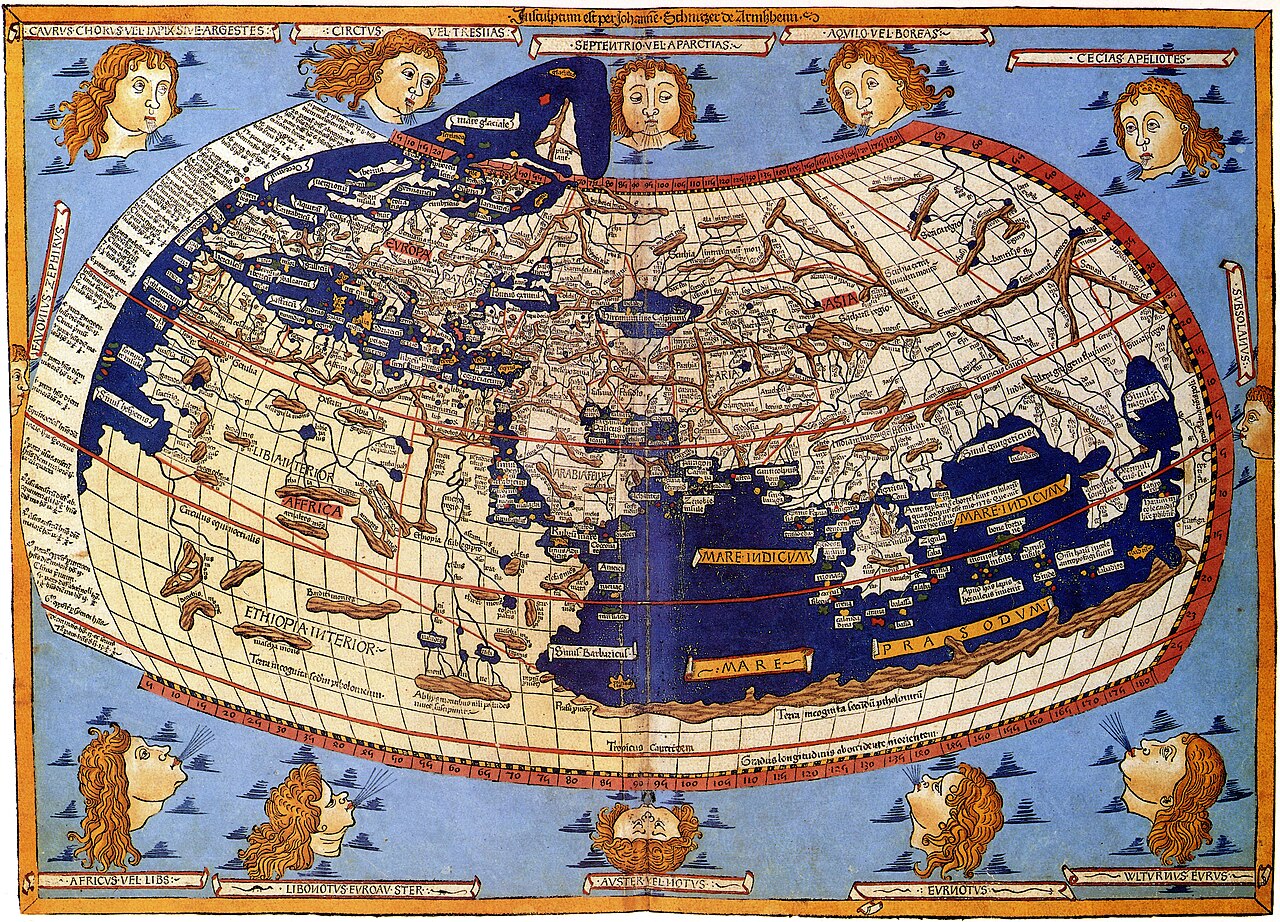
Ptolemy's World Map
Ptolemy · c. 150 AD (reconstructed after 1295)
 Book
Primary source
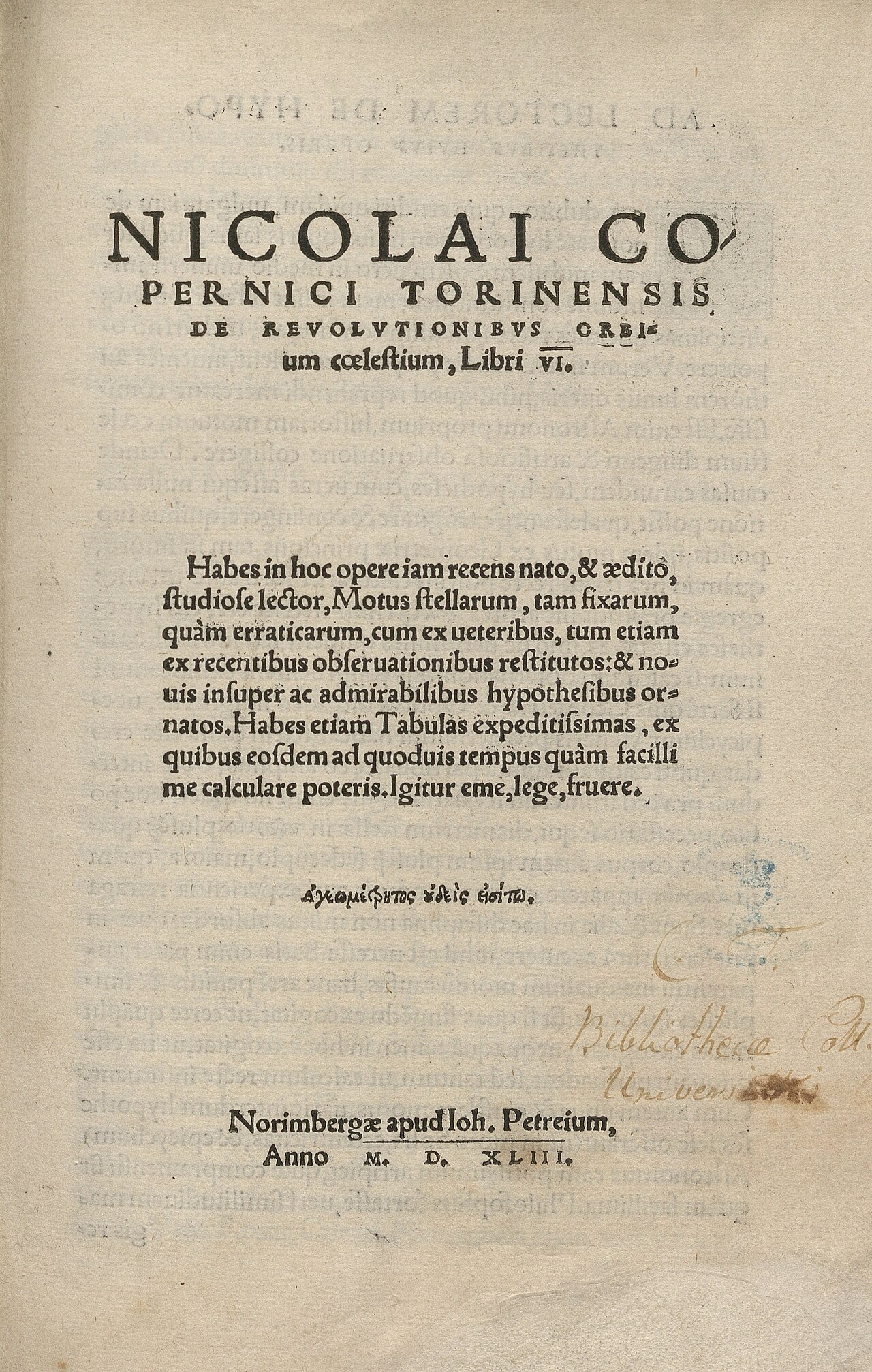
De revolutionibus orbium coelestium
Nicolaus Copernicus · 1543
Free account
Browse every Ptolemy source
Sign up free →
Ready when you are
Start chatting with Ptolemy now.
20 messages free · No credit card · Available in 50+ languages.