


Primary sourcePainting1891
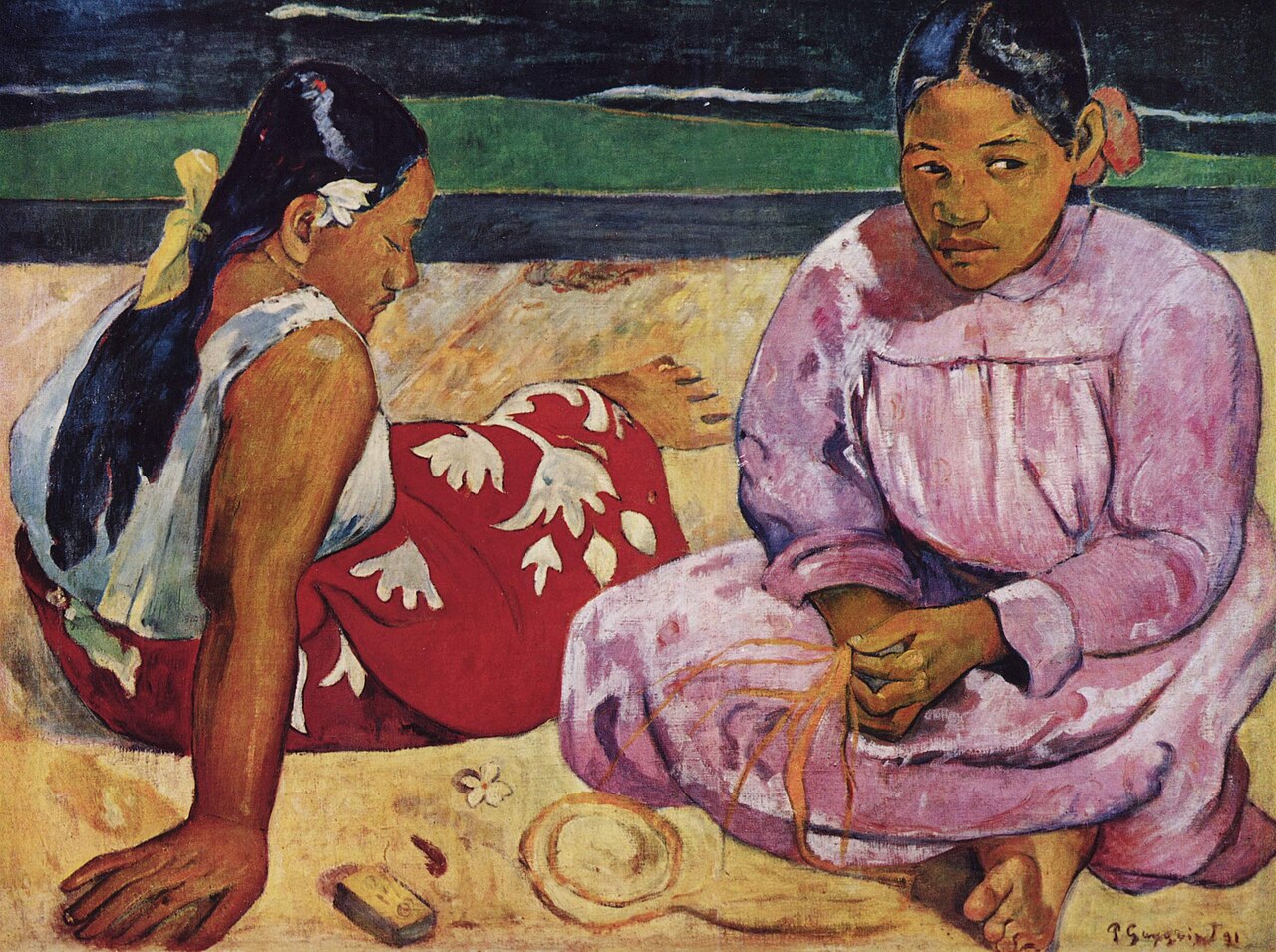
Tahitian Women on the Beach
Paul Gauguin · 1891
Gauguin's 1891 painting of two Tahitian women, created during his first stay in Tahiti and now in the Musée d'Orsay.
Painted by Gauguin during his first stay in Tahiti, shaping European images of Polynesian women and 'paradise'.
About this source
What it is
An oil painting by Paul Gauguin, completed toward the end of his first stay in Tahiti (1891–1893). It depicts two seated Tahitian women, one in traditional dress and one in a Western missionary-style dress. It is held by the Musée d'Orsay in Paris.
Why it matters
The painting reflects Gauguin's search for an unspoiled 'paradise' away from European life, even as colonial and missionary influence had already changed Tahiti. Sent to Paris for exhibition at the suggestion of his friend and supporter Edgar Degas, it is an example of Gauguin's synthetist style, which simplified forms and colour to express symbolic meaning rather than observed reality. The work raises questions about how European artists imagined and represented other cultures.
Look closer
- What differences in clothing between the two women might reveal about the effects of colonization?
- Why might the title describe the women as being on a beach, when some historians argue the setting may not show a beach at all?
- What does Gauguin's use of flat, simplified shapes tell us about what he wanted viewers to focus on?
This painting is part of the curated material that grounds the AI version of Paul Gauguin on Humy.ai — when students ask about related events, the AI can quote it and cite it.
More Paul Gauguin sources
Browse all 97 →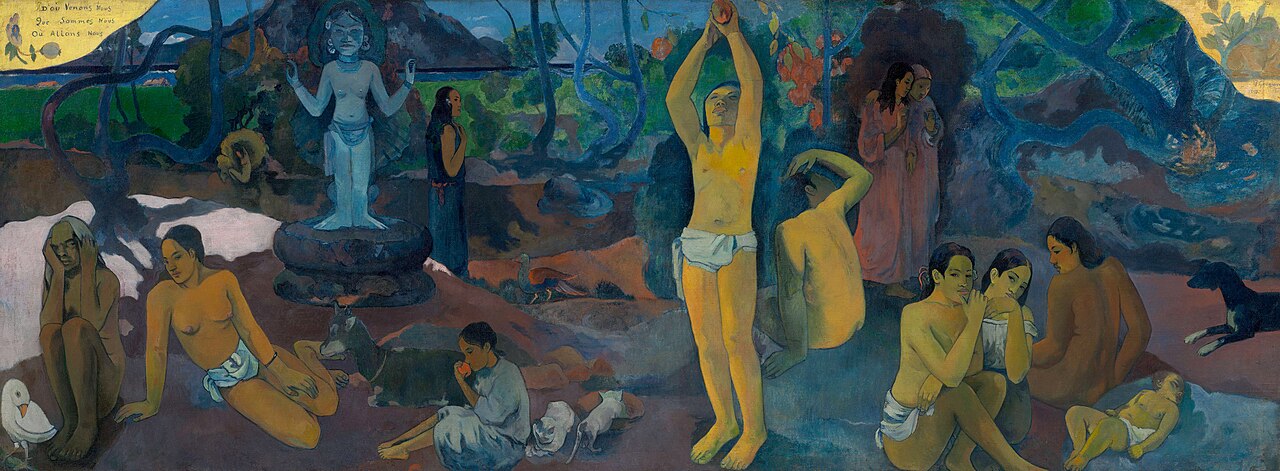 Painting
Primary source
Where Do We Come From? What Are We? Where Are We Going?
Paul Gauguin · 1897-98
 Painting
Primary source
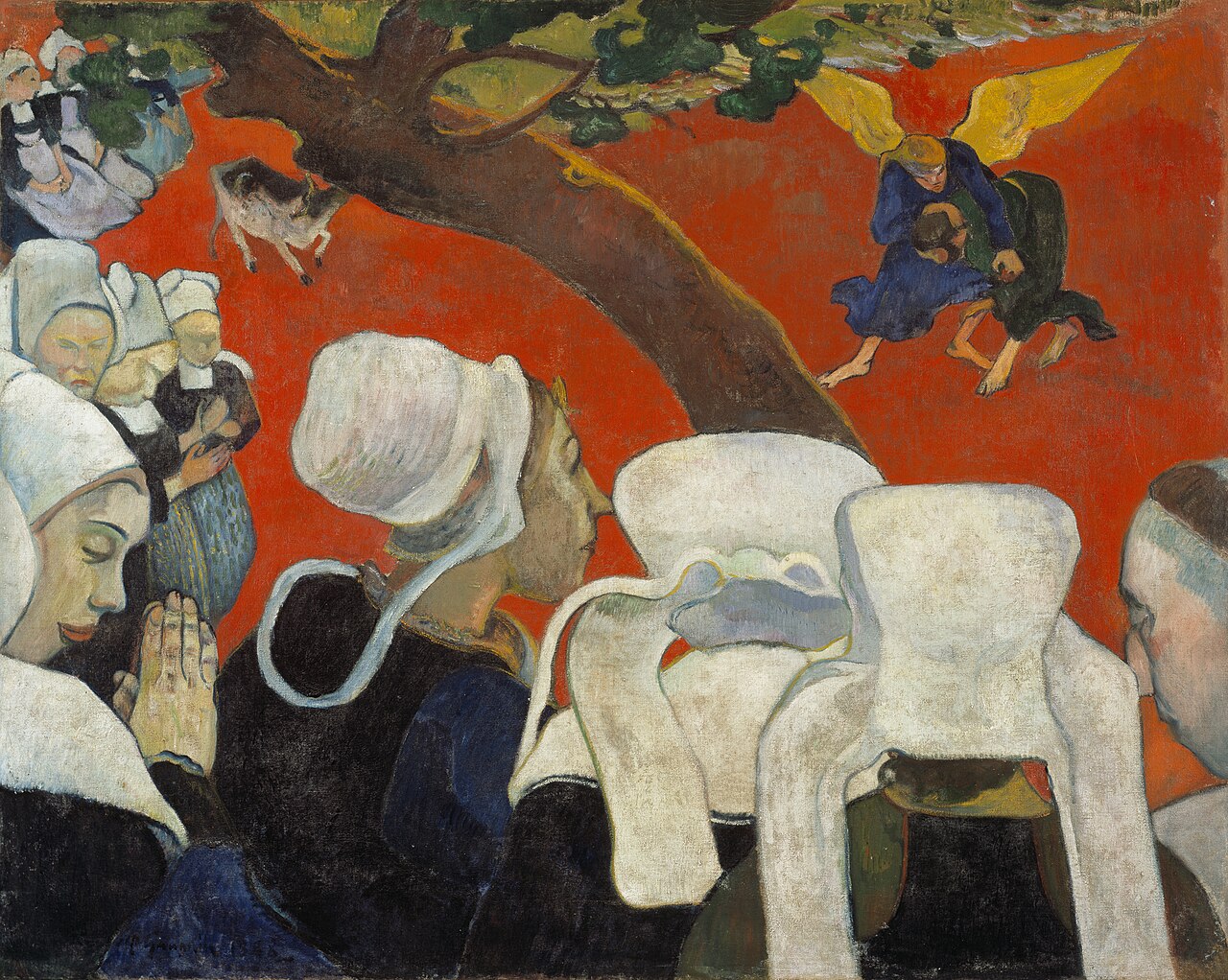
Vision After the Sermon
Paul Gauguin · 1888
 Painting
Primary source
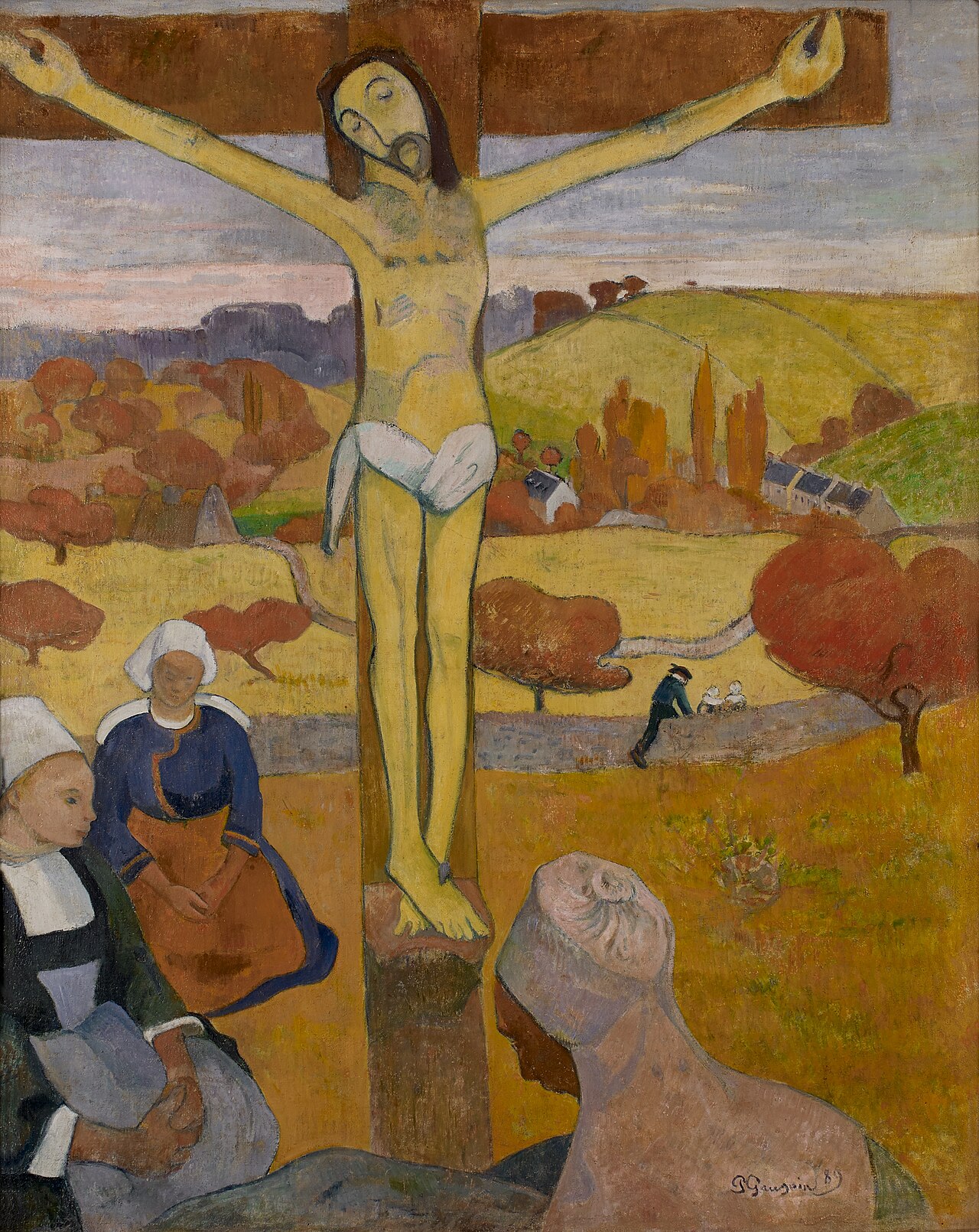
The Yellow Christ
Paul Gauguin · 1889
 Painting
Primary source
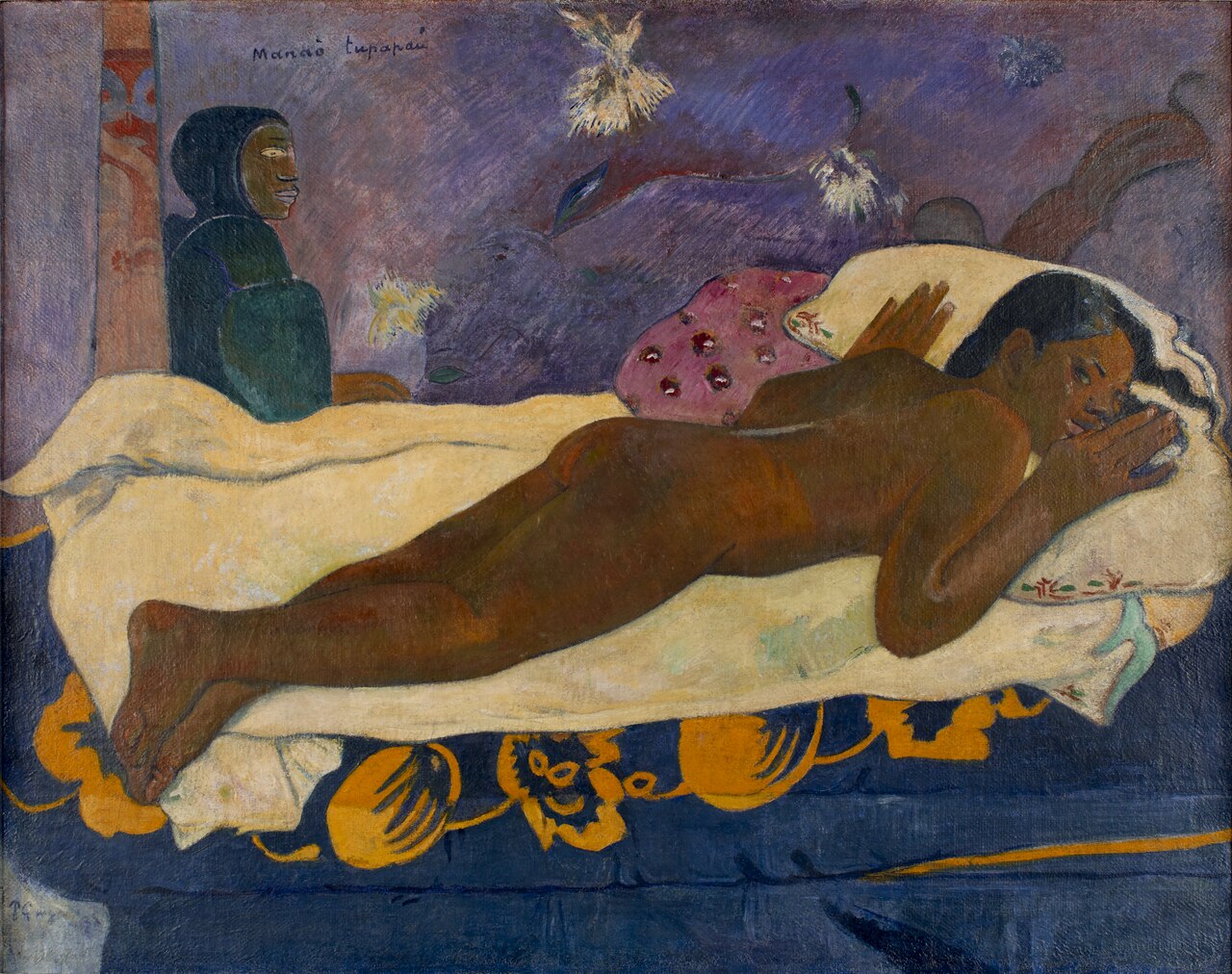
Manaò tupapaú
Paul Gauguin · 1892
Free account
Read every Paul Gauguin source
Sign up free →
Ready when you are
Start chatting with Paul Gauguin now.
20 messages free · No credit card · Available in 50+ languages.