


Primary sourceArtifactc. 1300 BCE
Tahrir Square Obelisk
c. 1300 BCE
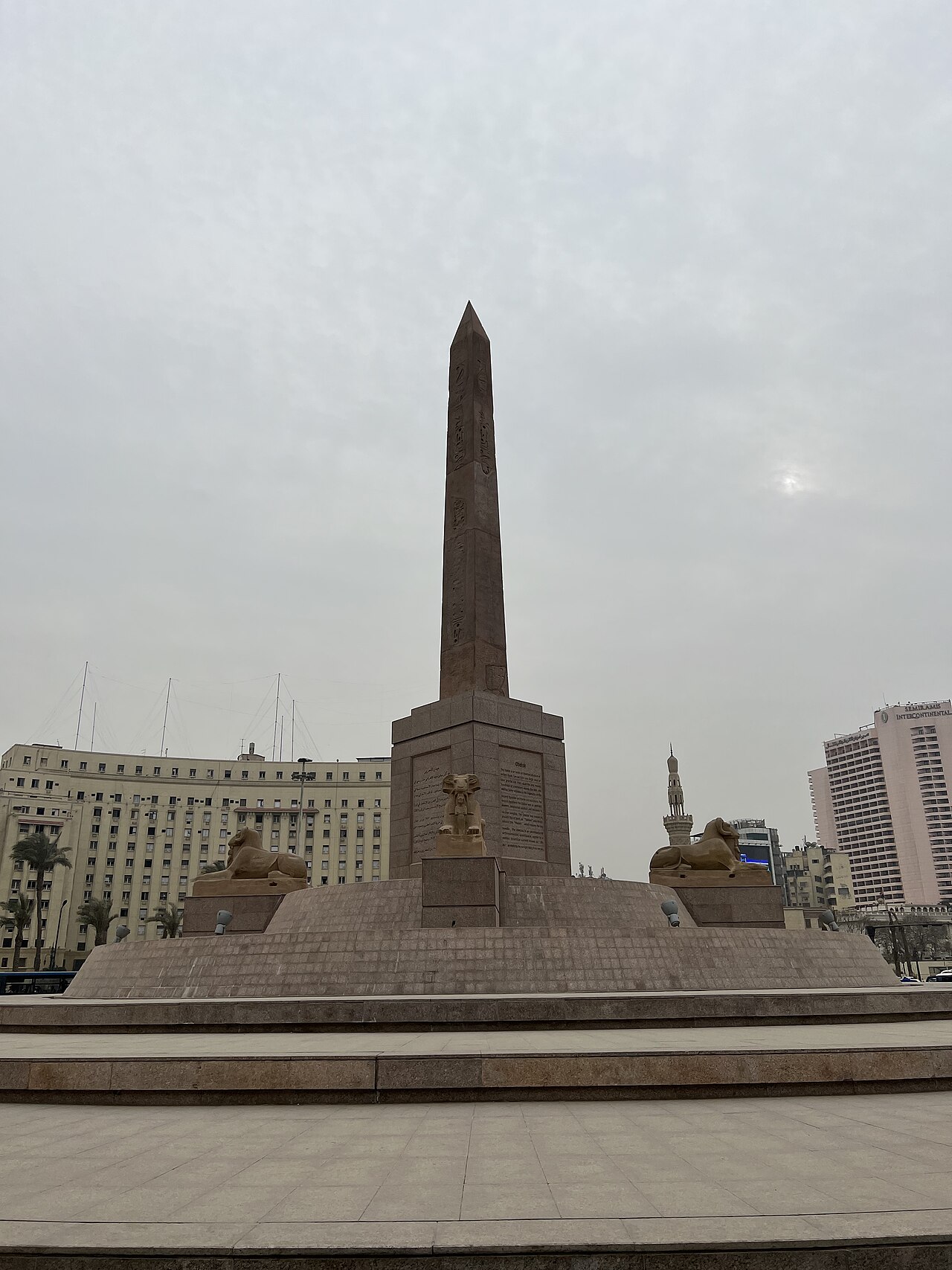
A granite obelisk commissioned by Ramesses II, moved from Tanis and now standing in Cairo's Tahrir Square.
This obelisk was commissioned by Ramesses II, demonstrating the scale of his Delta building projects.
About this source
What it is
This tall granite obelisk, covered in hieroglyphic inscriptions, was commissioned by Ramesses II around 1300 BCE. It was originally raised at Pi-Ramesses, later moved to Tanis, and reconstructed from fragments found there before being placed in Tahrir Square in Cairo, where it now stands on a stepped plinth flanked by lion statues.
Why it matters
Obelisks like this one were part of the huge building programme Ramesses II carried out across the Nile Delta, showing his wealth and power as a pharaoh who wanted his name carved everywhere. The monument's later reuse and movement also show how ancient Egyptian sites were recycled and relocated over thousands of years, long after Ramesses II's own time.
Look closer
- What do the hieroglyphic columns on the obelisk tell us about who ordered it made?
- Why might a ruler want monuments like this placed in many cities?
- How does the obelisk's journey from Pi-Ramesses to Tanis to modern Cairo change how we should think about where it was 'originally' from?
This artifact is part of the curated material that grounds the AI version of Ramses II (Ramses the Great) on Humy.ai — when students ask about related events, the AI can quote it and cite it.
More Ramses II (Ramses the Great) sources
Meet the AI Ramses II (Ramses the Great) →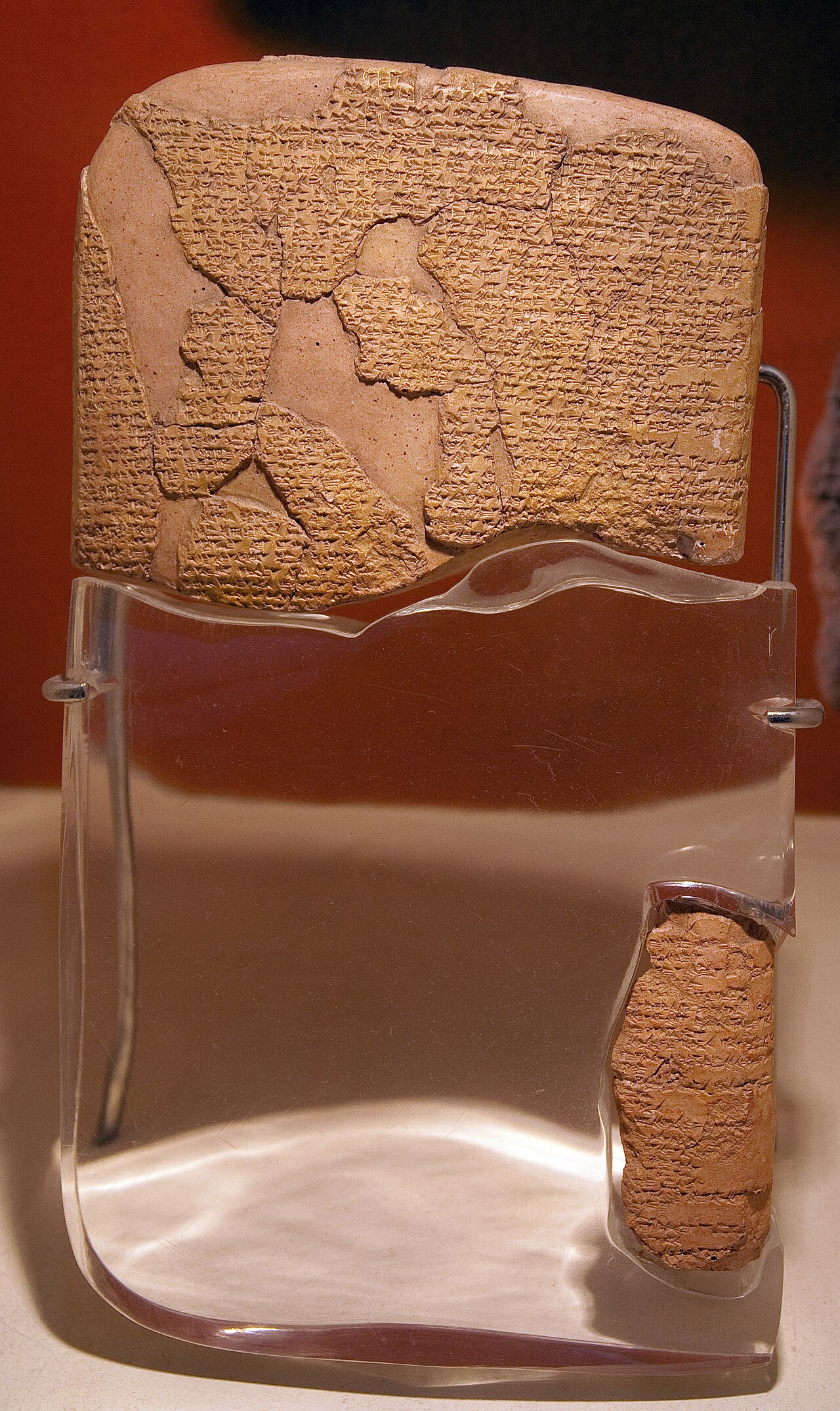 Document
Primary source
Egyptian–Hittite Peace Treaty
c. 1258 BCE
 Photograph
Secondary source
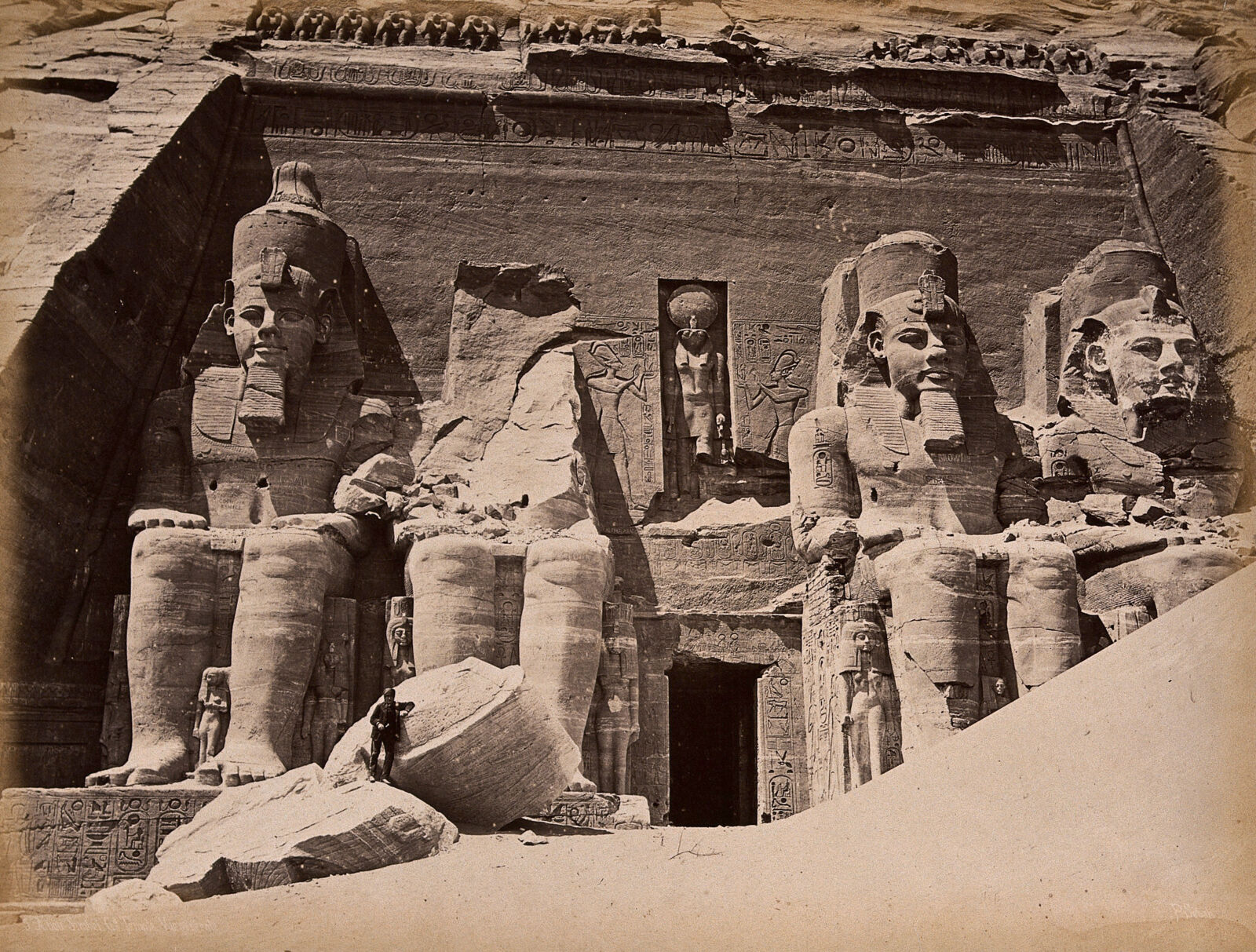
Abu Simbel Temple Colossi
Pascal Sébah · 1875
 Artifact
Primary source
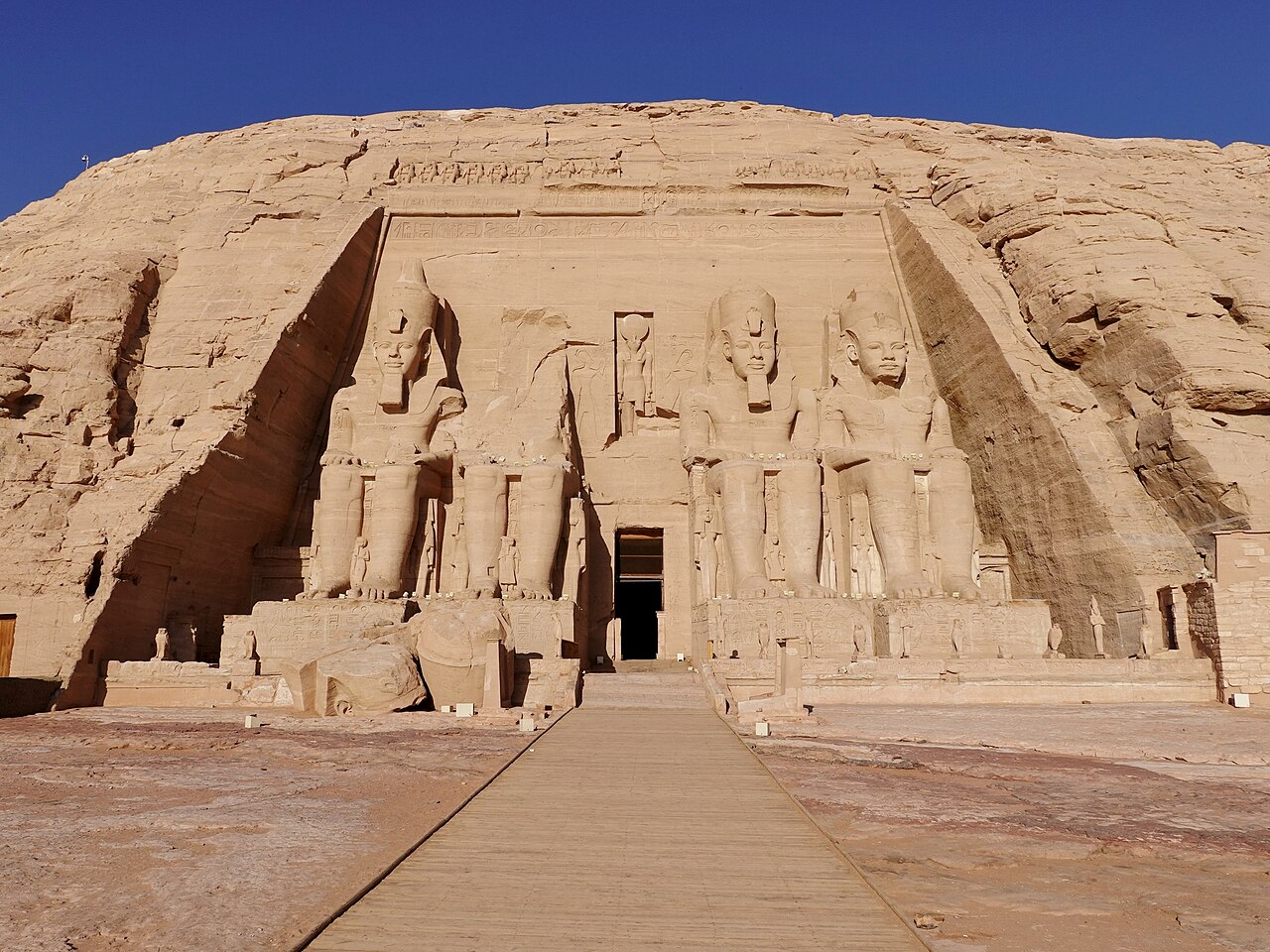
Abu Simbel
Ramesses II · c. 1273 BCE
 Photograph
Secondary source
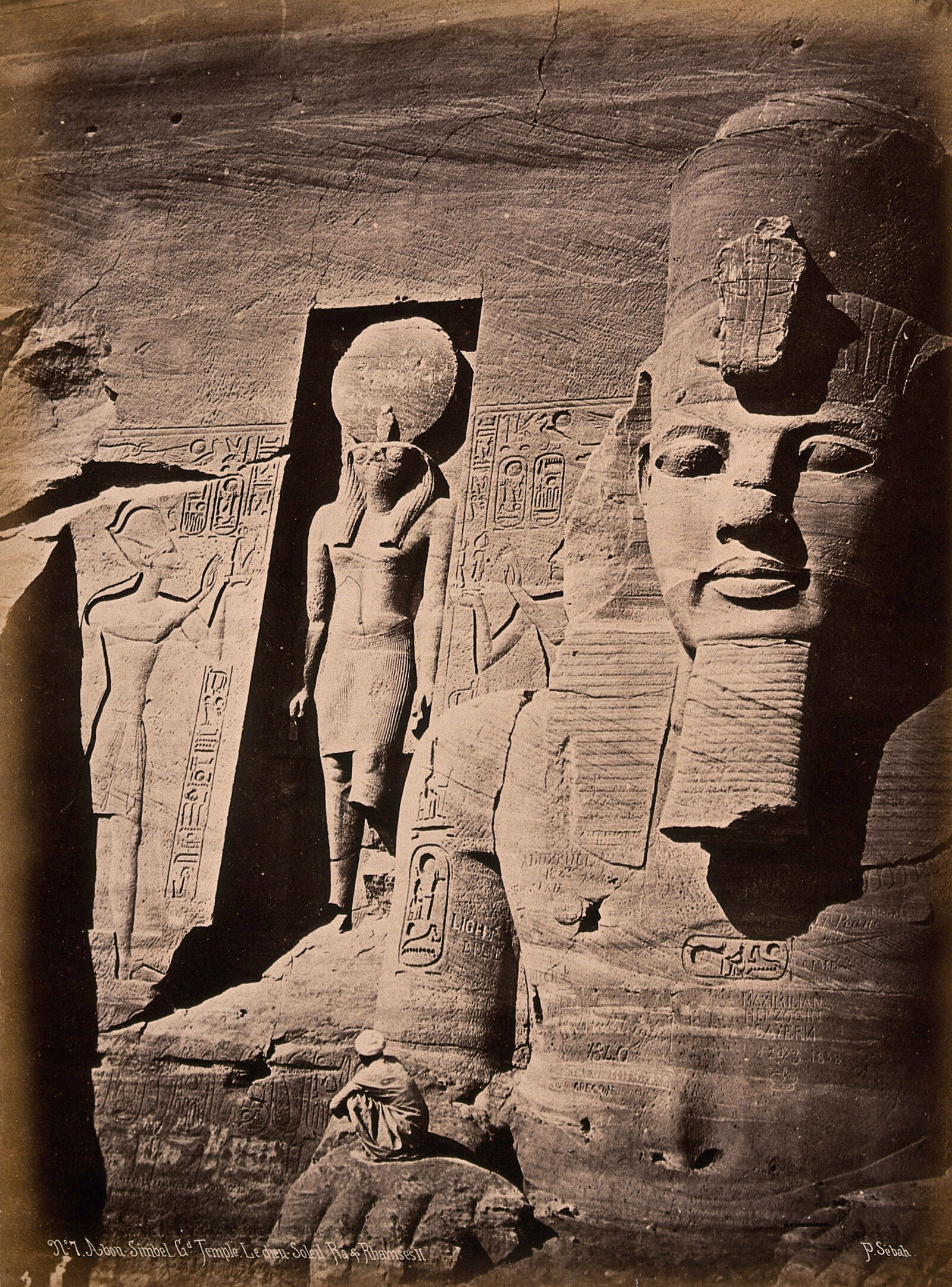
Facade Detail of Abu Simbel Showing Ramesses II and Ra
Pascal Sébah · 1875
 Photograph
Secondary source
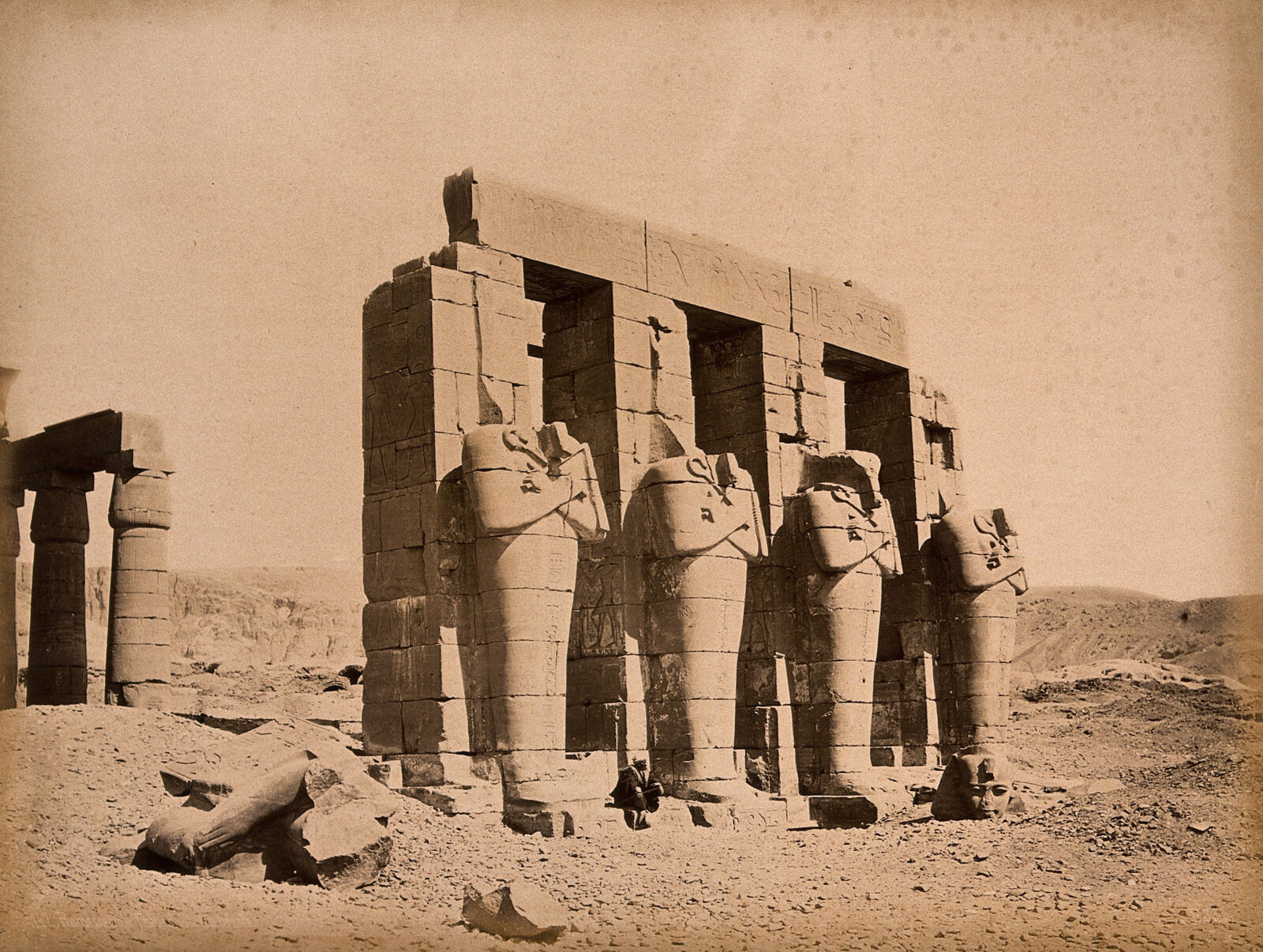
Ramesseum Colossi in Ruins
Pascal Sébah · c. 1875
Ready when you are
Start chatting with Ramses II (Ramses the Great) now.
20 messages free · No credit card · Available in 50+ languages.