


Secondary sourceSculpture
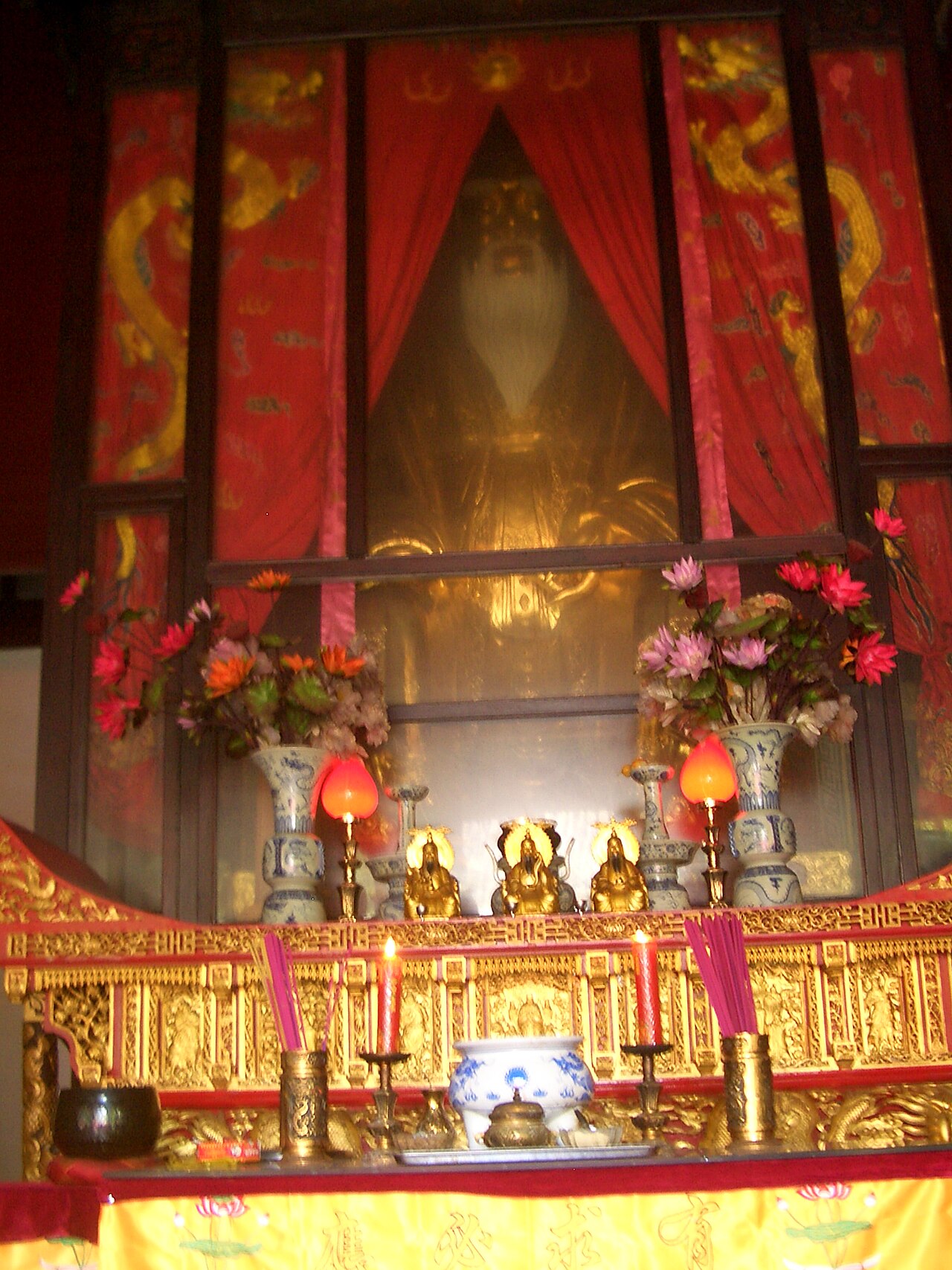
Tai Shang Lao Jun statue, Changchun Temple, Wuhan
A gilded statue of a deified Taoist figure in the Hall of Supreme Purity at Changchun Temple in Wuhan. Local guides say it represents Laozi, but this link rests on tradition rather than proof.
Shows how later Taoist temples honored Laozi as a deity, linked to him by local tradition rather than certain identity.
About this source
What it is
This is a photograph of a large gilded seated statue of a bearded figure, set in a central niche of a temple altar. The statue is Dao De Tian Zhun, also called Tai Shang Lao Jun, one of the Three Pure Ones. It is the most important figure in the Hall of Supreme Purity at Changchun Temple in Wuhan. The photograph was uploaded to Wikimedia Commons by a user named Vmenkov in 2008. Vases, candles, incense and small gold figures stand in front of it.
Why it matters
Local guides say this deity is the same person as Laozi. The record presents this as tradition, not as established identity. Later Taoist temples often honored Laozi as a god, so this statue shows how his memory was reshaped over many centuries. It tells us more about later worship than about the philosopher's own time.
Look closer
- What details of the altar show that this is a place of worship?
- Who would have built and cared for a statue like this, and why?
- What can a photograph of a statue not tell us about the person it is said to represent?
This sculpture is part of the curated material that grounds the AI version of Laozi on Humy.ai — when students ask about related events, the AI can quote it and cite it.
More Laozi sources
Meet the AI Laozi →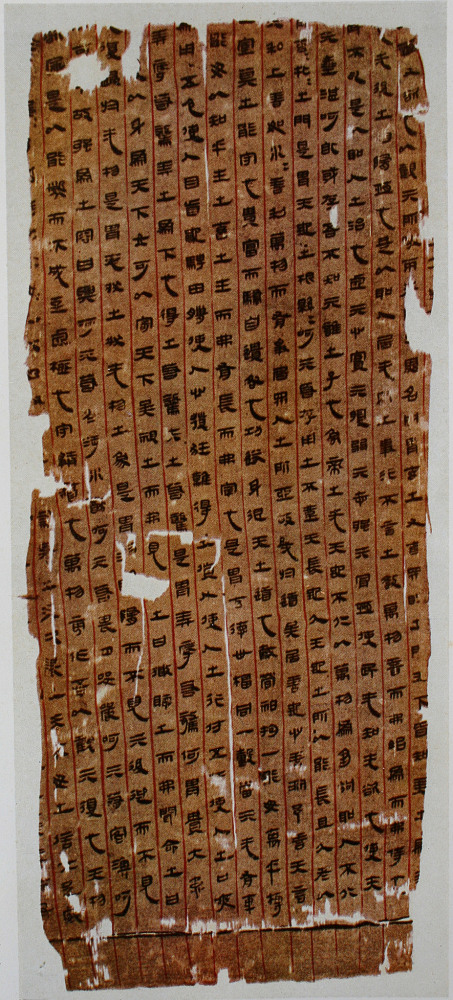 Book
Secondary source
Tao Te Ching
Laozi · c. 4th-3rd century BCE
 Artifact
Primary source
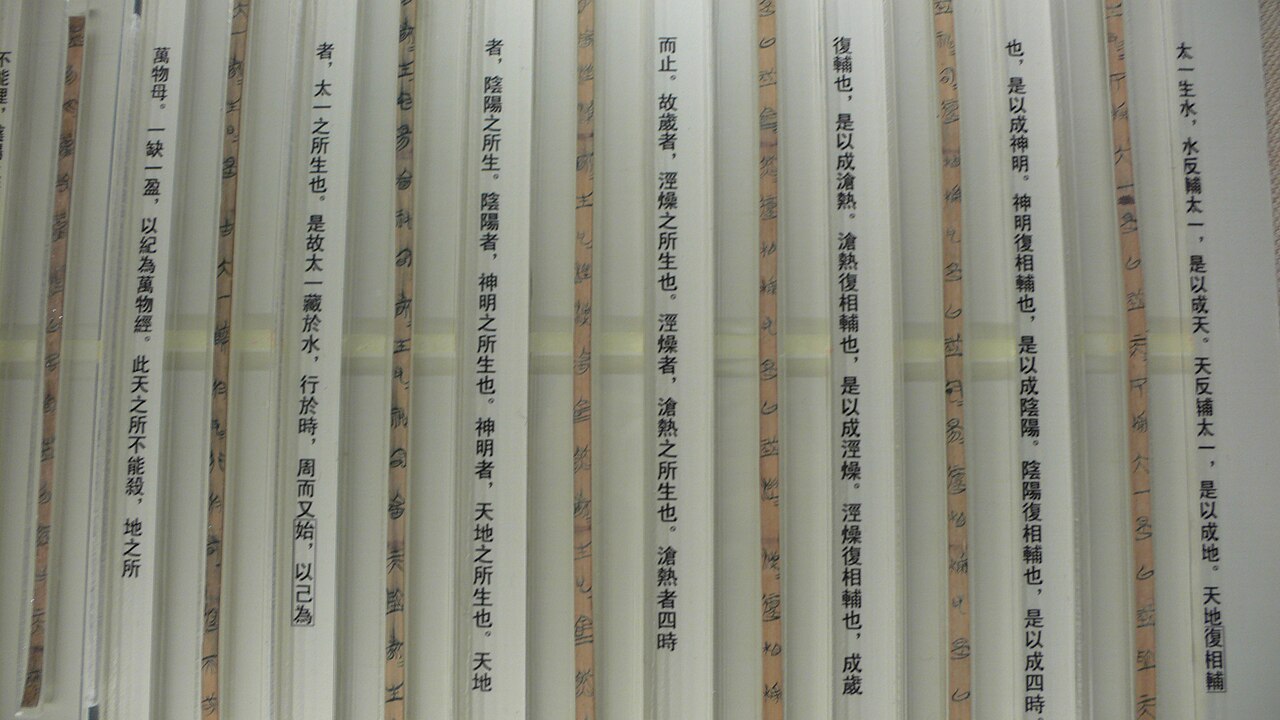
Bamboo Texts of Guodian
c. 300 BCE
 Book
Primary source
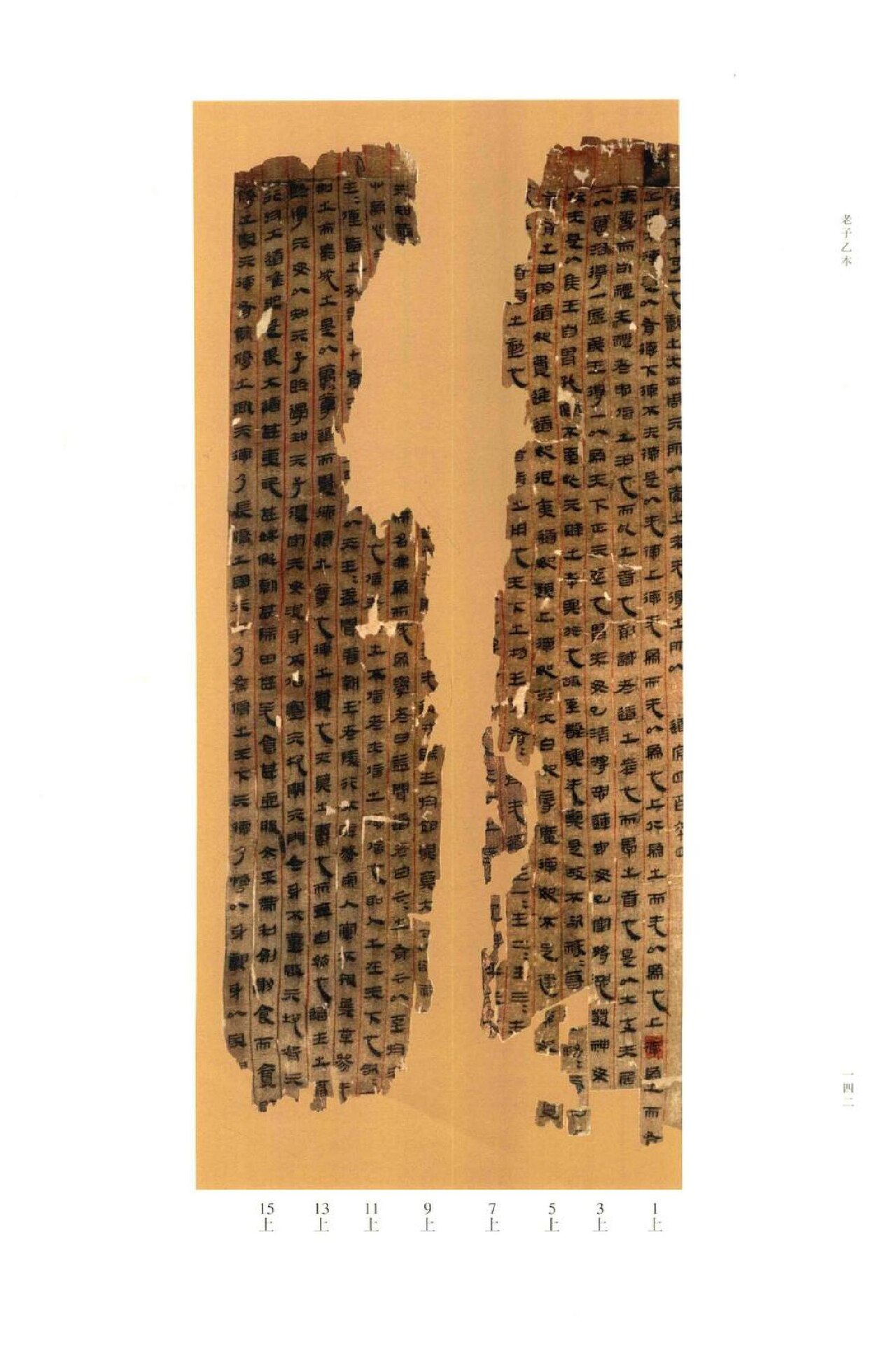
Mawangdui Silk Texts of the Laozi
Anonymous Han scribes · c. 200-168 BCE
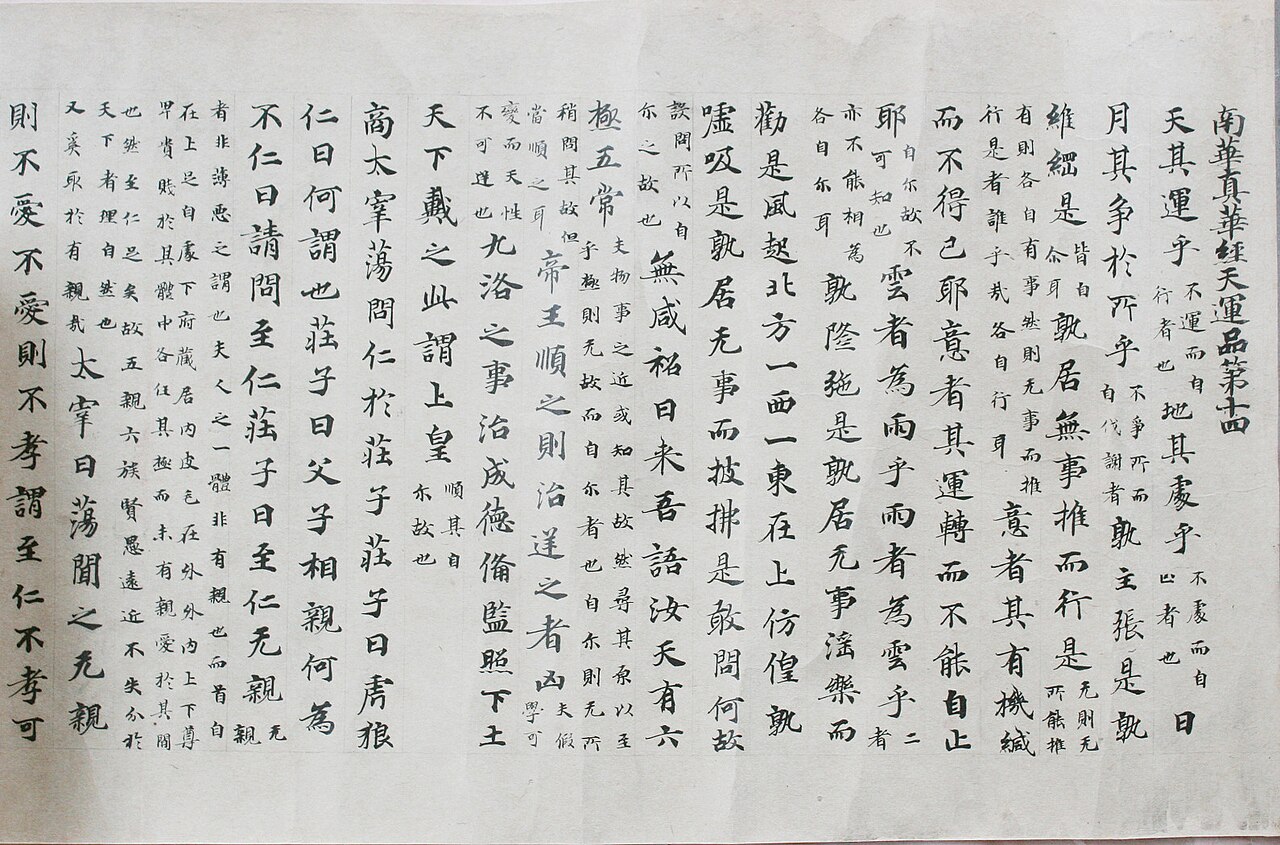 Book
Secondary source
Zhuangzi
Zhuang Zhou · c. 300 BCE
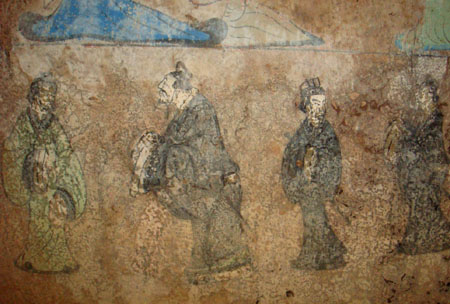 Painting
Secondary source
Confucius and Laozi fresco, Dongping tomb
Anonymous Chinese painter of the Western Han period · Western Han period, c. 2000 years old
Ready when you are
Start chatting with Laozi now.
20 messages free · No credit card · Available in 50+ languages.