


Secondary sourcePaintingearly Republican era (民国初期)
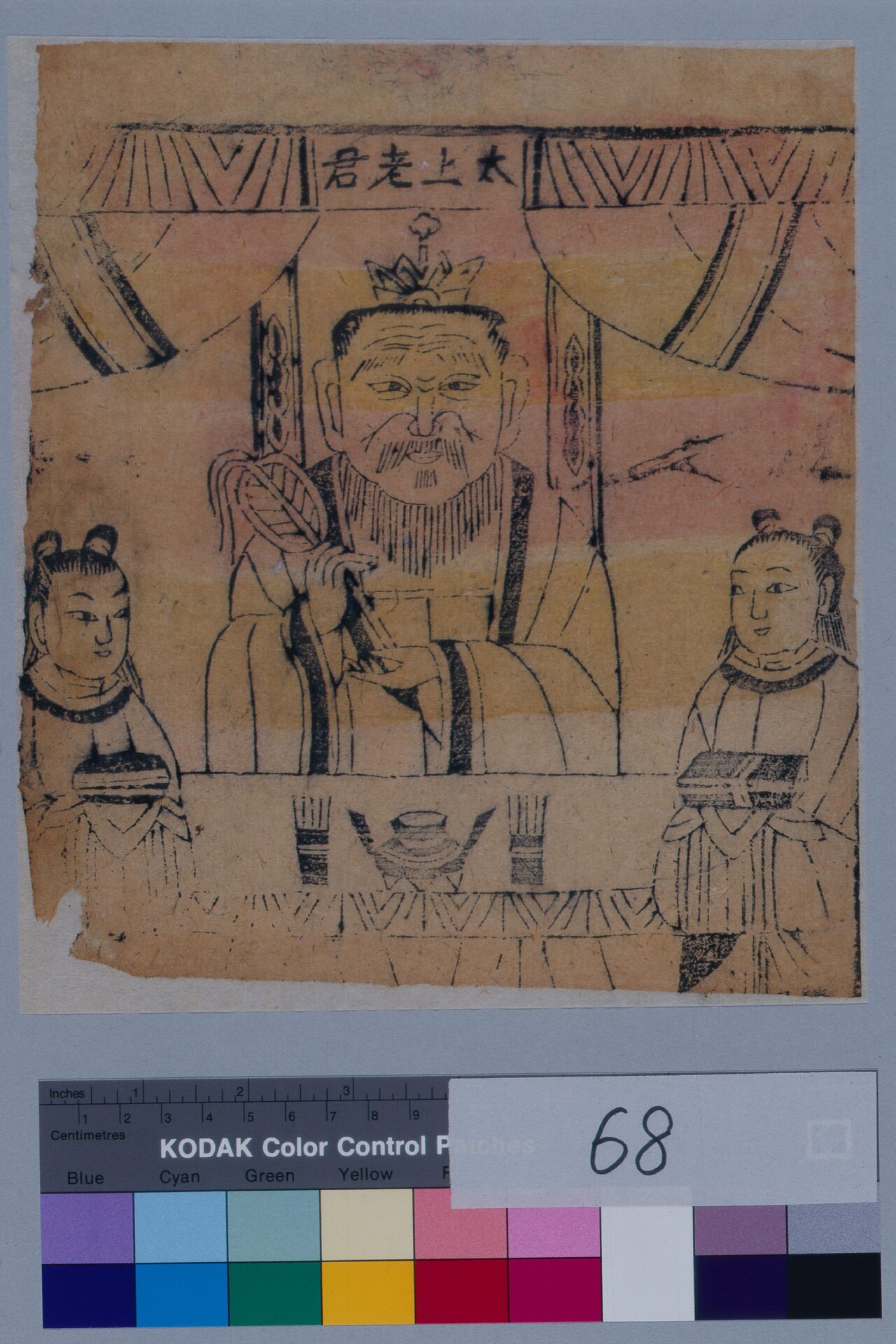
Taishang Laojun, Deified Laozi (Early Republican Print)
early Republican era (民国初期)
A printed image from the early Republican era showing Taishang Laojun, the deified form of Laozi, seated on a throne with attendants.
Shows Laozi in his later deified form, Taishang Laojun, as he was pictured in popular religious prints.
About this source
What it is
This is a woodblock-style print from the early Republican era of China, held as a single sheet. The paper has yellowed and is torn at the edges. The image shows an elderly bearded man with a crown, seated on a throne and holding a fan-like object, flanked by two young attendants who hold objects. The Chinese characters 太上老君 (Taishang Laojun) appear at the top.
Why it matters
Taishang Laojun is the deified form of Laozi, the semi-legendary philosopher of the 6th century BCE who is traditionally credited with the Dao De Jing. Printed images like this one spread popular Taoist beliefs to ordinary people, showing how the philosopher was reshaped into a god in religious imagery over the centuries.
Look closer
- What objects does the figure hold, and what might they signify to a believer?
- Why do you think the attendants are shown as young and smaller?
- What does this single print leave out about how it was used or who bought it?
This painting is part of the curated material that grounds the AI version of Laozi on Humy.ai — when students ask about related events, the AI can quote it and cite it.
More Laozi sources
Meet the AI Laozi →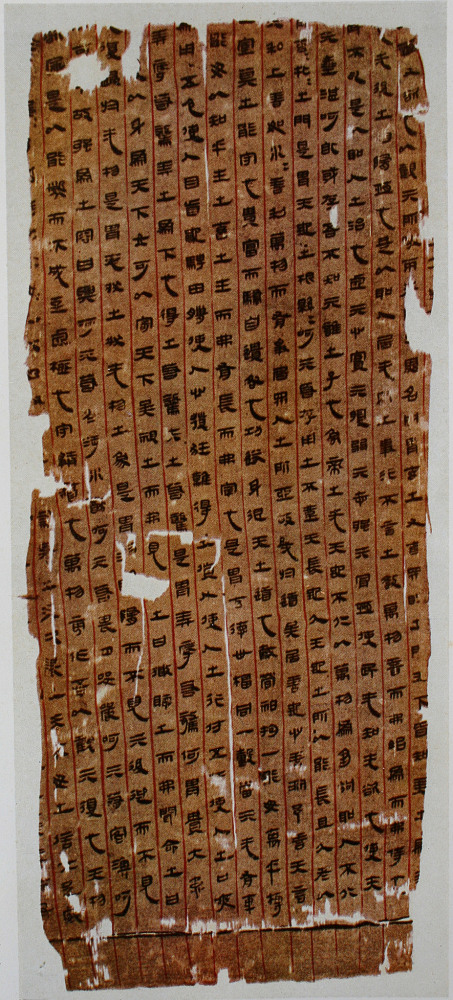 Book
Secondary source
Tao Te Ching
Laozi · c. 4th-3rd century BCE
 Artifact
Primary source
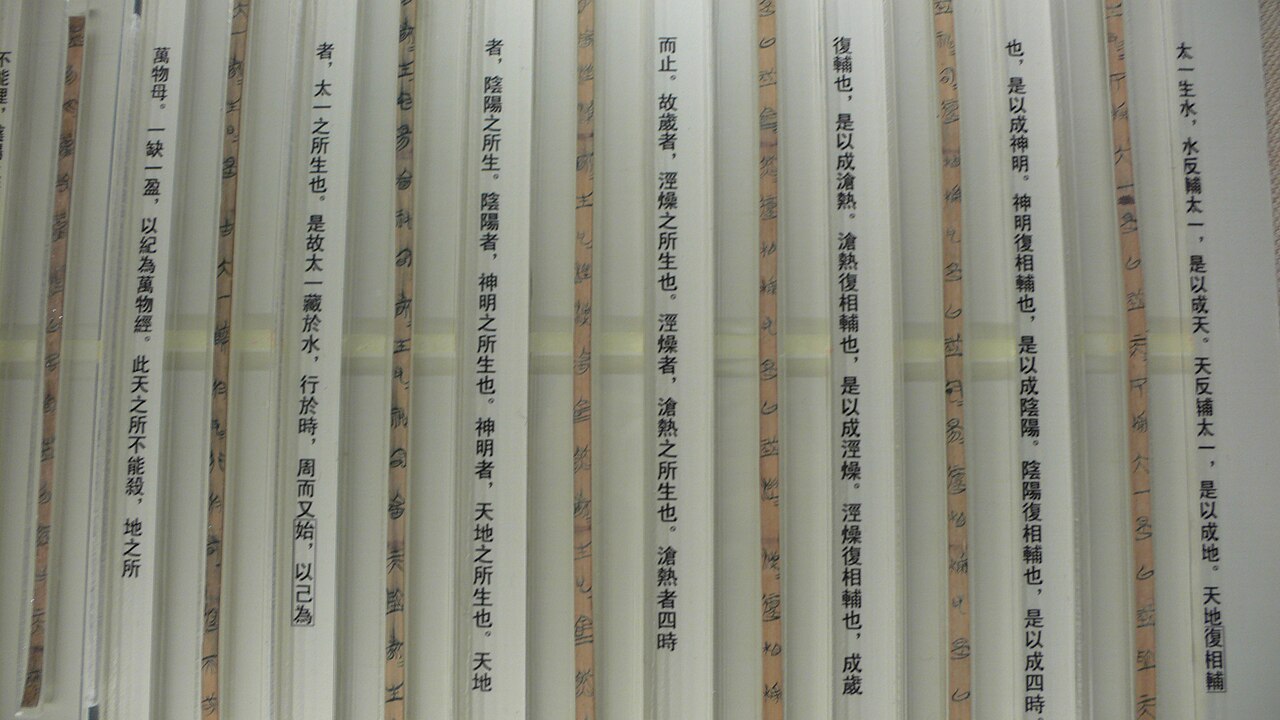
Bamboo Texts of Guodian
c. 300 BCE
 Book
Primary source
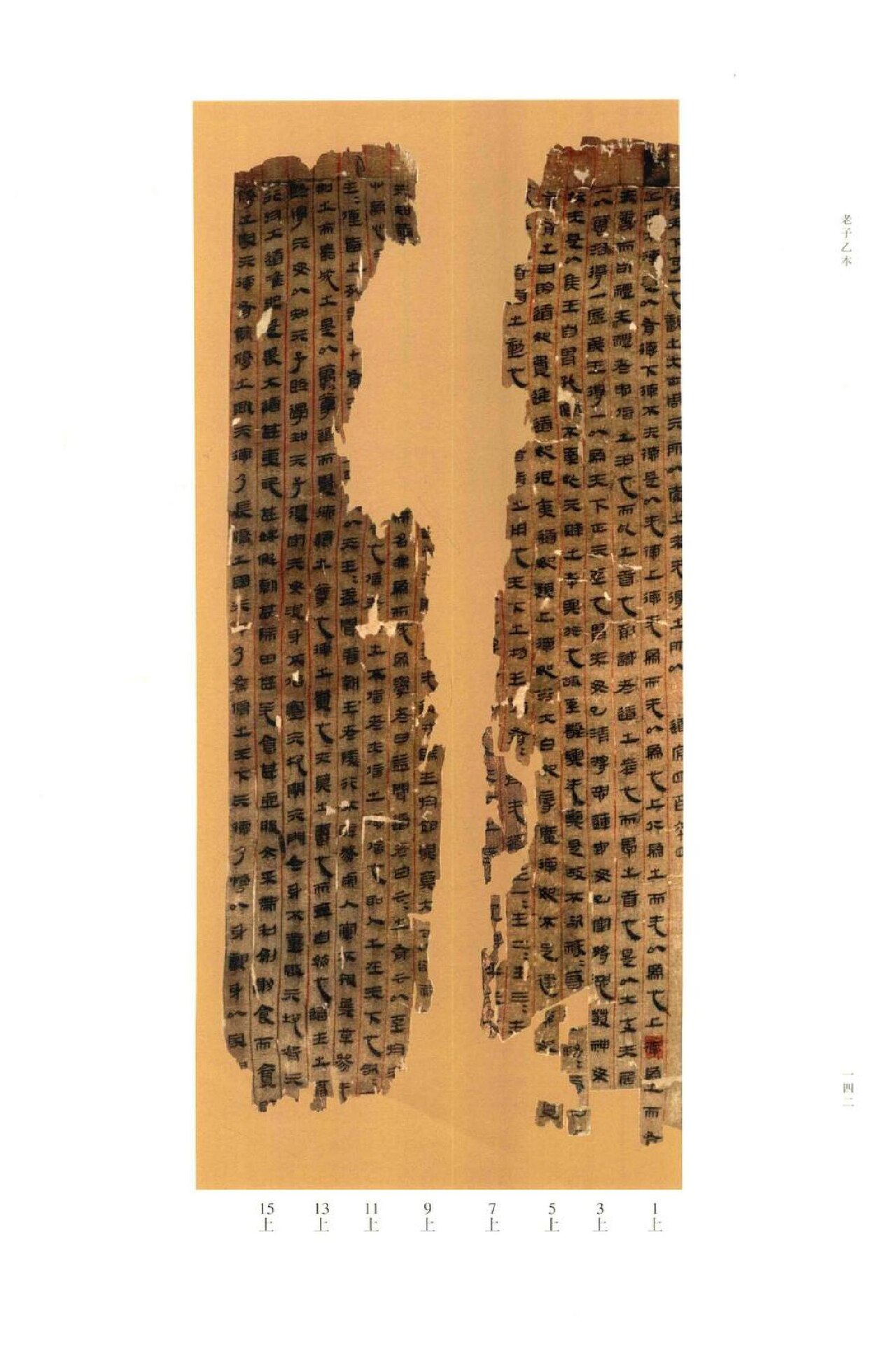
Mawangdui Silk Texts of the Laozi
Anonymous Han scribes · c. 200-168 BCE
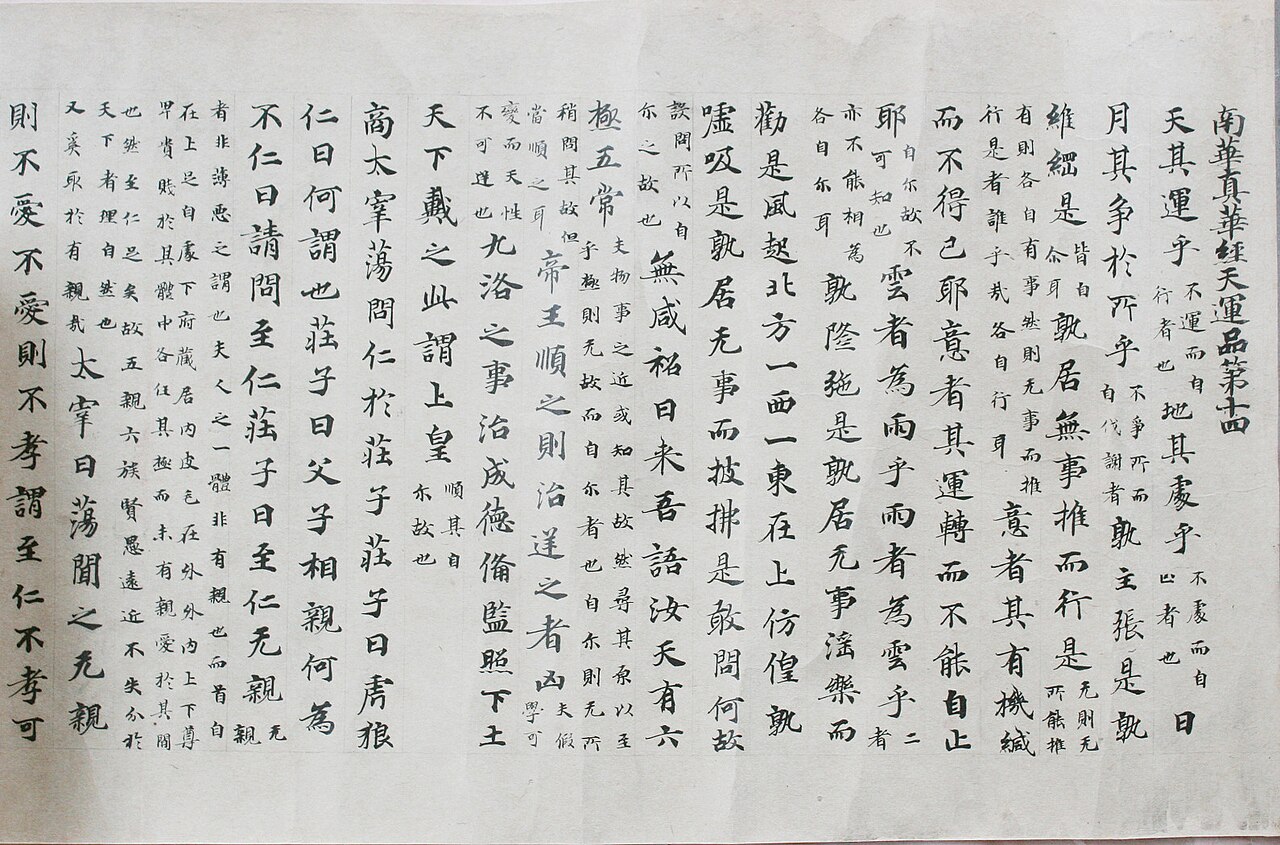 Book
Secondary source
Zhuangzi
Zhuang Zhou · c. 300 BCE
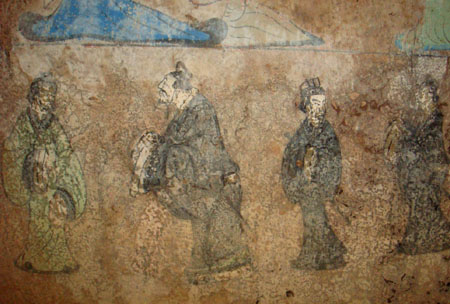 Painting
Secondary source
Confucius and Laozi fresco, Dongping tomb
Anonymous Chinese painter of the Western Han period · Western Han period, c. 2000 years old
Ready when you are
Start chatting with Laozi now.
20 messages free · No credit card · Available in 50+ languages.