


Secondary sourceBook1938
Tao Teh King by Kwee Tek Hoay, page 81 (1938)
Kwee Tek Hoay · 1938
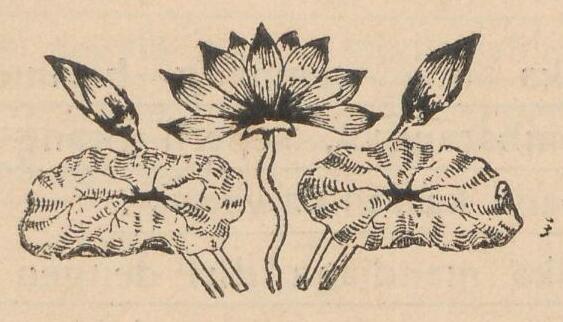
A page from a 1938 book on the Tao Teh King by Kwee Tek Hoay. It is a later commentary on Laozi's text, not the text itself.
A 1938 commentary by Kwee Tek Hoay on the Tao Teh King, showing how later writers studied and presented Laozi's text.
About this source
What it is
This is a cropped image of page 81 from a book titled Tao Teh King, written by Kwee Tek Hoay and published in 1938. The page shows a black-and-white line drawing of a lotus flower in bloom at the center, with two lotus buds and two large lily pads, one on each side. Thin stems extend downward. The book is a commentary on the Tao Teh King, the classic text traditionally attributed to Laozi.
Why it matters
Kwee Tek Hoay wrote this book in the 1930s, more than two thousand years after Laozi's time. His commentary shows how later writers read and presented the classic text for their own readers. The lotus drawing shows a decorative style used in the book's design. The page reveals how Laozi's ideas were carried into the twentieth century through new books.
Look closer
- Why might a book about an ancient text include decorative drawings like this lotus?
- Who was Kwee Tek Hoay writing for, and what might they have wanted to learn?
- What does one page show, and what parts of the book and its argument are missing from this image?
This book is part of the curated material that grounds the AI version of Laozi on Humy.ai — when students ask about related events, the AI can quote it and cite it.
More Laozi sources
Meet the AI Laozi →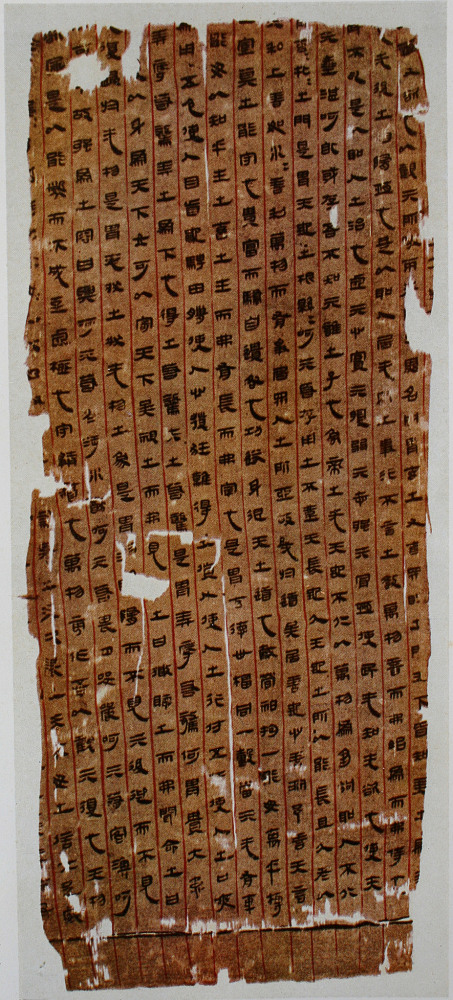 Book
Secondary source
Tao Te Ching
Laozi · c. 4th-3rd century BCE
 Artifact
Primary source
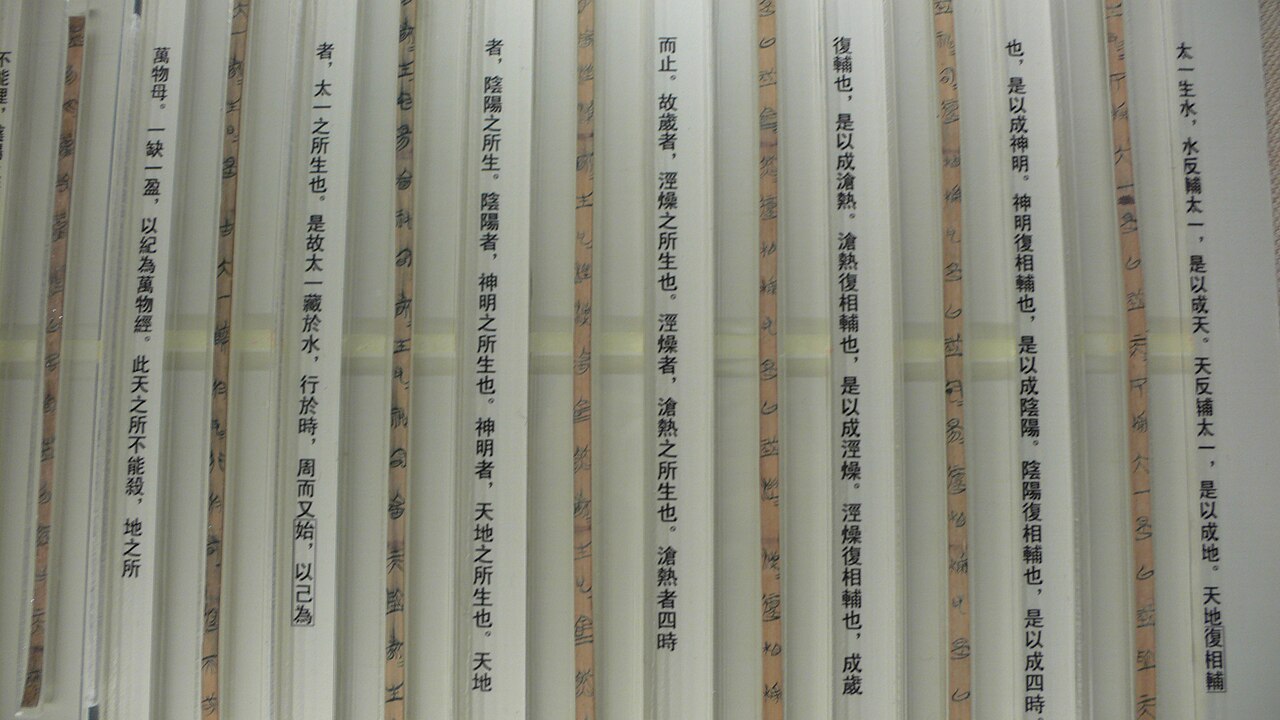
Bamboo Texts of Guodian
c. 300 BCE
 Book
Primary source
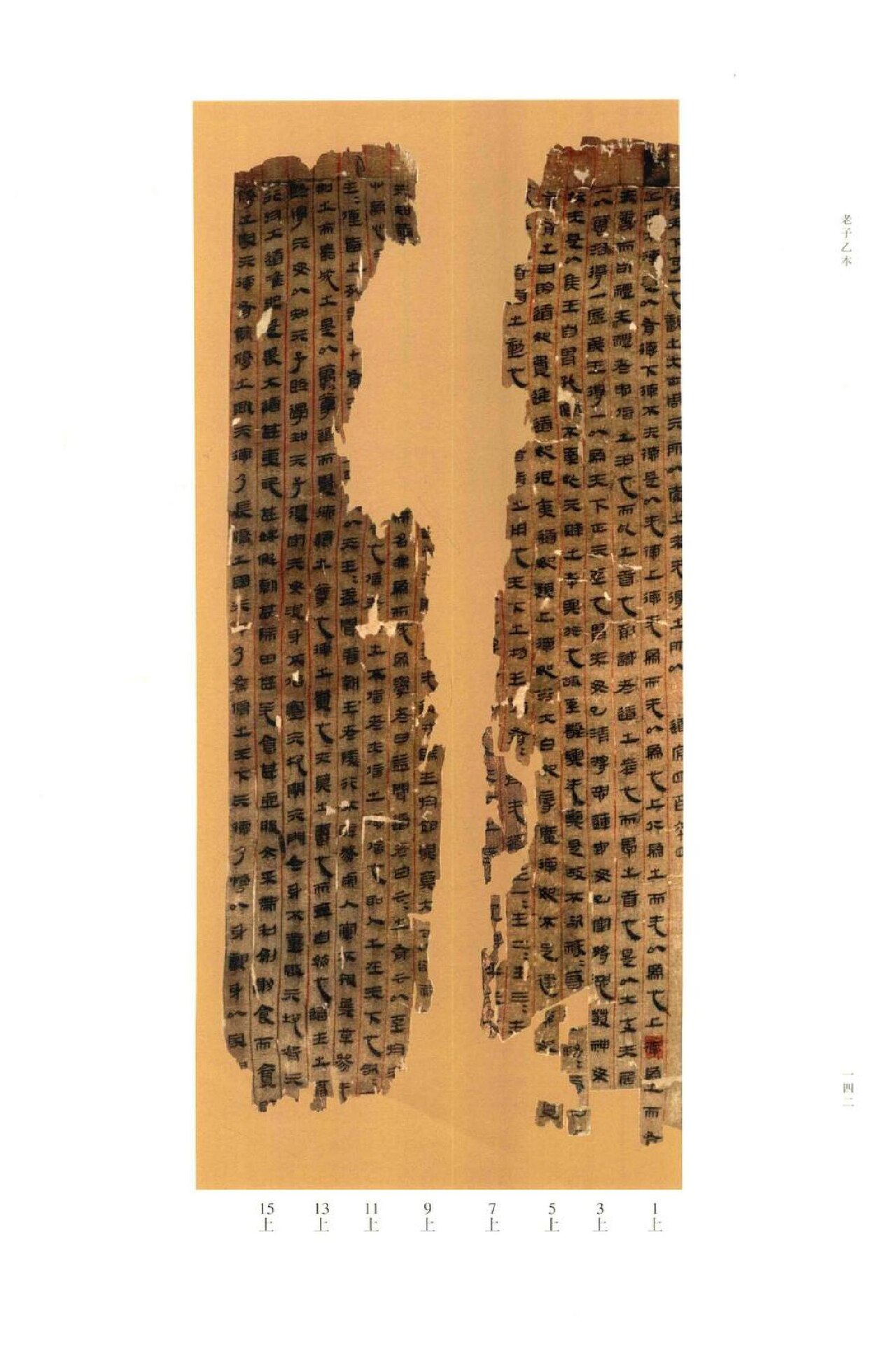
Mawangdui Silk Texts of the Laozi
Anonymous Han scribes · c. 200-168 BCE
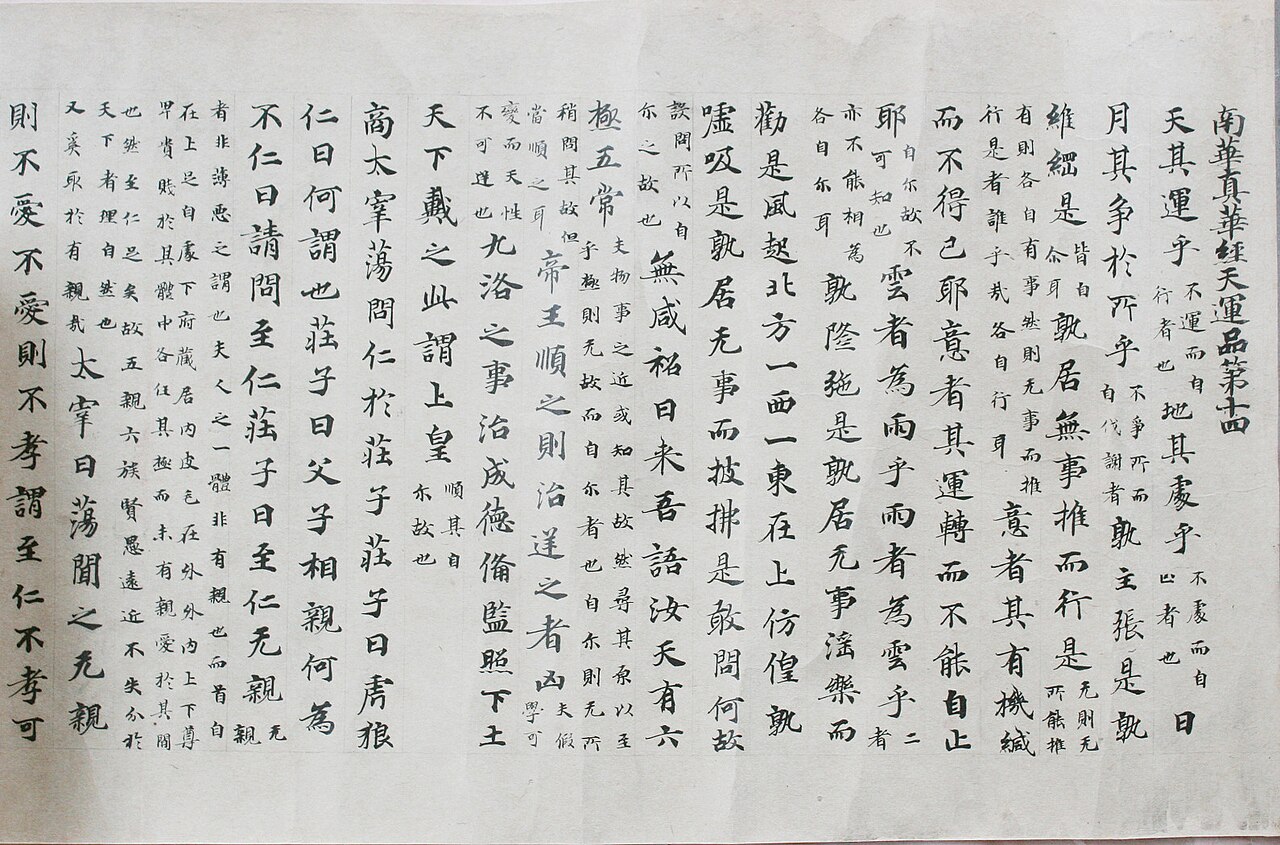 Book
Secondary source
Zhuangzi
Zhuang Zhou · c. 300 BCE
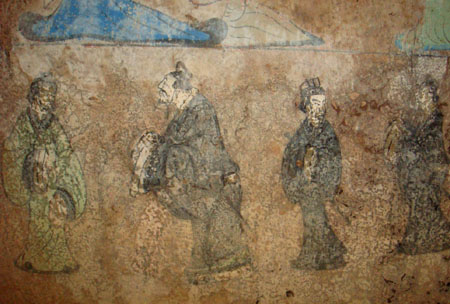 Painting
Secondary source
Confucius and Laozi fresco, Dongping tomb
Anonymous Chinese painter of the Western Han period · Western Han period, c. 2000 years old
Ready when you are
Start chatting with Laozi now.
20 messages free · No credit card · Available in 50+ languages.