


Primary sourceArtifact1896
Te Fare Amu
Paul Gauguin · 1896
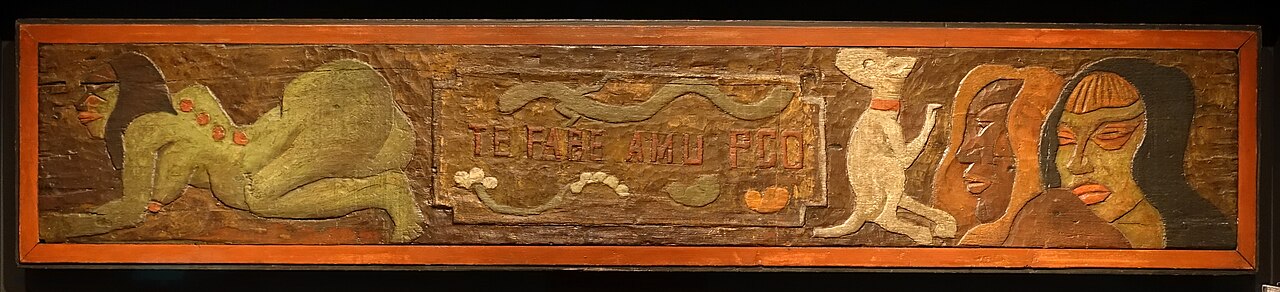
A carved and painted wooden relief panel made by Gauguin in 1896 for his house in Tahiti.
Carved by Gauguin himself as part of the decoration of his own house in Tahiti.
About this source
What it is
This is a carved wooden relief panel made by Paul Gauguin in 1896, decorated with painted colour and an inscription reading 'TE FARE AMU' (meaning the eating house). It was made for his home in Tahiti and is now part of the Henry and Rose Pearlman collection.
Why it matters
Gauguin decorated his own house in Tahiti with carved panels like this one, combining woodcarving, painting, and text. It shows his interest in craft traditions beyond painting, and how he blended decorative carving with his personal artistic style while living in Polynesia.
Look closer
- Why might Gauguin carve words directly into the panel?
- What do the carved figures suggest about the panel's purpose?
- How does this object differ from Gauguin's paintings?
This artifact is part of the curated material that grounds the AI version of Paul Gauguin on Humy.ai — when students ask about related events, the AI can quote it and cite it.
More Paul Gauguin sources
Browse all 97 →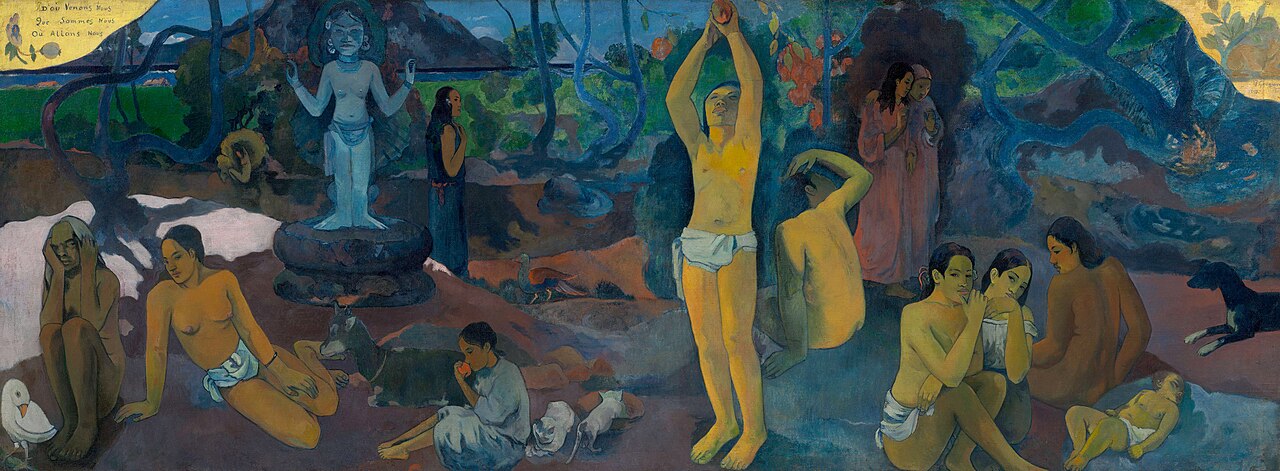 Painting
Primary source
Where Do We Come From? What Are We? Where Are We Going?
Paul Gauguin · 1897-98
 Painting
Primary source
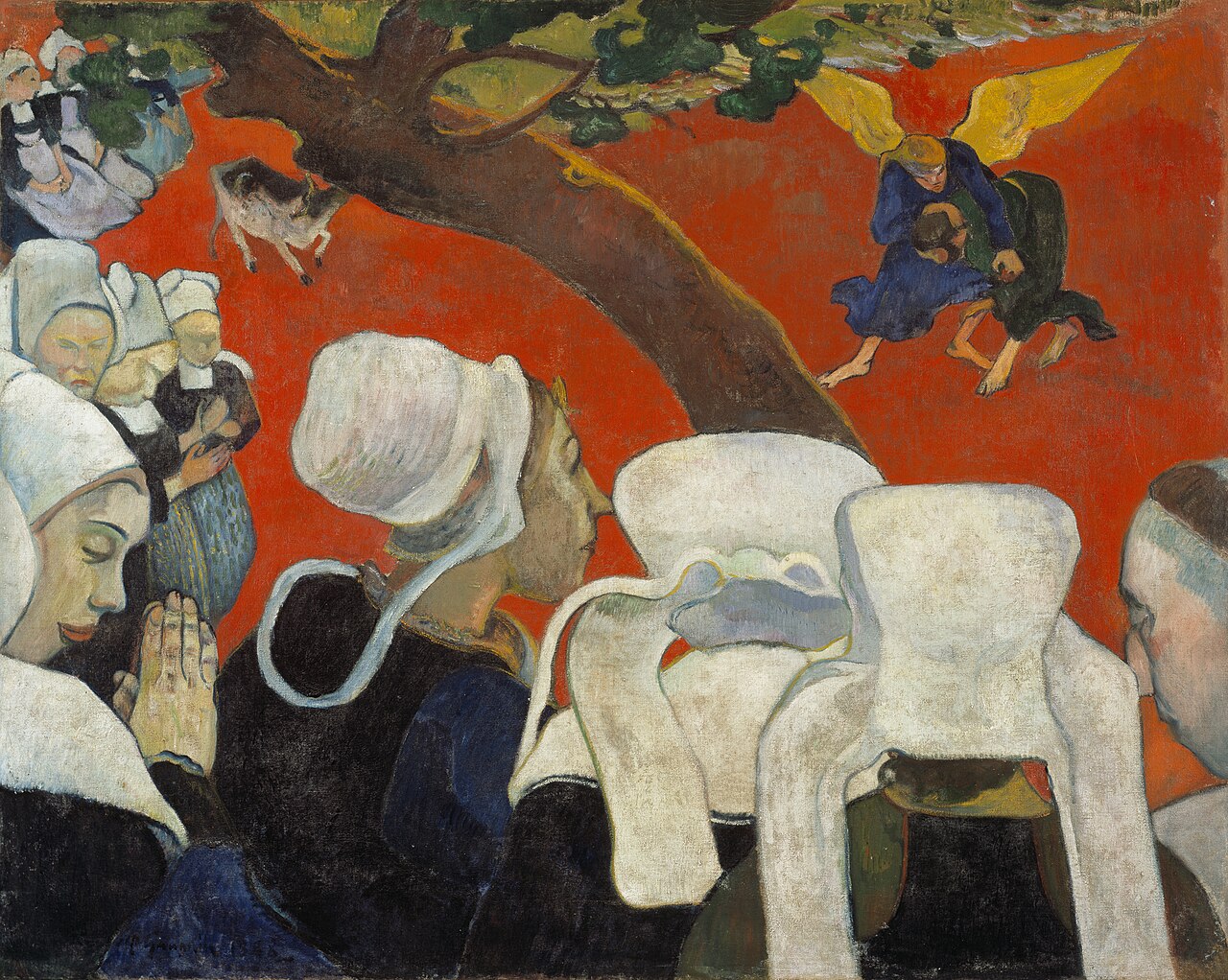
Vision After the Sermon
Paul Gauguin · 1888
 Painting
Primary source
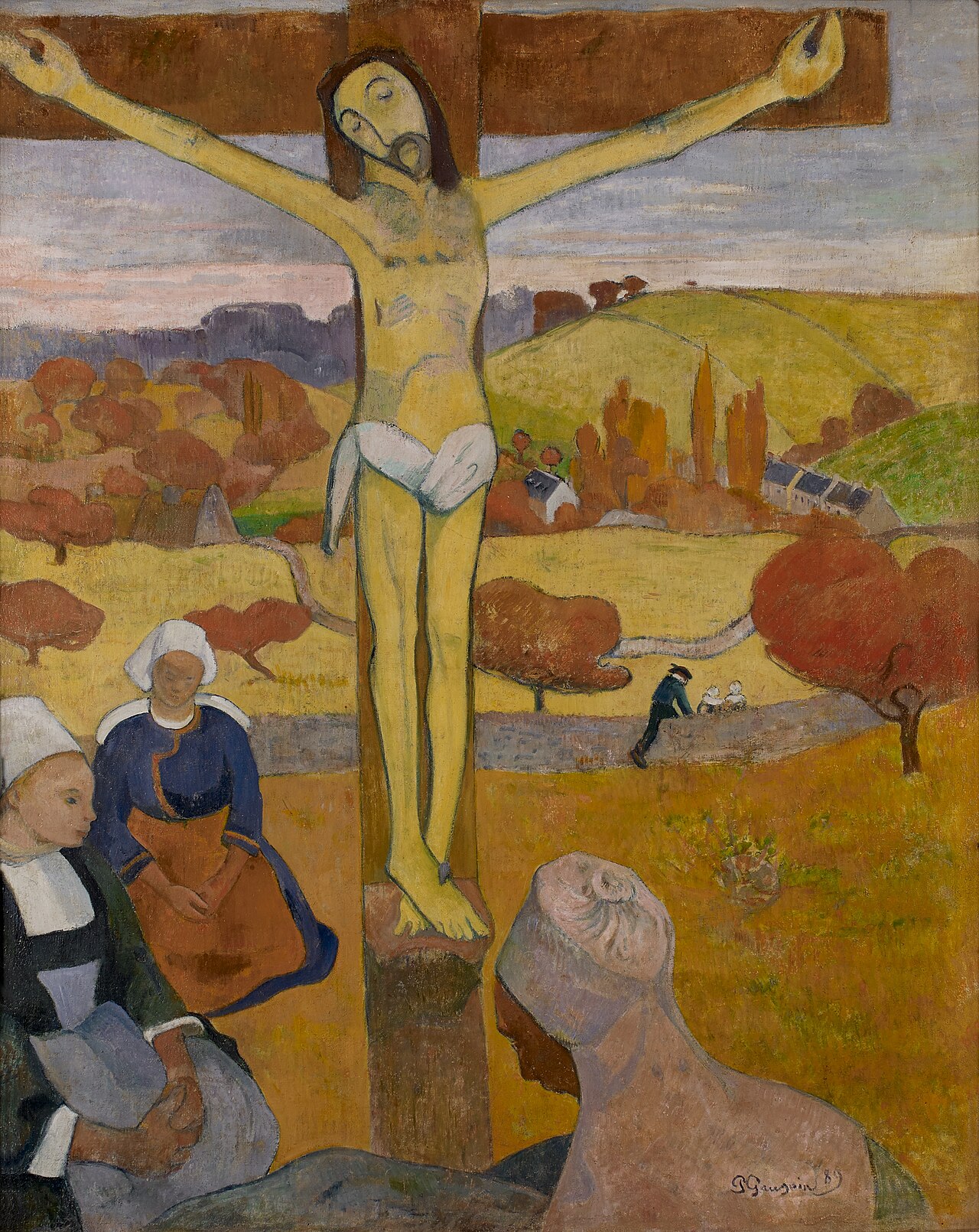
The Yellow Christ
Paul Gauguin · 1889
 Painting
Primary source
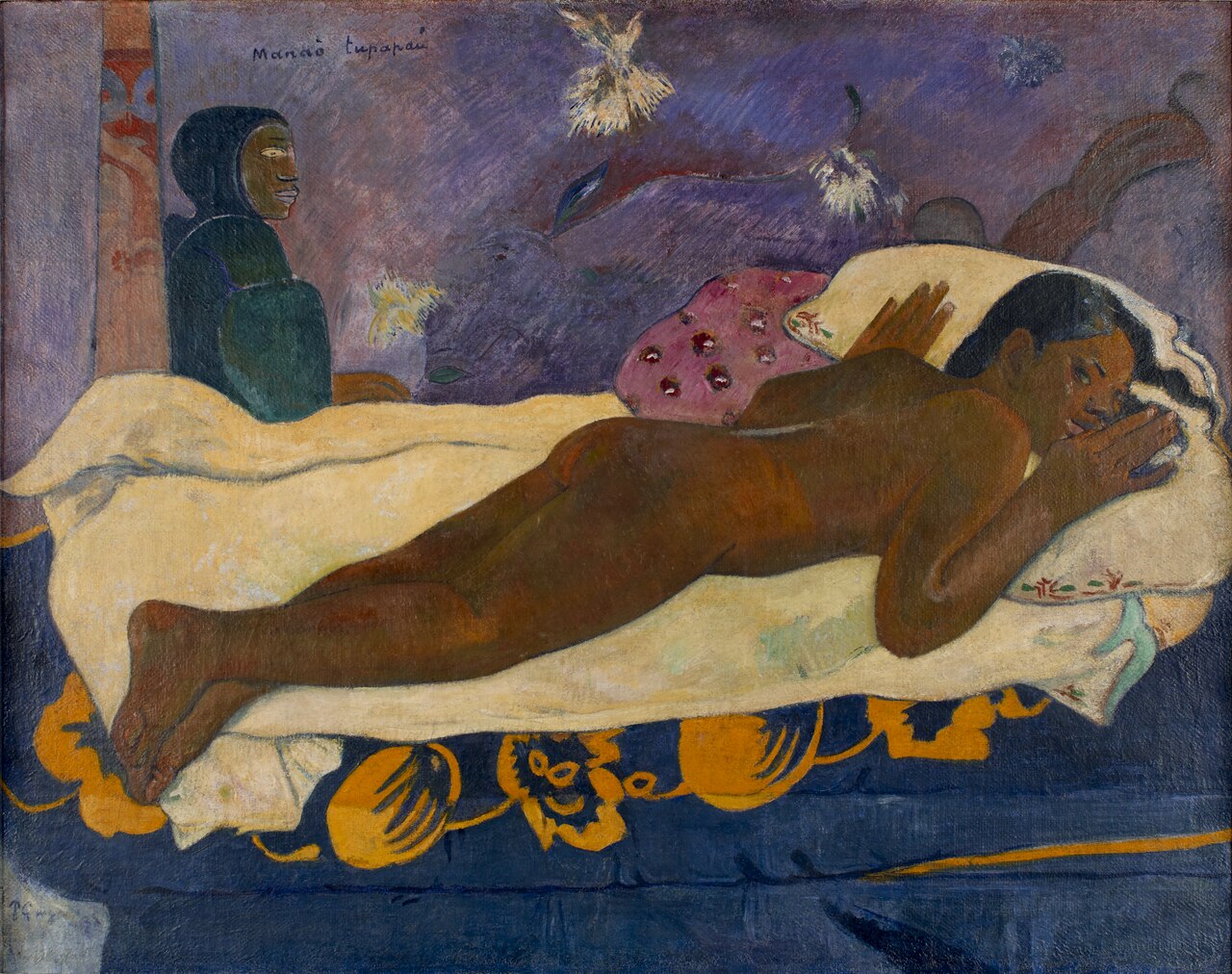
Manaò tupapaú
Paul Gauguin · 1892
Free account
Read every Paul Gauguin source
Sign up free →
Ready when you are
Start chatting with Paul Gauguin now.
20 messages free · No credit card · Available in 50+ languages.