


Primary sourceArtifactc. 1280 BCE
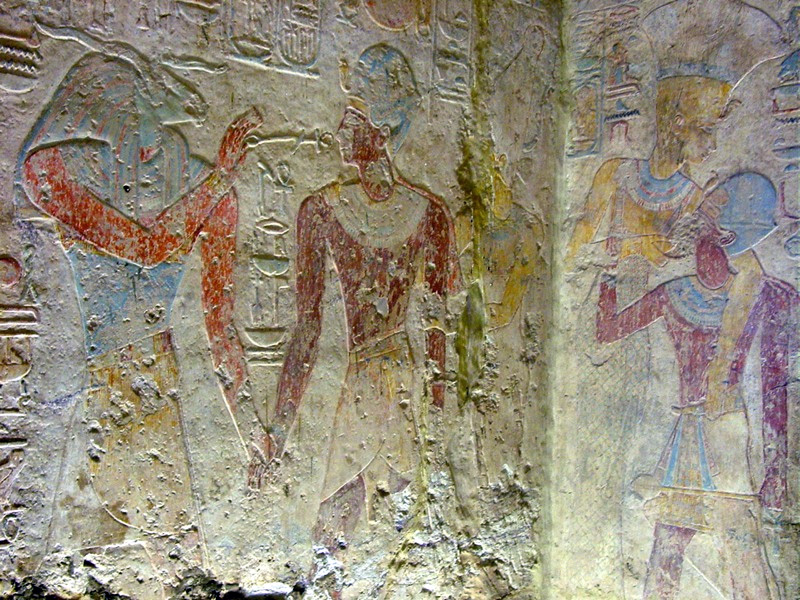
Temple of Beit el-Wali
Ramesses II · c. 1280 BCE
A small Nubian temple built for Ramesses II, decorated with reliefs of his military campaigns and divine favor.
Ramesses II commissioned this temple, which celebrates his military campaigns and divine favor.
About this source
What it is
Beit el-Wali is a small rock-cut temple commissioned by Ramesses II around 1280 BCE in Nubia. Its reliefs show the young king campaigning against Nubians, Libyans and Syrians and receiving tribute, as well as being granted long life and embraced by the gods. The temple was relocated and now stands at New Kalabsha in southern Egypt.
Why it matters
The temple's reliefs are a form of royal propaganda, presenting Ramesses II as a victorious military leader favored by the gods early in his reign. It reveals how pharaohs used monumental art to project strength and divine approval to their subjects and to peoples beyond Egypt's borders.
Look closer
- What is shown in the scenes of tribute and divine embrace, and what message do they send?
- Why might a king want to record foreign campaigns inside a temple rather than, say, a palace?
- What does the relocation of the temple tell us about efforts to preserve ancient monuments?
This artifact is part of the curated material that grounds the AI version of Ramses II (Ramses the Great) on Humy.ai — when students ask about related events, the AI can quote it and cite it.
More Ramses II (Ramses the Great) sources
Meet the AI Ramses II (Ramses the Great) →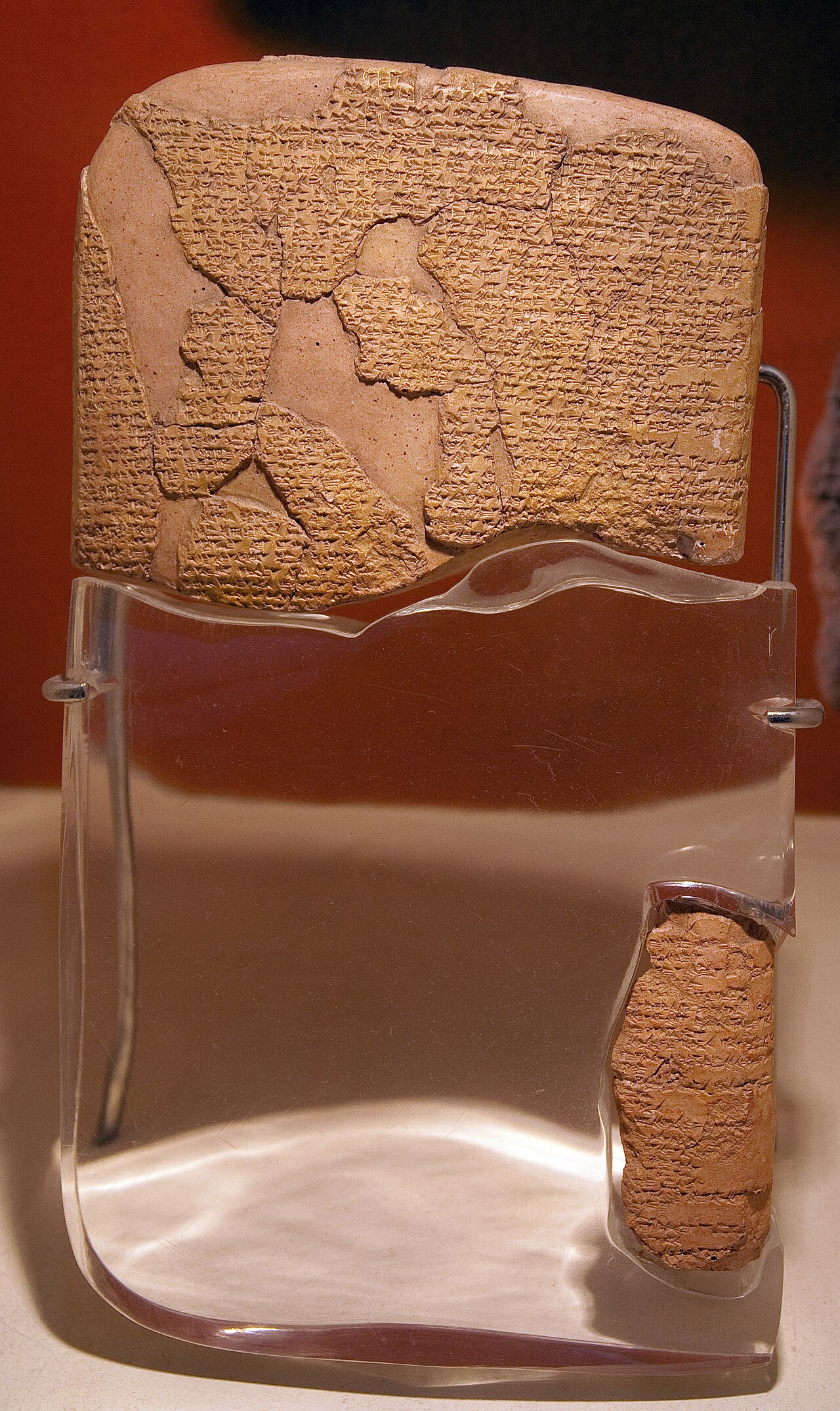 Document
Primary source
Egyptian–Hittite Peace Treaty
c. 1258 BCE
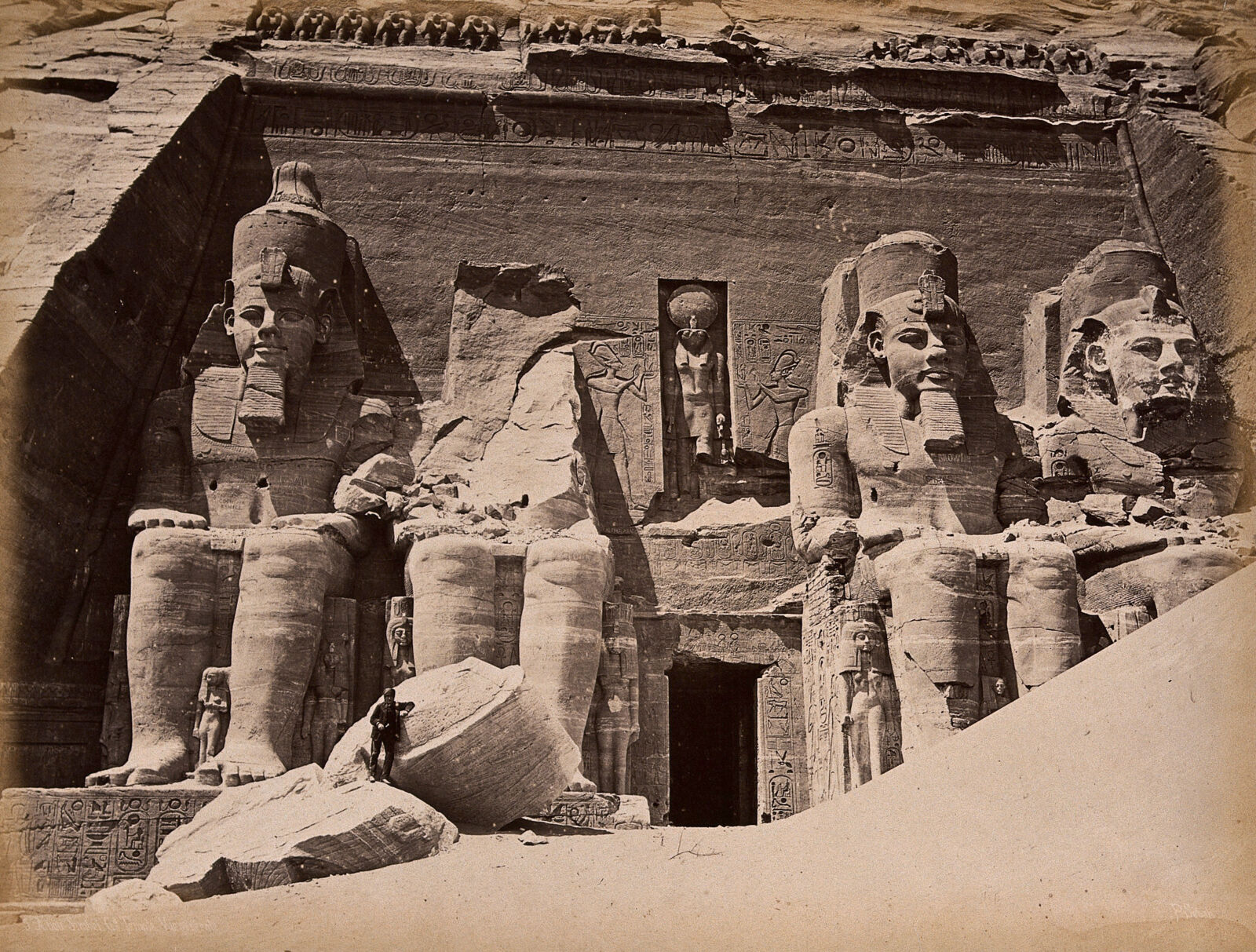 Photograph
Secondary source
Abu Simbel Temple Colossi
Pascal Sébah · 1875
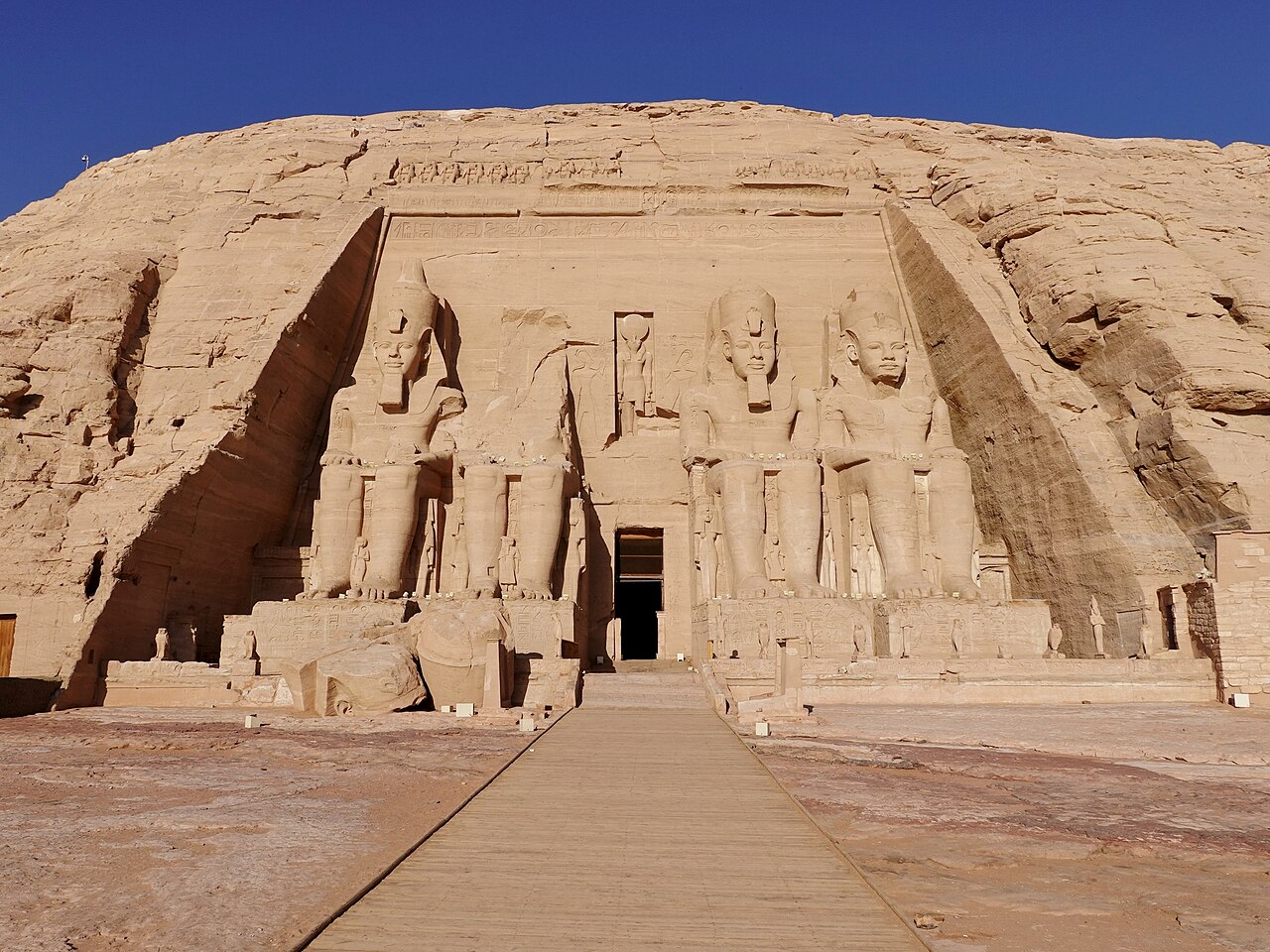 Artifact
Primary source
Abu Simbel
Ramesses II · c. 1273 BCE
 Photograph
Secondary source
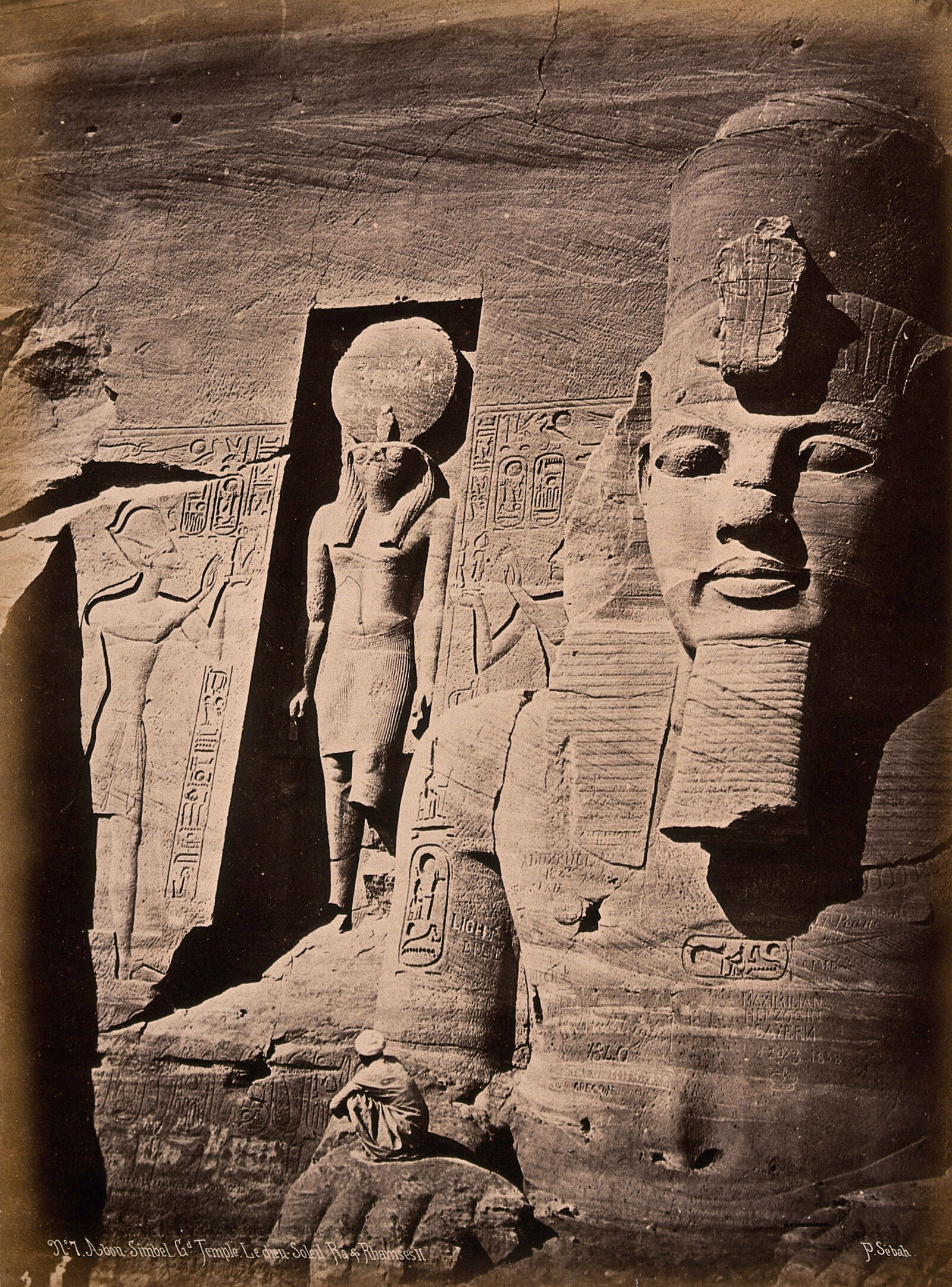
Facade Detail of Abu Simbel Showing Ramesses II and Ra
Pascal Sébah · 1875
 Photograph
Secondary source
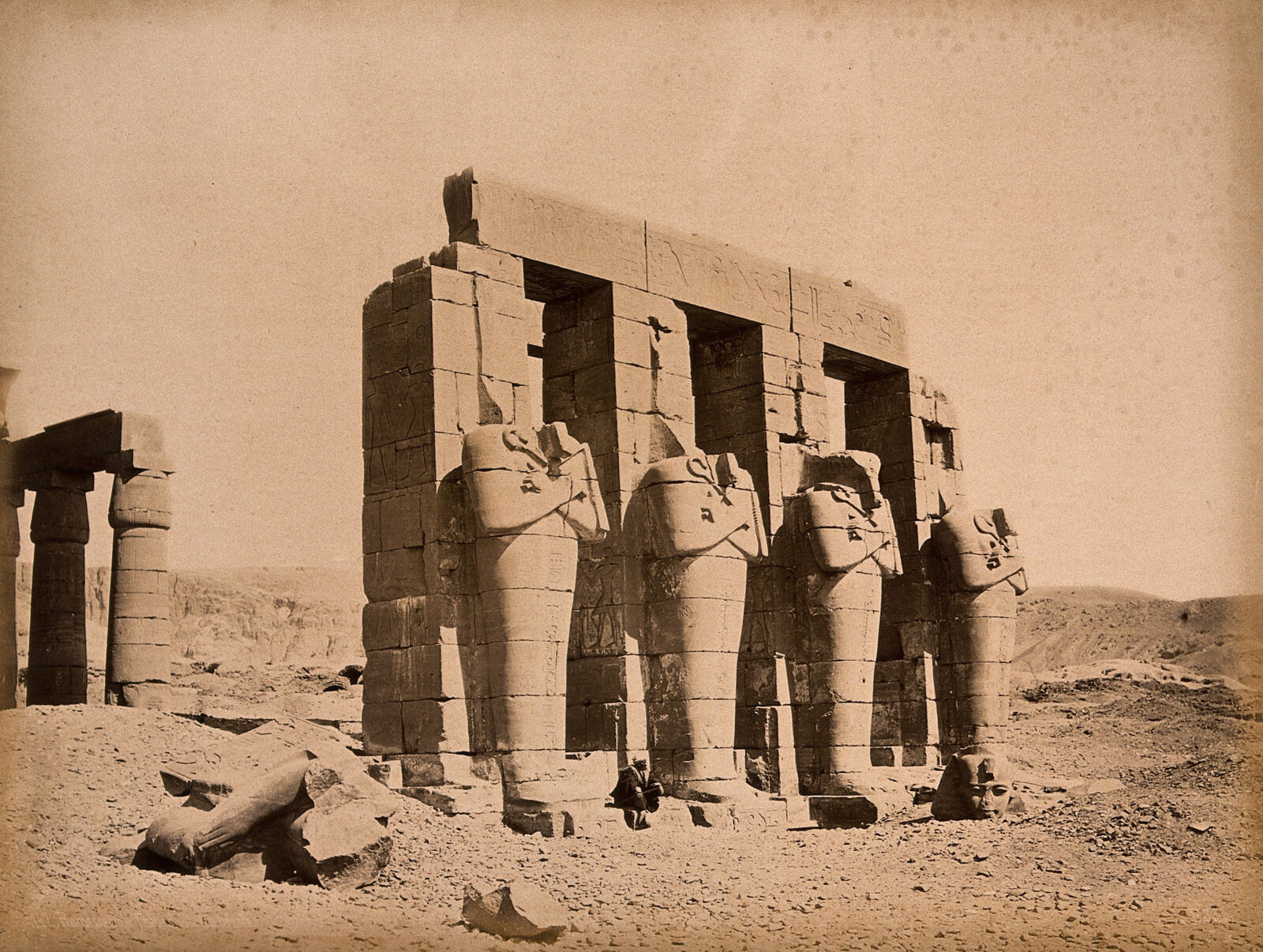
Ramesseum Colossi in Ruins
Pascal Sébah · c. 1875
Ready when you are
Start chatting with Ramses II (Ramses the Great) now.
20 messages free · No credit card · Available in 50+ languages.