


Secondary sourceArtifactc. 550 BC (final form); destroyed 262 AD
Temple of Ephesian Artemis
c. 550 BC (final form); destroyed 262 AD
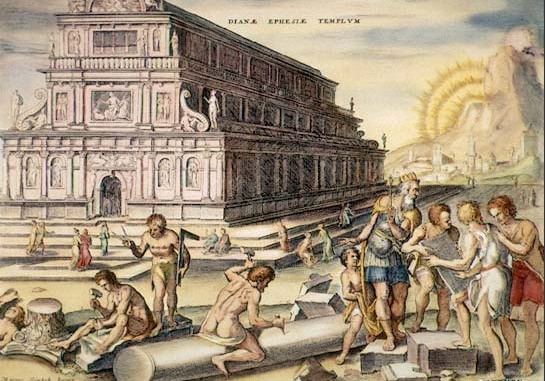
The great temple of Artemis at Heraclitus's home city of Ephesus, where he is said to have deposited his book as a dedication.
Tradition holds Heraclitus deposited his book in this temple of his home city, linking him to Ephesian religious life.
Free Humy account · No credit card · 120,912 sources to read
About this source
What it is
The Temple of Artemis at Ephesus, also called the Artemision, was a major Greek temple dedicated to the goddess Artemis, considered one of the Seven Wonders of the Ancient World. It was destroyed and rebuilt several times across its history, with its final form destroyed in 262 AD. Today only foundations and fragments remain near modern Selçuk, Turkey.
Why it matters
The temple was the religious and political centre of Ephesus, the city where Heraclitus lived. According to tradition, he deposited his book there as a dedication to the goddess, linking him directly to the city's most important religious institution and to the civic and religious life of his home city.
Look closer
- Why might a philosopher choose to dedicate his book to a temple rather than simply keep or circulate it himself?
- What does the temple's repeated destruction and rebuilding tell us about how much it mattered to the people of Ephesus?
- How much of what we 'see' here is reconstruction or imagination rather than the actual ancient building?
This artifact is part of the curated material that grounds the AI version of Heraclitus on Humy.ai — when students ask about related events, the AI can quote it and cite it.
More Heraclitus sources
Browse all 88 →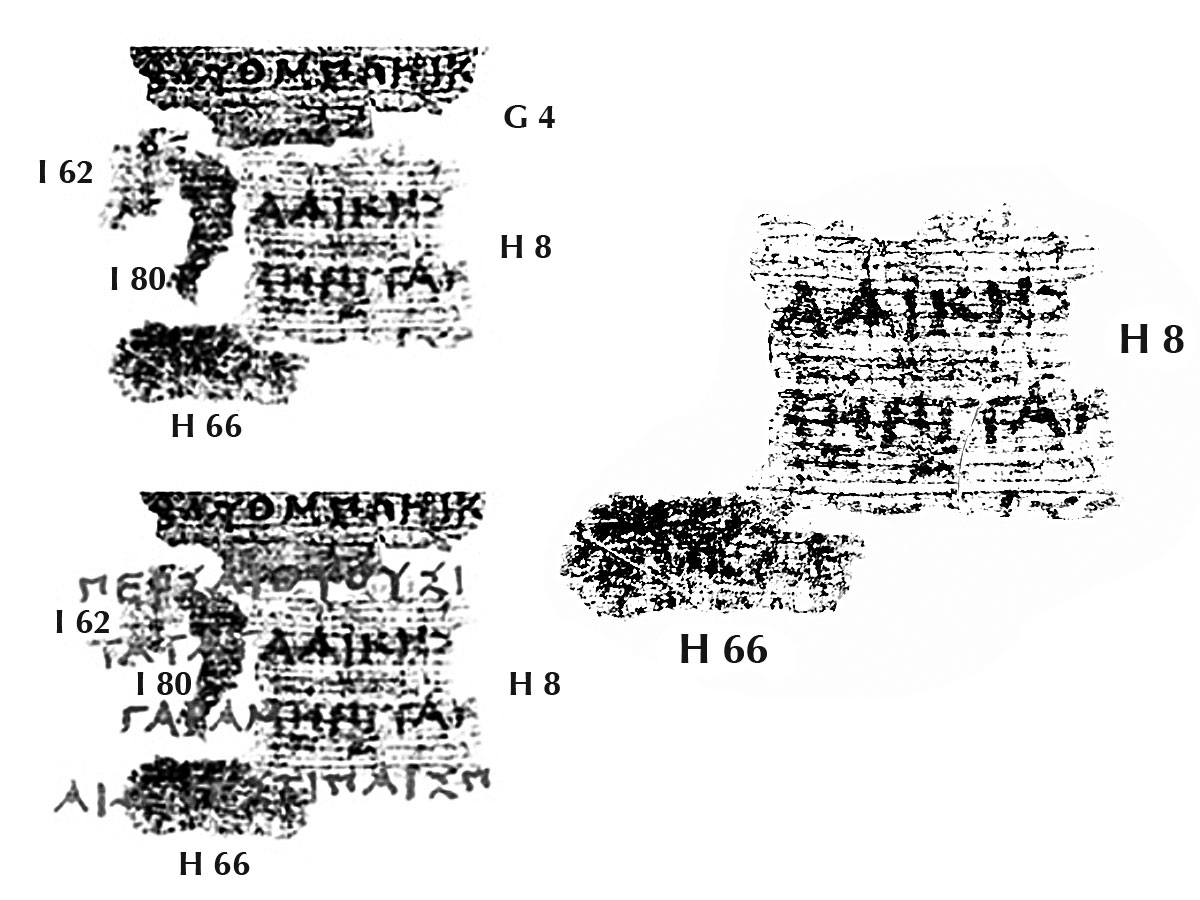 Document
Primary source
Derveni Papyrus, Column IV
Unknown author · 4th century BC
 Book
Secondary source
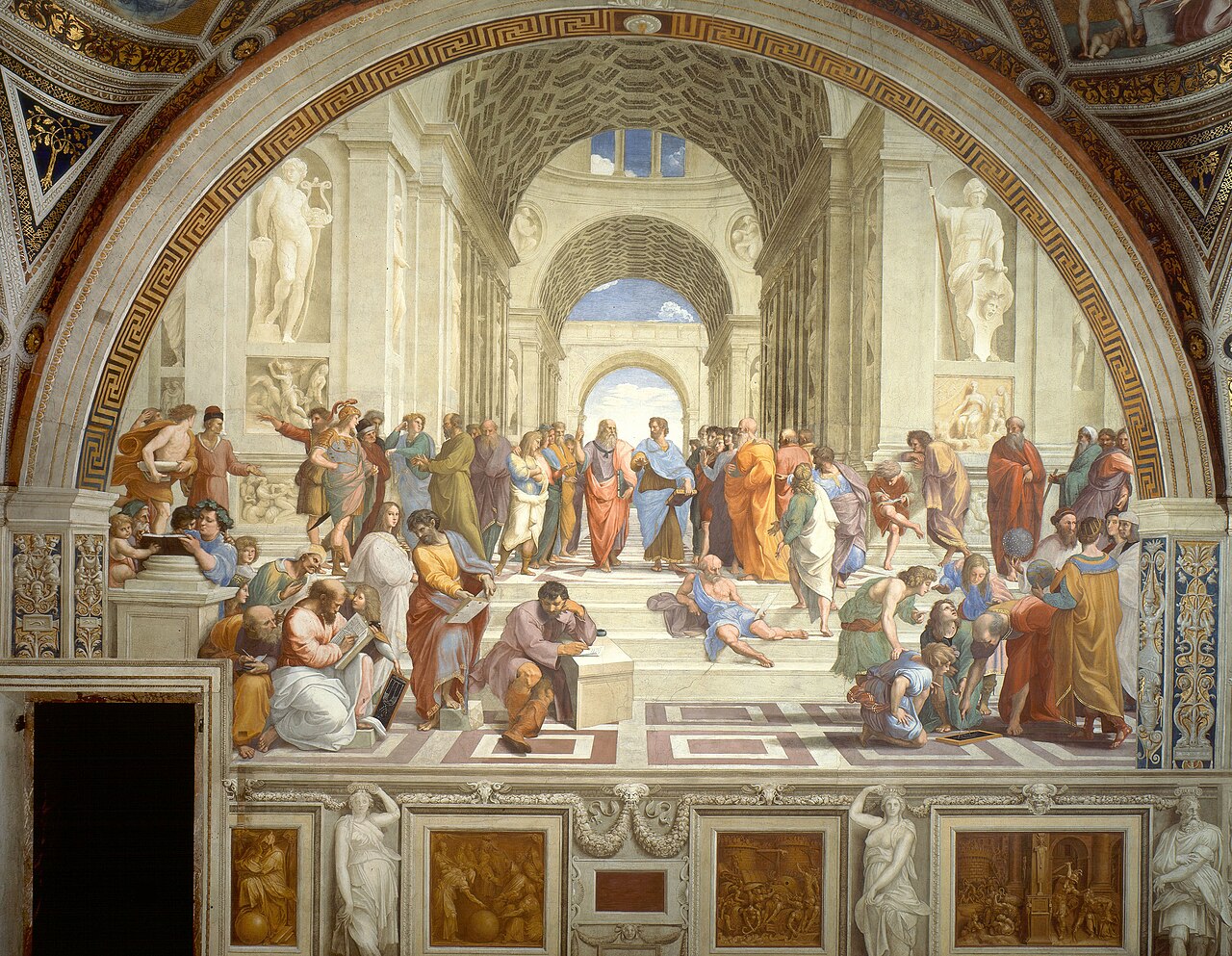
Lives and Opinions of Eminent Philosophers, Book V (Life of Aristotle)
Diogenes Laërtius · c. 3rd century CE
Primary source
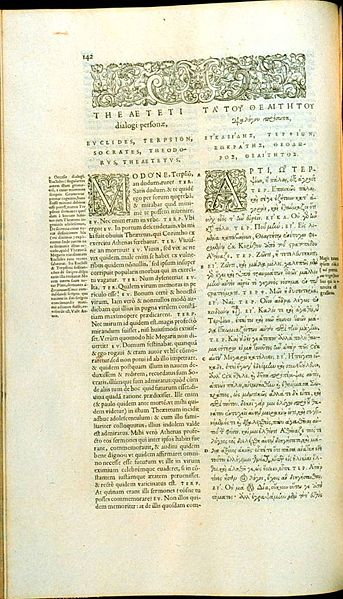
Cratylus
Plato
 Book
Secondary source
Metaphysics
Aristotle · c. 400 BCE
Free account
Read every Heraclitus source
Sign up free →
Ready when you are
Start chatting with Heraclitus now.
20 messages free · No credit card · Available in 50+ languages.