


Primary sourceArtifactc. 510-490 BCE
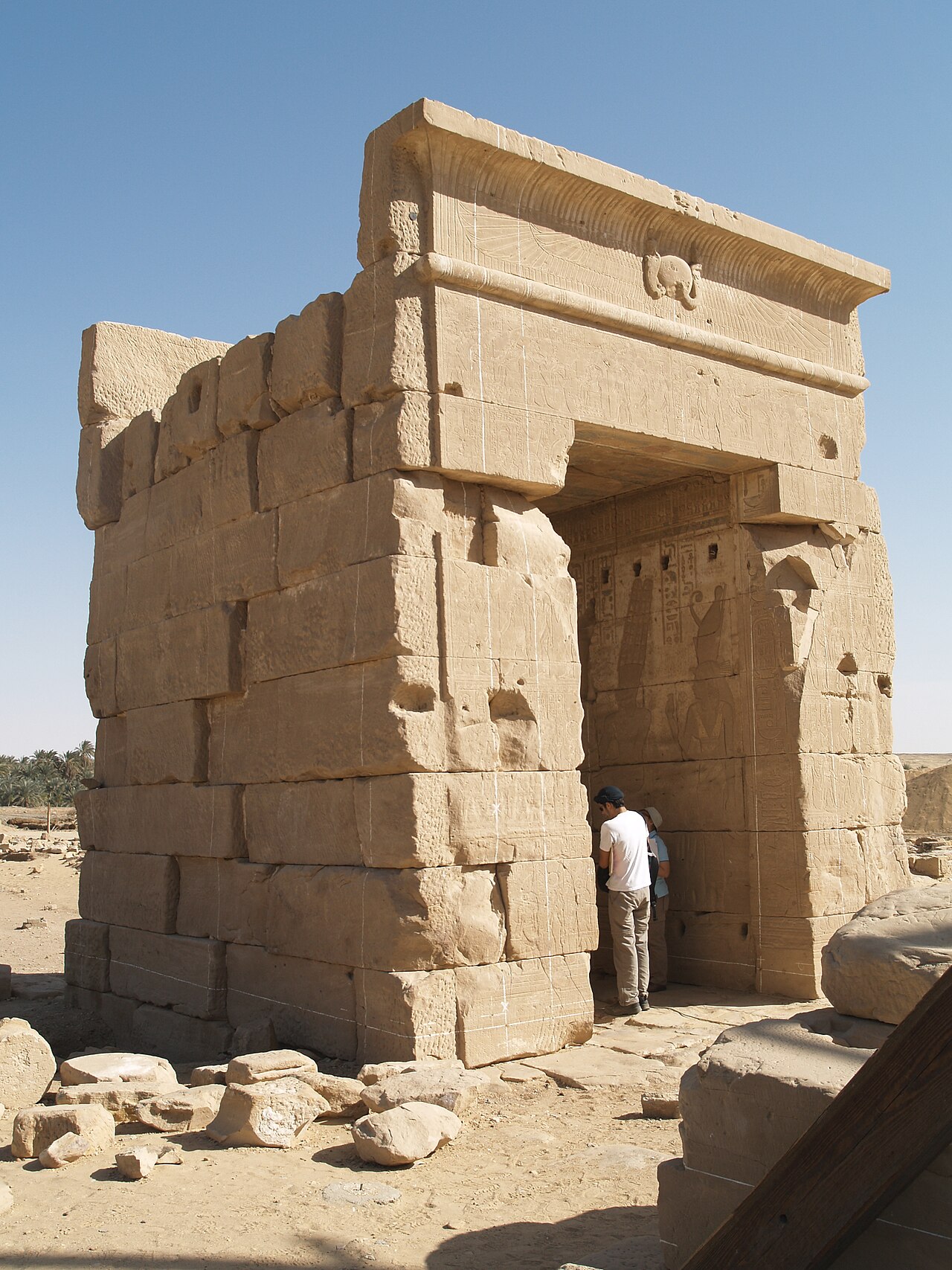
Temple of Hibis
Egyptian builders under Darius I · c. 510-490 BCE
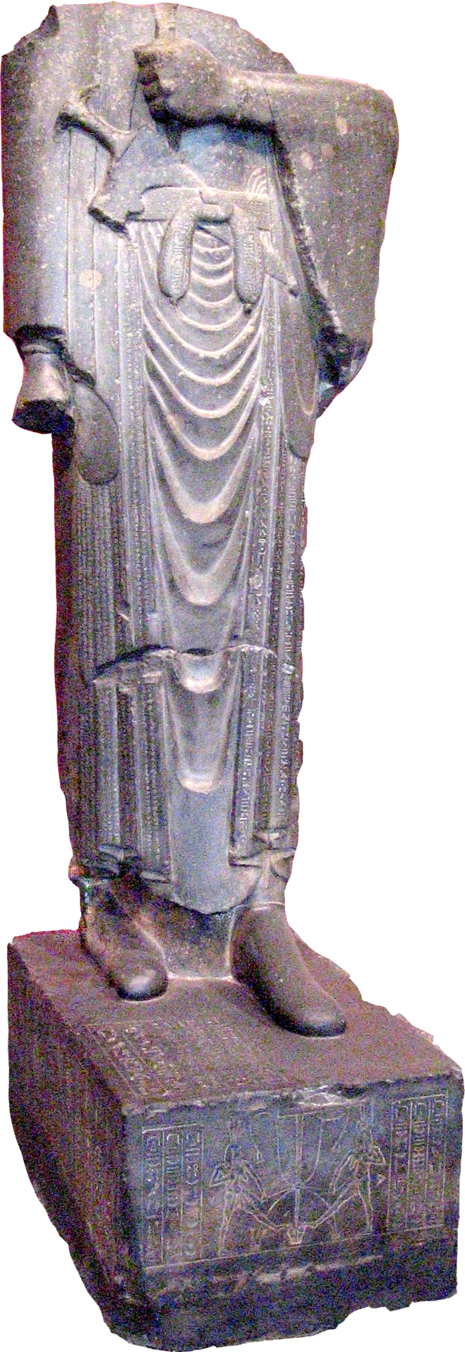
An Egyptian temple in the Kharga Oasis, decorated under Darius I with reliefs showing him as pharaoh making offerings to Egyptian gods.
Darius I commissioned the decoration of this Egyptian temple, shown in its reliefs as a pharaoh offering to local gods.
About this source
What it is
The Temple of Hibis is an Egyptian temple at the Kharga Oasis, built and decorated by Egyptian builders under the Persian emperor Darius I around 510-490 BCE. Its reliefs show Darius depicted as pharaoh, including a scene of him offering lettuces to an Egyptian god.
Why it matters
Like other Egyptian monuments from his reign, the temple shows Darius I presenting himself according to local Egyptian religious tradition rather than Persian custom. This pattern across Egypt reveals a deliberate strategy by the Achaemenid rulers to be accepted as legitimate kings by conquered peoples.
Look closer
- Why might a Persian emperor fund the building and decoration of an Egyptian temple far from Persia?
- What do the images of Darius making offerings suggest about how he wanted Egyptians to see him?
- What questions about daily religious practice in Egypt does this temple leave unanswered?
This artifact is part of the curated material that grounds the AI version of Darius the Great on Humy.ai — when students ask about related events, the AI can quote it and cite it.
More Darius the Great sources
Meet the AI Darius the Great →

Ready when you are
Start chatting with Darius the Great now.
20 messages free · No credit card · Available in 50+ languages.