


Primary sourceArtifactc. 1279-1270 BCE
Temple of Ramesses II at Abydos
Ramesses II · c. 1279-1270 BCE
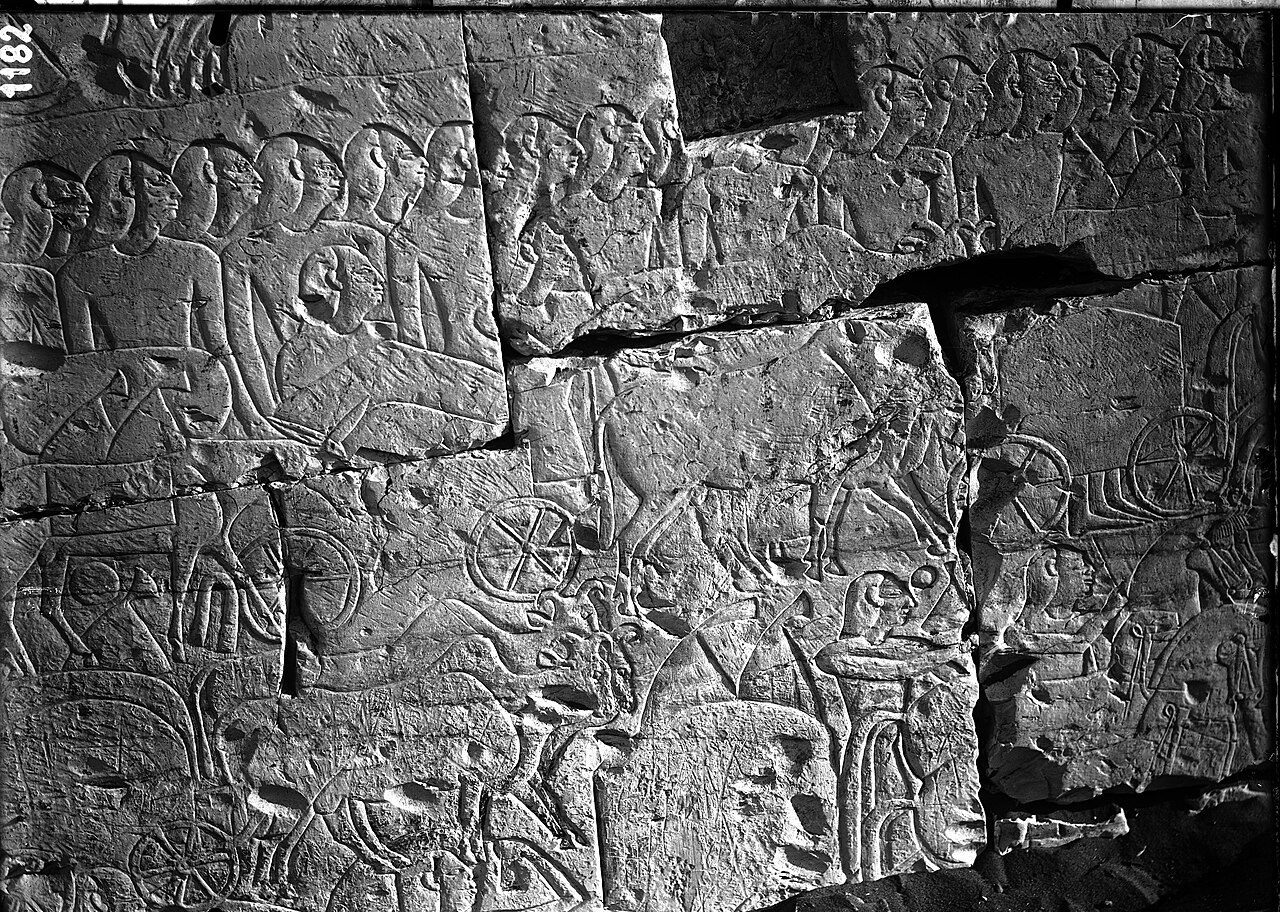
A memorial temple built by Ramesses II at Abydos, decorated with his Kadesh battle reliefs and his own list of earlier kings.
Ramesses II built this memorial temple, which held his own king list and reliefs of his Kadesh campaign.
About this source
What it is
This temple at Abydos, Egypt, was built around the 13th century BCE by Ramesses II. It followed a similar temple built nearby by his father Seti I, and included painted reliefs of his Kadesh campaign and a king list bearing his own throne name. Fragments of that king list were removed in the 19th century and are now in the British Museum.
Why it matters
The temple shows how Ramesses II linked himself to a long line of earlier rulers while also celebrating his own military campaigns. The king list and battle scenes together reveal how he wanted to be remembered: as both a rightful heir to Egypt's kings and a victorious warrior.
Look closer
- Why would a pharaoh want to show a list of earlier kings in his own temple?
- What do the battle scenes emphasise, and what might they leave out?
- Why might later people remove and sell parts of an ancient temple?
This artifact is part of the curated material that grounds the AI version of Ramses II (Ramses the Great) on Humy.ai — when students ask about related events, the AI can quote it and cite it.
More Ramses II (Ramses the Great) sources
Meet the AI Ramses II (Ramses the Great) →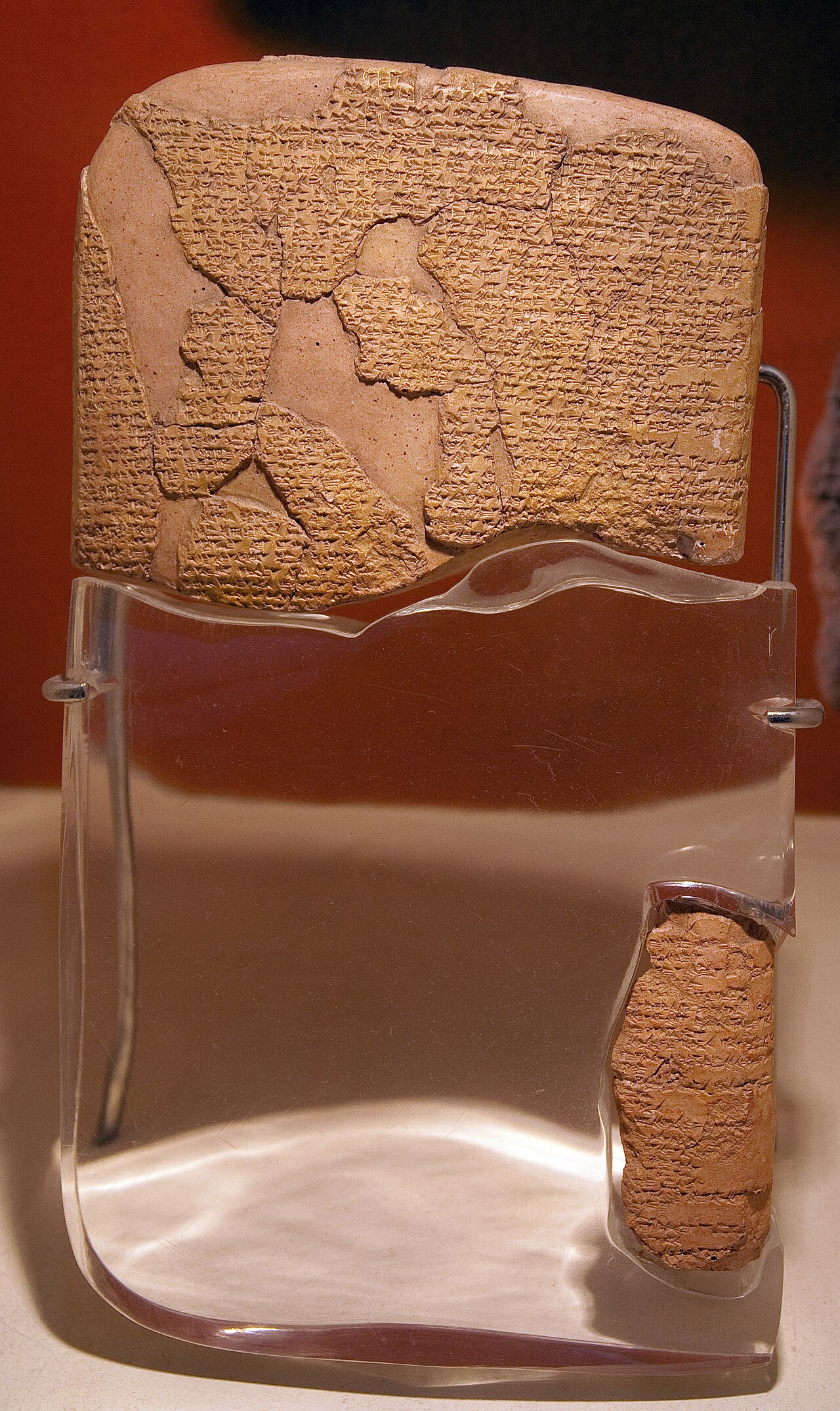 Document
Primary source
Egyptian–Hittite Peace Treaty
c. 1258 BCE
 Photograph
Secondary source
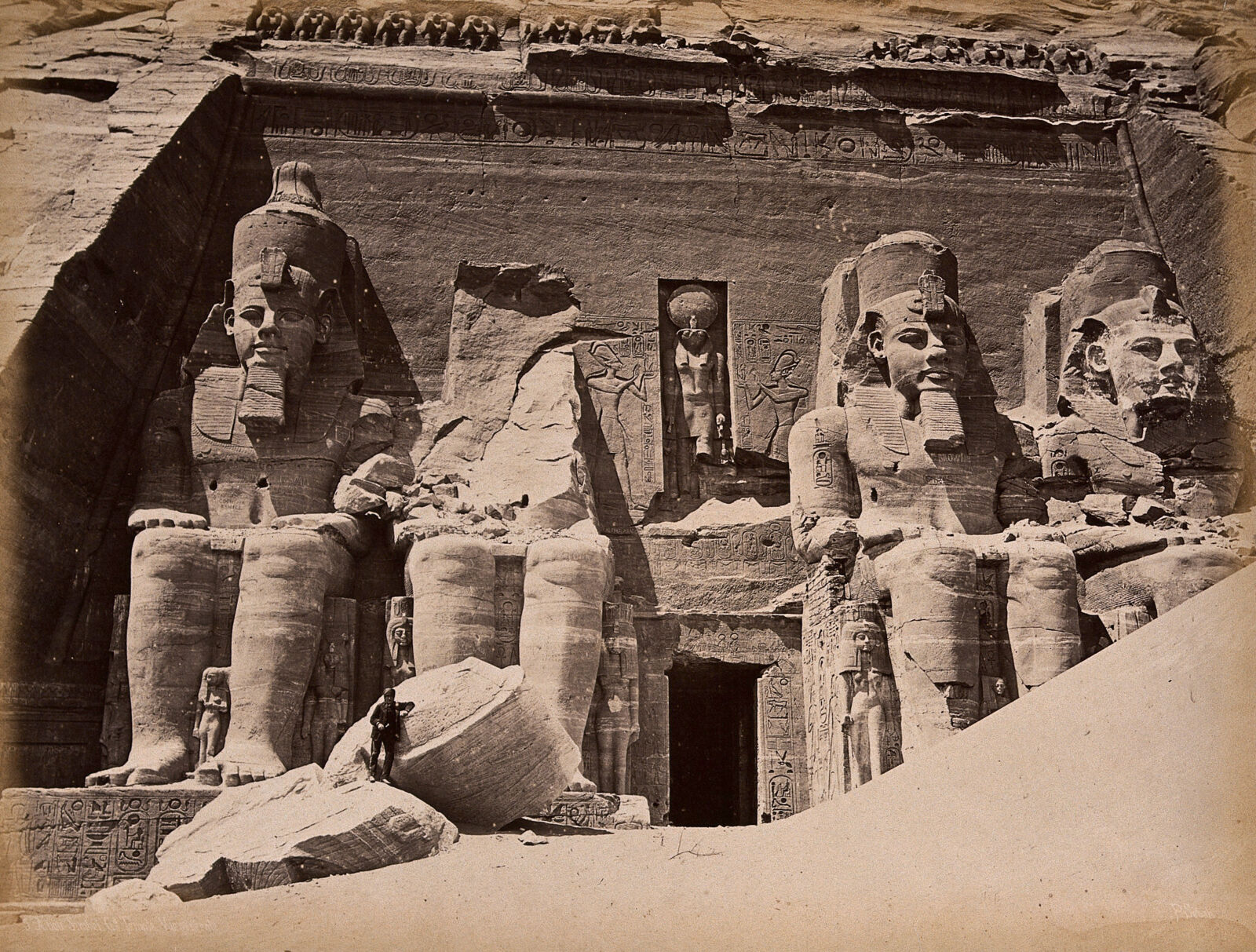
Abu Simbel Temple Colossi
Pascal Sébah · 1875
 Artifact
Primary source
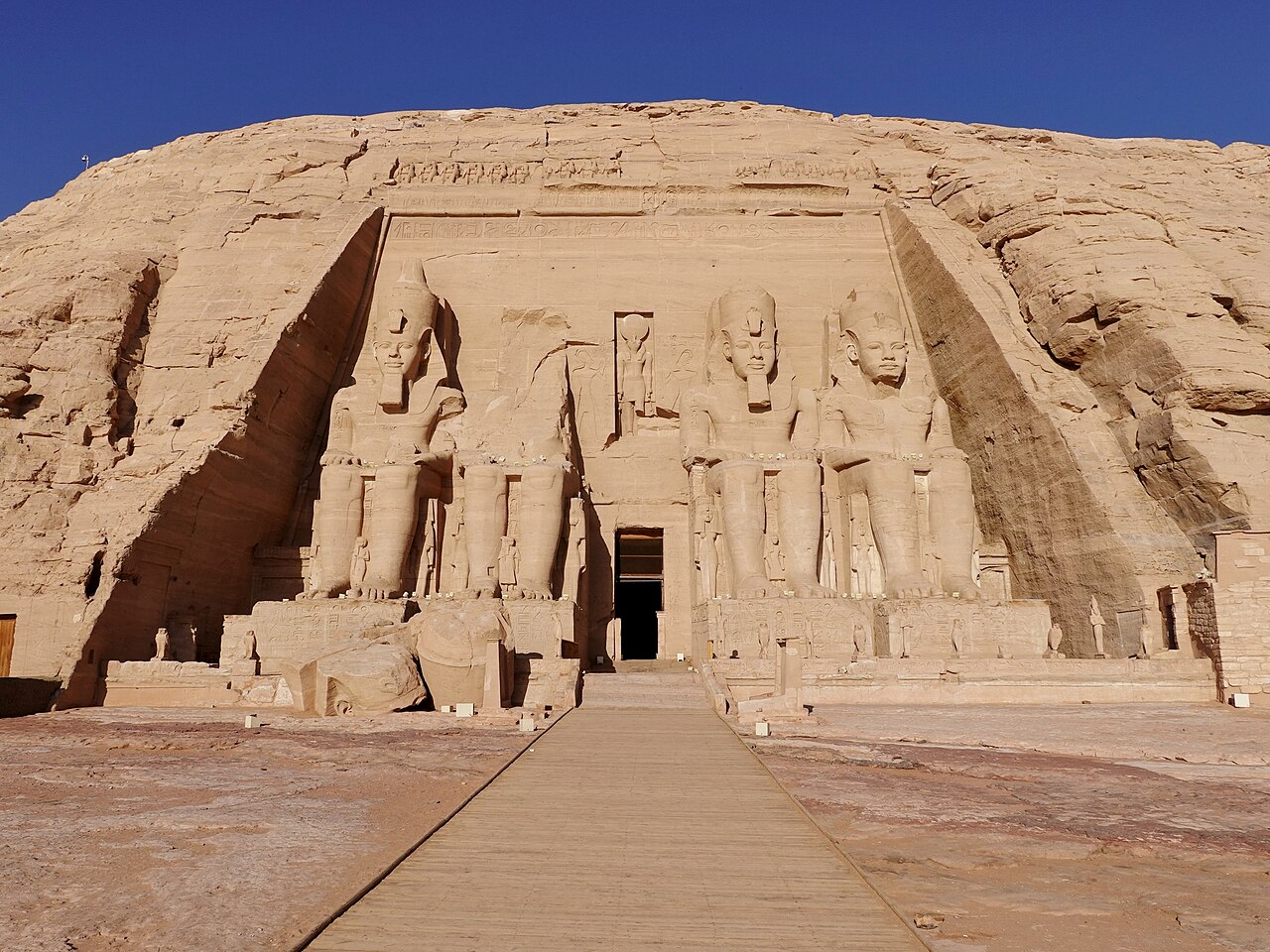
Abu Simbel
Ramesses II · c. 1273 BCE
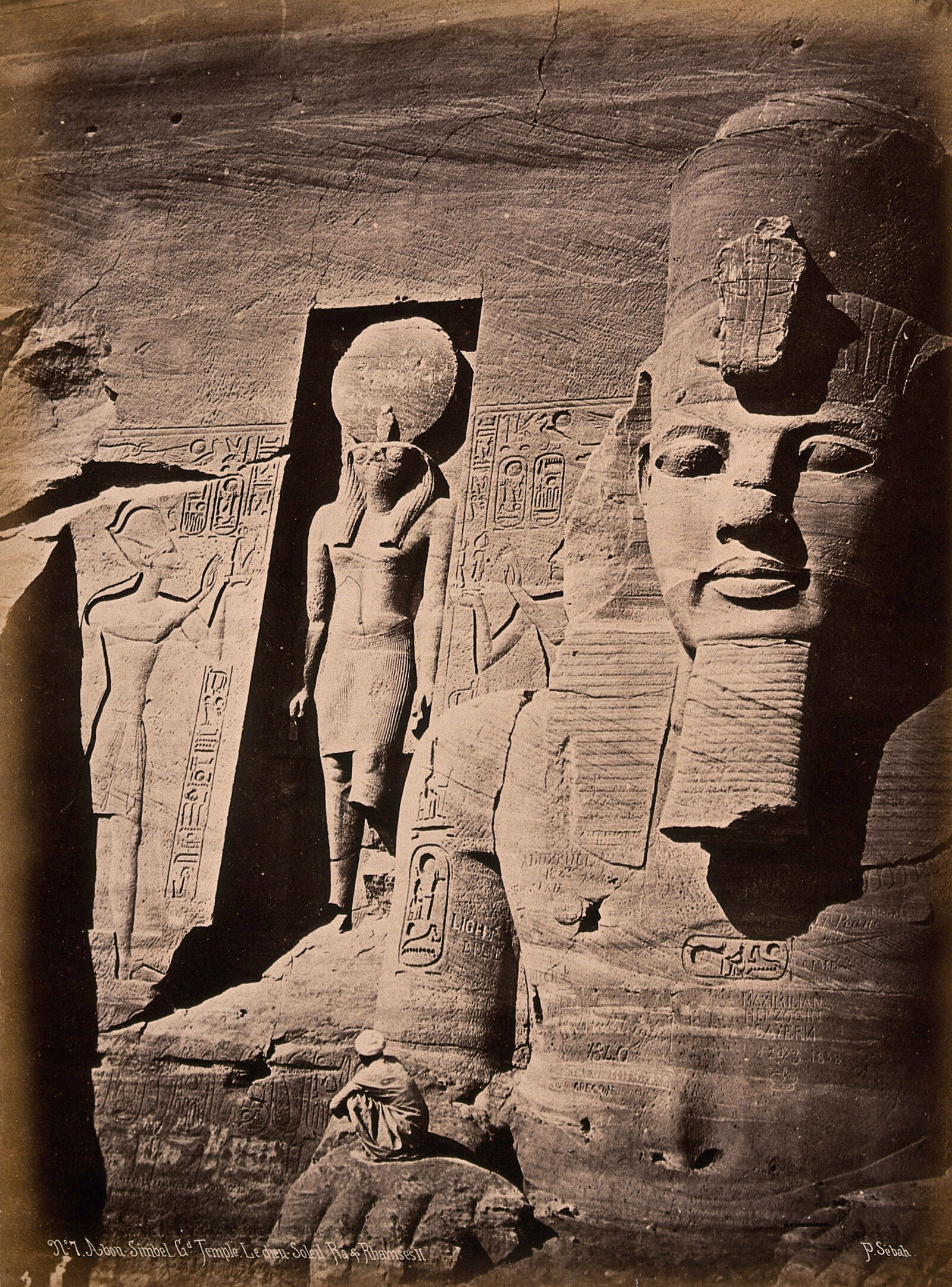 Photograph
Secondary source
Facade Detail of Abu Simbel Showing Ramesses II and Ra
Pascal Sébah · 1875
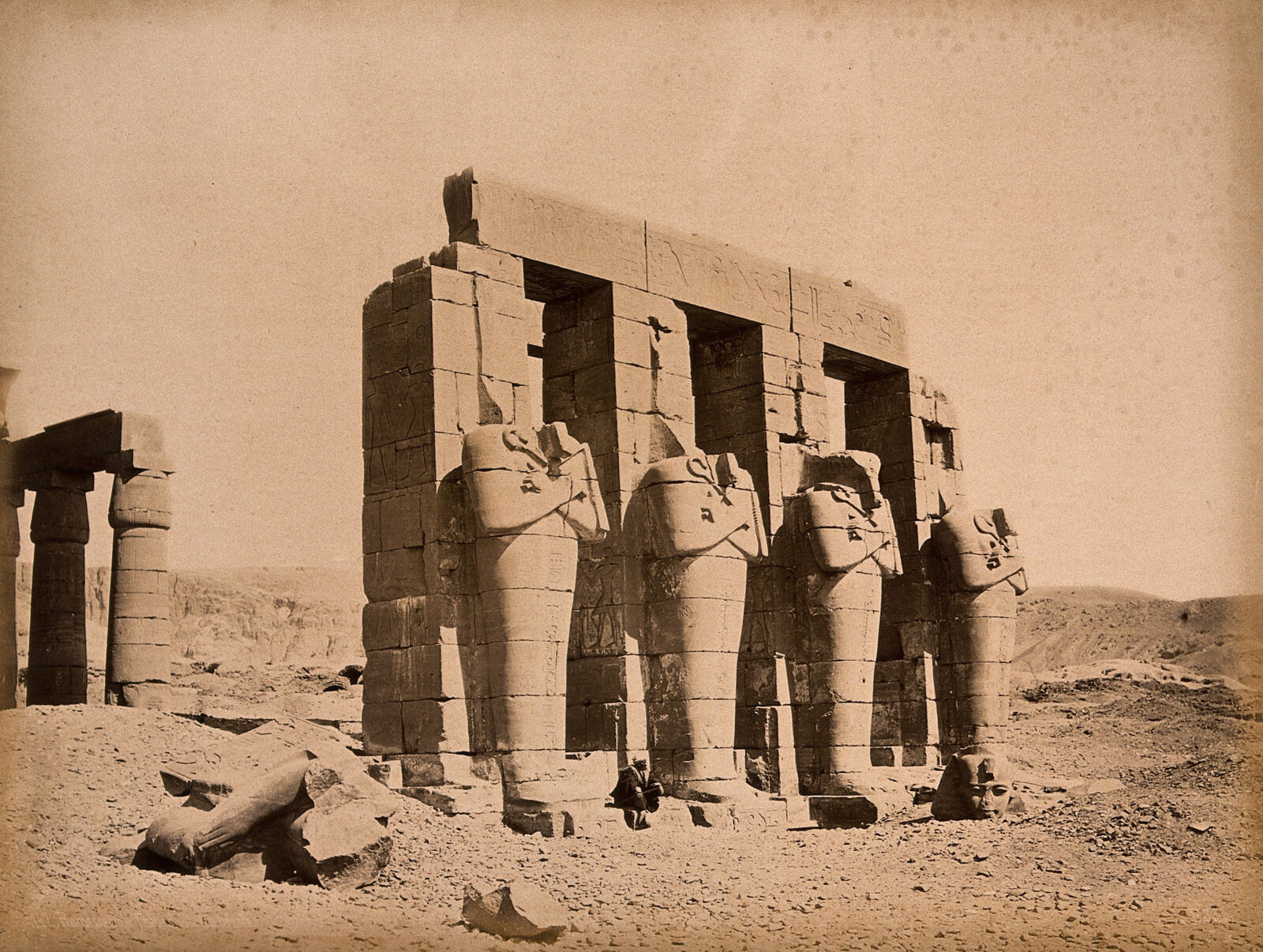 Photograph
Secondary source
Ramesseum Colossi in Ruins
Pascal Sébah · c. 1875
Ready when you are
Start chatting with Ramses II (Ramses the Great) now.
20 messages free · No credit card · Available in 50+ languages.