


Primary sourceArtifact13th century BCE
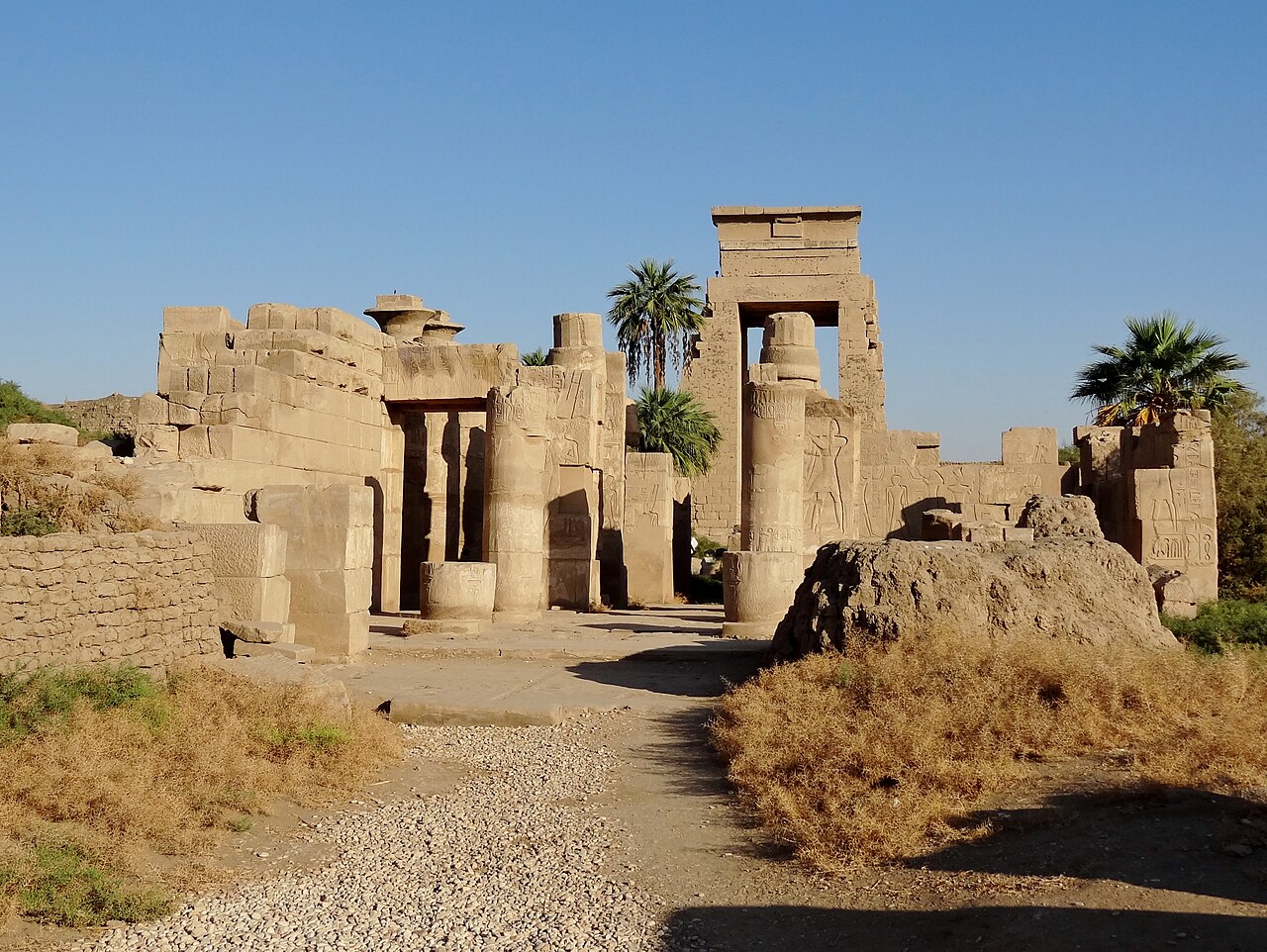
Temple of Ramesses II at Karnak
13th century BCE
A temple built by Ramesses II at Karnak, known as the temple 'of the hearing ear,' where ordinary people could bring petitions.
This temple was commissioned by Ramesses II to let ordinary people bring petitions, showing his religious and political self-presentation.
About this source
What it is
This is a temple built during the reign of Ramesses II, located east of the Amun temple at Karnak, near Luxor, Egypt. Its ruins include sandstone walls, a gateway, and columns carved with reliefs.
Why it matters
Known as the temple 'of the hearing ear,' this building let ordinary people bring petitions and prayers close to the god Amun without entering the main temple. It reveals how Ramesses II presented himself as an intermediary between his people and the gods, strengthening his religious authority as pharaoh.
Look closer
- Why might a king want to be seen as someone who could carry the prayers of ordinary people to the gods?
- What do the carved reliefs on the gateway and columns suggest about the temple's purpose?
- What has been lost from the original temple that we can no longer see in these ruins?
This artifact is part of the curated material that grounds the AI version of Ramses II (Ramses the Great) on Humy.ai — when students ask about related events, the AI can quote it and cite it.
More Ramses II (Ramses the Great) sources
Meet the AI Ramses II (Ramses the Great) →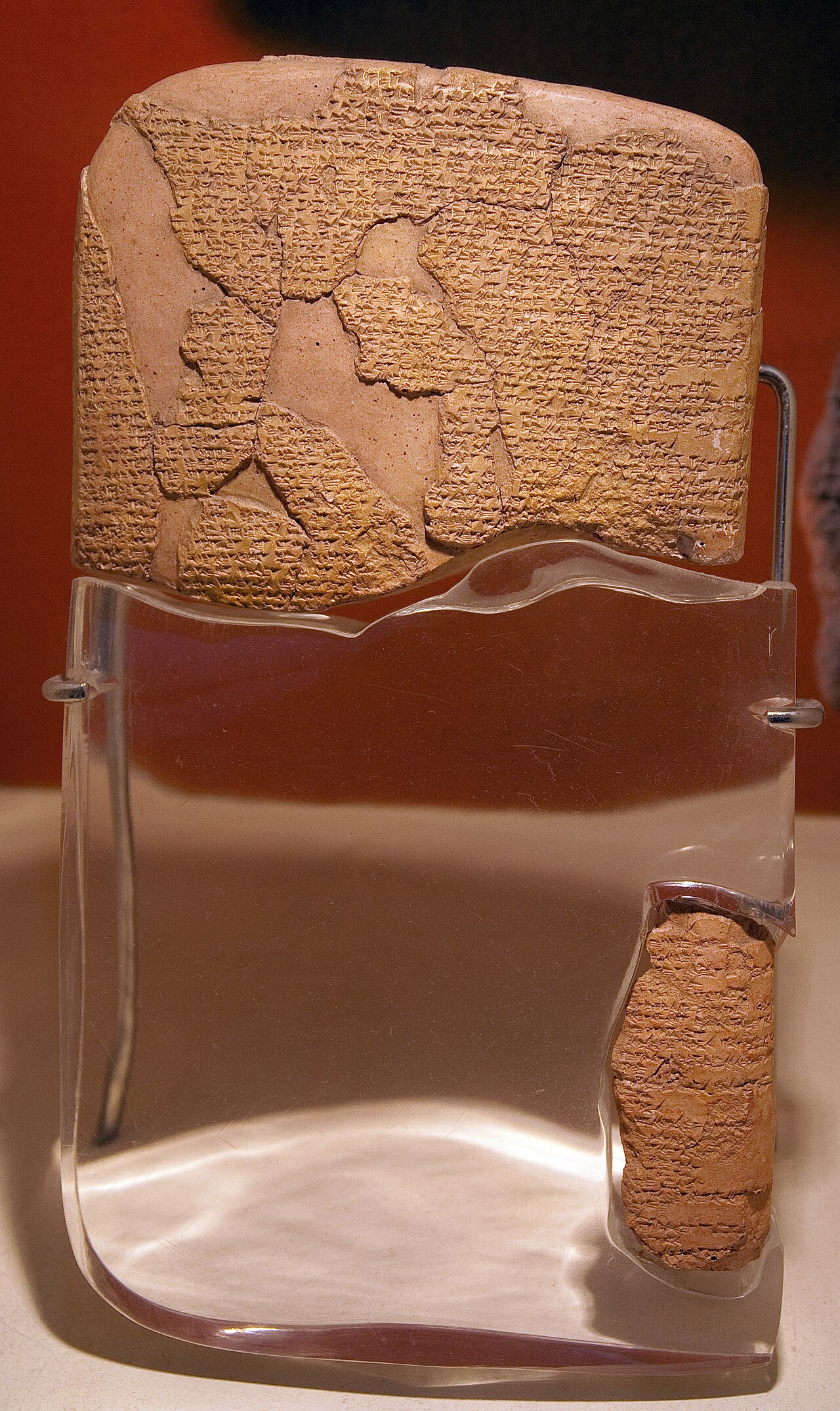 Document
Primary source
Egyptian–Hittite Peace Treaty
c. 1258 BCE
 Photograph
Secondary source
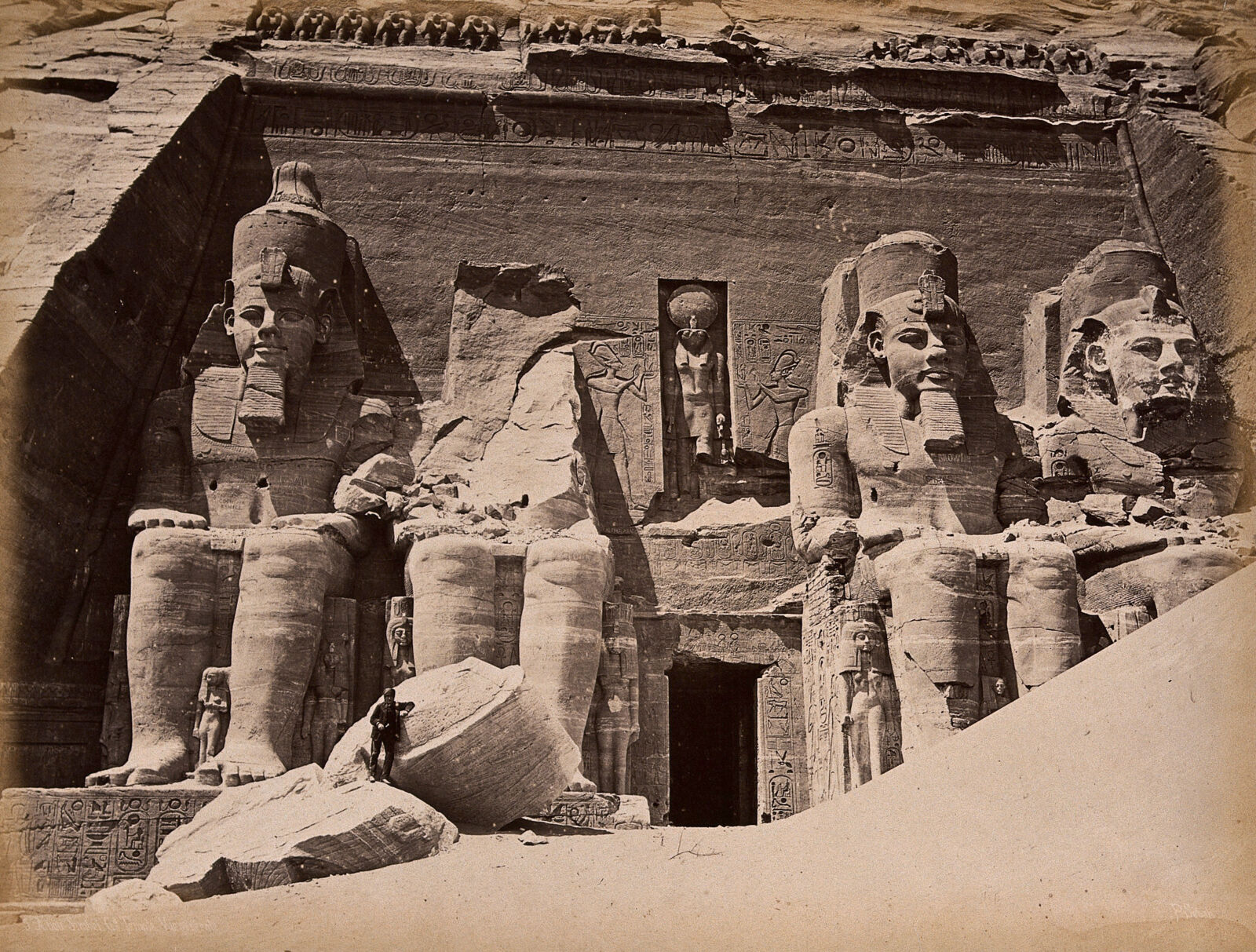
Abu Simbel Temple Colossi
Pascal Sébah · 1875
 Artifact
Primary source
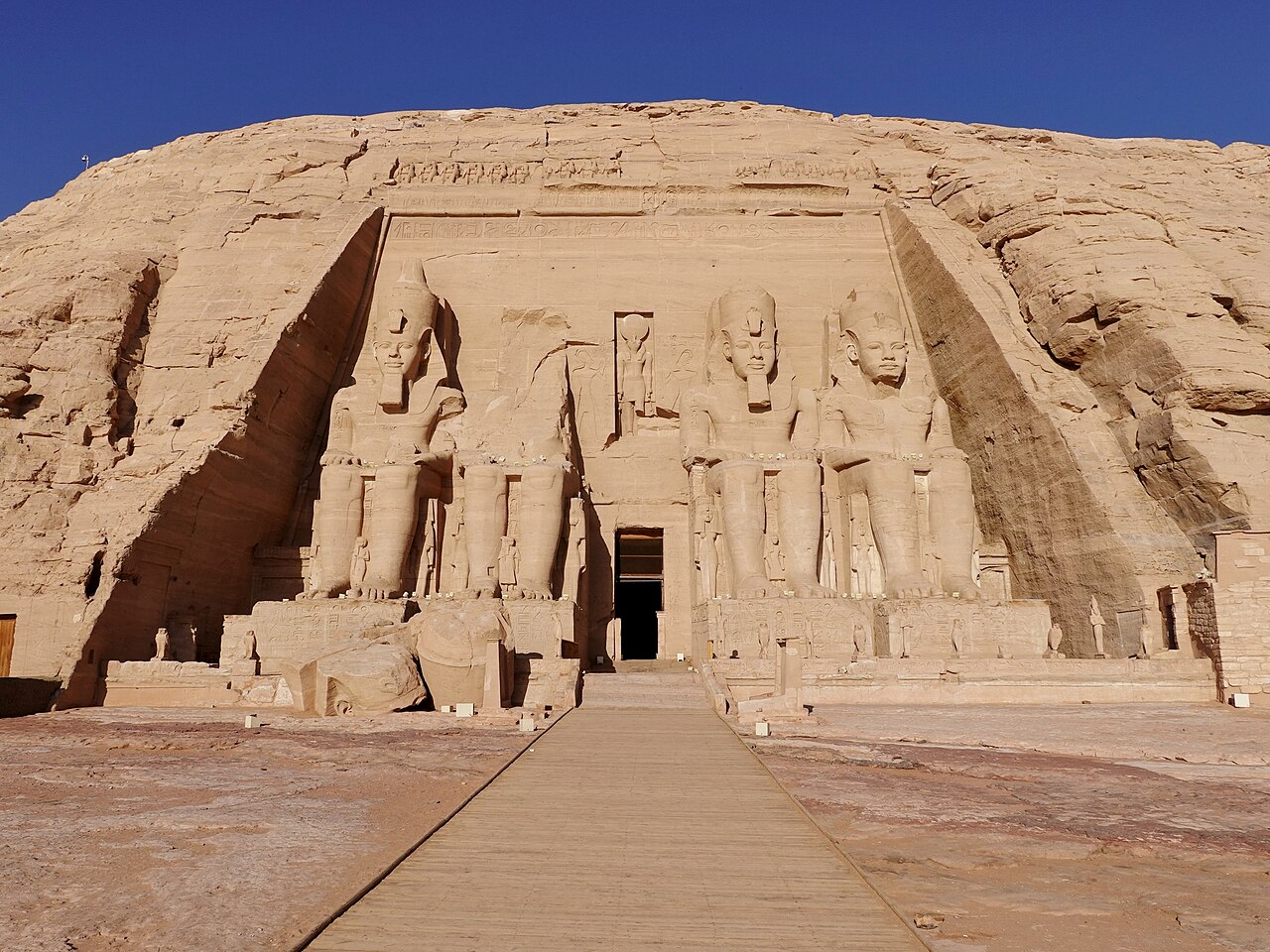
Abu Simbel
Ramesses II · c. 1273 BCE
 Photograph
Secondary source
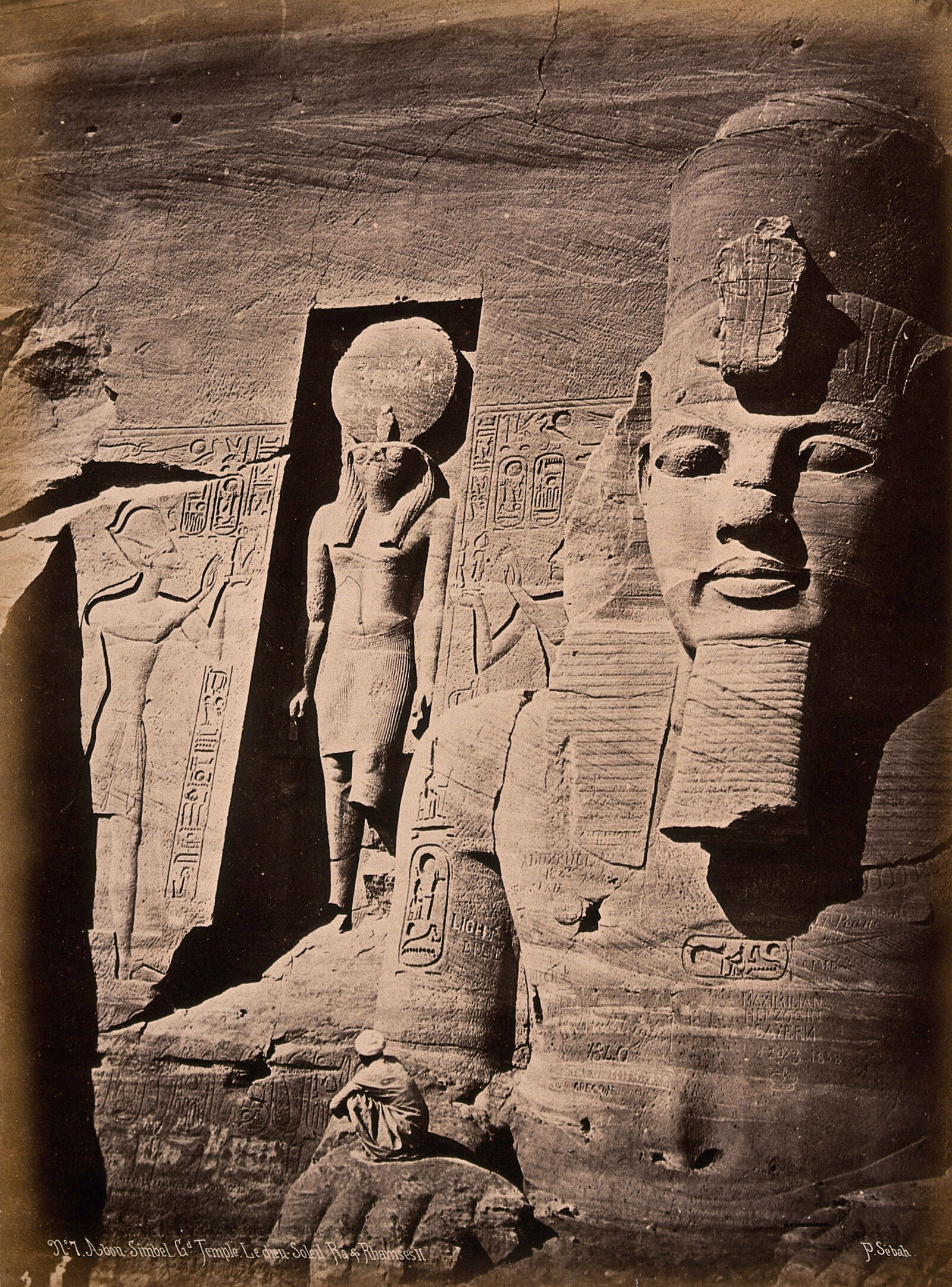
Facade Detail of Abu Simbel Showing Ramesses II and Ra
Pascal Sébah · 1875
 Photograph
Secondary source
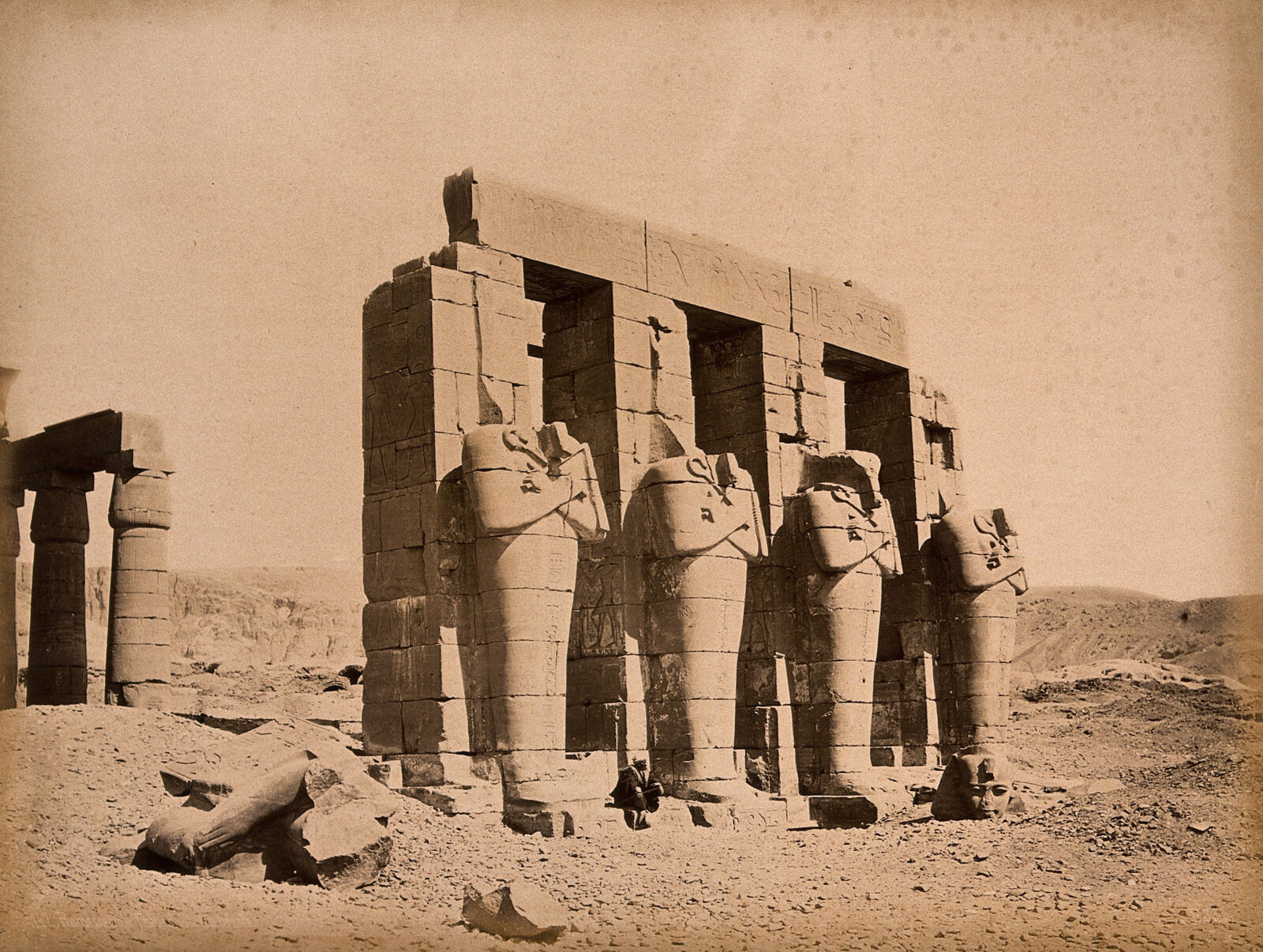
Ramesseum Colossi in Ruins
Pascal Sébah · c. 1875
Ready when you are
Start chatting with Ramses II (Ramses the Great) now.
20 messages free · No credit card · Available in 50+ languages.