


Primary sourceArtifactc. 1250 BCE
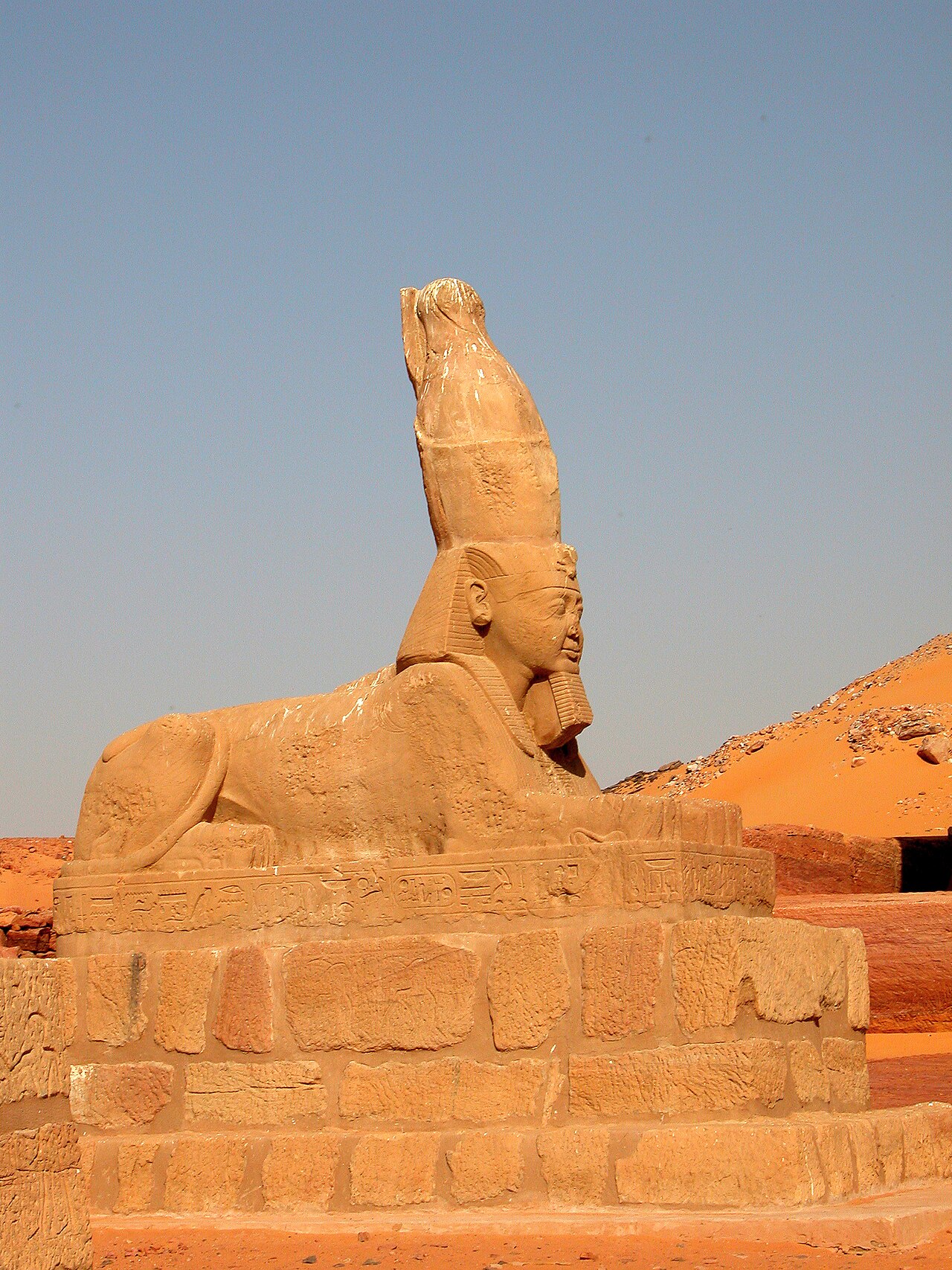
Temple of Wadi es-Sebua
Ramesses II · c. 1250 BCE
A sphinx-lined Nubian temple built for Ramesses II, partly using Nubian captive labour under his viceroy Setau.
This Nubian temple was commissioned by Ramesses II as part of his self-deifying building programme.
About this source
What it is
Wadi es-Sebua, meaning 'Valley of the Lions', is a temple complex in Nubia commissioned by Ramesses II around 1250 BCE. It takes its name from the sphinxes that line the approach to its forecourts. It now stands by Lake Nasser in Egypt.
Why it matters
The temple was overseen by Setau, Ramesses II's viceroy of Nubia, and built partly with Nubian captive labour. It is part of the king's wider programme of monumental building in Nubia, where he presented himself as a god as well as a ruler, projecting Egyptian power over the conquered region.
Look closer
- Why might a pharaoh want sphinxes lining the path to his temple?
- What does the use of captive labour tell us about how such monuments were built?
- Why build temples far from Egypt's traditional heartland, in Nubia?
This artifact is part of the curated material that grounds the AI version of Ramses II (Ramses the Great) on Humy.ai — when students ask about related events, the AI can quote it and cite it.
More Ramses II (Ramses the Great) sources
Meet the AI Ramses II (Ramses the Great) →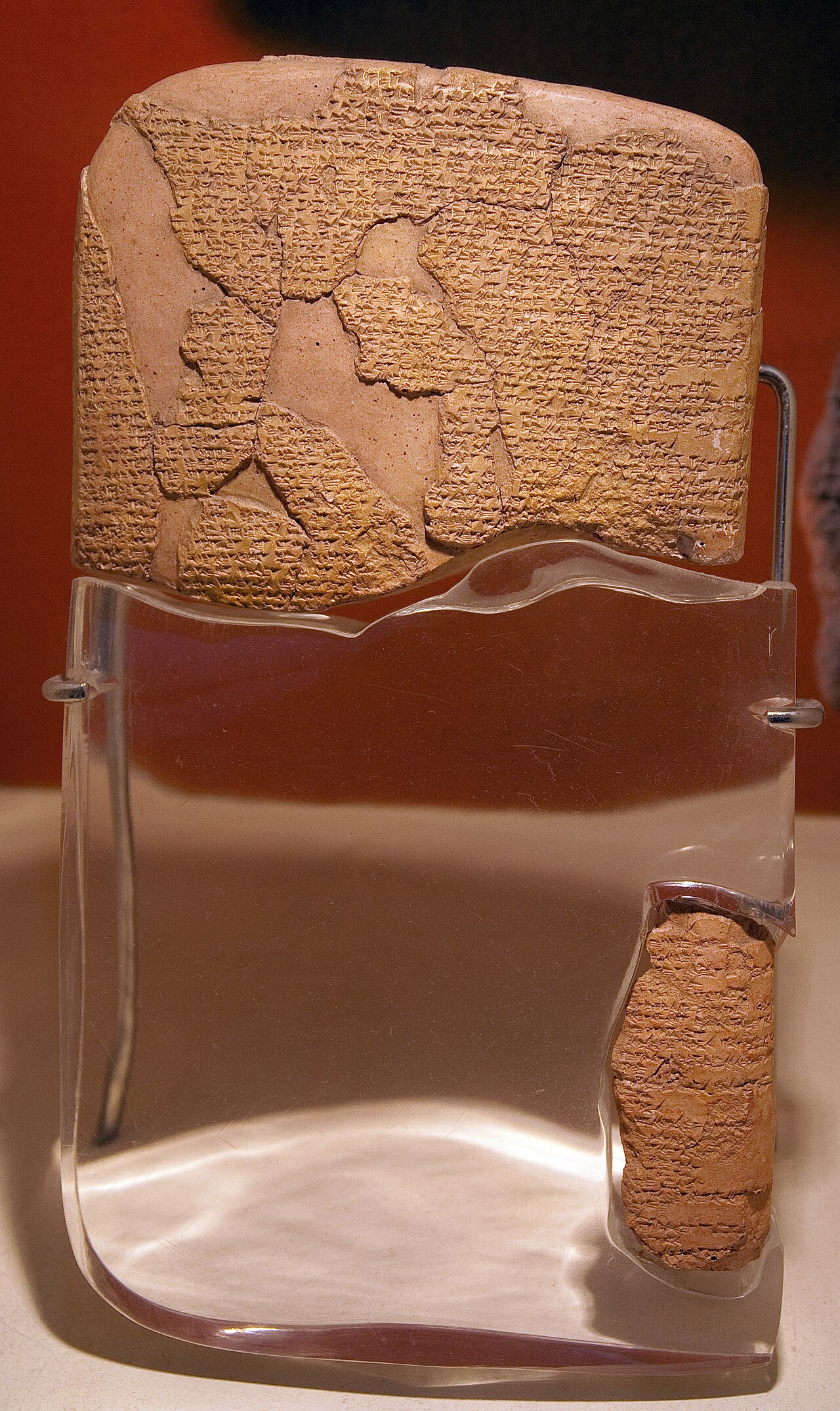 Document
Primary source
Egyptian–Hittite Peace Treaty
c. 1258 BCE
 Photograph
Secondary source
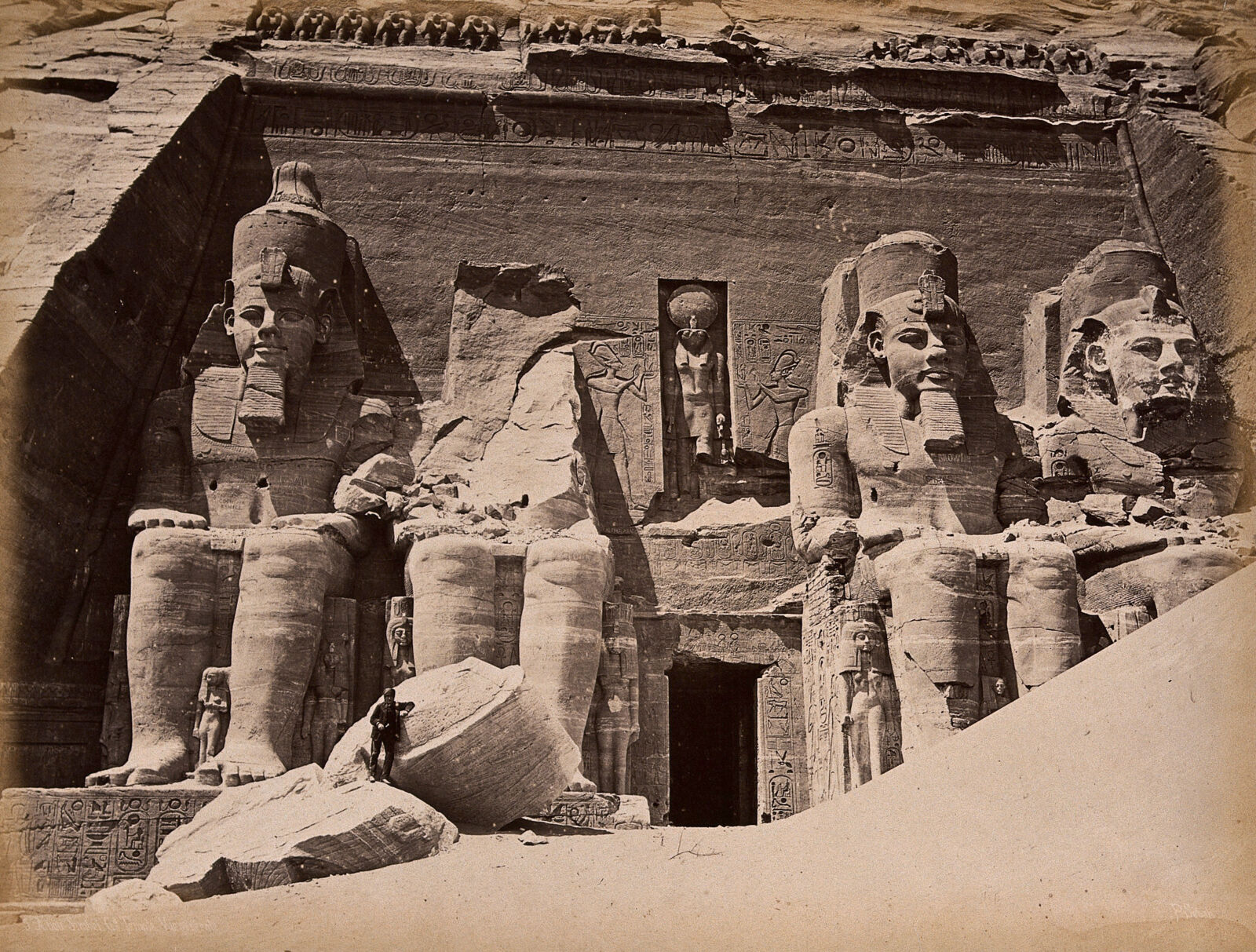
Abu Simbel Temple Colossi
Pascal Sébah · 1875
 Artifact
Primary source
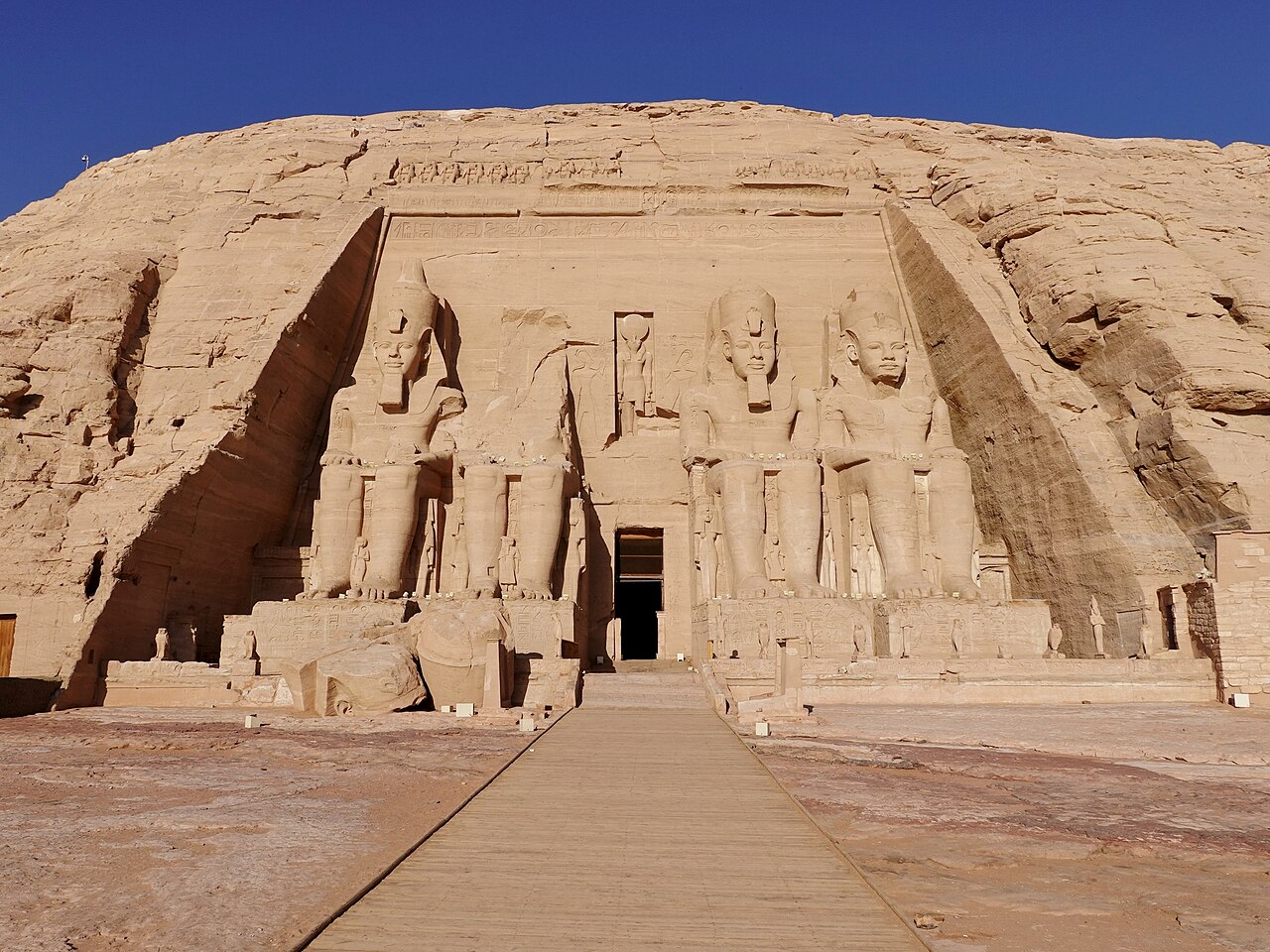
Abu Simbel
Ramesses II · c. 1273 BCE
 Photograph
Secondary source
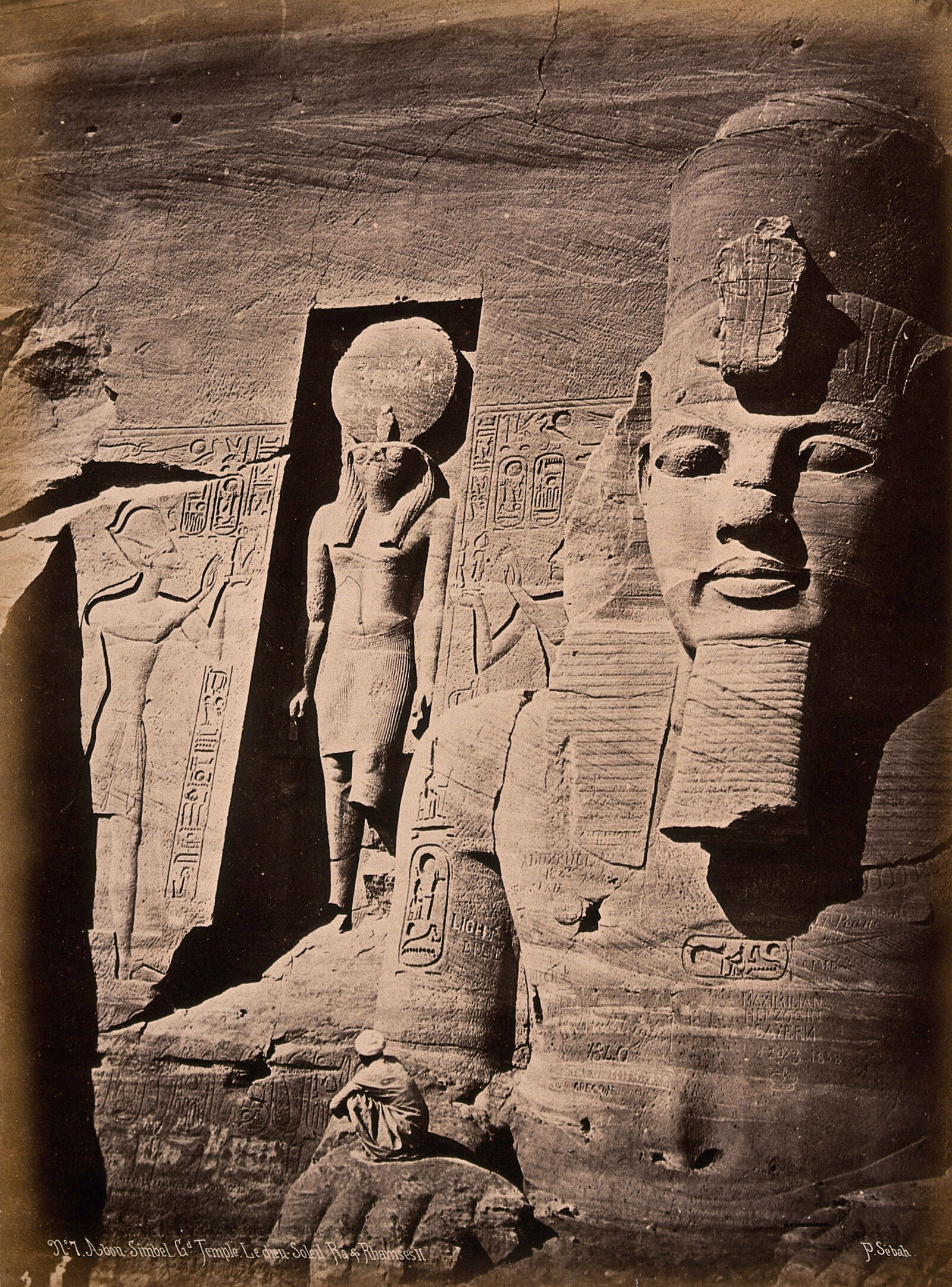
Facade Detail of Abu Simbel Showing Ramesses II and Ra
Pascal Sébah · 1875
 Photograph
Secondary source
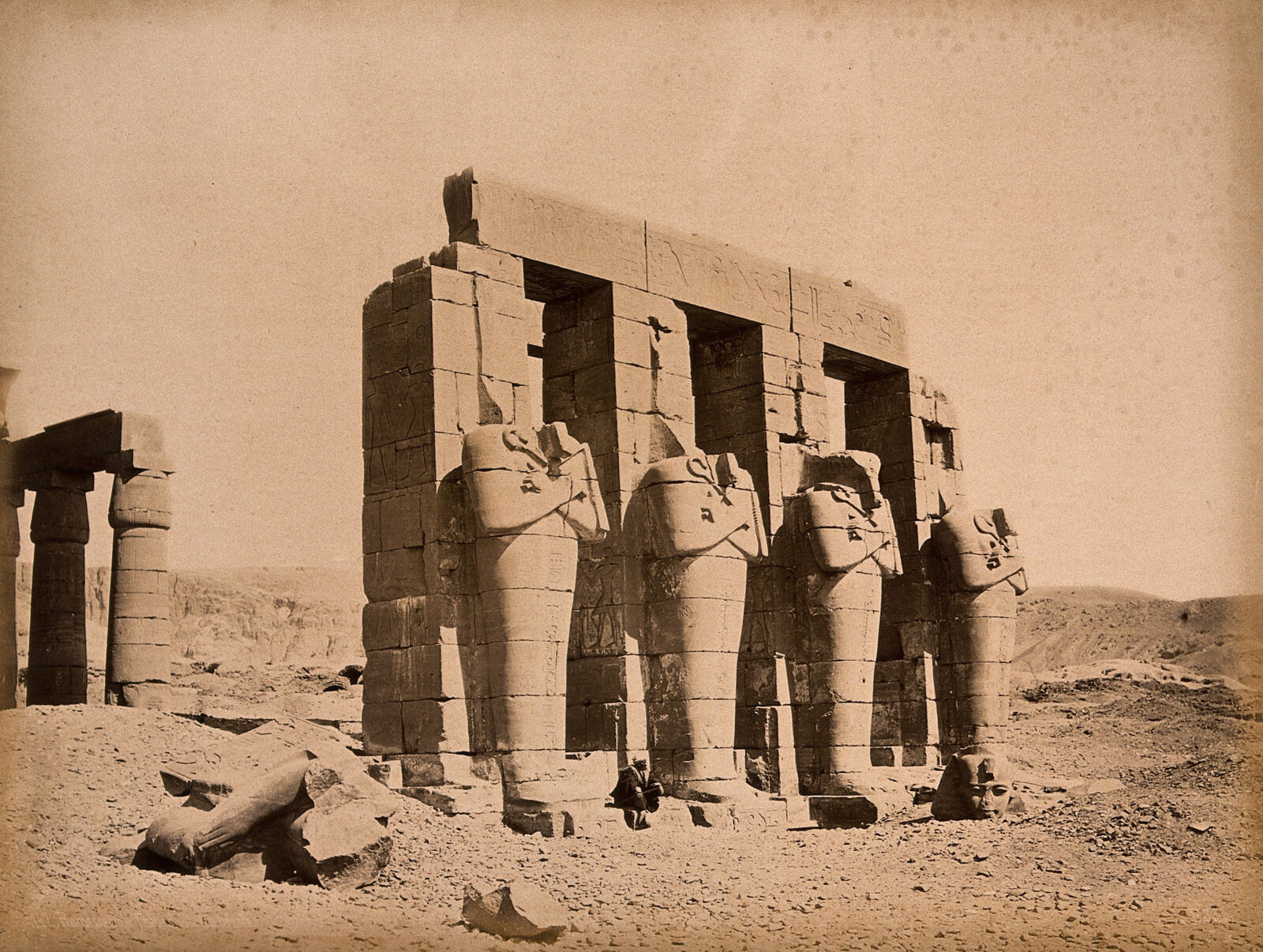
Ramesseum Colossi in Ruins
Pascal Sébah · c. 1875
Ready when you are
Start chatting with Ramses II (Ramses the Great) now.
20 messages free · No credit card · Available in 50+ languages.