


Primary sourceSculpturec. 1507
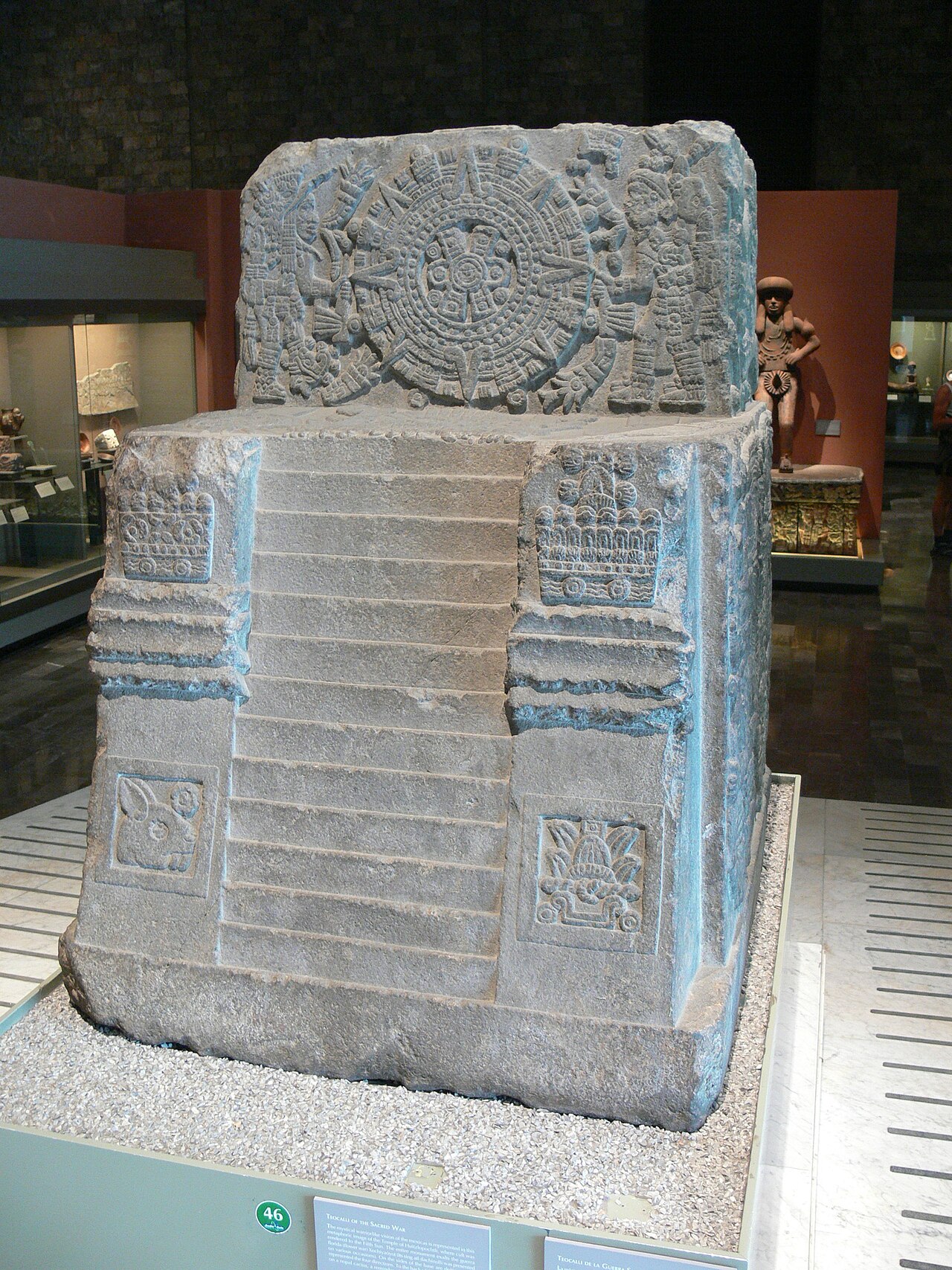
Teocalli of the Sacred War
Mexica sculptors · c. 1507
A stone temple-model carved in Moctezuma II's reign, showing his name glyph beside the god Huitzilopochtli and presenting his rule as sacred warfare.
Moctezuma II commissioned this monument, which links his name glyph to the war god to show his rule as divinely sanctioned.
About this source
What it is
This is a stone carving shaped like a miniature temple, made by Mexica sculptors around 1507 during the reign of Moctezuma II. It was buried in the foundations of the National Palace in Mexico City, found in 1831, and finally removed in the 1920s. It is now kept at the Museo Nacional de Antropología in Mexico City.
Why it matters
The carving links Moctezuma's own name glyph to the god Huitzilopochtli, presenting his rule as approved by the gods and tied to holy war. It is one of the clearest surviving monuments that the ruler himself commissioned, showing how Aztec rulers used art to show their power came from religion as well as conquest.
Look closer
- Why would a ruler want his name carved next to a god?
- What does the temple shape tell us about how the Aztecs saw religion and government as connected?
- What might this monument leave out about ordinary people's lives?
This sculpture is part of the curated material that grounds the AI version of Montezuma II on Humy.ai — when students ask about related events, the AI can quote it and cite it.
More Montezuma II sources
Meet the AI Montezuma II →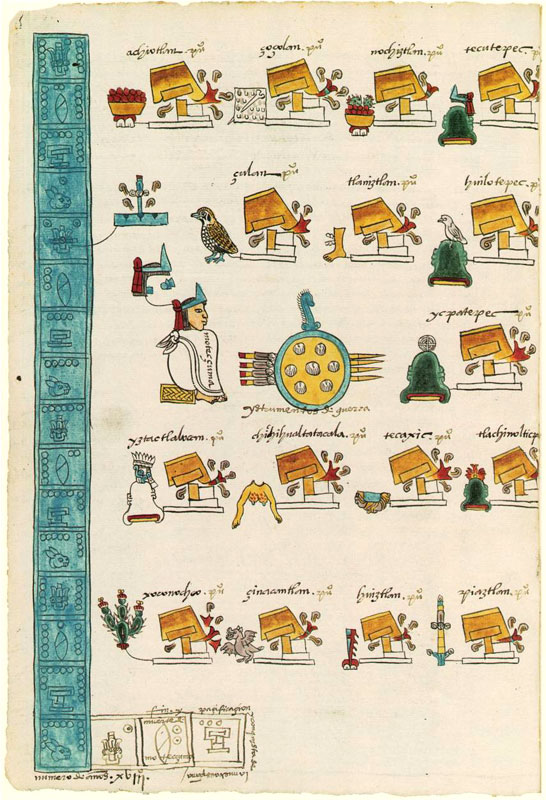 Document
Secondary source
Codex Mendoza, Folio 15v
Unknown author · 16th century
 Painting
Secondary source
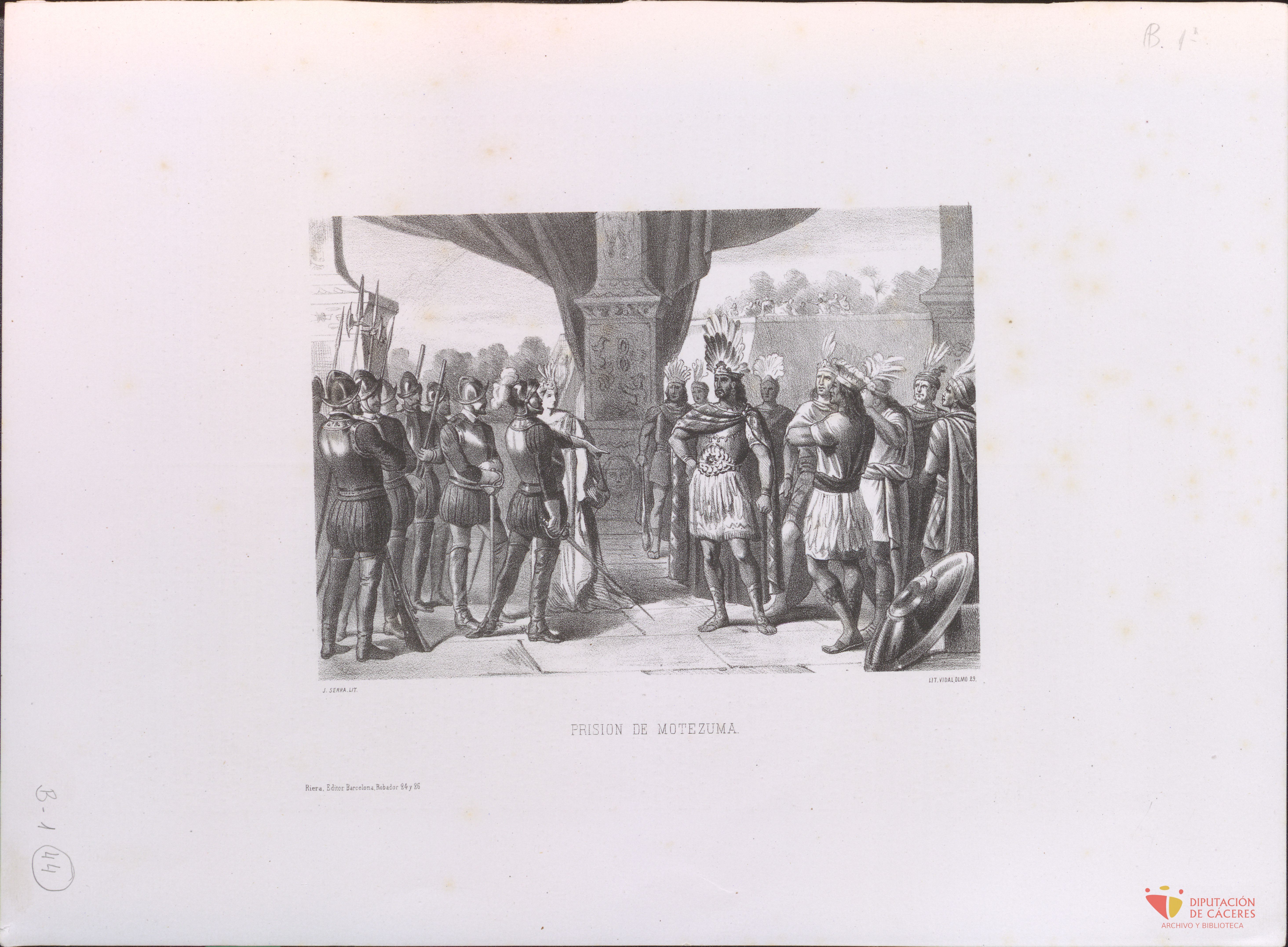
Prisión del emperador Moctezuma
Rafael del Castillo de la Cuesta · 1880
 Book
Secondary source
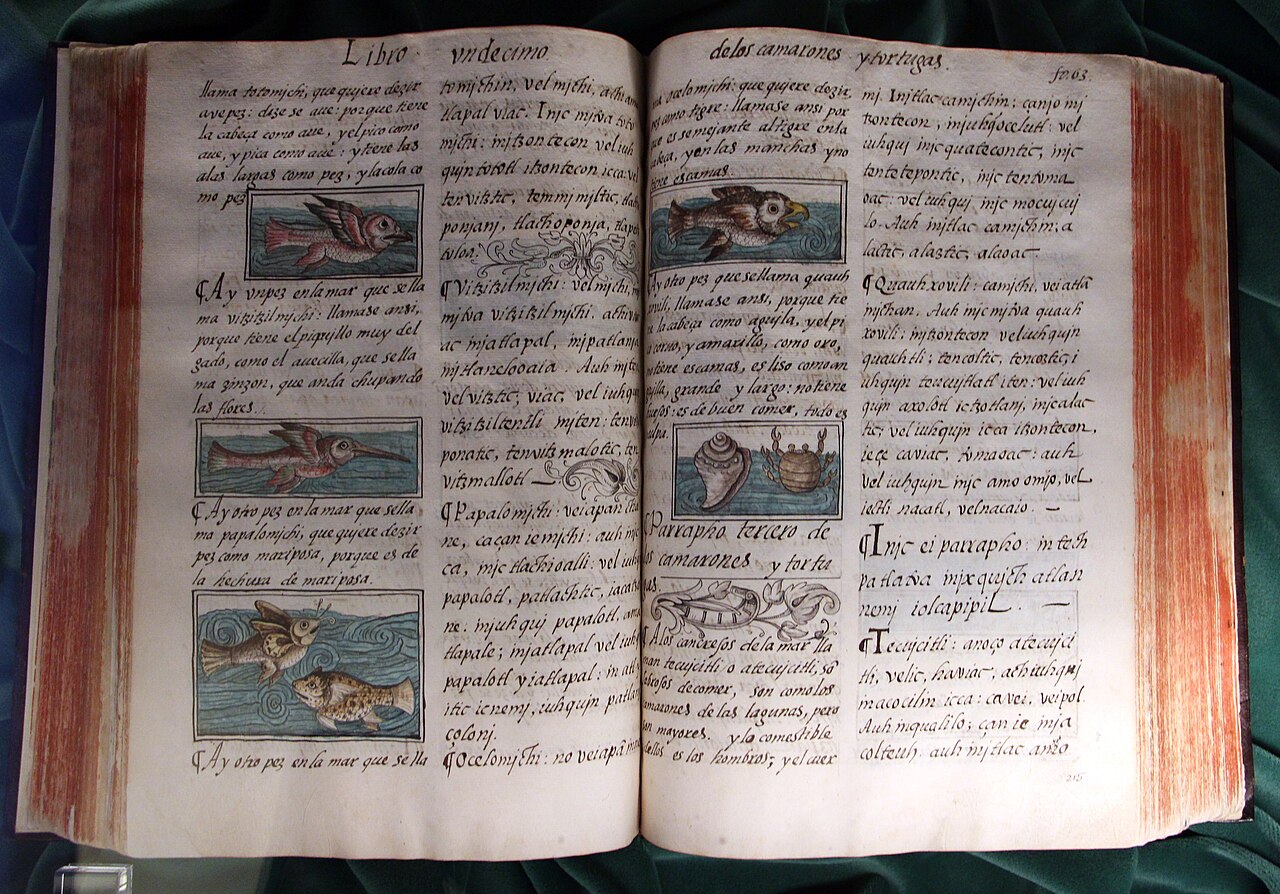
Florentine Codex
Bernardino de Sahagún with Nahua collaborators · 1569
 Painting
Secondary source
Hernán Cortés takes Moctezuma prisoner
Louis Auguste Turgis · 1895
 Letter
Primary source
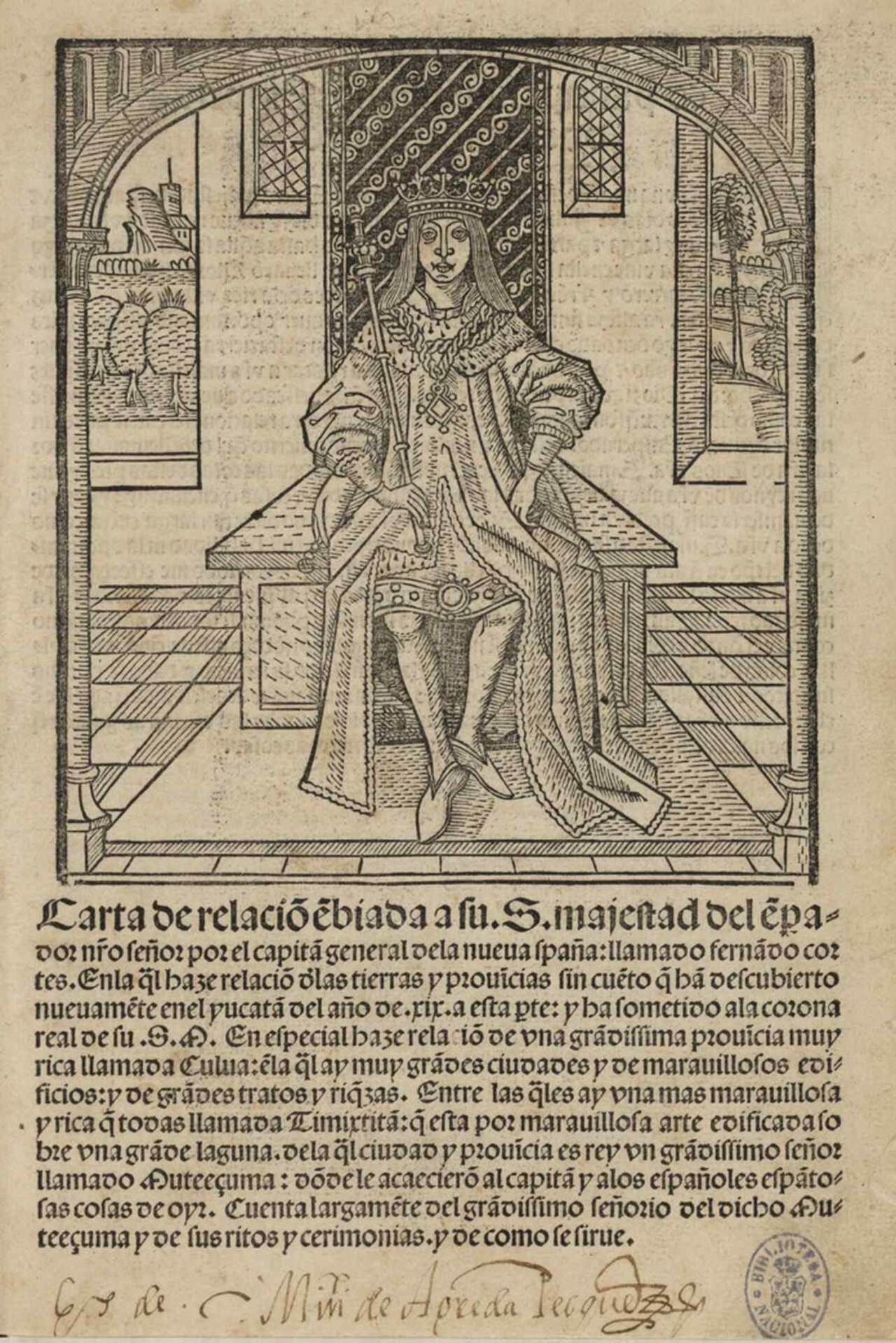
Second Letter to Charles V
Hernán Cortés · 1520 (printed 1522)
Ready when you are
Start chatting with Montezuma II now.
20 messages free · No credit card · Available in 50+ languages.