


Secondary sourceBook1919
The Aesop for Children
Aesop (fables); Milo Winter (illustrations) · 1919
A 1919 American children's collection of Aesop's fables with pictures by Milo Winter, heard here as a LibriVox volunteer's audio reading. It connects to Aesop through the fables attributed to him.
This later children's edition presents fables credited to Aesop, showing how his stories were retold for young readers in 1919.
Free Humy account · No credit card · 120,912 sources to read
About this source
What it is
This is an audio recording of The Aesop for Children, a collection of Aesop's fables published in 1919 by Rand McNally & Company in Chicago, with pictures by Milo Winter. The recording is a reading by a LibriVox volunteer, made recently and dedicated to the public domain. It is not Aesop's own voice. It is a later American adaptation of fables attributed to the ancient Greek storyteller.
Why it matters
Children's collections of fables were a major way that Aesop's stories reached new generations of readers. The fables are short and usually end with a moral, which made them useful for teaching young people. This version shows how an American publisher and illustrator shaped these old tales for children in the early twentieth century.
Look closer
- How might a volunteer's reading change the way a fable sounds compared with a printed page?
- Who chose which fables to include, and why might a 1919 children's edition have picked these?
- What might this simplified children's version leave out of the older tales?
This book is part of the curated material that grounds the AI version of Aesop on Humy.ai — when students ask about related events, the AI can quote it and cite it.
More Aesop sources
Browse all 85 →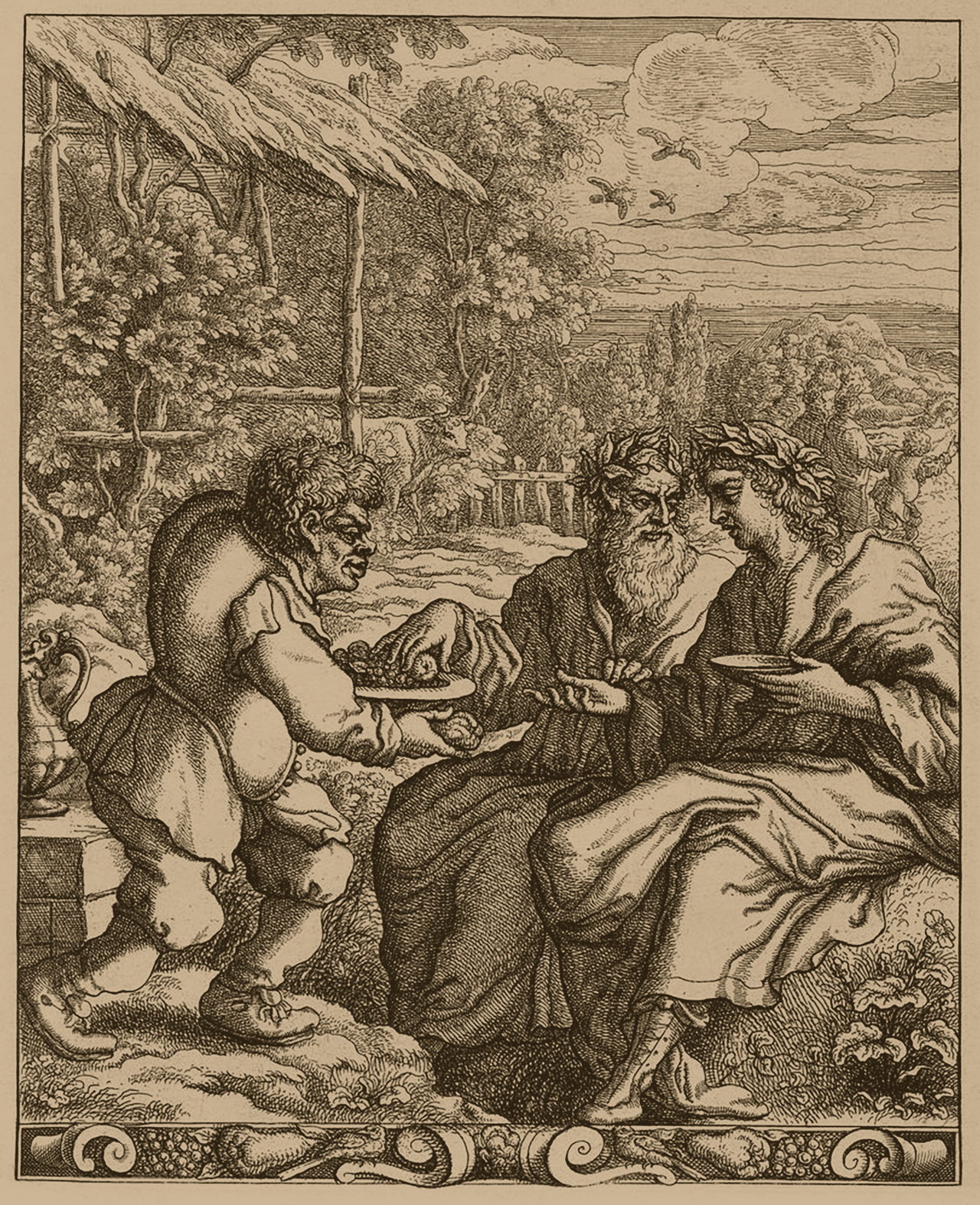 Book
Secondary source
Aesop's Fables
Aesop (attributed) · compiled from the 3rd century BCE onward
 Artifact
Secondary source
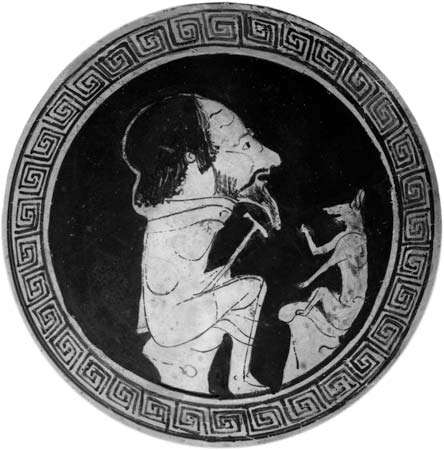
Aesop and the Fox (Red-Figure Kylix)
Unknown Greek artist · c. 450 BCE
 Book
Secondary source
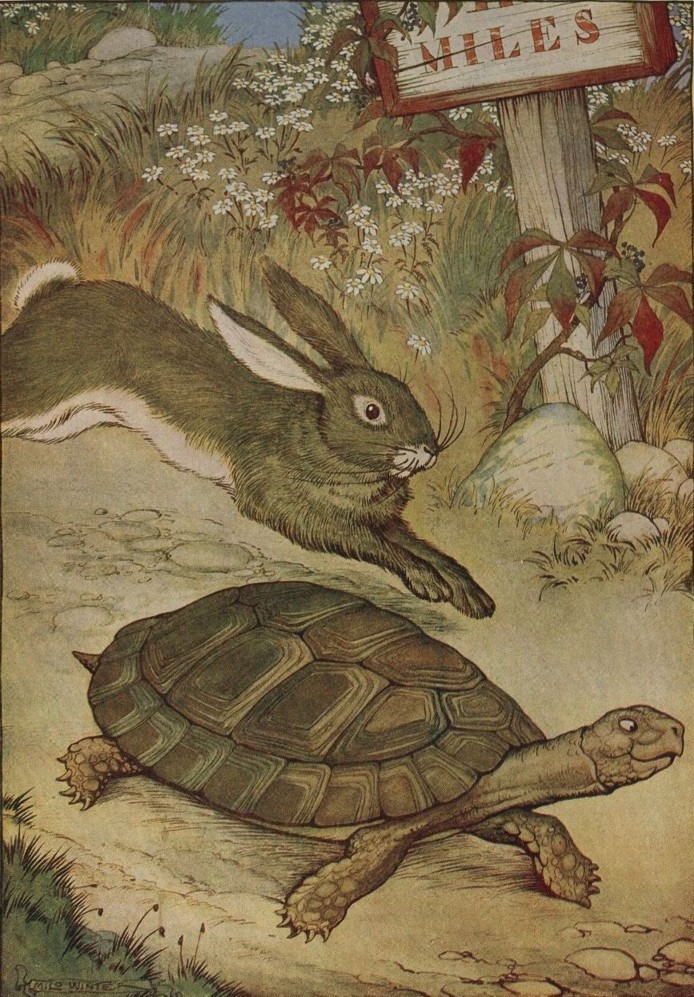
The Tortoise and the Hare
Aesop (attributed) · ancient Greek origin, no early Latin version; printed from 16th century
 Book
Secondary source
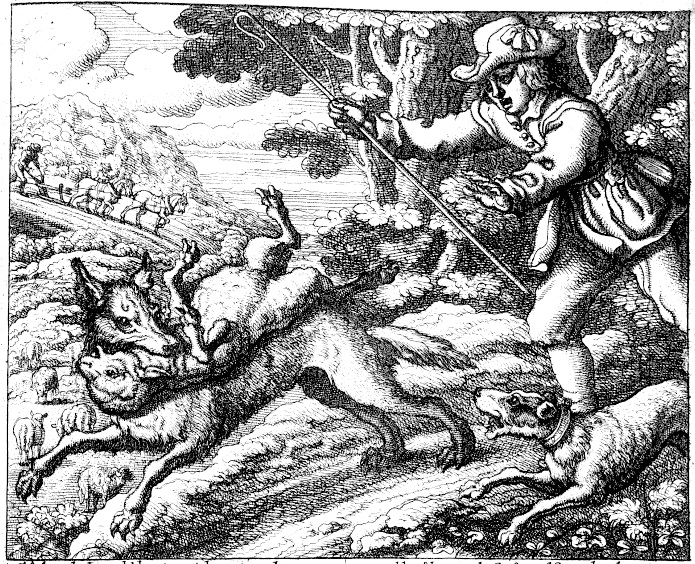
The Boy Who Cried Wolf
Aesop (attributed) · ancient Greek origin; translated into Latin in the 15th century
Free account
Read every Aesop source
Sign up free →
Ready when you are
Start chatting with Aesop now.
20 messages free · No credit card · Available in 50+ languages.