


Secondary sourceBookClassical antiquity
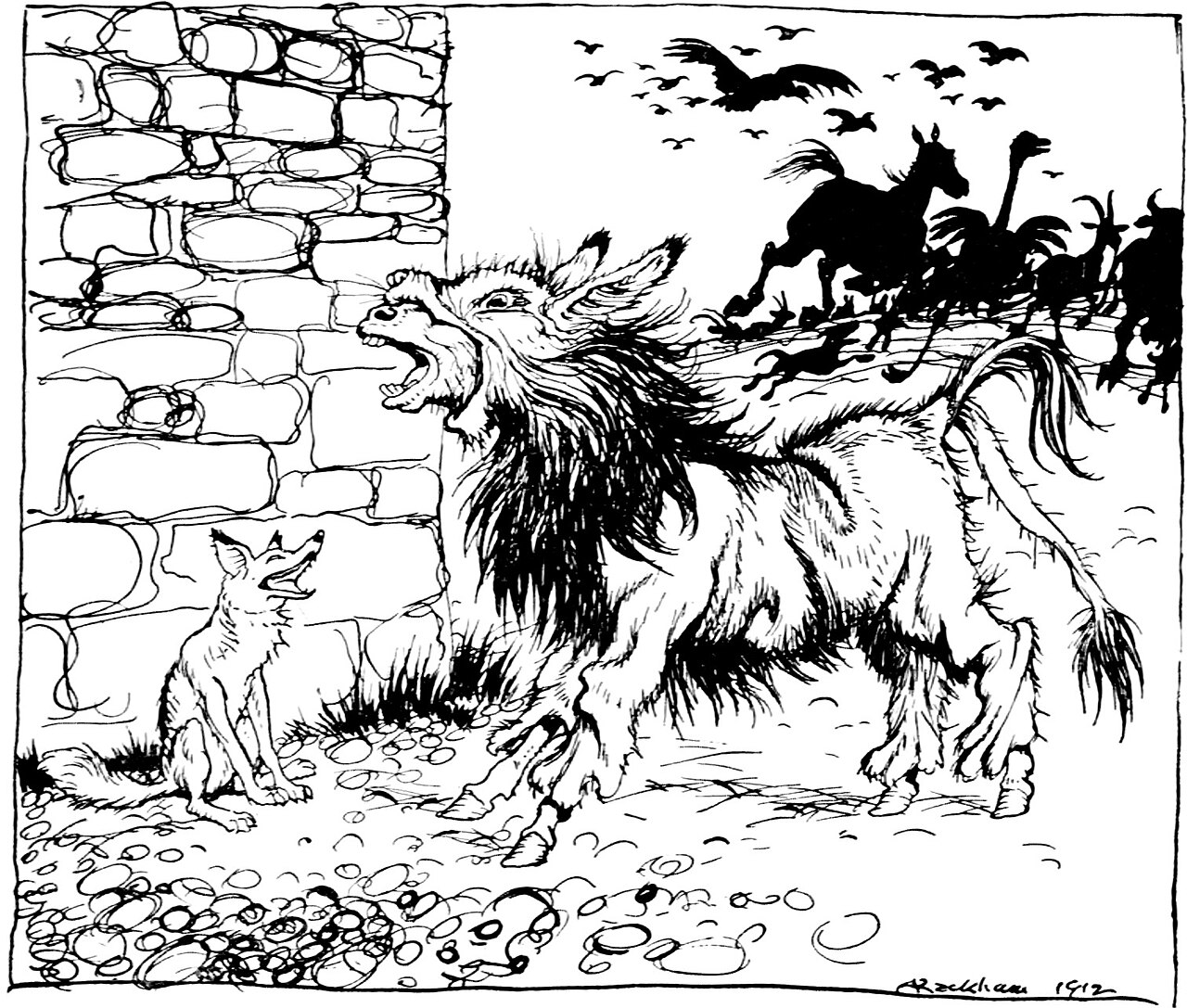
The Ass in the Lion's Skin
Aesop · Classical antiquity
An Aesop fable about a donkey who disguises himself as a lion but is given away by his voice, referenced as early as Plato's time.
Attributed to Aesop, this fable was already known in Plato's Athens, linking it directly to his storytelling legacy.
Free Humy account · No credit card · 120,912 sources to read
About this source
What it is
This fable, attributed to Aesop, tells of a donkey who dons a lion's skin to frighten other animals, but is exposed when he brays or by his ears. Two Greek versions exist, along with a later Latin version by Avianus.
Why it matters
The fable is quoted already in Plato's Cratylus, showing that stories under Aesop's name were circulating in classical Athens not long after his supposed lifetime. It has since been reused for centuries, from Shakespeare to political cartoons about American presidents to C. S. Lewis's Narnia books.
Look closer
- What does the illustration suggest about how illustrators imagined the disguised donkey?
- Why might a story about false appearances have appealed to so many different cultures and eras?
- What does it mean that a fool's words "give him away," according to the moral?
This book is part of the curated material that grounds the AI version of Aesop on Humy.ai — when students ask about related events, the AI can quote it and cite it.
More Aesop sources
Browse all 85 → Book
Secondary source
Aesop's Fables
Aesop (attributed) · compiled from the 3rd century BCE onward
 Artifact
Secondary source
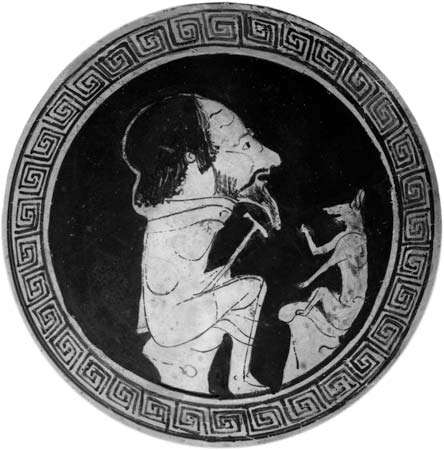
Aesop and the Fox (Red-Figure Kylix)
Unknown Greek artist · c. 450 BCE
 Book
Secondary source
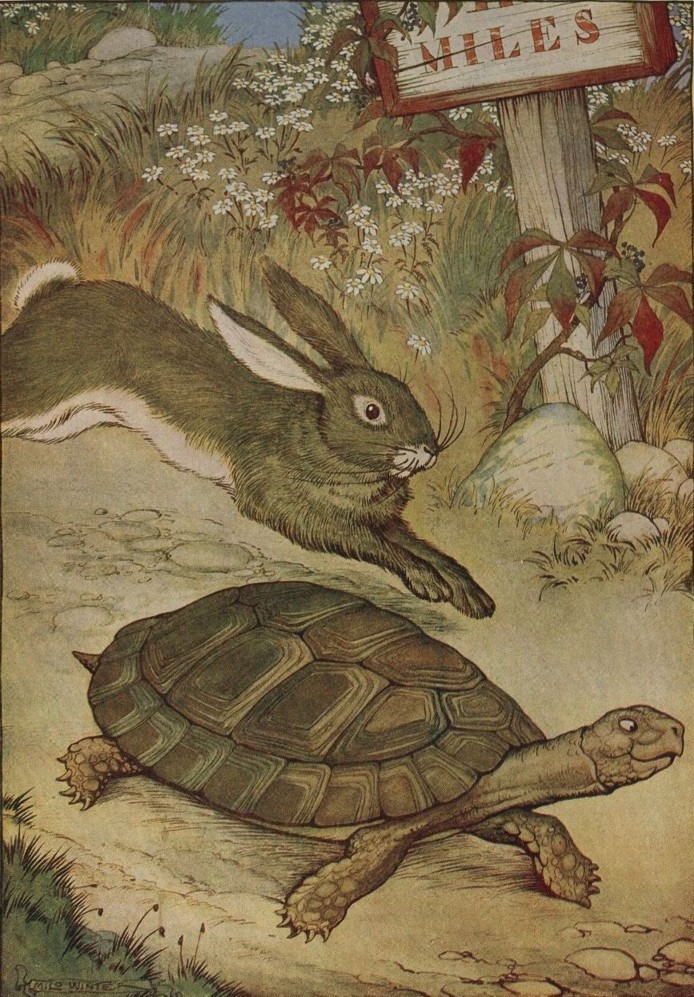
The Tortoise and the Hare
Aesop (attributed) · ancient Greek origin, no early Latin version; printed from 16th century
 Book
Secondary source
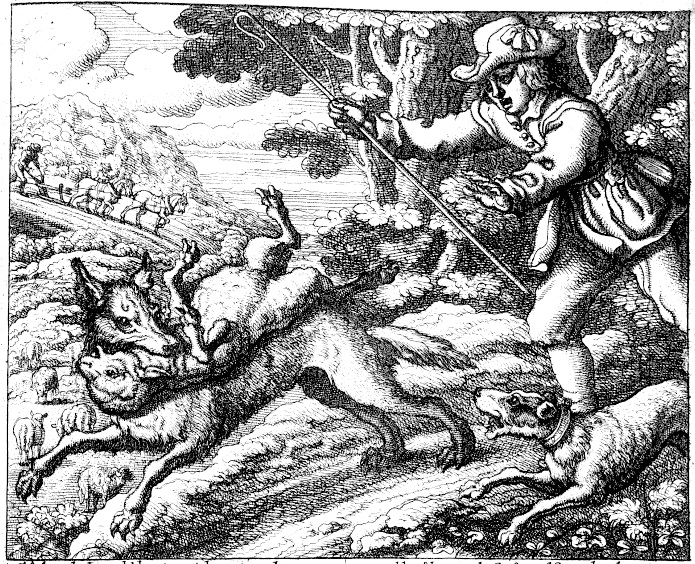
The Boy Who Cried Wolf
Aesop (attributed) · ancient Greek origin; translated into Latin in the 15th century
Free account
Read every Aesop source
Sign up free →
Ready when you are
Start chatting with Aesop now.
20 messages free · No credit card · Available in 50+ languages.