


Secondary sourceBook1908
The Behistan Inscription of King Darius
1908
A 1908 English scholarly translation of Darius the Great's own Behistun inscription, with critical notes on the Persian text.
This is a translation of Darius's own monumental inscription explaining his rise to power.
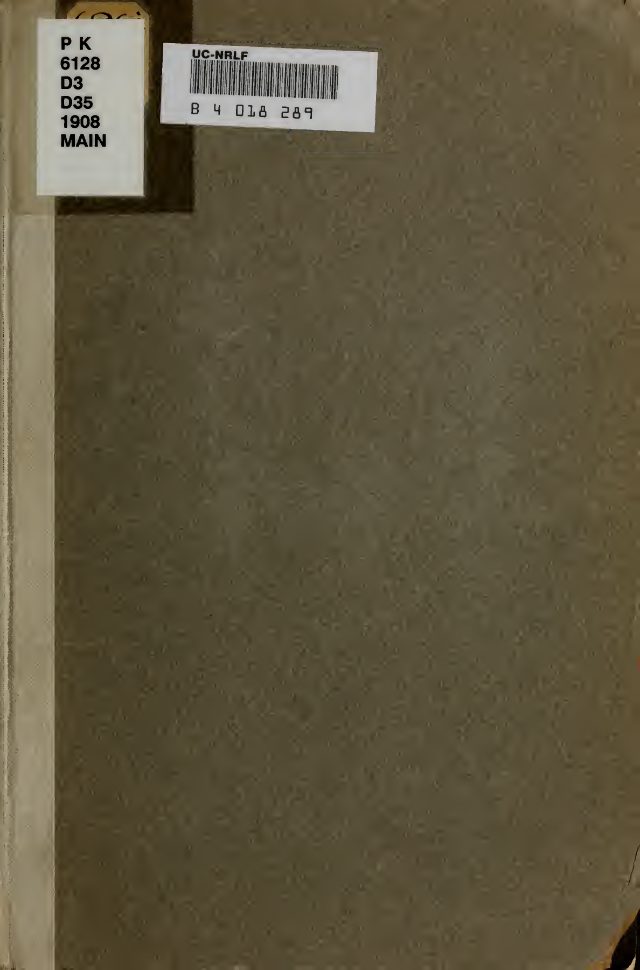 PDF · 48 pages
About this source
What it is
This is a 1908 scholarly booklet containing an English translation of the Behistun inscription, a text originally carved in rock by order of Darius I. The translation includes critical notes comparing the rendering with recent re-examinations of the rock itself.
Why it matters
The Behistun inscription is one of the most important surviving records from Darius's reign. In it he explains, in his own words, how he became king and defeated rivals. This translation let English-speaking scholars and students study his claims without needing to read Old Persian, Elamite or Babylonian.
Look closer
- Why might Darius have wanted his story carved permanently into a mountainside?
- What might be lost or changed when an ancient text is translated centuries later?
- Whose voice are we really reading here — Darius's, or the translator's interpretation of him?
This book is part of the curated material that grounds the AI version of Darius the Great on Humy.ai — when students ask about related events, the AI can quote it and cite it.
More Darius the Great sources
Meet the AI Darius the Great →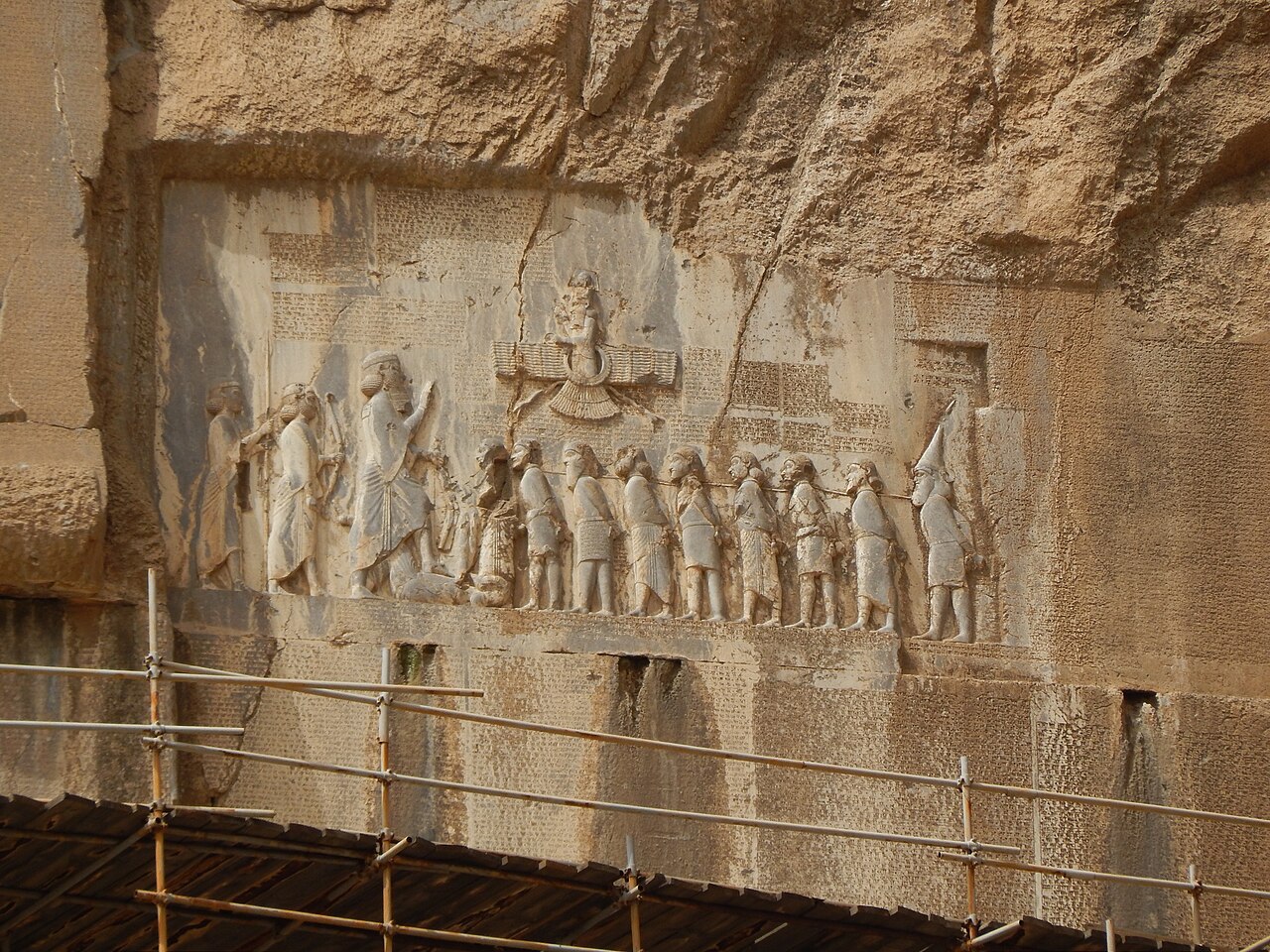

Ready when you are
Start chatting with Darius the Great now.
20 messages free · No credit card · Available in 50+ languages.