


Secondary sourceBook
The Belly and the Members
Aesop
An Aesop fable about the body's limbs rebelling against the stomach, later used by Roman and English writers to argue for political unity.
This fable is attributed to Aesop and was later used by Roman orators and Shakespeare to argue for political unity.
Free Humy account · No credit card · 120,912 sources to read
About this source
What it is
This fable, attributed to Aesop, describes a dispute between the stomach and the other body parts, who refuse to feed it until they realize they are weakening themselves. The excerpt shown comes from an early printed edition with woodcut illustrations.
Why it matters
The Roman historian Livy says a senator, Menenius Agrippa, used this fable to persuade angry plebeians to end their protest against Rome's patricians, turning an animal fable into real political persuasion. Centuries later William Shakespeare reused the same story in his play Coriolanus, and the apostle Paul adapted its imagery for a very different, spiritual argument about unity. The fable shows how a simple story could be reshaped again and again to argue for cooperation and obedience to authority.
Look closer
- Why might comparing a country or community to a human body be a persuasive way to argue for unity?
- How does the violent imagery in this illustration differ from the fable's message about cooperation?
- Whose interests does this fable serve best when used in a political argument?
This book is part of the curated material that grounds the AI version of Aesop on Humy.ai — when students ask about related events, the AI can quote it and cite it.
More Aesop sources
Browse all 85 →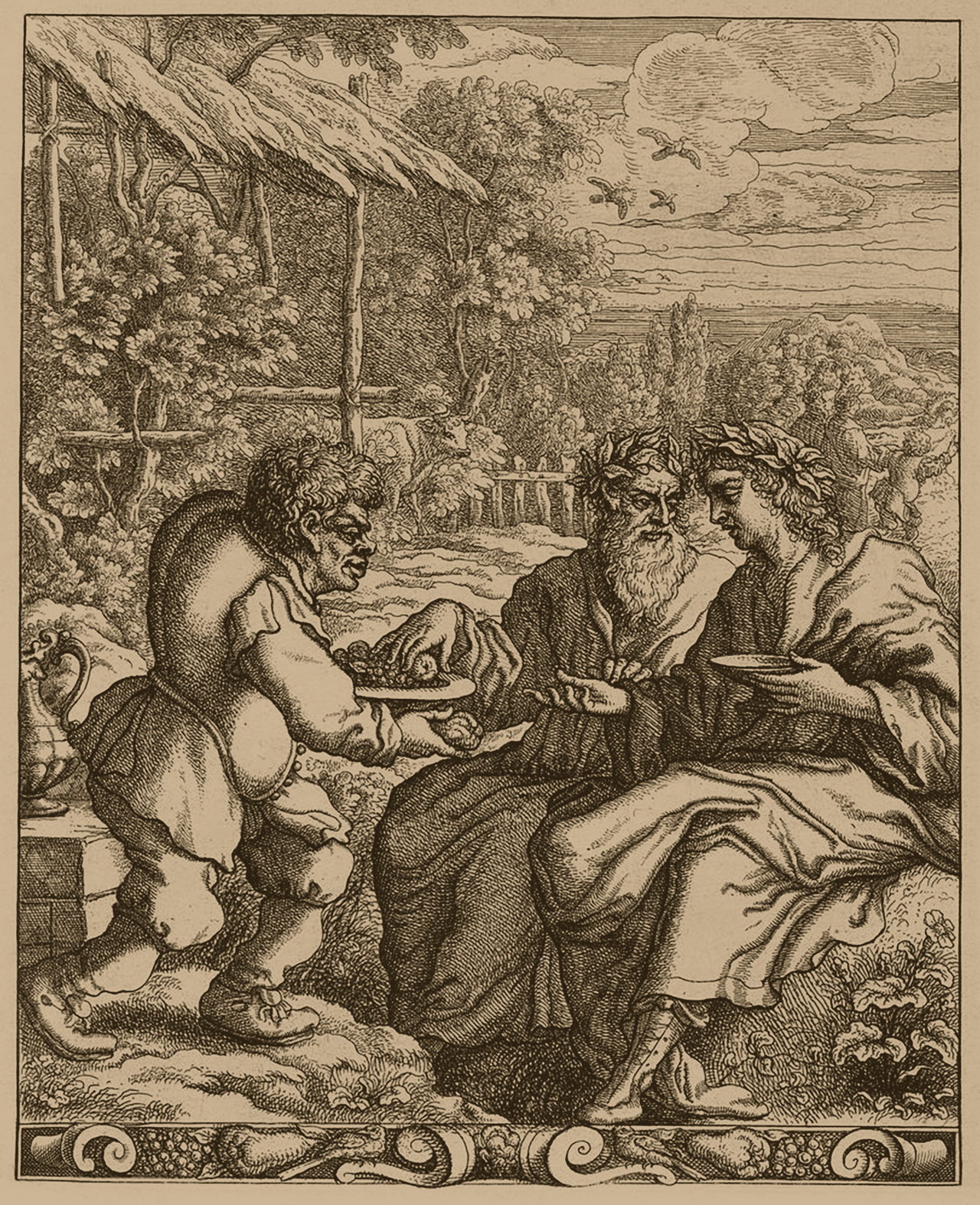 Book
Secondary source
Aesop's Fables
Aesop (attributed) · compiled from the 3rd century BCE onward
 Artifact
Secondary source
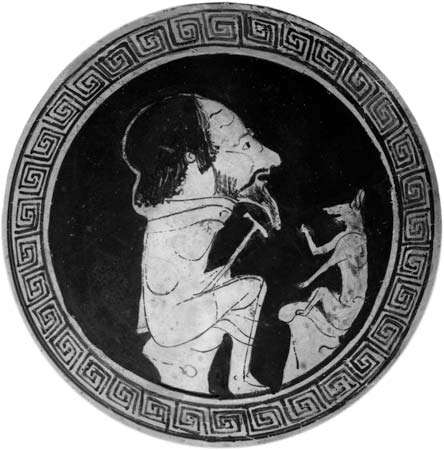
Aesop and the Fox (Red-Figure Kylix)
Unknown Greek artist · c. 450 BCE
 Book
Secondary source
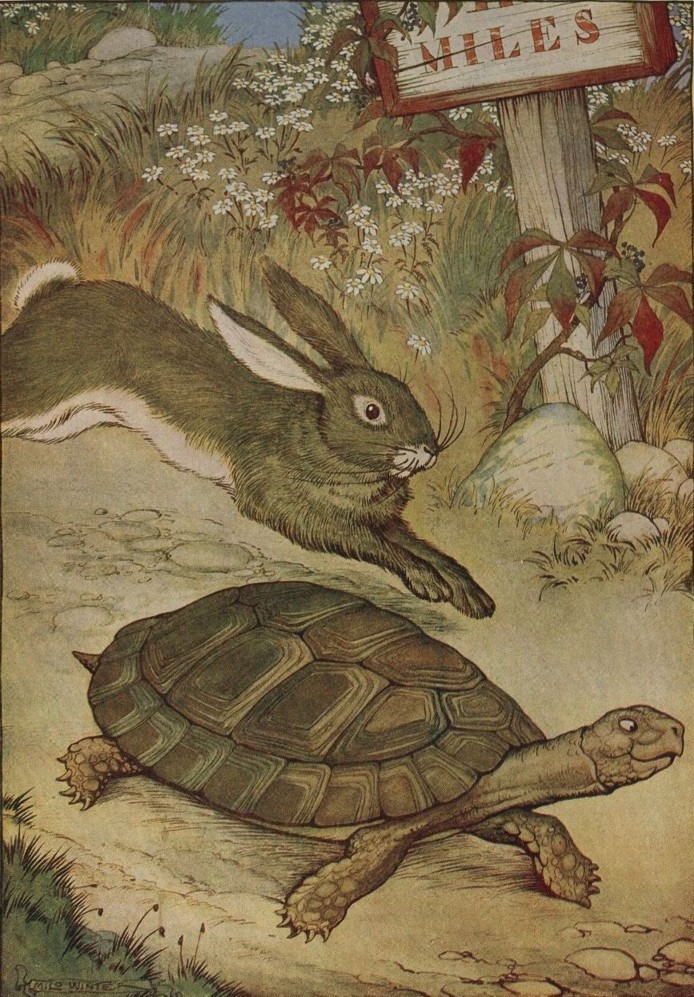
The Tortoise and the Hare
Aesop (attributed) · ancient Greek origin, no early Latin version; printed from 16th century
 Book
Secondary source
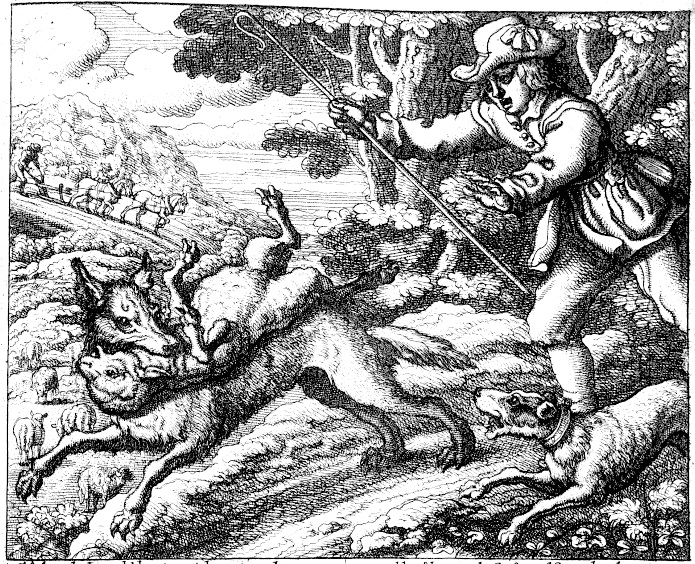
The Boy Who Cried Wolf
Aesop (attributed) · ancient Greek origin; translated into Latin in the 15th century
Free account
Read every Aesop source
Sign up free →
Ready when you are
Start chatting with Aesop now.
20 messages free · No credit card · Available in 50+ languages.