


Secondary sourceBook1888
The Black Death and the Dancing Mania
J. F. C. Hecker · 1888
An 1888 edition of Hecker's study linking the Black Death to the strange outbreak of dancing mania that followed it in medieval Europe.
A study exploring the social and psychological aftershocks of the Black Death, including the dancing mania phenomenon.
 PDF · 202 pages
About this source
What it is
This 1888 edition reprints J. F. C. Hecker's study connecting the Black Death to the dancing mania, a mysterious outbreak of compulsive dancing that occurred in parts of medieval Europe. It was published by Cassell & Company in London.
Why it matters
Hecker's work explored how the trauma and devastation of the Black Death may have contributed to unusual social and psychological phenomena like dancing mania. It shows how historians have tried to connect physical disease outbreaks to wider social and psychological effects on communities.
Look closer
- Why might survivors of a disaster like the Black Death behave in unusual or extreme ways afterward?
- What kind of evidence would be needed to link two very different events, like a plague and a dancing outbreak?
- How does the inclusion of advertisements in this old book remind us it was a commercial publication?
This book is part of the curated material that grounds the AI version of The Black Death on Humy.ai — when students ask about related events, the AI can quote it and cite it.
More The Black Death sources
Meet the AI The Black Death →Secondary source
The Decameron
Giovanni Boccaccio · 1351
Primary source
Statute of Labourers 1351
1351
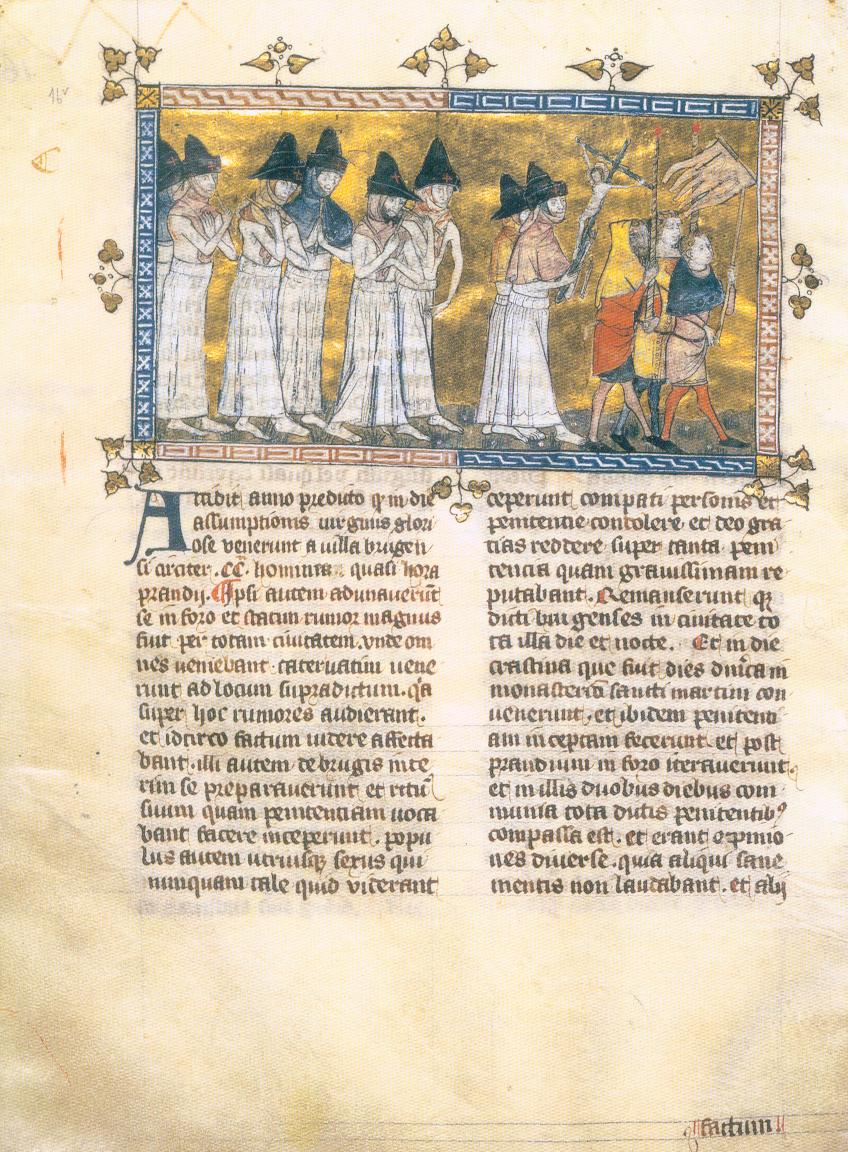 Painting
Primary source
Depiction of the Flagellant Processions
Pierart dou Tielt · c. 1350
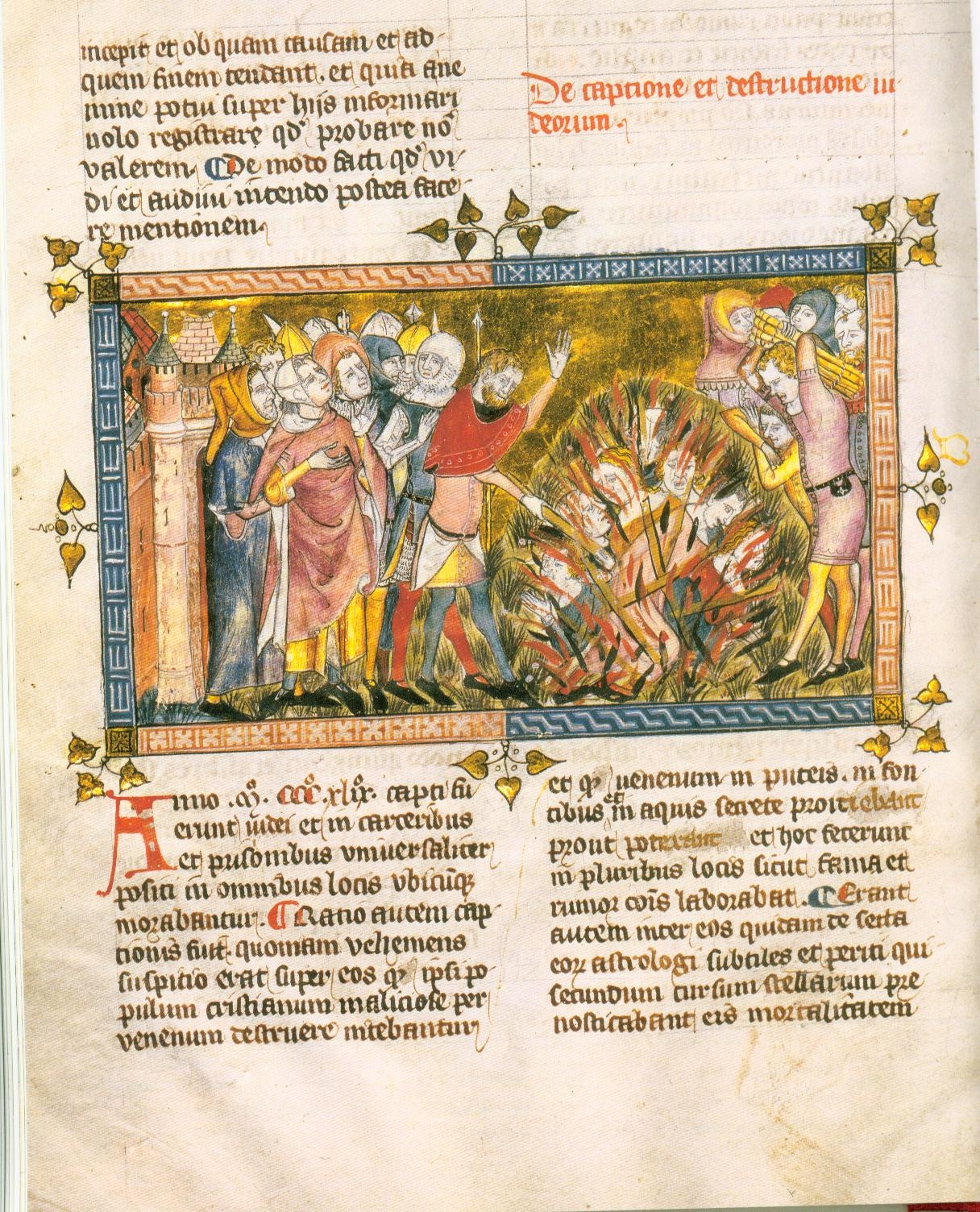 Painting
Primary source
Execution of Jews
c. 1350
 Book
Primary source
The Annals of Ireland by Friar John Clyn
John Clyn · 1348-1349
Ready when you are
Start chatting with The Black Death now.
20 messages free · No credit card · Available in 50+ languages.