


Secondary sourcePainting1883
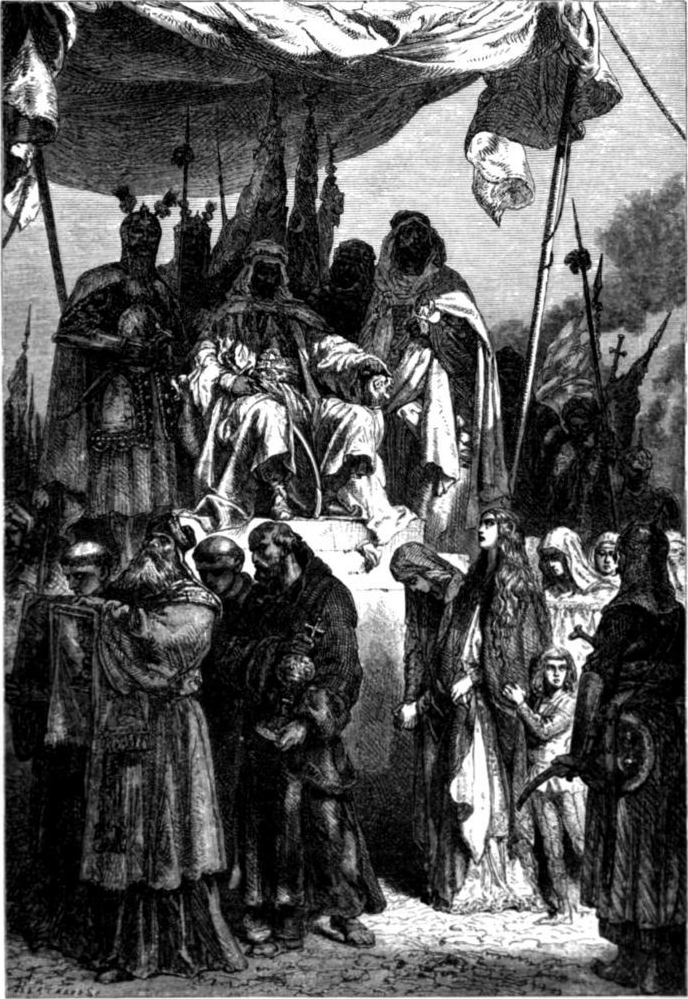
The Christians of the Holy City Defiling before Saladin
Alphonse de Neuville · 1883
A 19th-century painting imagining Saladin receiving the surrender of Jerusalem's Christian population.
This painting imagines Saladin accepting the surrender of Jerusalem's Christians, a defining moment of his career.
About this source
What it is
This is a painting by the French artist Alphonse de Neuville, made in 1883. It shows a seated ruler, identified as Saladin, under a canopy on a raised platform, with attendants beside him and a crowd of cloaked figures bowing before him.
Why it matters
The scene refers to Saladin's capture of Jerusalem from its Christian defenders. Painted centuries after the event, it shows how 19th-century European artists imagined the Crusades, often shaping Saladin into a figure of chivalry or conquest for their own audiences.
Look closer
- What does the pose and placement of Saladin suggest about his power?
- How are the Christian figures in the crowd shown — as dignified, defeated, or something else?
- Since the artist lived centuries after the event, what might he have imagined rather than known?
This painting is part of the curated material that grounds the AI version of Saladin on Humy.ai — when students ask about related events, the AI can quote it and cite it.
More Saladin sources
Meet the AI Saladin →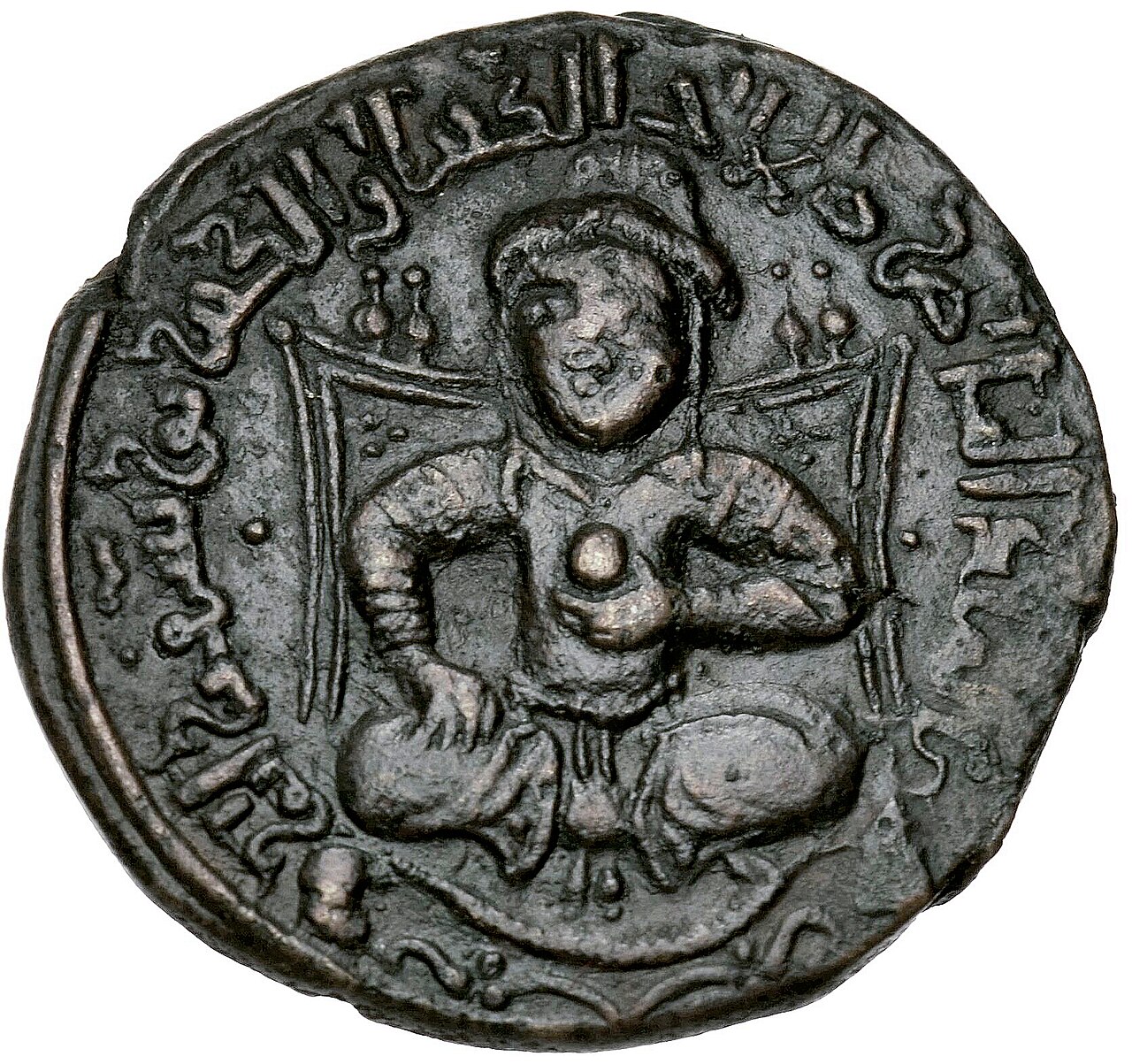 Artifact
Primary source
Dirham of Saladin
AH 586 (AD 1190-91)
 Painting
Secondary source
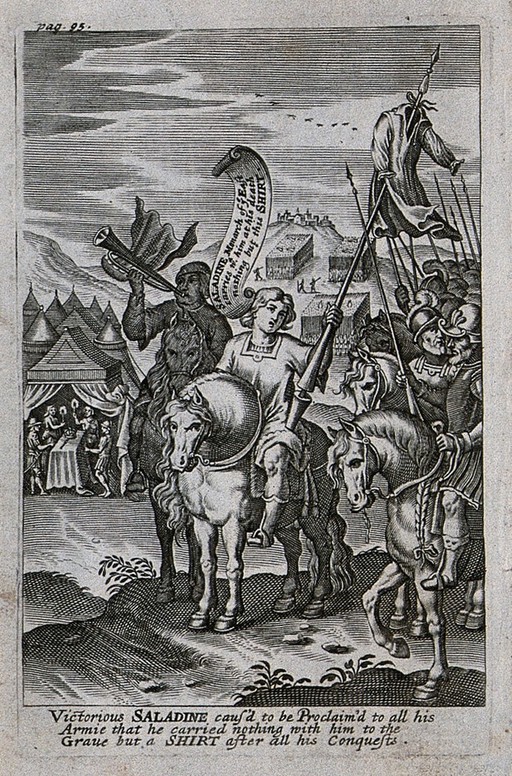
Saladin Proclaims He Will Take Only a Shirt to His Grave
John Payne · 1639
 Artifact
Primary source
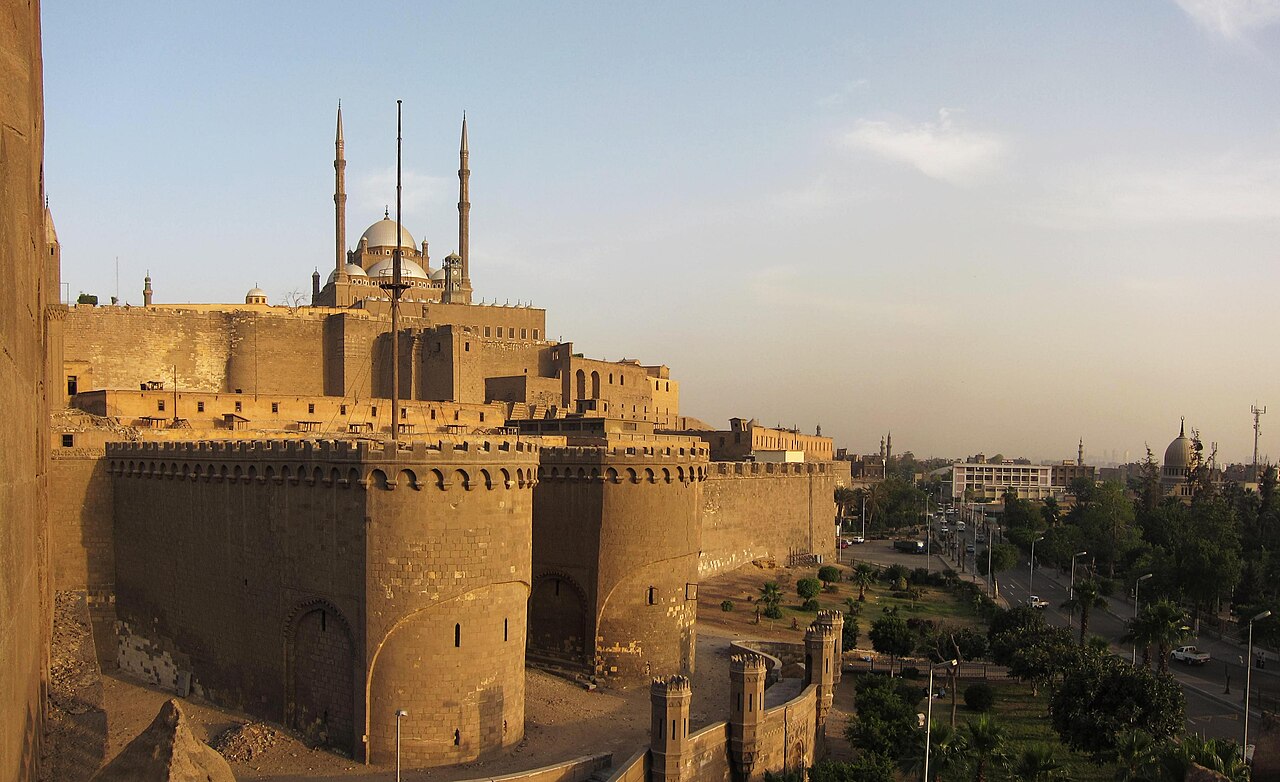
Cairo Citadel
Saladin · begun 1176
 Photograph
Secondary source
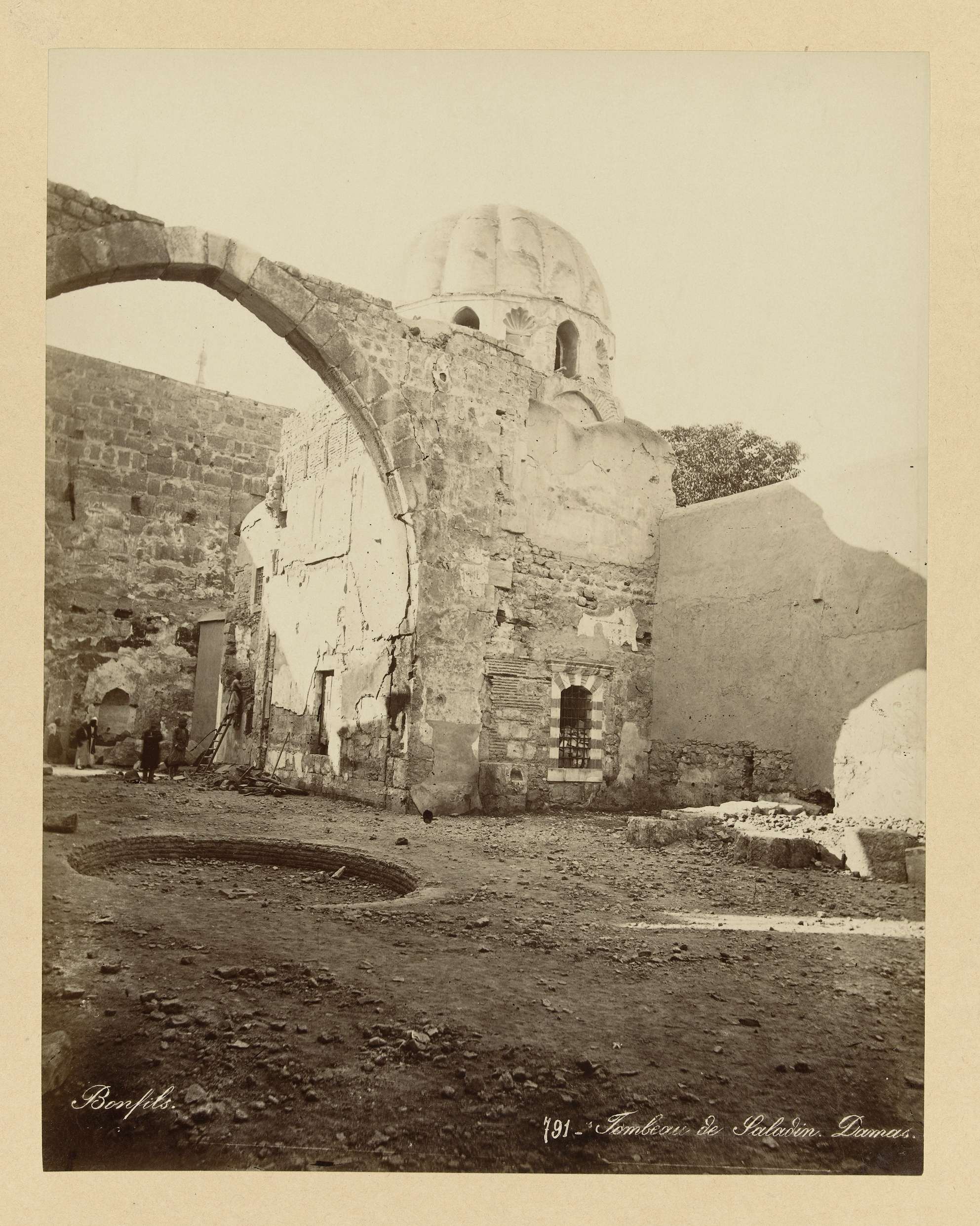
Tomb of Saladin, Damascus
 Painting
Secondary source
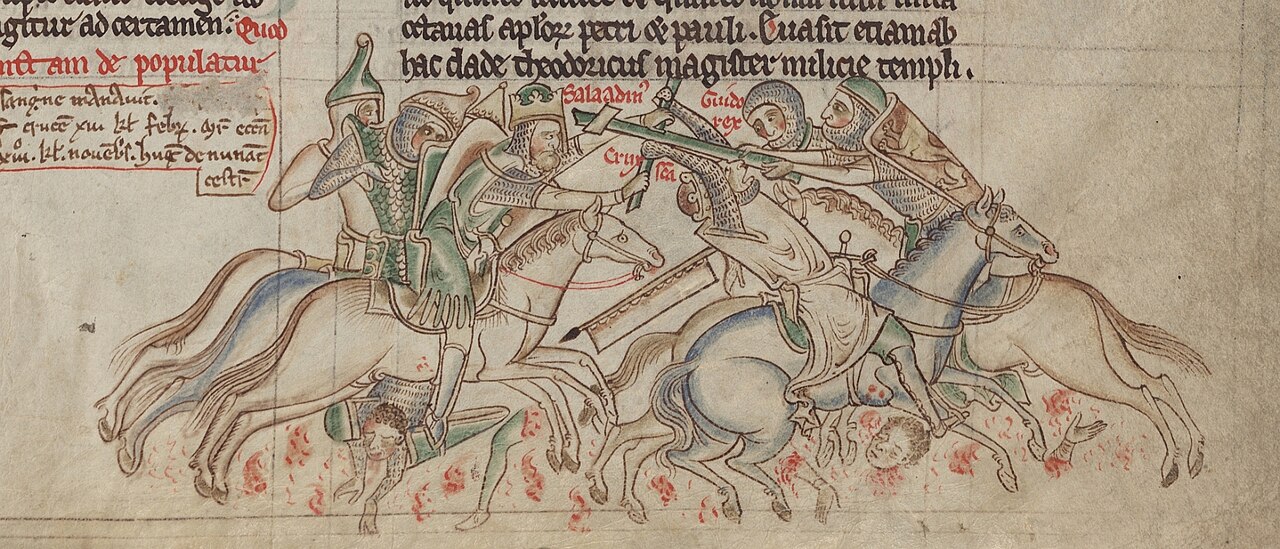
Saladin Seizing the True Cross from Guy of Lusignan
Matthew Paris
Ready when you are
Start chatting with Saladin now.
20 messages free · No credit card · Available in 50+ languages.