


Primary sourcePaintingc. 1542-1545
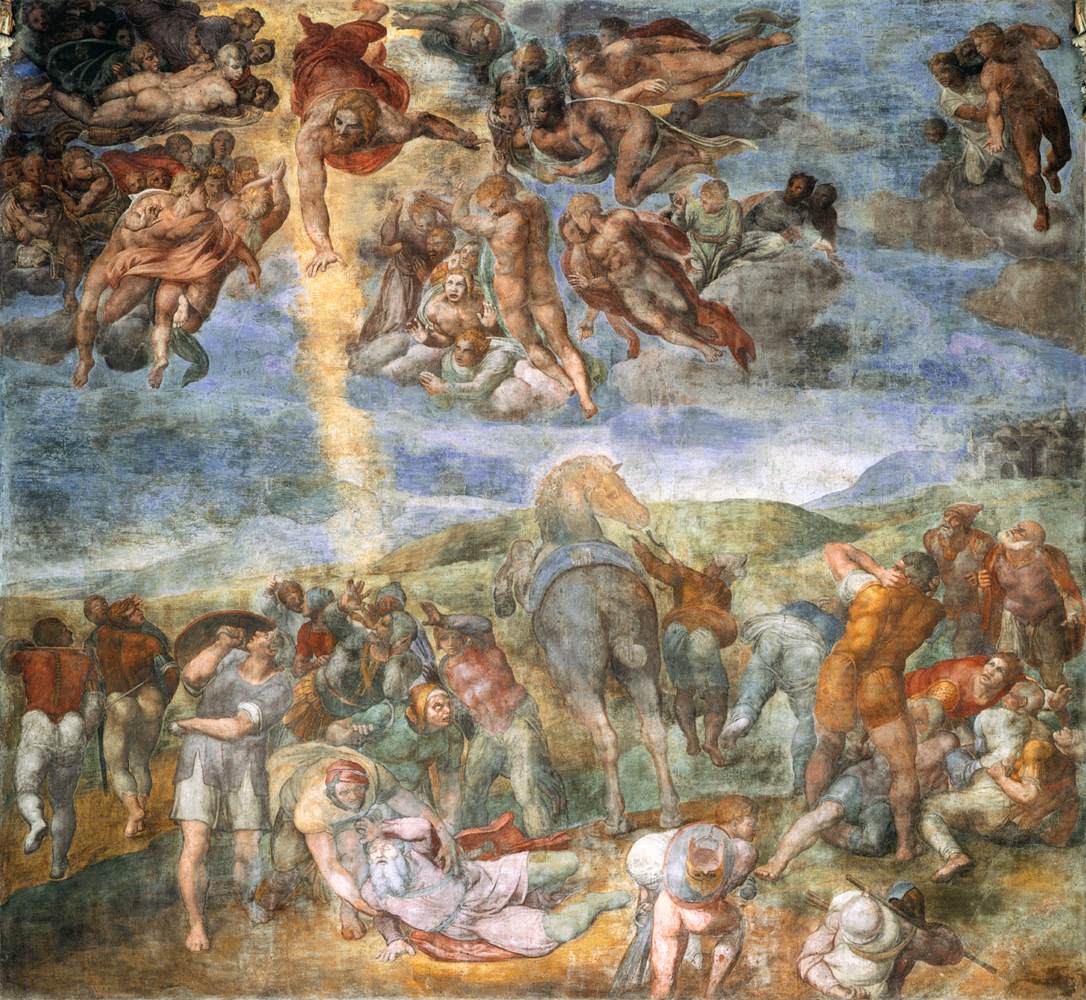
The Conversion of Saul
Michelangelo · c. 1542-1545
A fresco by Michelangelo in the Vatican's Pauline Chapel, painted in his late sixties, showing Saint Paul's conversion.
This is a fresco painted by Michelangelo himself, created late in his career and possibly reflecting his own likeness in Saul's face.
About this source
What it is
This fresco was painted by Michelangelo around 1542–1545 for the Pauline Chapel in the Vatican Palace, commissioned by Pope Paul III. It shows the moment Saul (later Saint Paul) is struck down and converted on the road to Damascus.
Why it matters
Painted in Michelangelo's late sixties, the work shows his austere, dramatic late style. Scholars have noted that Saul's face resembles an old man rather than the young man he was at conversion, and some think it reflects Michelangelo's own aging and religious struggles. The chapel itself was where cardinals gathered to elect popes, giving the image extra weight.
Look closer
- Why might Michelangelo have given Saul the face of an old man instead of a young one?
- How does the composition use light and figures to direct your eye toward Saul?
- What feelings do the surrounding figures' poses and expressions suggest, and why might that matter in a room used to elect popes?
This painting is part of the curated material that grounds the AI version of Michelangelo Buonarroti and Saint Paul on Humy.ai — when students ask about related events, the AI can quote it and cite it.
More Michelangelo Buonarroti sources
Meet the AI Michelangelo Buonarroti →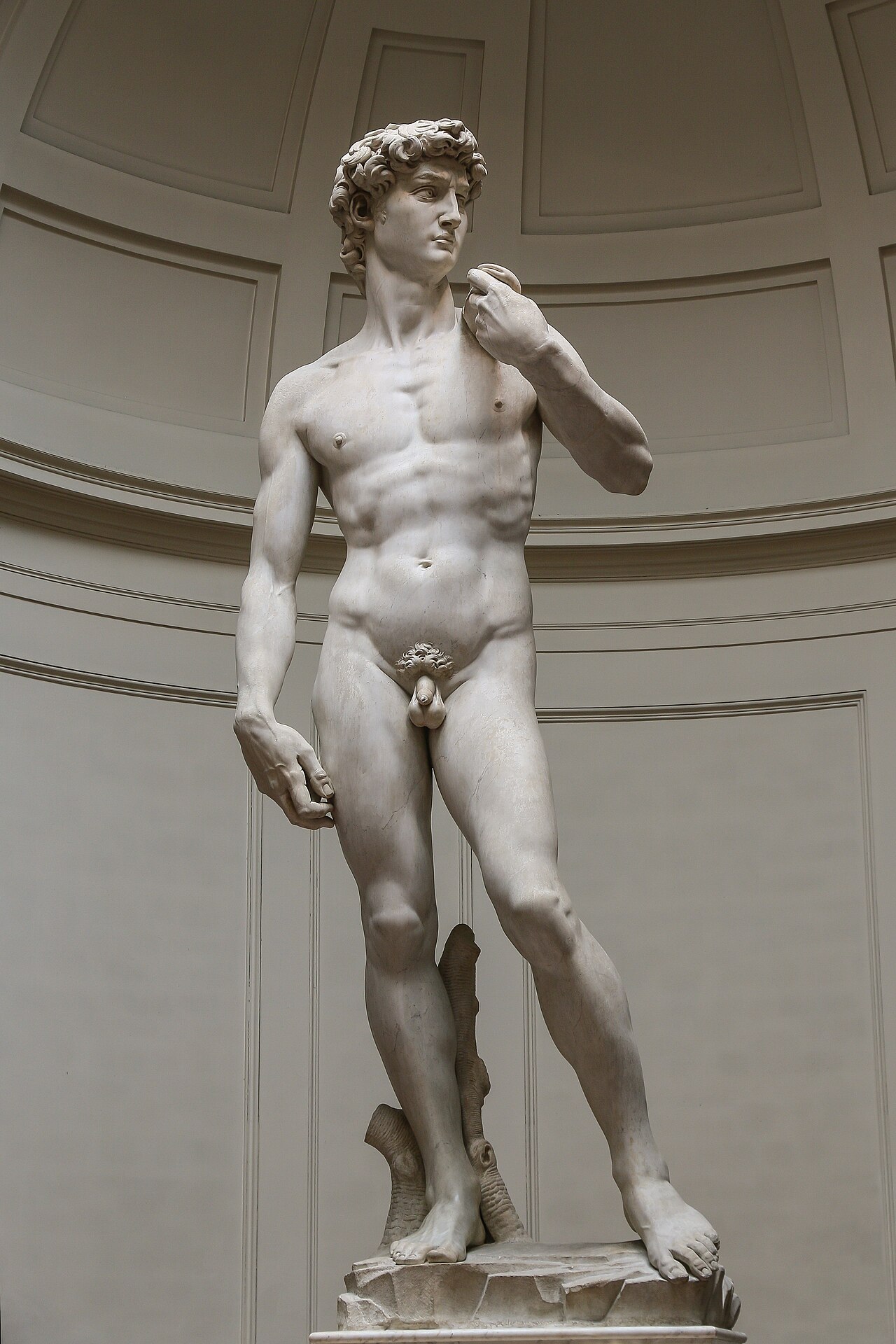 Sculpture
Primary source
David
Michelangelo · 1501-1504
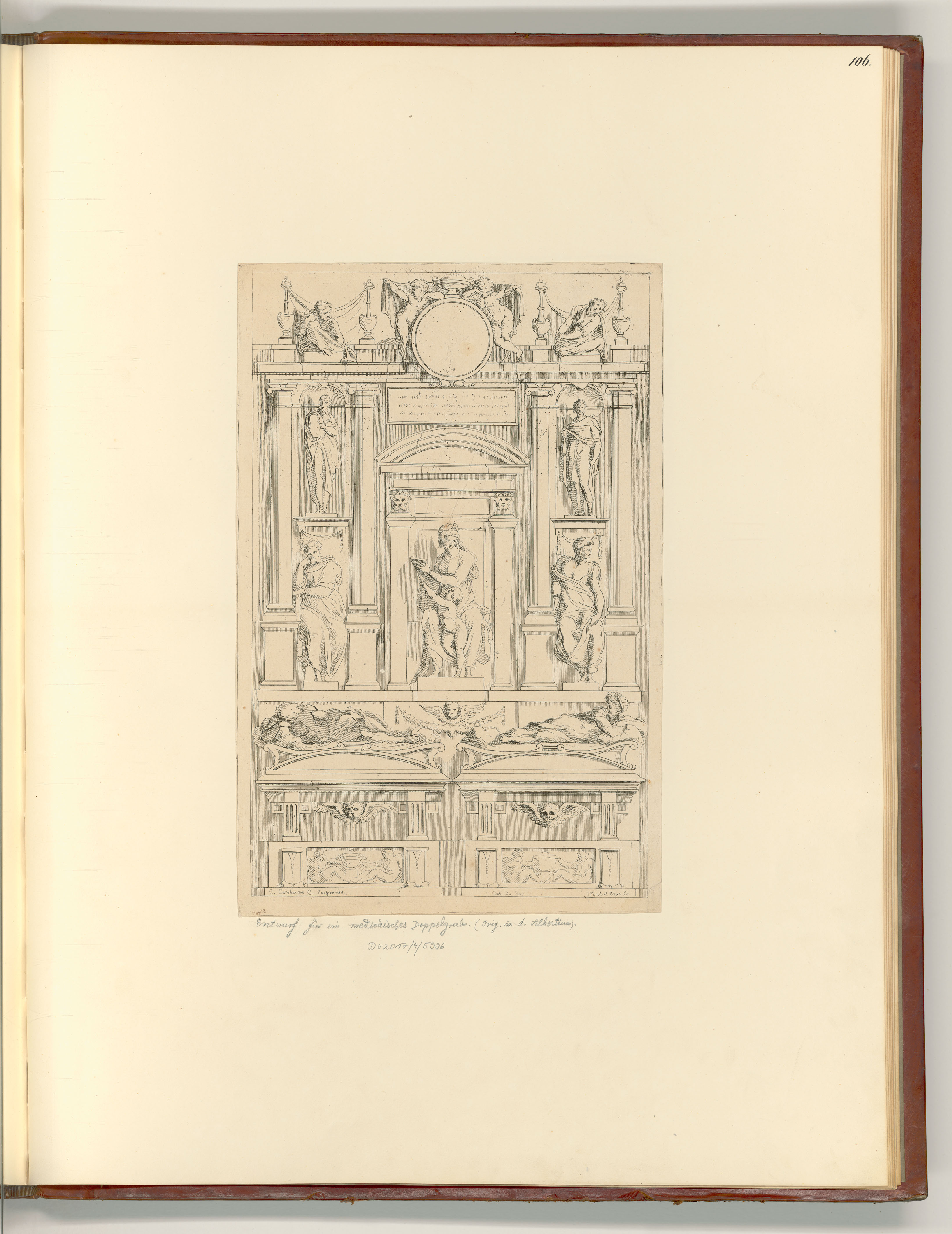 Artifact
Primary source
Elevation of a Planned Double Tomb for the Magnifici, Medici Chapel
unbestimmt
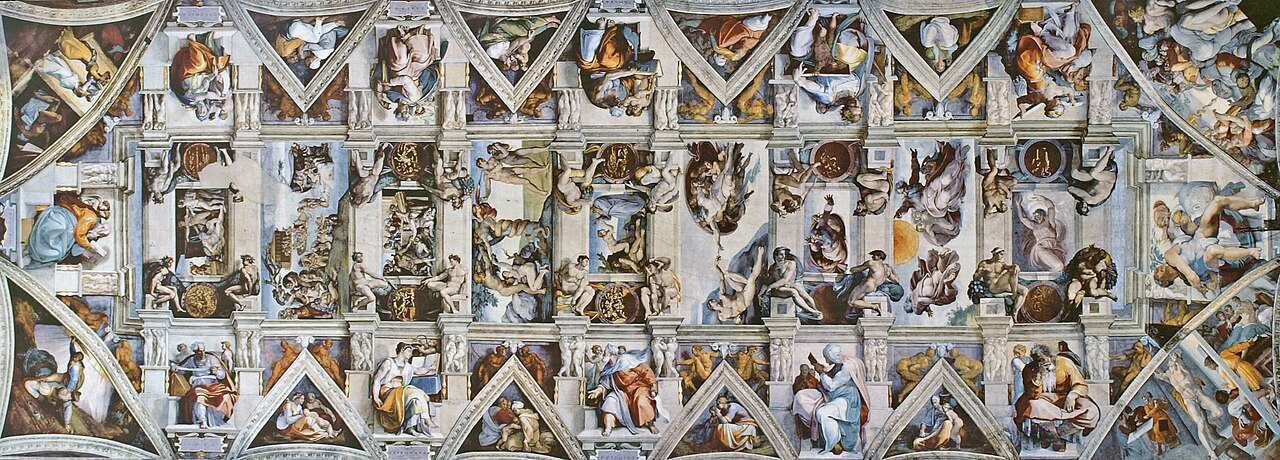 Painting
Primary source
Sistine Chapel ceiling
Michelangelo · 1508-1512
 Painting
Secondary source
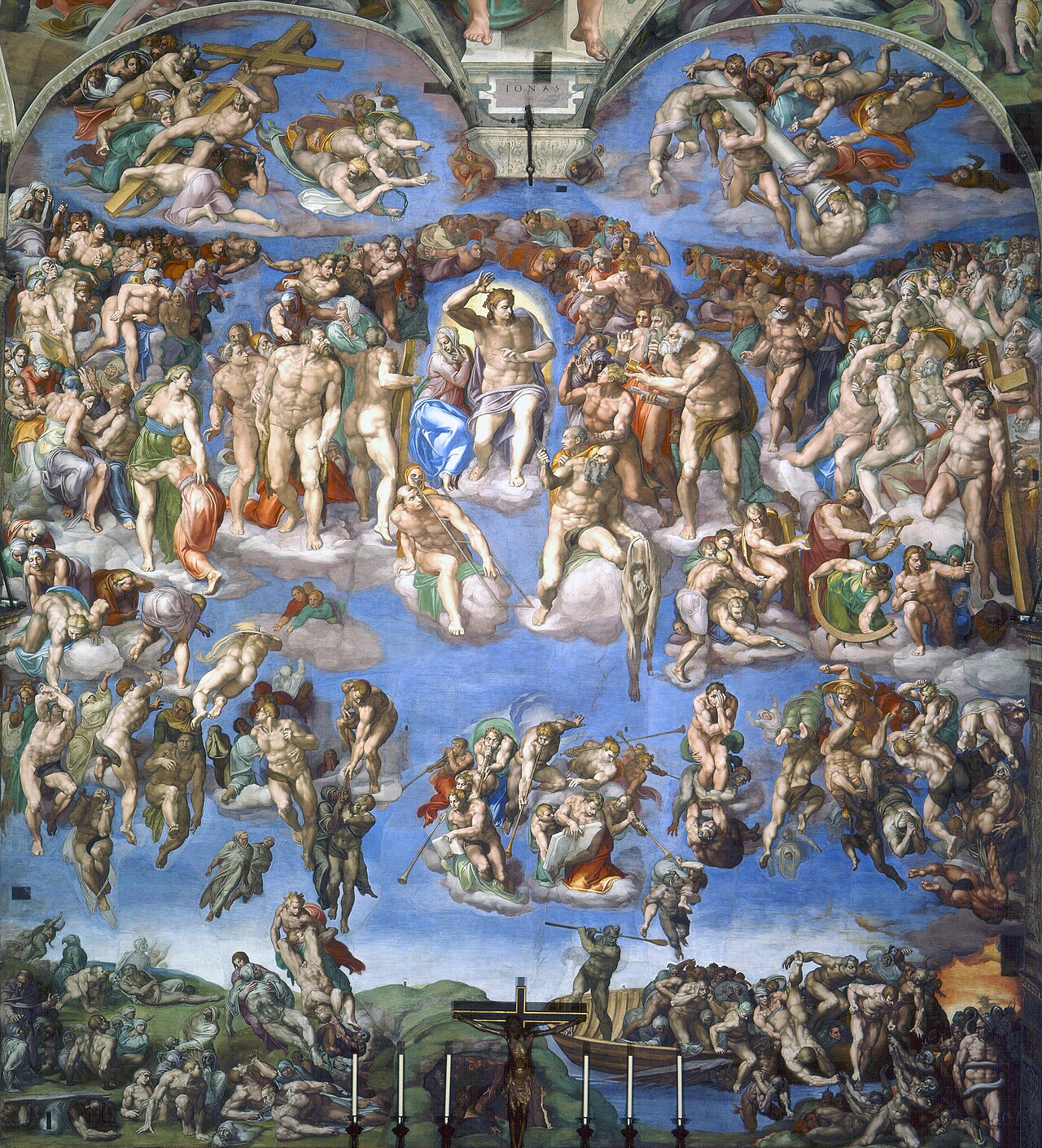
The Last Judgment
Michelangelo · 1536-1541
 Photograph
Secondary source
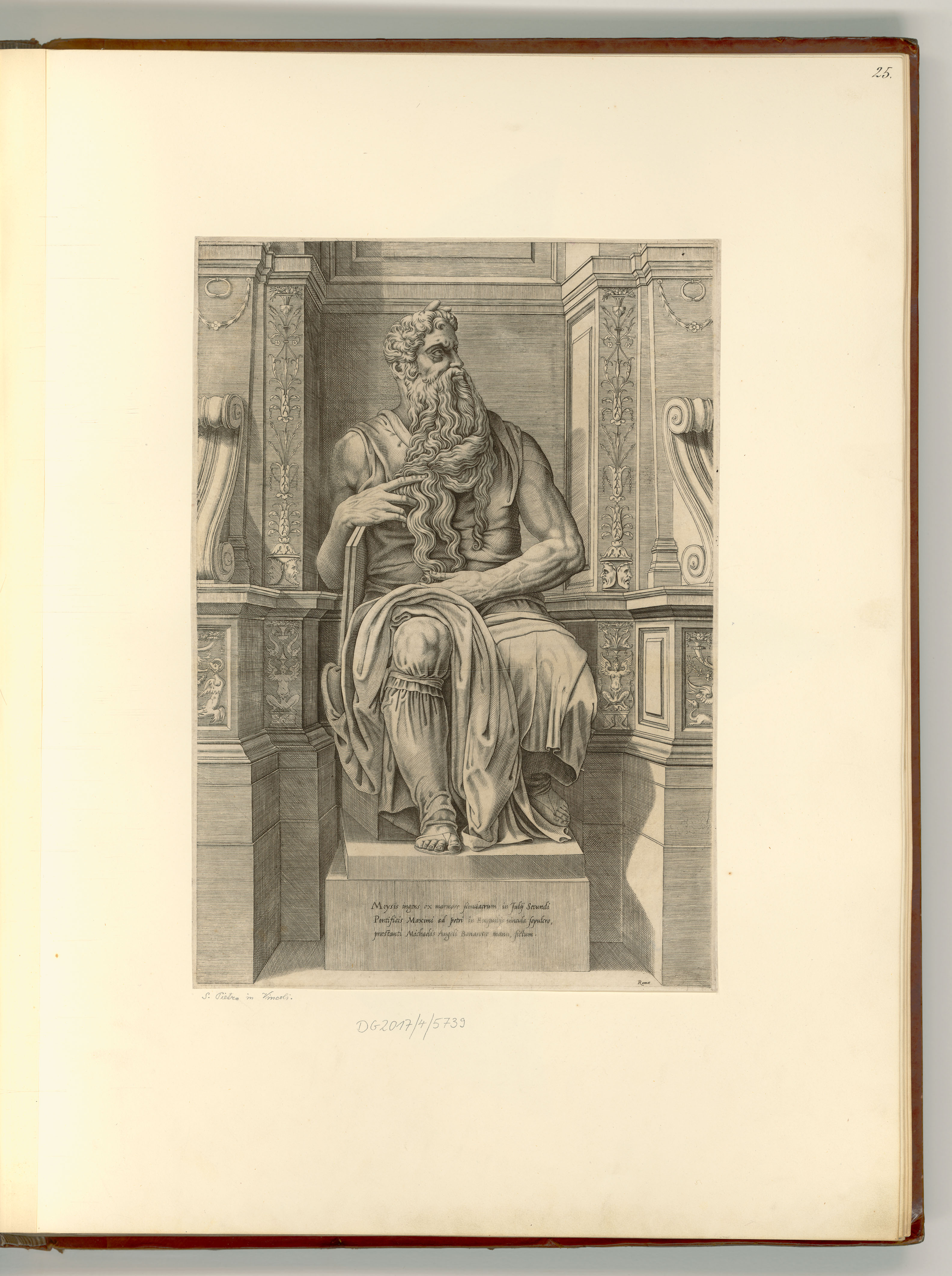
Statue of Moses by Michelangelo, San Pietro in Vincoli
unbestimmt
Ready when you are
Start chatting with Michelangelo Buonarroti now.
20 messages free · No credit card · Available in 50+ languages.