


Primary sourcePaintingc. 1606-1607
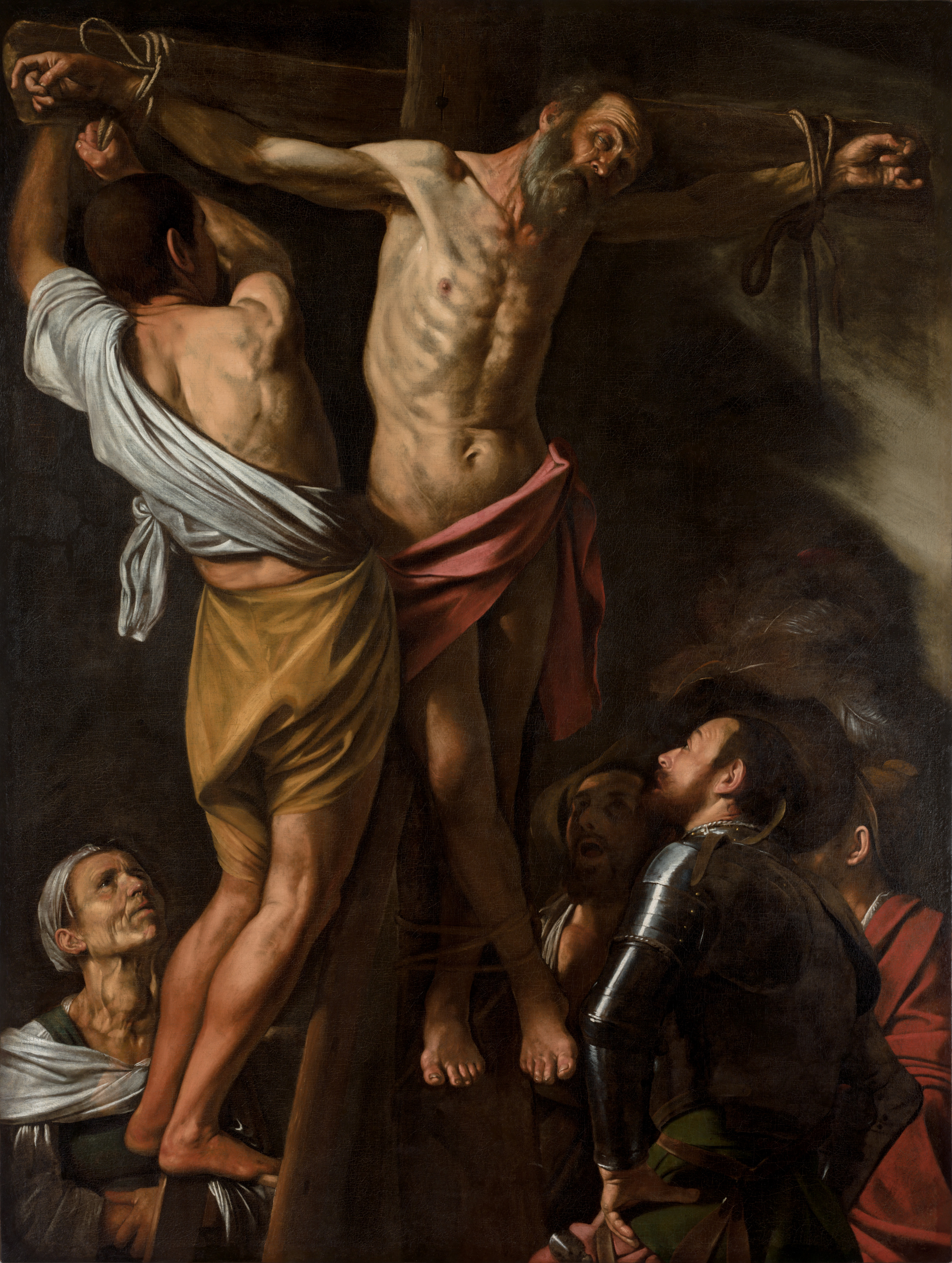
The Crucifixion of Saint Andrew
Caravaggio · c. 1606-1607
A painting by Caravaggio from his Naples years showing the martyrdom of Saint Andrew on an X-shaped cross.
This painting is one of Caravaggio's works from his Naples period, showing his mature dramatic realism.
About this source
What it is
This painting by Caravaggio, made around 1606–7 during his years in Naples, shows the crucifixion of Saint Andrew. It is held by the Cleveland Museum of Art.
Why it matters
According to the museum's record, Andrew was sentenced to death for refusing to worship pagan gods, and preached from the cross for two days until, by divine power, his executioners' hands were paralyzed before they could release him. Caravaggio's version draws the viewer close into the scene, using dramatic light and realistic figures, including onlookers such as a grieving old woman and armored soldiers, to show the event's intensity.
Look closer
- How does Caravaggio use light to guide your eye through the scene?
- What do the expressions of the bystanders add to the painting's emotional effect?
- Why might Caravaggio have chosen to show Andrew's body in this near-nude state?
This painting is part of the curated material that grounds the AI version of Caravaggio on Humy.ai — when students ask about related events, the AI can quote it and cite it.
More Caravaggio sources
Browse all 90 →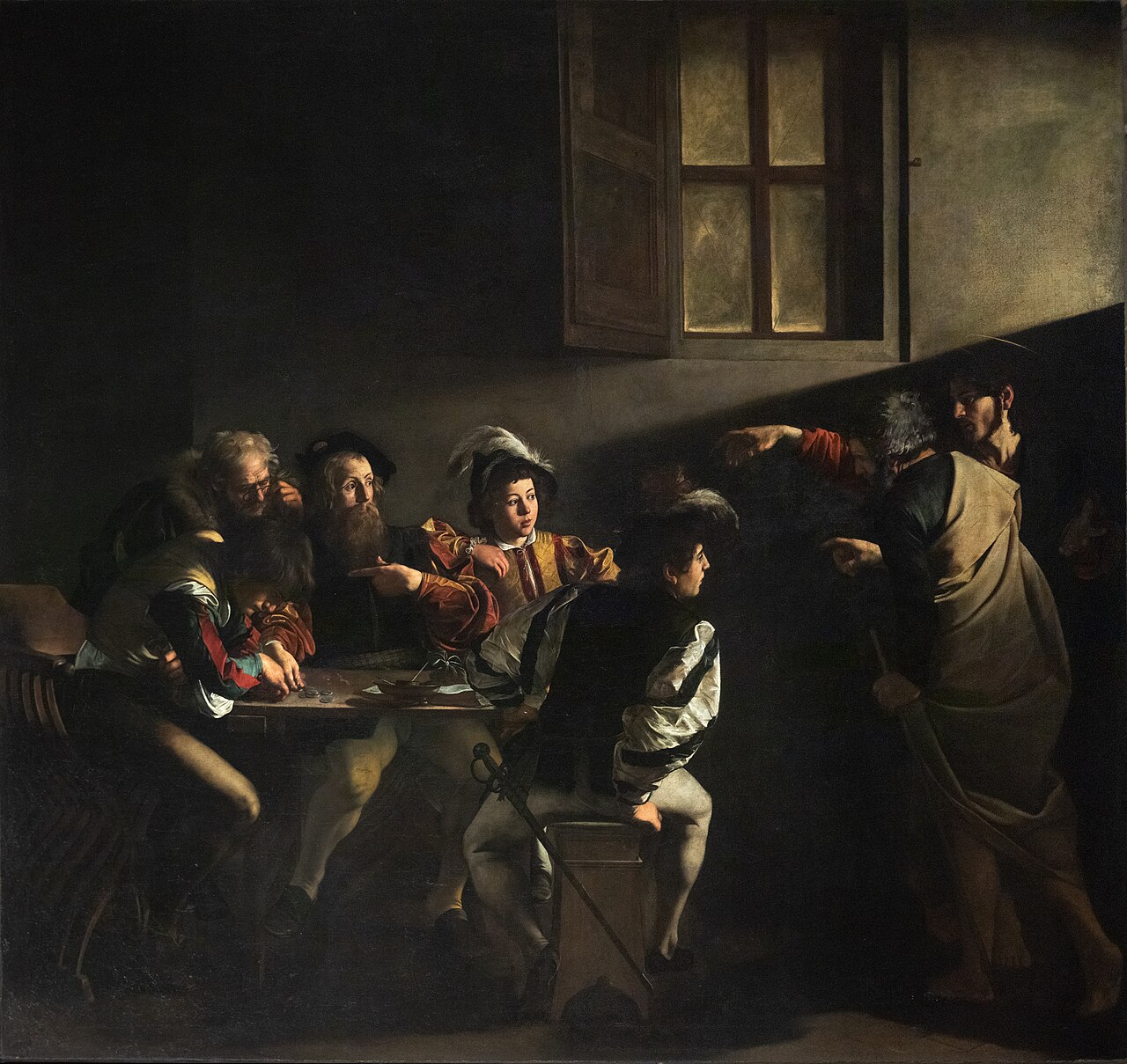 Painting
Secondary source
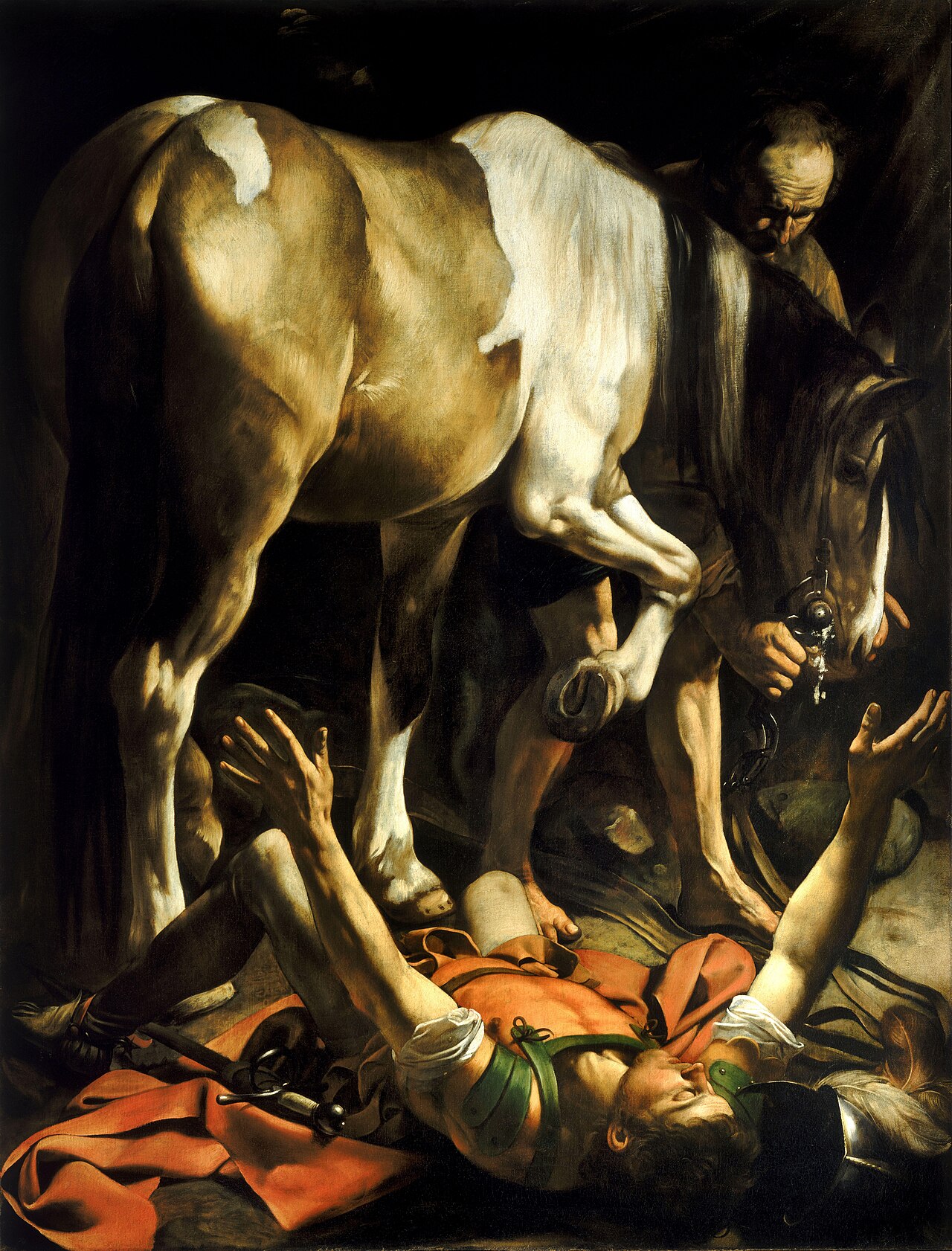
The Calling of Saint Matthew
Caravaggio · 1599–1600
 Artifact
Primary source
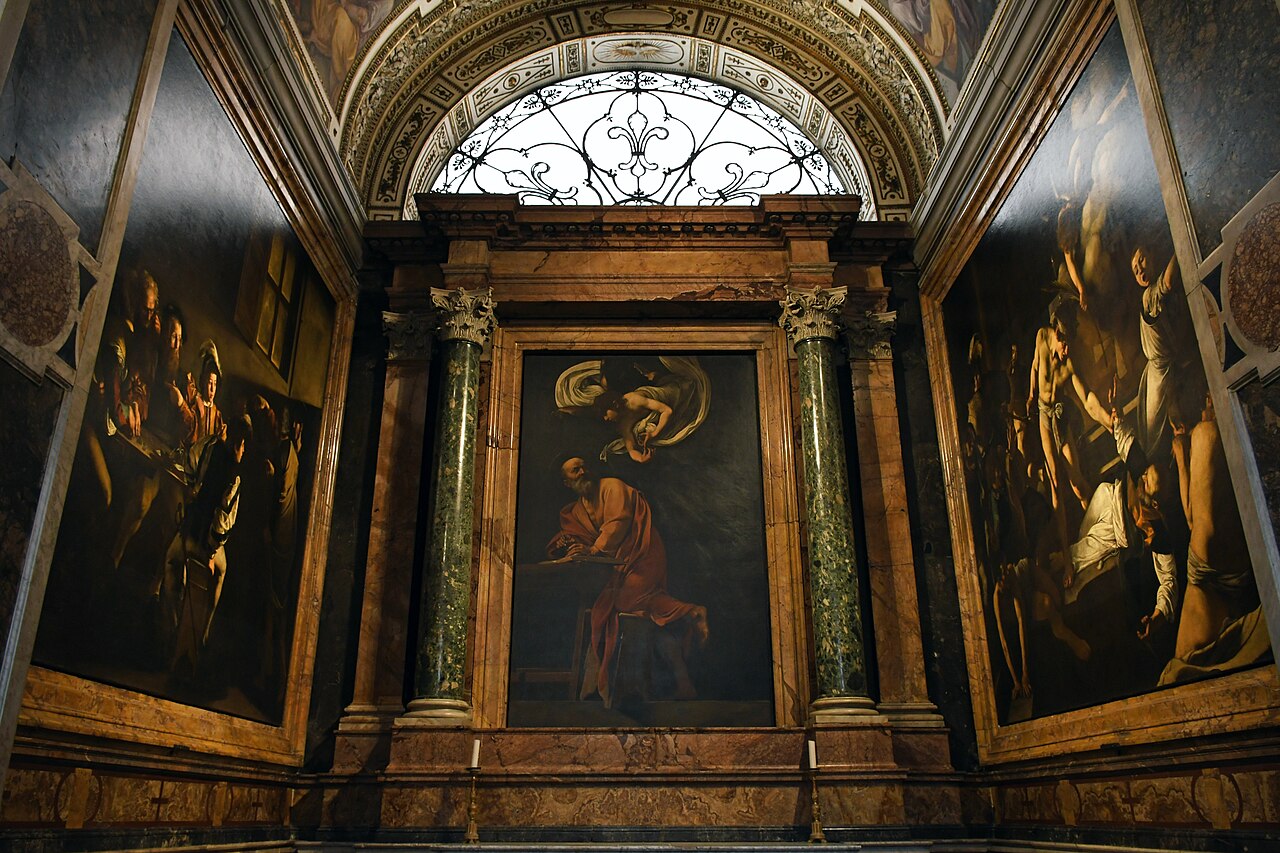
Contarelli Chapel
Caravaggio · 1600
 Painting
Secondary source
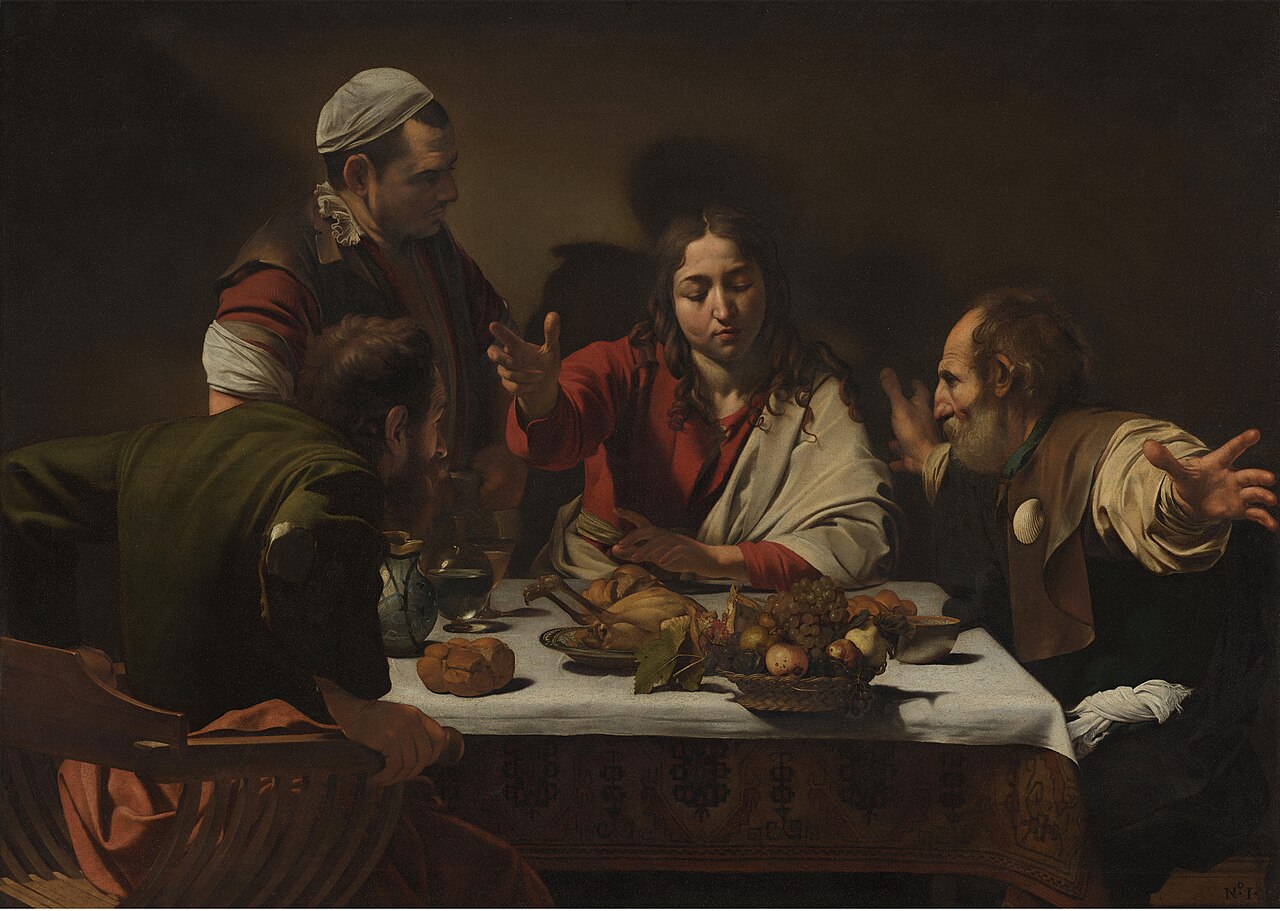
Supper at Emmaus
Caravaggio · 1601
 Painting
Secondary source
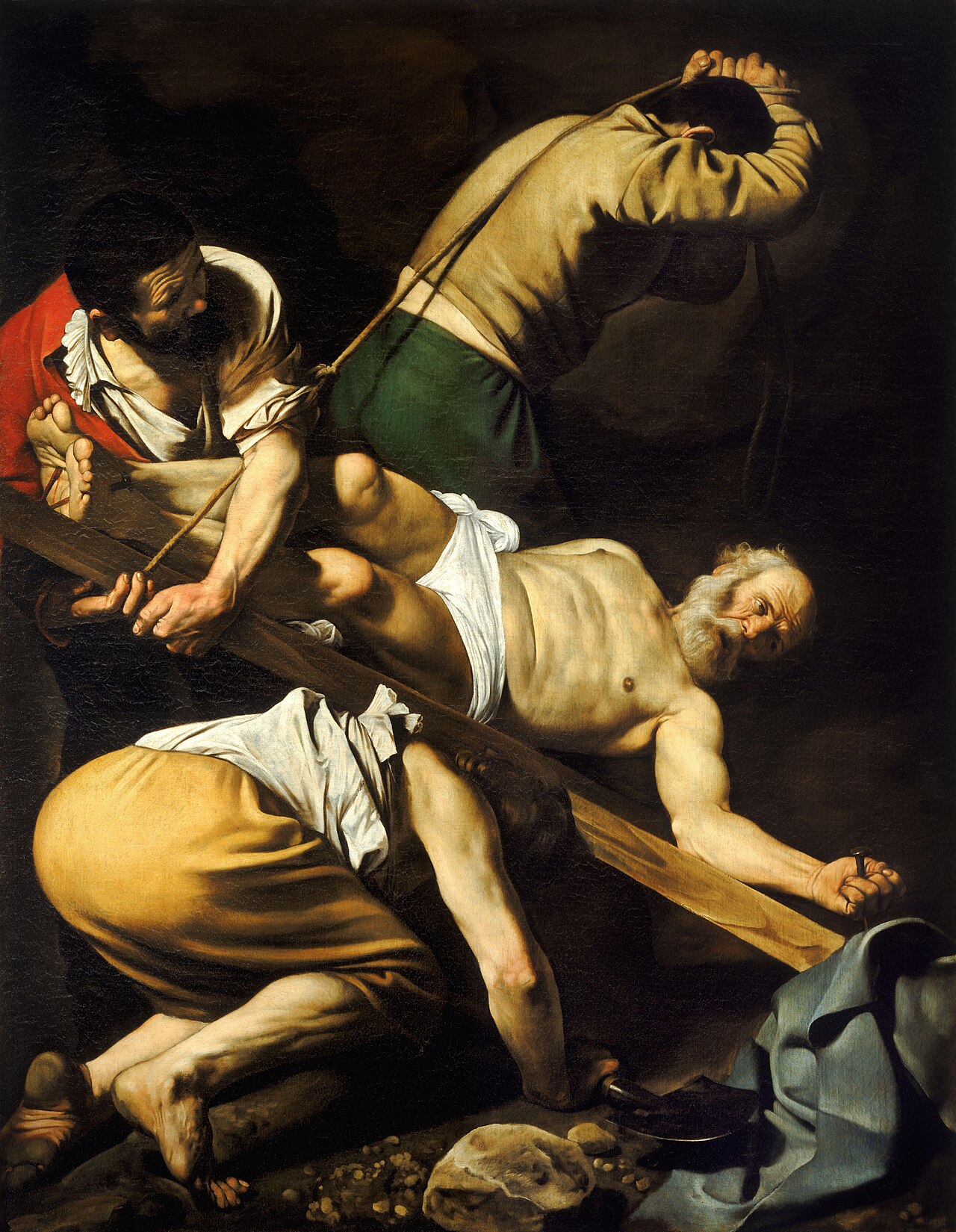
Crucifixion of Saint Peter
Caravaggio · 1600-1601
Free account
Read every Caravaggio source
Sign up free →
Ready when you are
Start chatting with Caravaggio now.
20 messages free · No credit card · Available in 50+ languages.