


Secondary sourcePainting
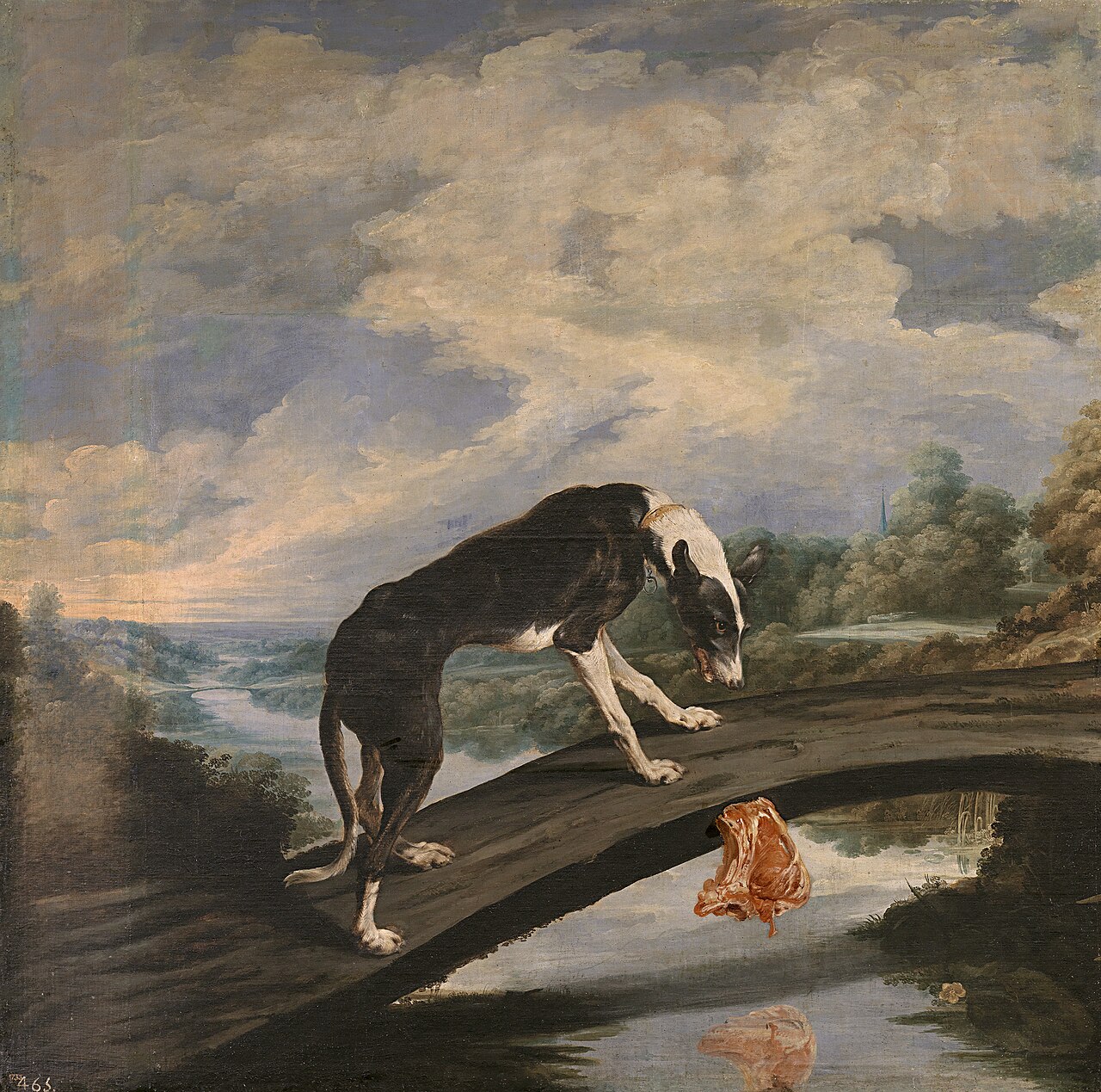
The Dog and Its Reflection
Aesop
A fable attributed to Aesop about a greedy dog that loses its food by snapping at its own reflection in the water.
This fable, attributed to Aesop, teaches contentment and is one of the best-known in his tradition.
About this source
What it is
This fable, numbered in the Perry Index of Aesop's Fables, is attested in the works of Phaedrus and Babrius and spread widely across Latin and later European retellings. It tells of a dog carrying food that sees its reflection in water, mistakes it for another dog with better food, and loses its own meal while trying to grab the reflection's.
Why it matters
The story's spread from ancient Greek sources through medieval bestiaries, painters such as Paul de Vos and Edwin Landseer, and writers such as La Fontaine shows how fables credited to Aesop travelled across centuries and cultures, always teaching contentment with what one already has.
Look closer
- Why do you think this fable has inspired so many painters over the centuries?
- What does the painting choose to show about the dog's mistake?
- How does this fable's lesson compare to other Aesopic stories about greed?
This painting is part of the curated material that grounds the AI version of Aesop on Humy.ai — when students ask about related events, the AI can quote it and cite it.
More Aesop sources
Browse all 85 →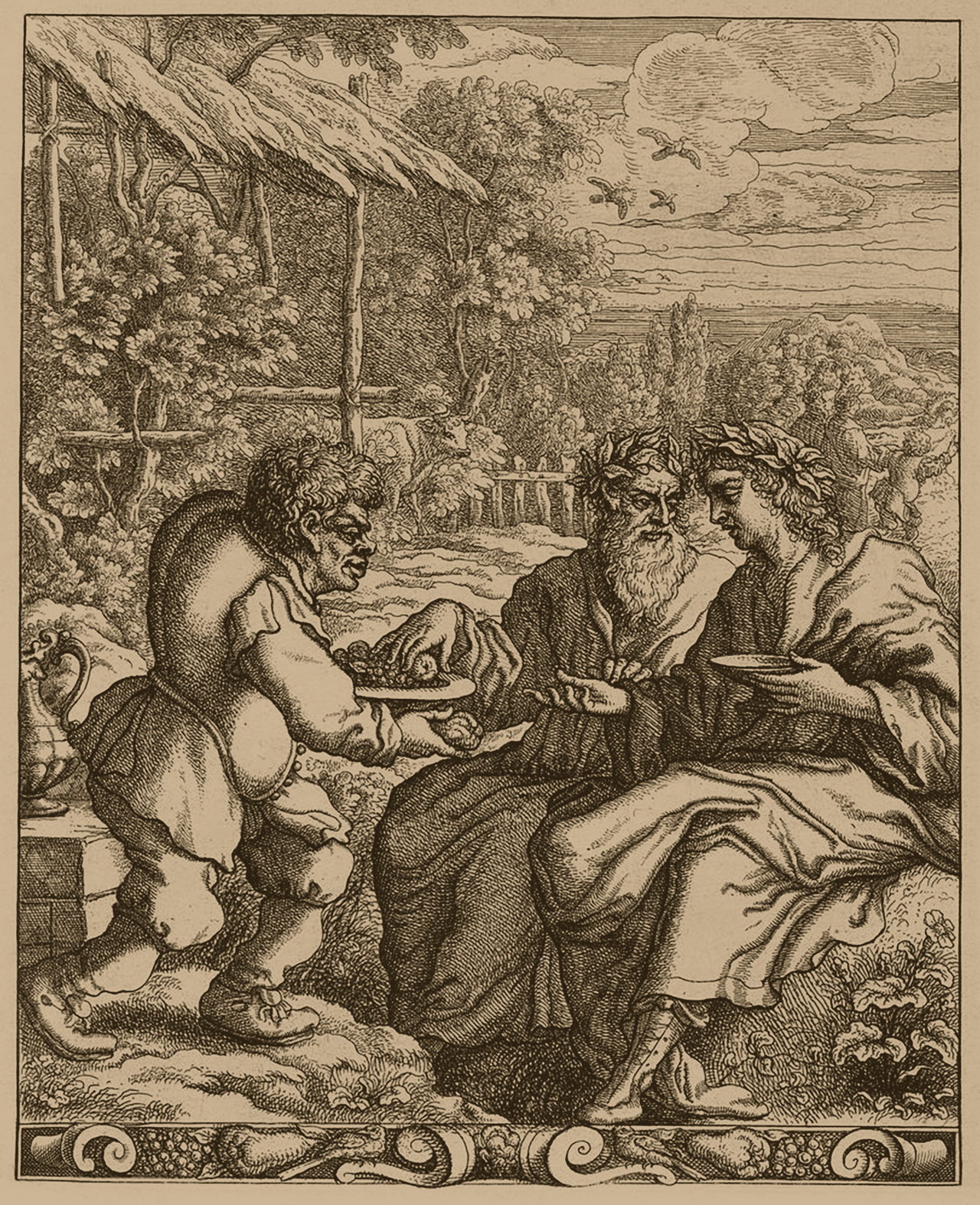 Book
Secondary source
Aesop's Fables
Aesop (attributed) · compiled from the 3rd century BCE onward
 Artifact
Secondary source
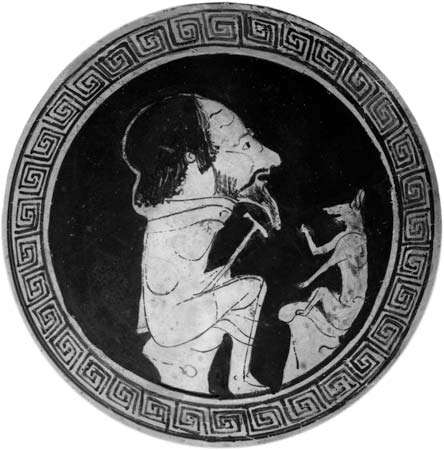
Aesop and the Fox (Red-Figure Kylix)
Unknown Greek artist · c. 450 BCE
 Book
Secondary source
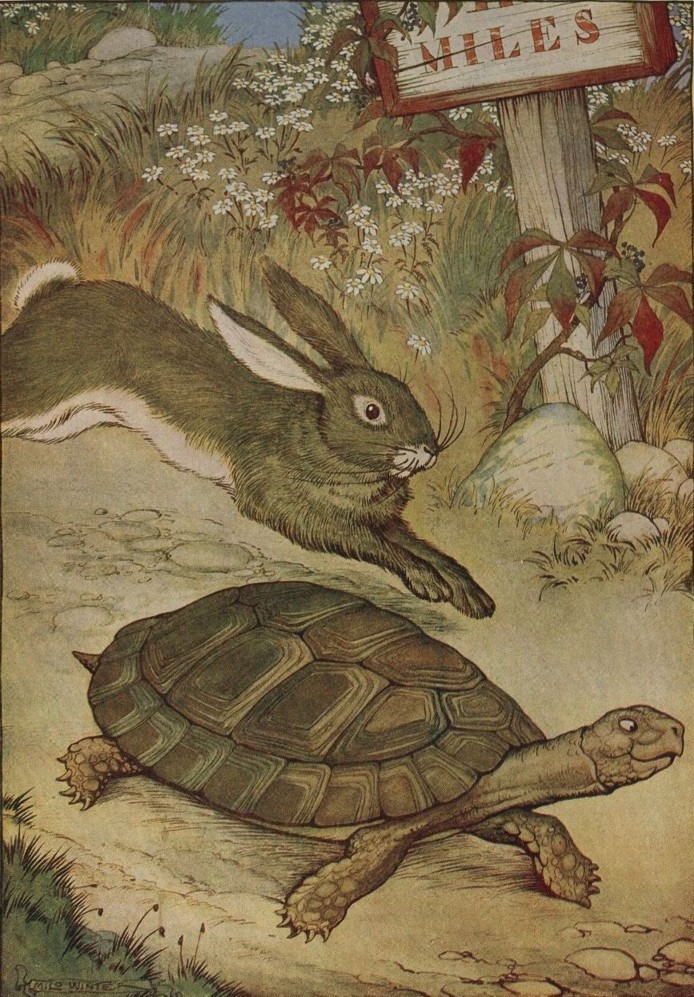
The Tortoise and the Hare
Aesop (attributed) · ancient Greek origin, no early Latin version; printed from 16th century
 Book
Secondary source
The Boy Who Cried Wolf
Aesop (attributed) · ancient Greek origin; translated into Latin in the 15th century
Free account
Read every Aesop source
Sign up free →
Ready when you are
Start chatting with Aesop now.
20 messages free · No credit card · Available in 50+ languages.