


Secondary sourceBookClassical antiquity
The Eagle and the Beetle
Aesop · Classical antiquity
An Aesop fable about a beetle's revenge on an eagle that destroyed a hare under its protection, said to have been told by Aesop before his death.
Ancient biography claims Aesop told this fable to the Delphians shortly before his death, linking it to his life story.
Free Humy account · No credit card · 120,912 sources to read
About this source
What it is
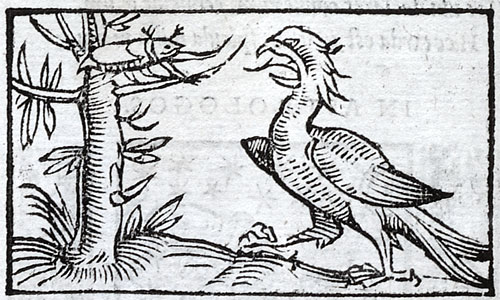
This fable tells of a feud between an eagle and a beetle: after the eagle kills a hare the beetle had sheltered, the beetle takes revenge by destroying the eagle's eggs, even after they are hidden in the lap of Zeus. It is numbered in the Perry Index and was well known in Classical times.
Why it matters
According to an ancient account of Aesop's life, he told this very fable to the people of Delphi shortly before his death, and the comic playwright Aristophanes referred to it as Aesop's. This ties the fable closely to the legends surrounding Aesop's biography, even though such details are hard to verify.
Look closer
- Why might ancient biographers have wanted to connect this particular fable to the story of Aesop's death?
- What does the fable suggest about how the ancient Greeks thought about justice and revenge?
- How does the woodcut's depiction of the eagle compare with the written description of the story?
This book is part of the curated material that grounds the AI version of Aesop on Humy.ai — when students ask about related events, the AI can quote it and cite it.
More Aesop sources
Browse all 85 →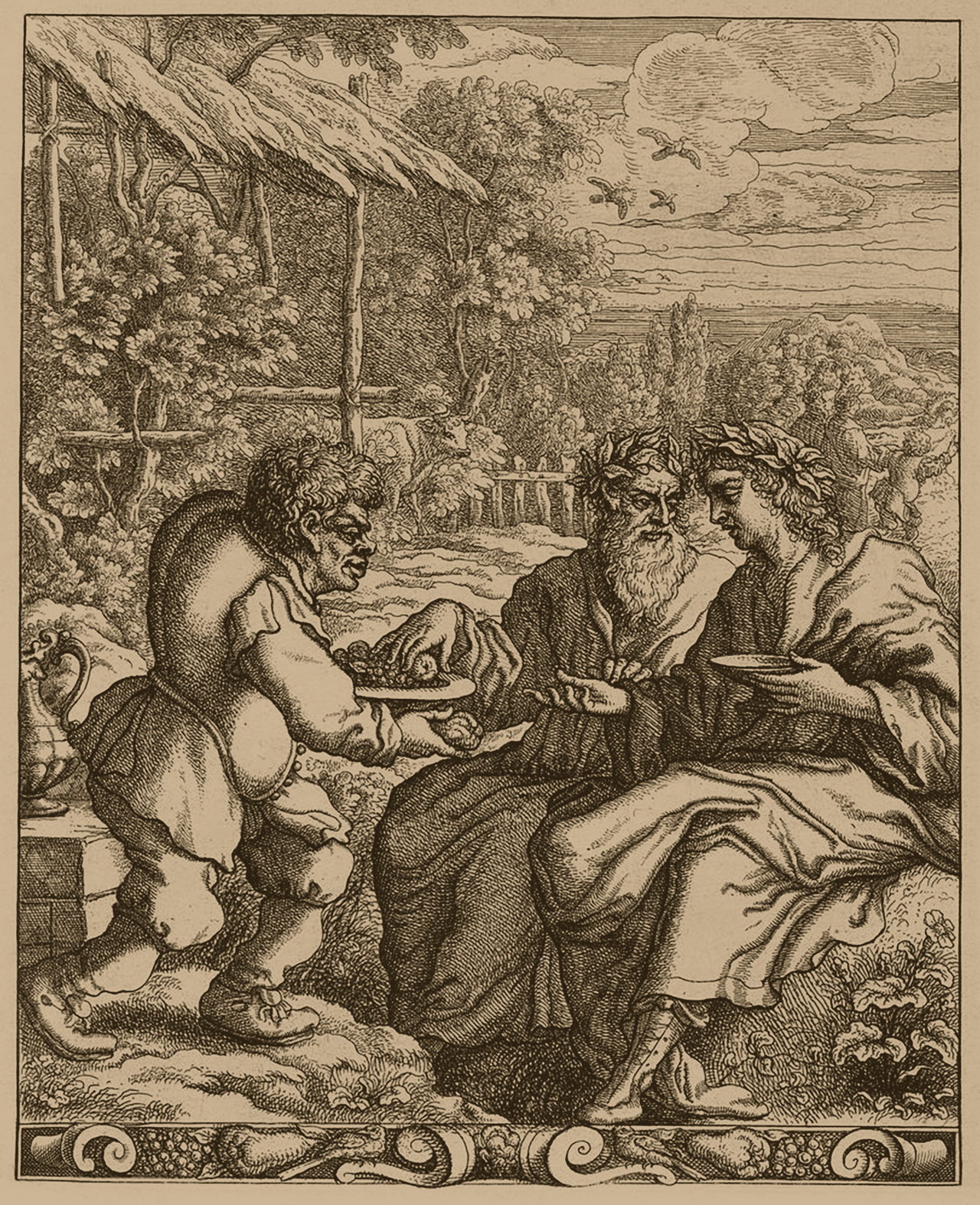 Book
Secondary source
Aesop's Fables
Aesop (attributed) · compiled from the 3rd century BCE onward
 Artifact
Secondary source
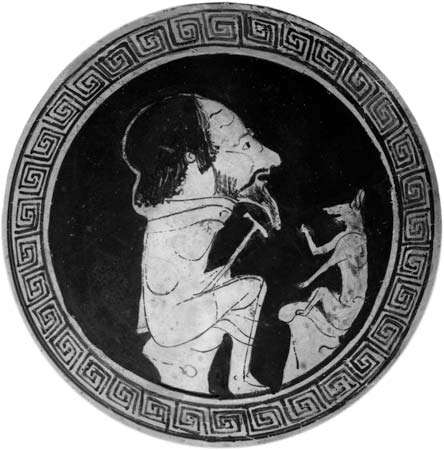
Aesop and the Fox (Red-Figure Kylix)
Unknown Greek artist · c. 450 BCE
 Book
Secondary source
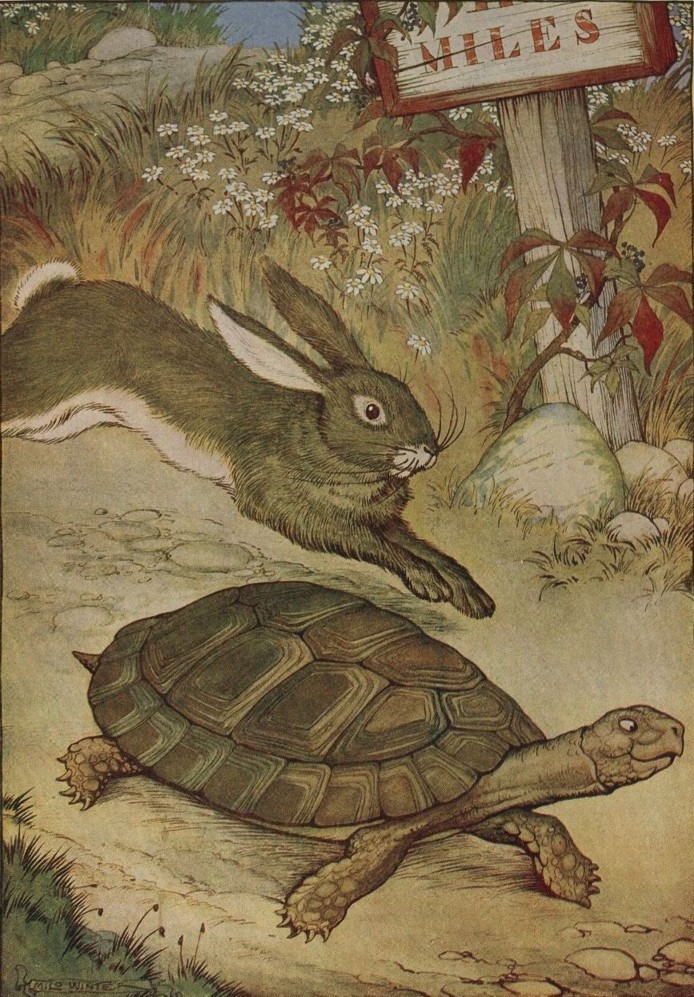
The Tortoise and the Hare
Aesop (attributed) · ancient Greek origin, no early Latin version; printed from 16th century
 Book
Secondary source
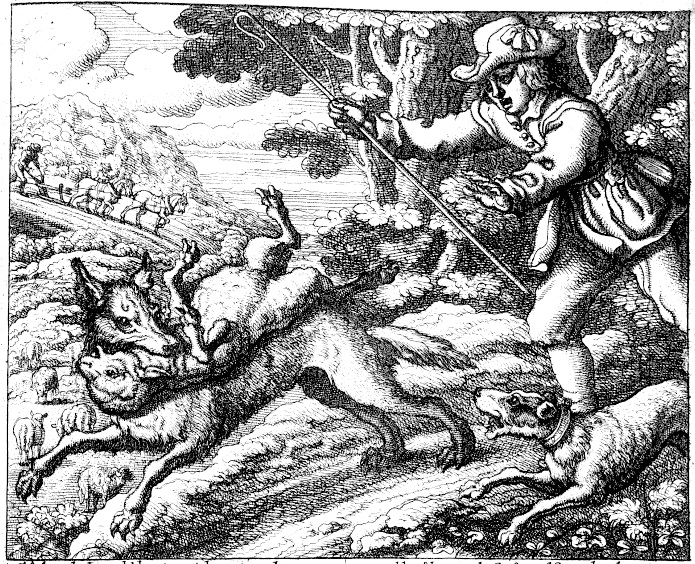
The Boy Who Cried Wolf
Aesop (attributed) · ancient Greek origin; translated into Latin in the 15th century
Free account
Read every Aesop source
Sign up free →
Ready when you are
Start chatting with Aesop now.
20 messages free · No credit card · Available in 50+ languages.