


Secondary sourceBook1914
The Early History of India from 600 B.C.
Vincent A. Smith · 1914
A 1914 scholarly history by Vincent Smith covering Chandragupta Maurya's conquests and the Mauryan state.
Covers Chandragupta Maurya's conquests as part of its narrative of early Indian history.
About this source
What it is
This is a 1914 history book by Vincent A. Smith, a scholar and former member of the Indian Civil Service, covering Indian history from 600 BCE to the Muhammadan conquest, including the invasion of Alexander the Great and the rise of Chandragupta Maurya. It includes a dedicated section on historical sources.
Why it matters
Smith's book was an influential early attempt to piece together Chandragupta's conquests and the formation of the Mauryan Empire using available Greek and Indian evidence. It reflects the scholarship and assumptions of its time, written during British colonial rule of India.
Look closer
- Why might a book written in 1914 about ancient India reflect the views of the British colonial period?
- What kinds of evidence does Smith rely on to describe events over two thousand years earlier?
- How might later historians have revised or challenged Smith's account?
This book is part of the curated material that grounds the AI version of Chandragupta Maurya on Humy.ai — when students ask about related events, the AI can quote it and cite it.
More Chandragupta Maurya sources
Meet the AI Chandragupta Maurya →Secondary source
Arthashastra
Chanakya (traditional attribution) · c. 1st–3rd century CE (traditionally attributed to Chanakya, c. 300 BCE)
 Document
Secondary source
Junagadh Rock Inscription of Rudradaman
Rudradaman I (commissioner) · shortly after 150 CE
 Book
Secondary source
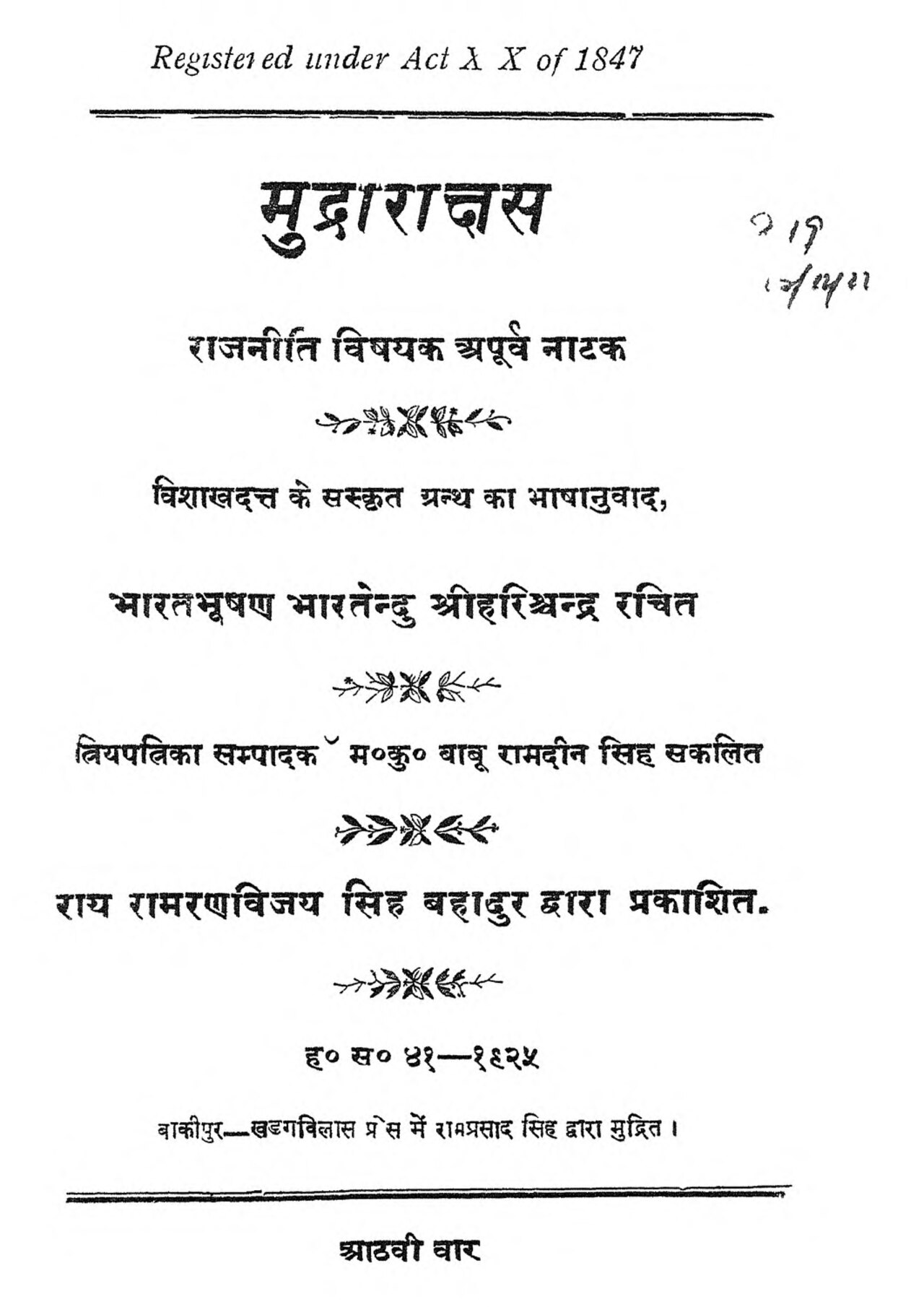
Mudrarakshasa
Vishakhadatta · between the 4th and 8th century CE
 Document
Primary source
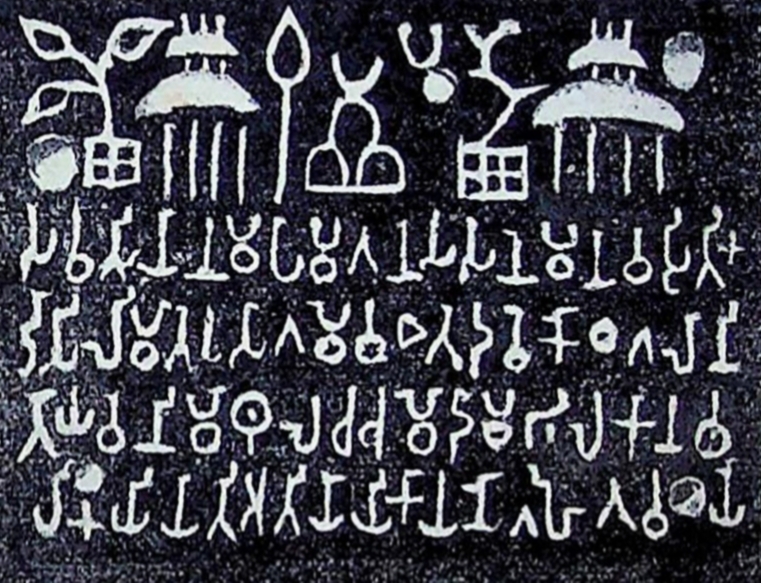
Sohgaura Copper Plate Inscription
3rd century BCE
 Document
Secondary source
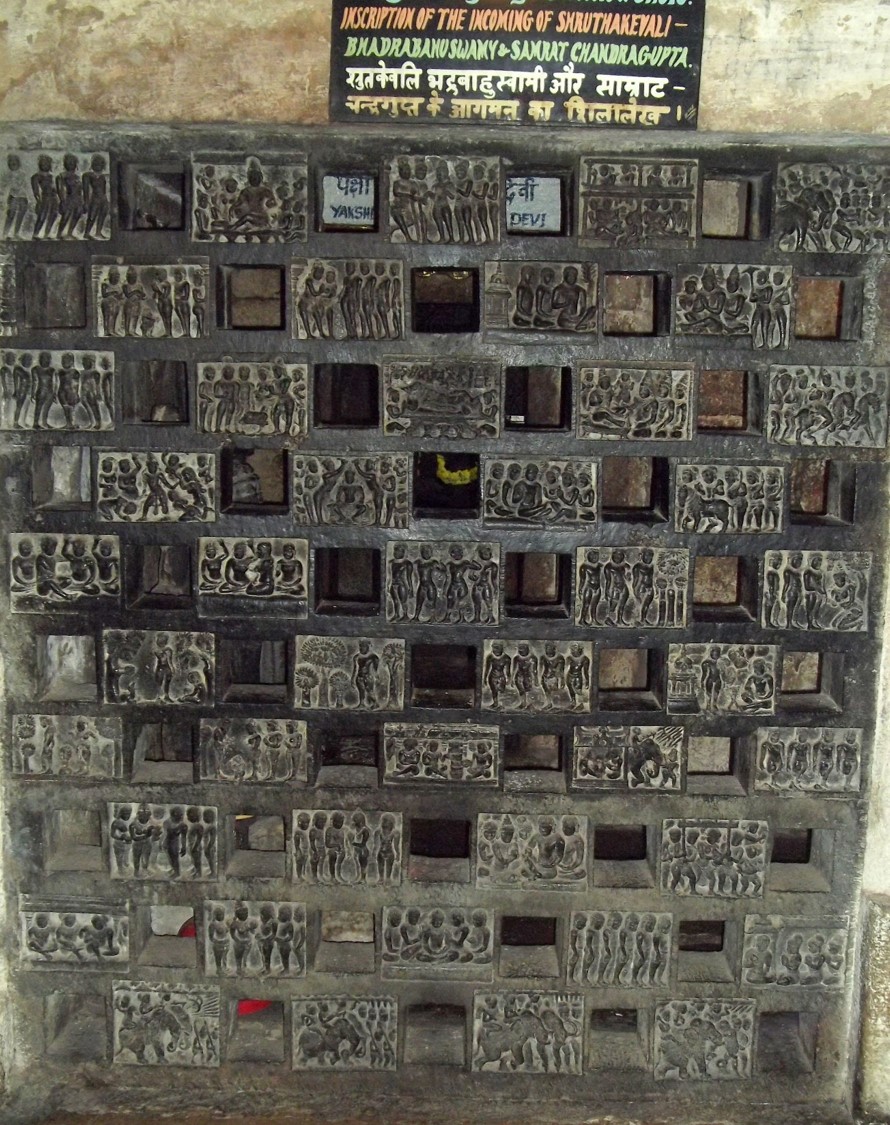
Shravanabelagola Inscription of Bhadrabahu and Chandragupta
Ready when you are
Start chatting with Chandragupta Maurya now.
20 messages free · No credit card · Available in 50+ languages.