


Secondary sourcePaintingc. 1690-1710
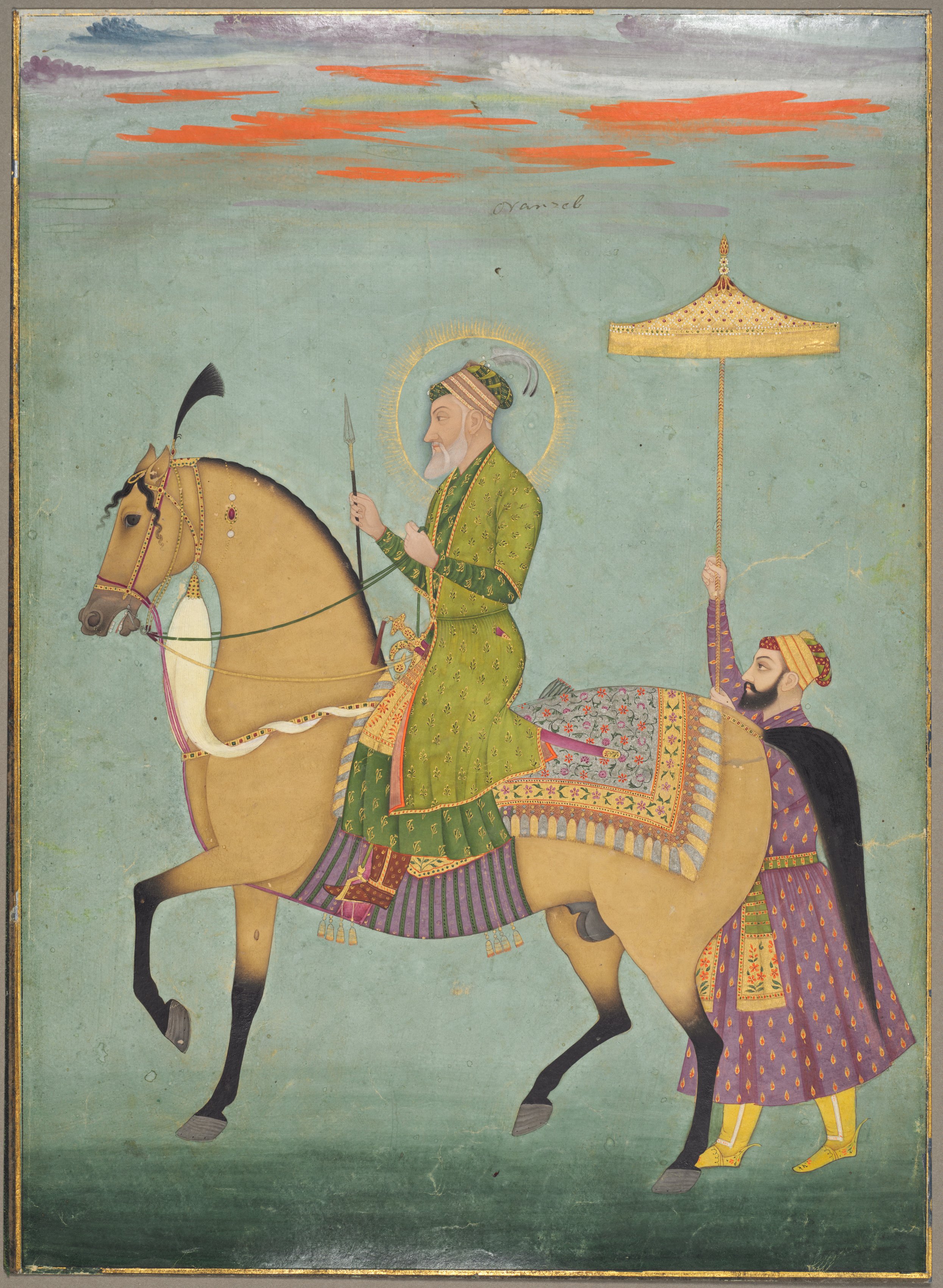
The Emperor Alamgir on Horseback
c. 1690-1710
An equestrian portrait of Aurangzeb shown ready for battle on a decorated horse, reflecting his military campaigns and European-influenced court art.
This equestrian portrait shows Aurangzeb himself in military guise, reflecting his decades of campaigning in the Deccan.
About this source
What it is
This painting, made between about 1690 and 1710, shows Aurangzeb mounted on a decorated horse, holding a spear with his sword ready, while an attendant holds a jeweled parasol above him. It is held by the Cleveland Museum of Art and belongs to the equestrian portrait genre inspired by European prints given to the Mughal court.
Why it matters
The parasol was an ancient Indian symbol of kingship, and the martial pose reflects Aurangzeb's reign, much of which was spent campaigning to conquer the Deccan region, eventually expanding the Mughal Empire to its largest size. The painting also shows how European art influenced Mughal court painting style.
Look closer
- Why would an emperor want to be shown ready for battle rather than at rest?
- What does the parasol symbolize, and why is someone else holding it for him?
- How might European artistic influence have changed the way Mughal rulers were portrayed?
This painting is part of the curated material that grounds the AI version of Aurangzeb on Humy.ai — when students ask about related events, the AI can quote it and cite it.
More Aurangzeb sources
Meet the AI Aurangzeb →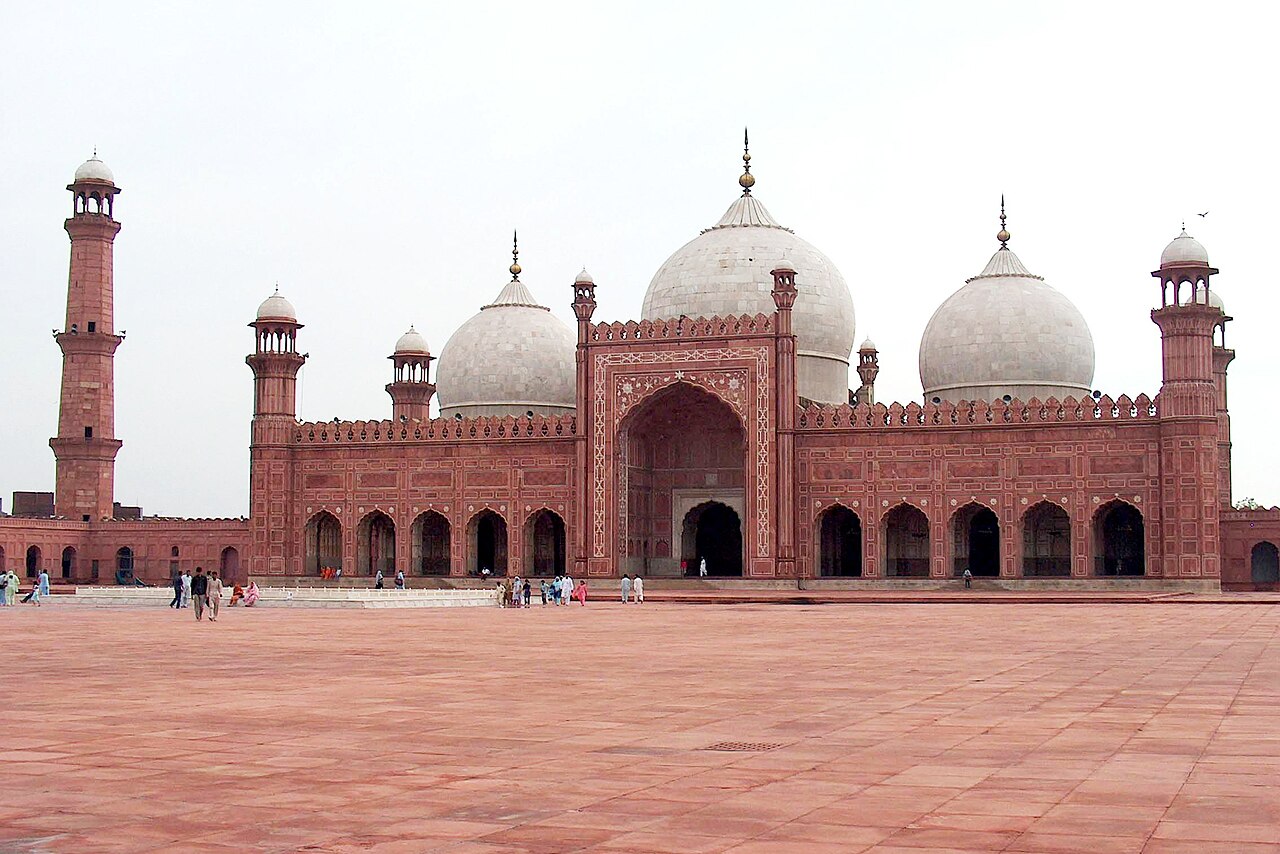 Artifact
Primary source
Badshahi Mosque
1671–1673
 Document
Primary source
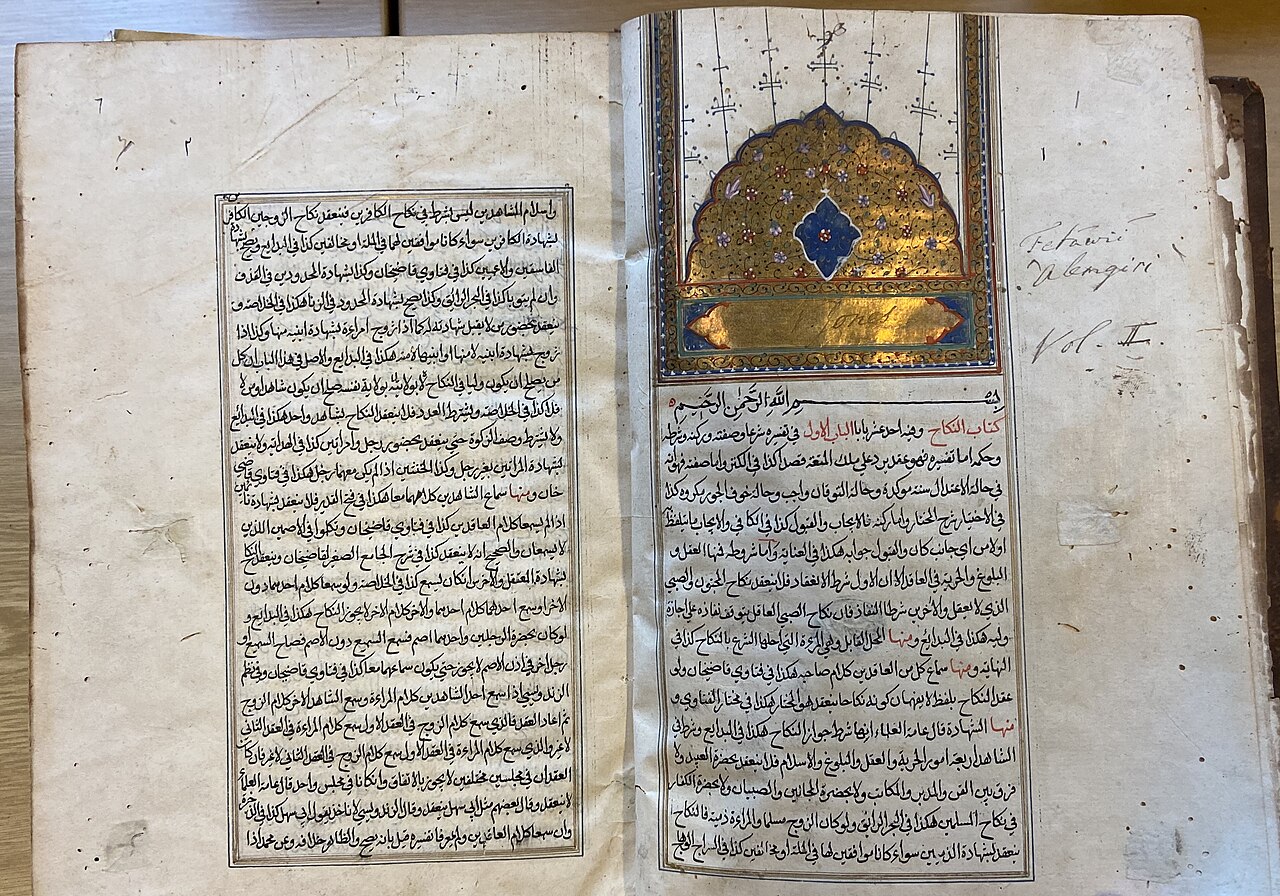
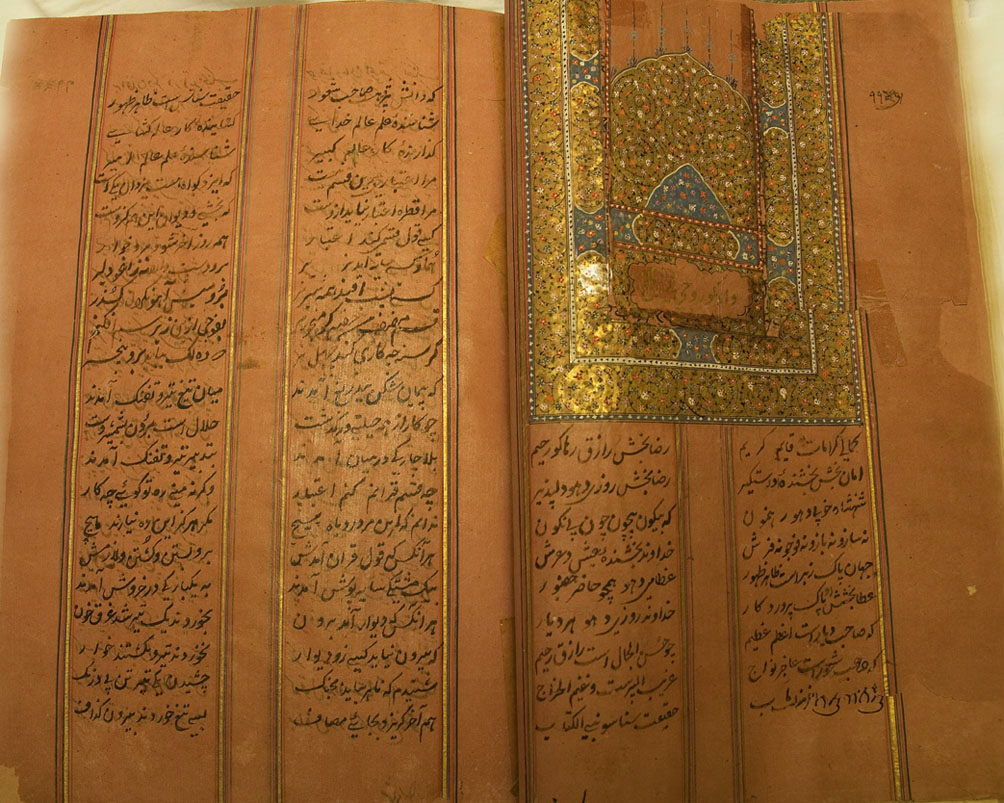
Fatawa-i Alamgiri Manuscript
17th century (this copy later recopied)
 Book
Secondary source
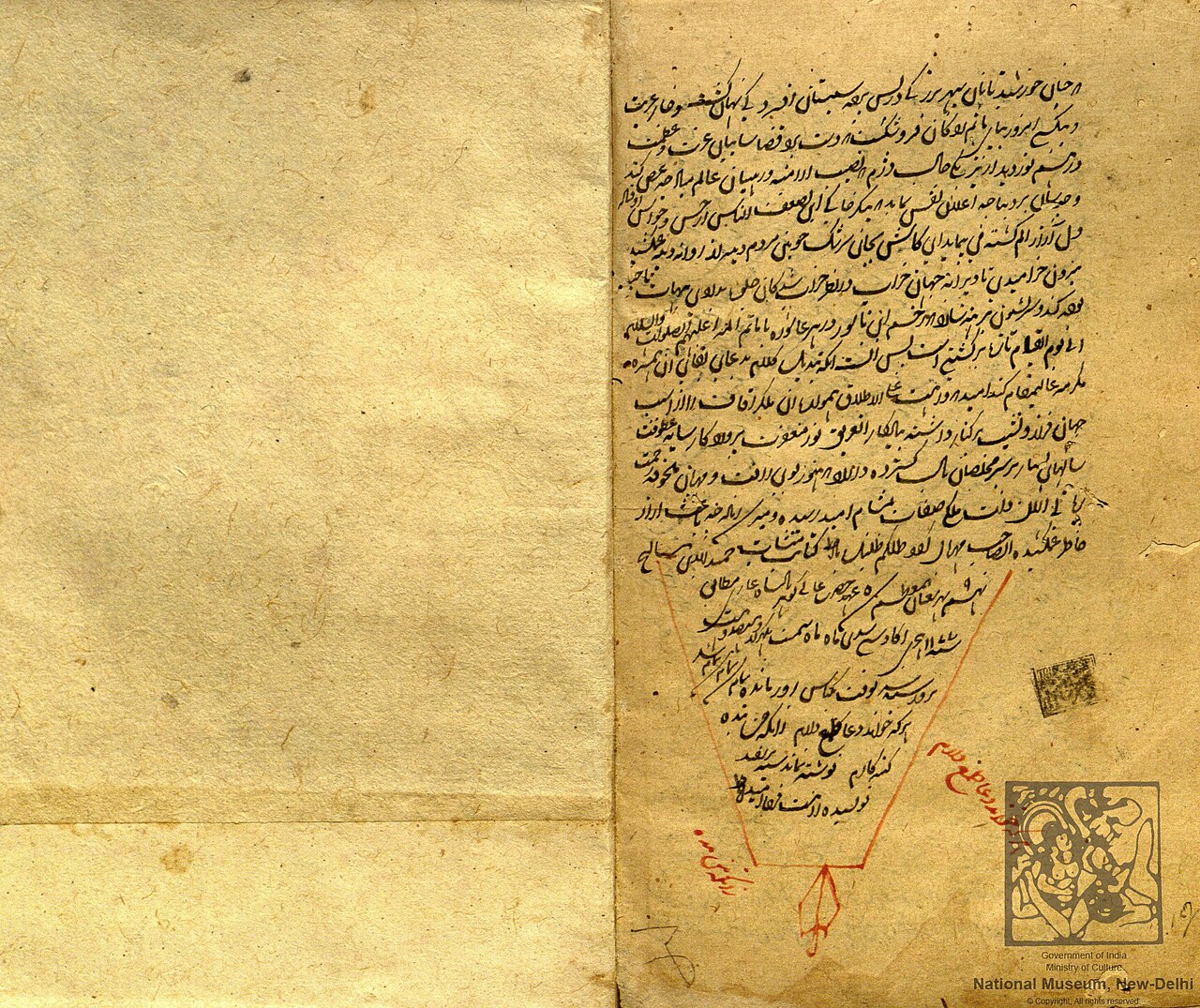
Maasir-i-Alamgiri
Saqi Musta'id Khan · c. 1710 (this copy 1763-1764)
Primary source
Ruka'at-i-Alamgiri
Aurangzeb · 17th century
 Letter
Primary source
Zafarnamah
Guru Gobind Singh · 1705
Ready when you are
Start chatting with Aurangzeb now.
20 messages free · No credit card · Available in 50+ languages.