


Primary sourcePaintingc. 1705-1720
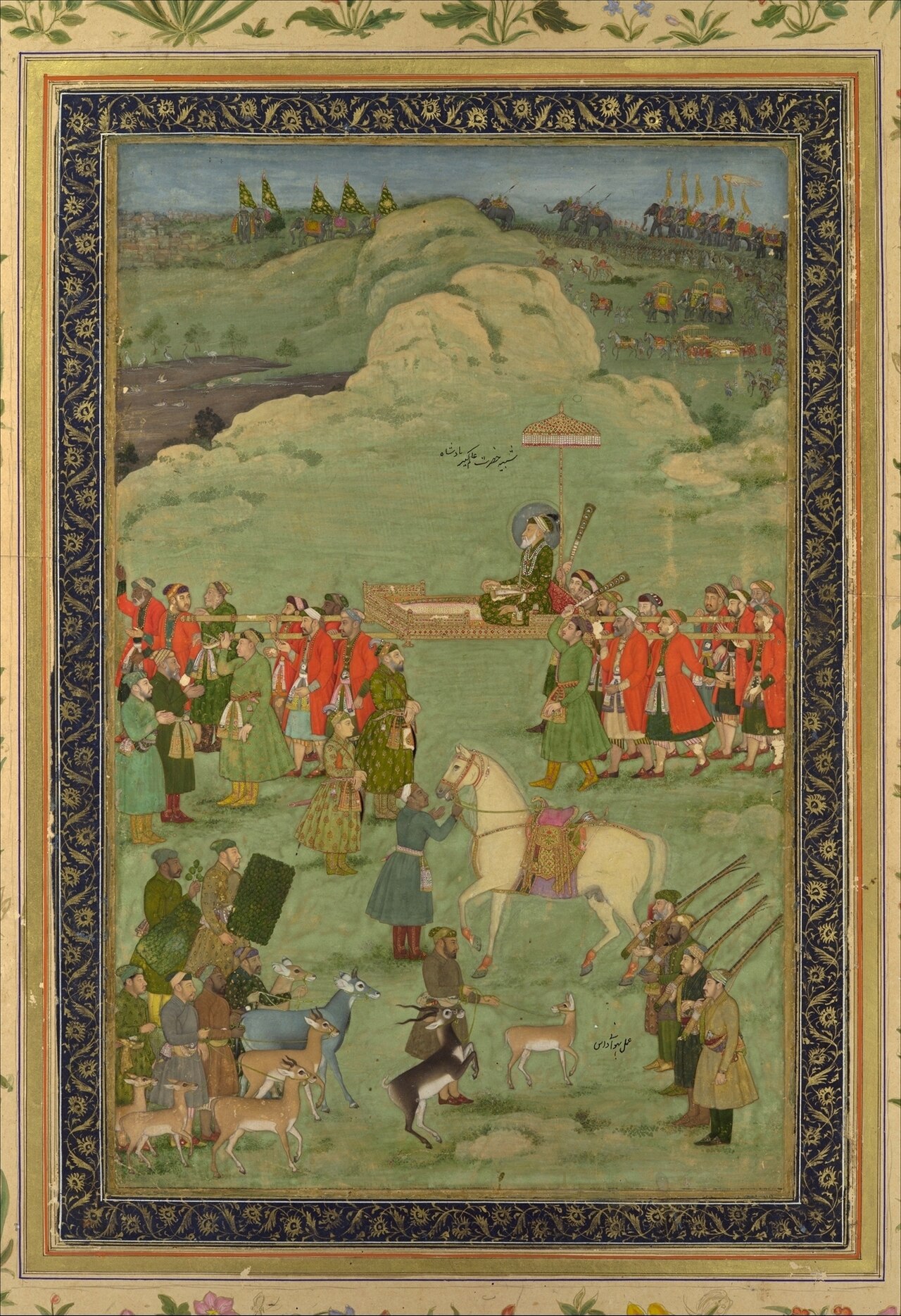
The Emperor Aurangzeb Carried on a Palanquin
Bhavanidas · c. 1705-1720
A Mughal miniature painting by Bhavanidas showing Emperor Aurangzeb being carried in a palanquin through a landscape, surrounded by attendants and guards.
A court painting from near the end of Aurangzeb's reign depicting him in ceremonial procession on a palanquin.
About this source
What it is
This miniature painting, made by the artist Bhavanidas around 1705–1720, shows Emperor Aurangzeb seated under a golden canopy on a palanquin, carried by bearers through a green landscape. Attendants, guards, a horse, and elephants appear around the procession. The painting is held at the Metropolitan Museum of Art.
Why it matters
This image, made near the end of Aurangzeb's long reign, shows the scale and ceremony surrounding the emperor as he traveled. It reflects how Mughal court artists like Bhavanidas documented imperial processions, giving historians visual evidence of royal power and travel in this period.
- What details in the painting suggest wealth and power, and what might they have been meant to communicate?
- Why might an artist include elephants, guards, and banners in the background?
- What would this scene not tell you about ordinary life outside the emperor's procession?
This painting is part of the curated material that grounds the AI version of Aurangzeb on Humy.ai — when students ask about related events, the AI can quote it and cite it.
More Aurangzeb sources
Meet the AI Aurangzeb →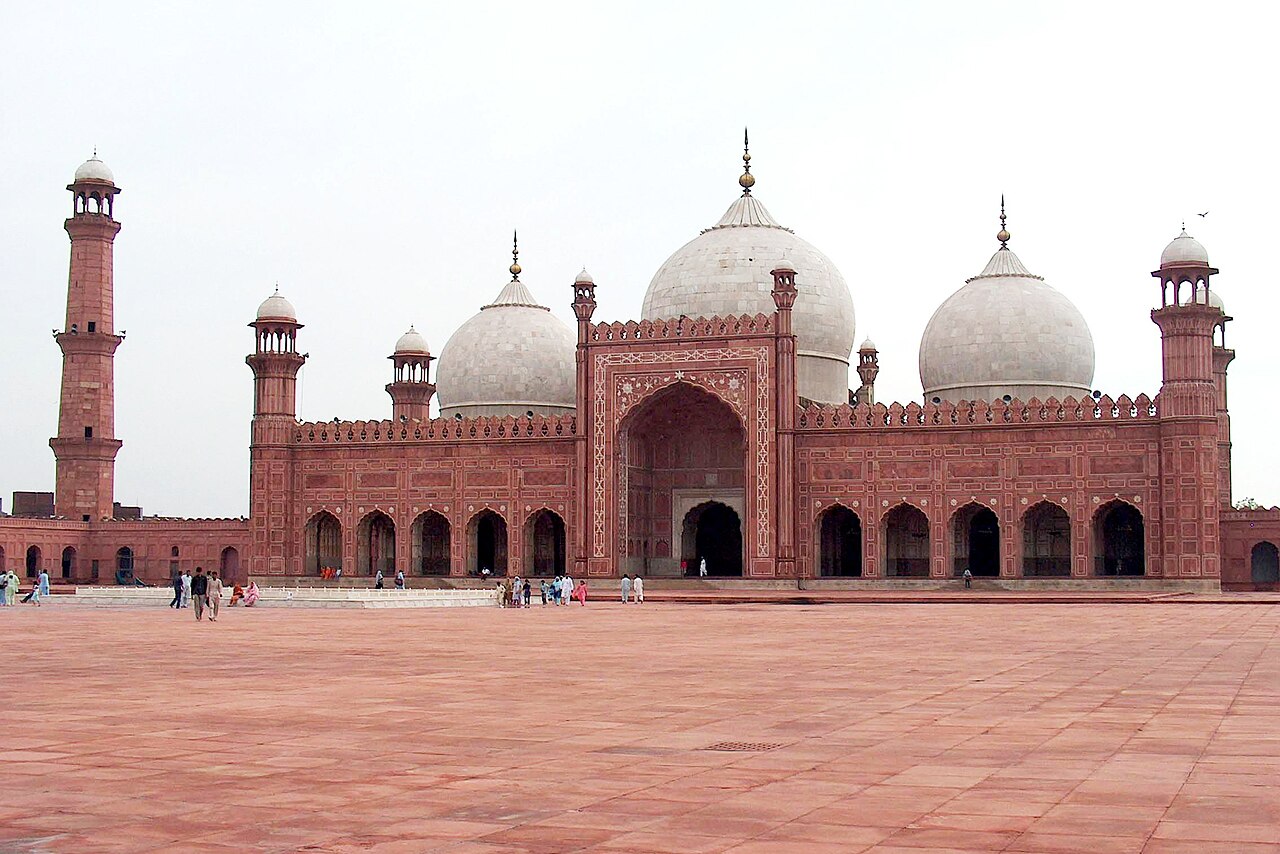 Artifact
Primary source
Badshahi Mosque
1671–1673
 Document
Primary source
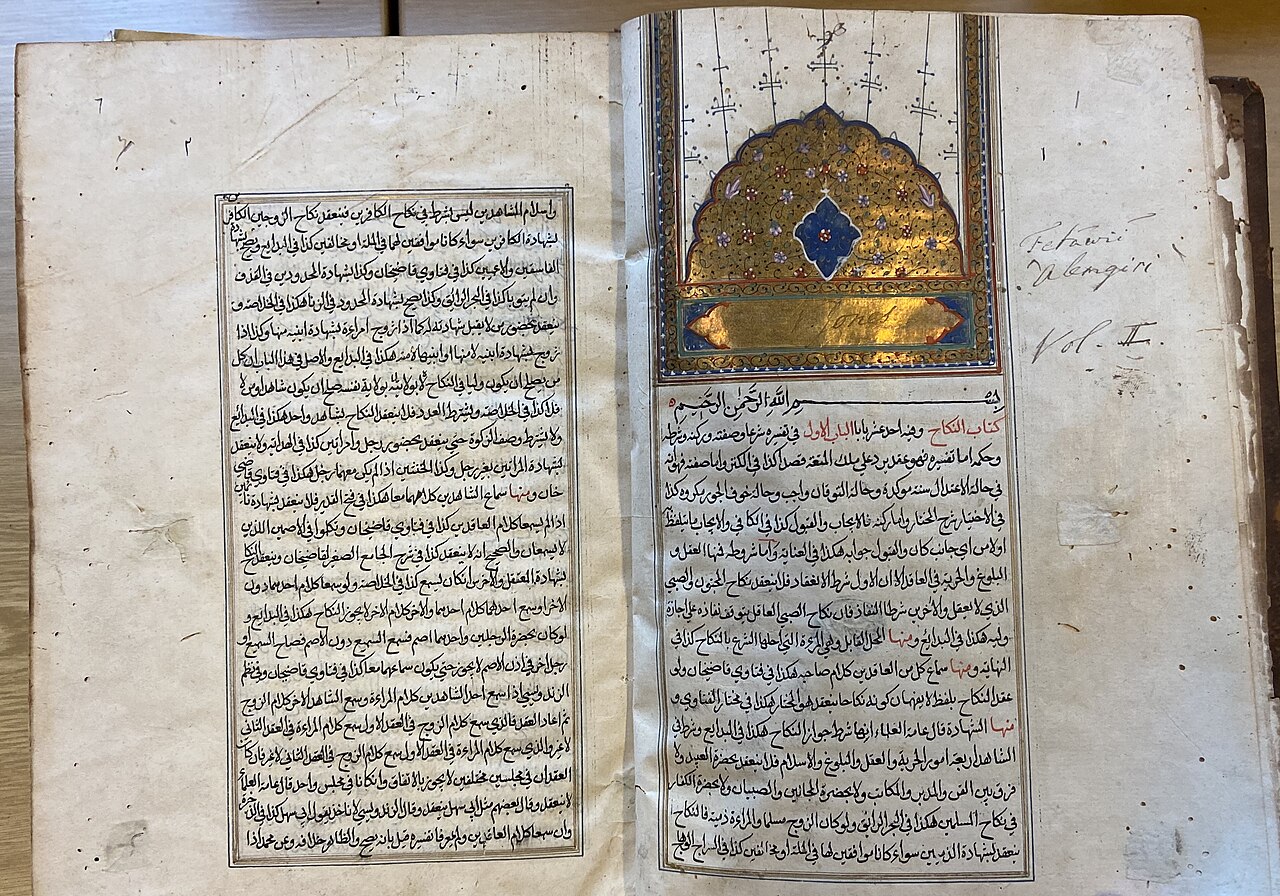
Fatawa-i Alamgiri Manuscript
17th century (this copy later recopied)
 Book
Secondary source
Maasir-i-Alamgiri
Saqi Musta'id Khan · c. 1710 (this copy 1763-1764)
Primary source
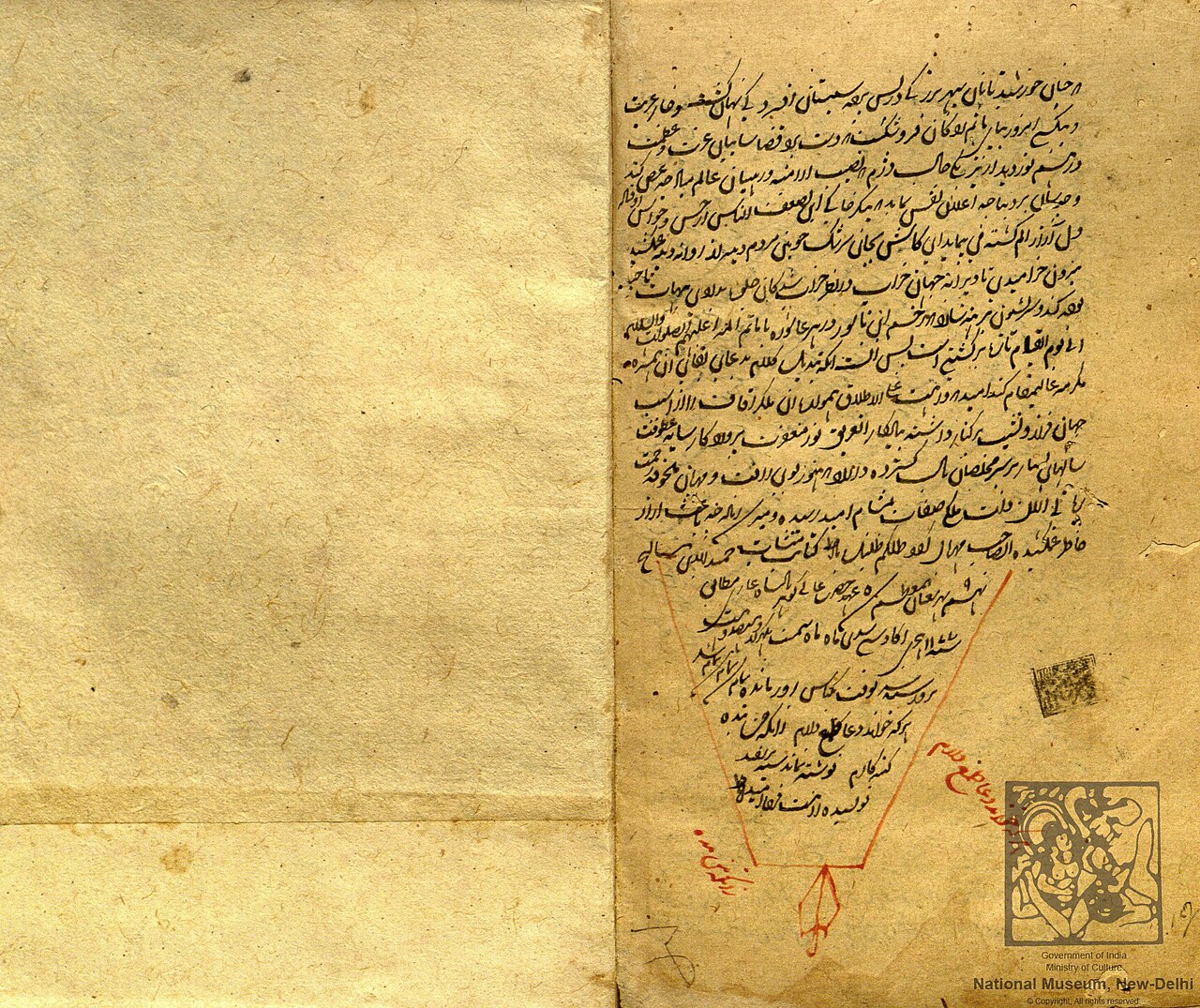
Ruka'at-i-Alamgiri
Aurangzeb · 17th century
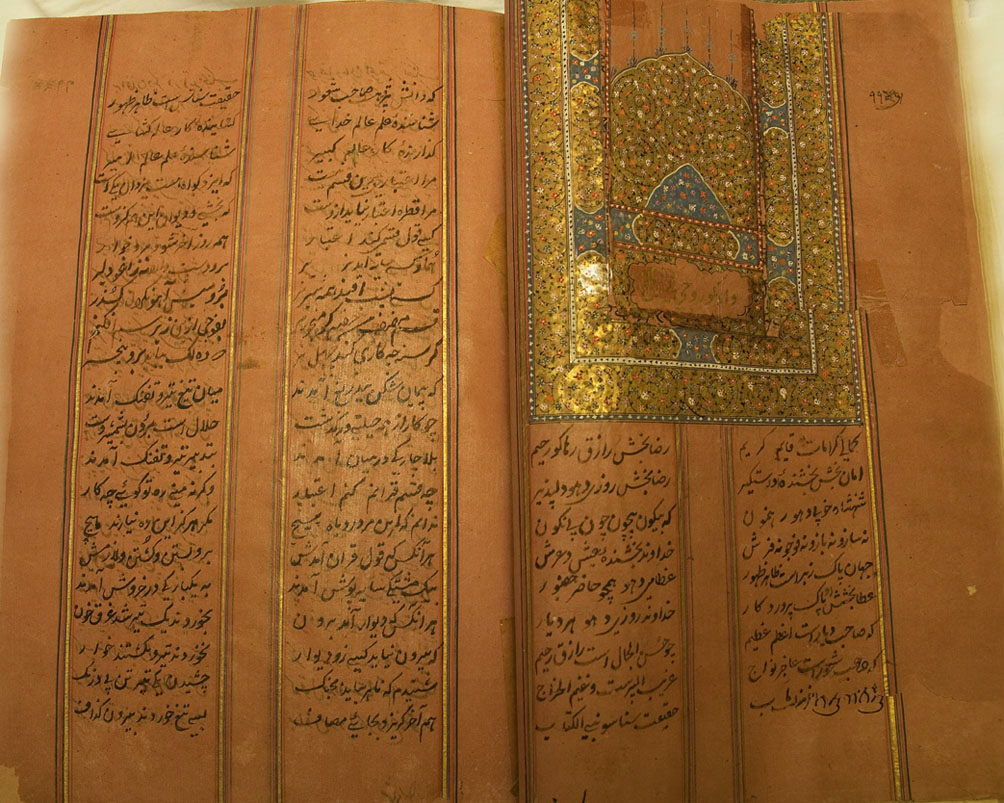 Letter
Primary source
Zafarnamah
Guru Gobind Singh · 1705
Ready when you are
Start chatting with Aurangzeb now.
20 messages free · No credit card · Available in 50+ languages.