


Secondary sourceBook1894
The Fables of Aesop, selected and retold
Joseph Jacobs · 1894
An 1894 book of Aesop's fables selected and retold by Joseph Jacobs, held by the Boston Public Library. It shows how later editors reshaped Aesop's tales.
Jacobs's 1894 edition retells fables credited to Aesop and traces their history, showing how later editors shaped his stories.
Free Humy account · No credit card · 120,912 sources to read
About this source
What it is
This is a book titled The Fables of Aesop, Selected, Told Anew and Their History Traced, by Joseph Jacobs. It was published in London and New York by Macmillan & Co. in 1894. The copy shown is held by the Boston Public Library, and its record describes a full crushed brown morocco binding with colored pictorial inlays. The book is a modern retelling, not a text written by Aesop himself.
Why it matters
Jacobs's preface notes that many hundreds of fables have been printed in English under Aesop's name, so a careful editor had to choose which ones were genuine and popular. His book shows how Victorian scholars and publishers gathered, selected and retold these stories for English readers in the 1890s.
Look closer
- Why might an editor in 1894 decide which fables counted as the most familiar and effective?
- What does the book's title tell you about what the editor promised readers?
- What might a retelling add to the original fables, and what might it drop?
This book is part of the curated material that grounds the AI version of Aesop on Humy.ai — when students ask about related events, the AI can quote it and cite it.
More Aesop sources
Browse all 85 →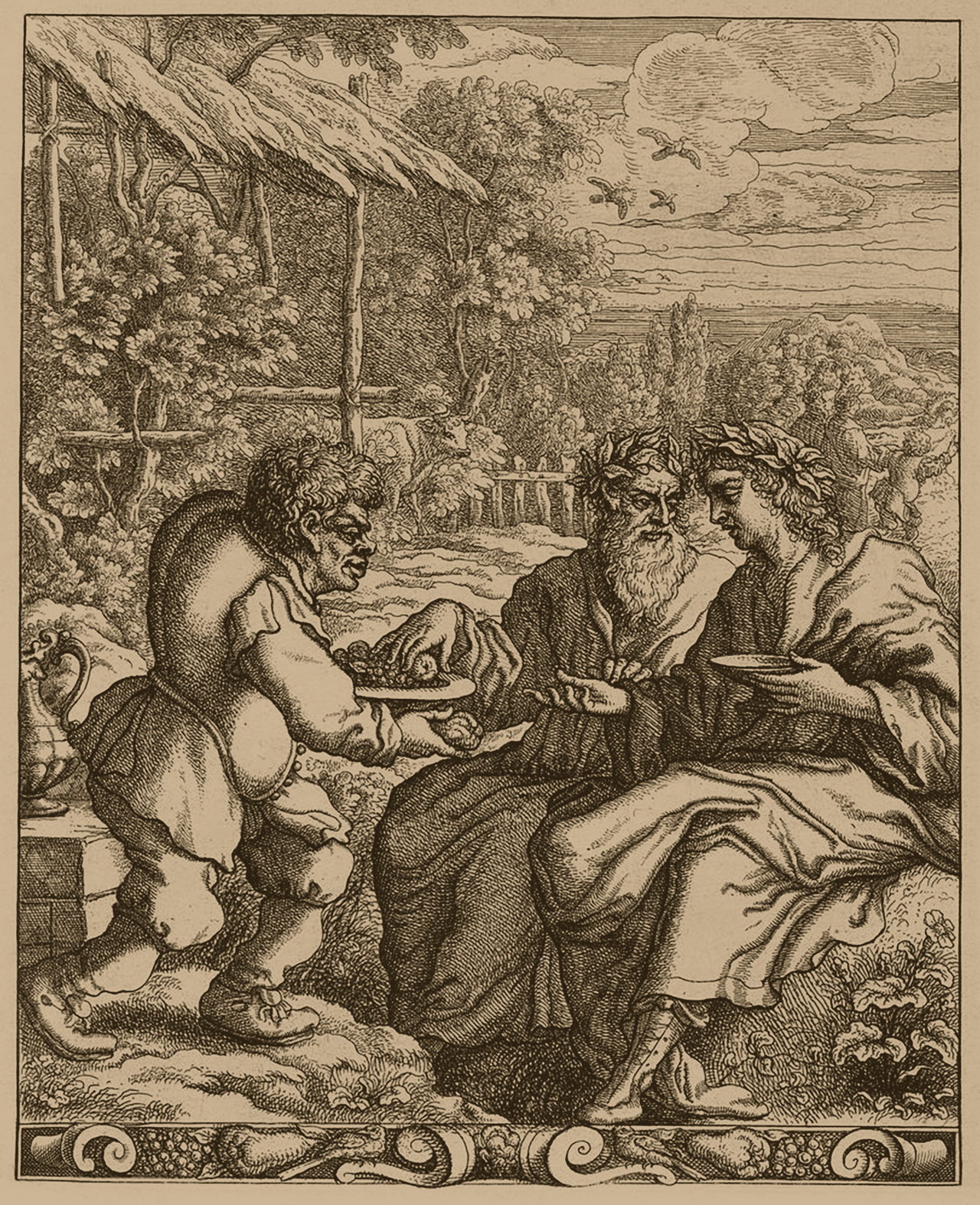 Book
Secondary source
Aesop's Fables
Aesop (attributed) · compiled from the 3rd century BCE onward
 Artifact
Secondary source
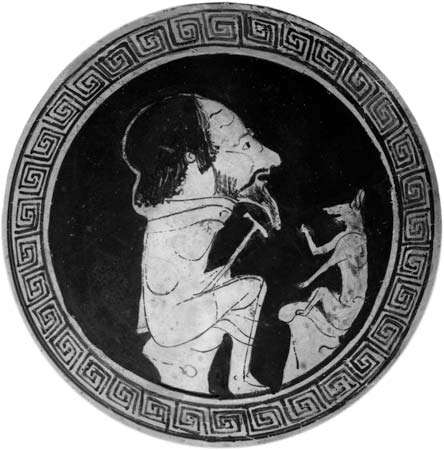
Aesop and the Fox (Red-Figure Kylix)
Unknown Greek artist · c. 450 BCE
 Book
Secondary source
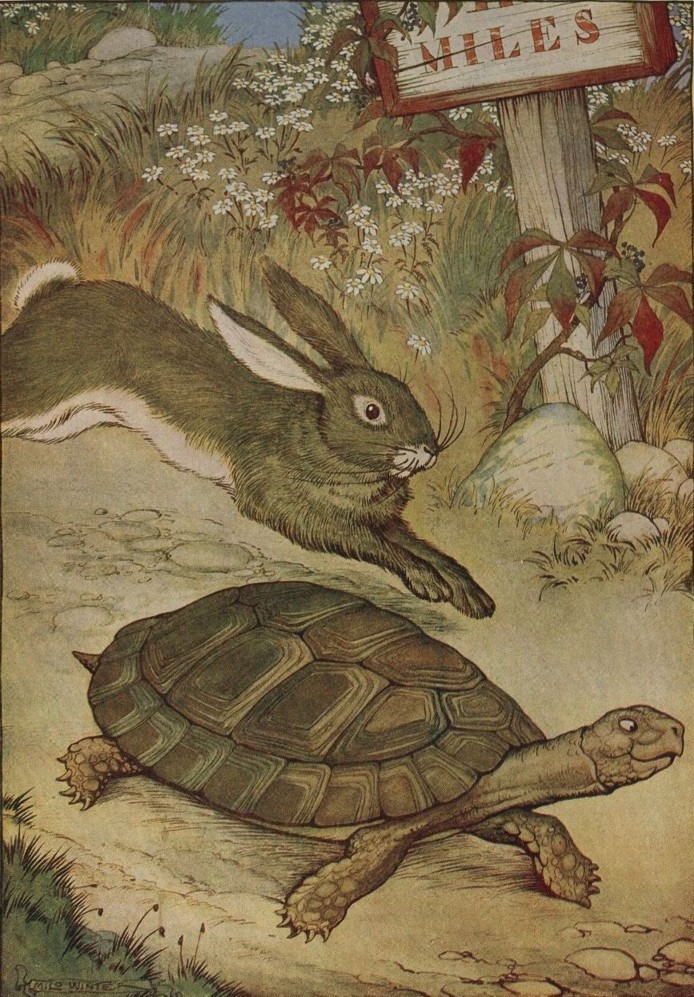
The Tortoise and the Hare
Aesop (attributed) · ancient Greek origin, no early Latin version; printed from 16th century
 Book
Secondary source
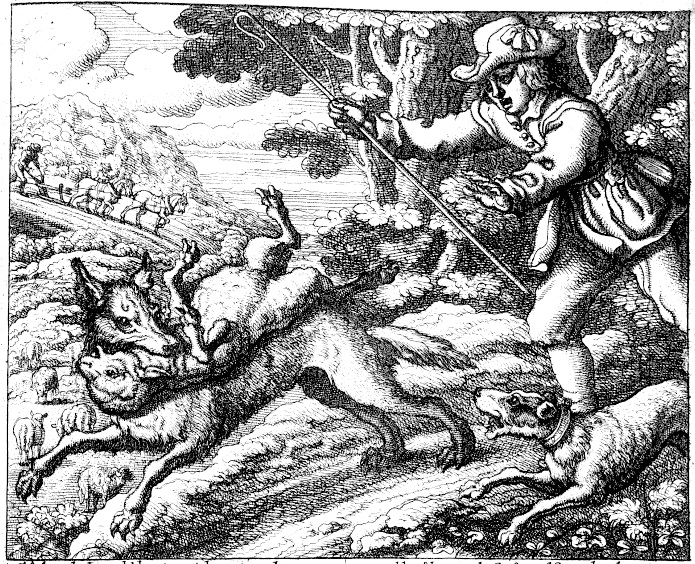
The Boy Who Cried Wolf
Aesop (attributed) · ancient Greek origin; translated into Latin in the 15th century
Free account
Read every Aesop source
Sign up free →
Ready when you are
Start chatting with Aesop now.
20 messages free · No credit card · Available in 50+ languages.