


Secondary sourceBookClassical antiquity
The Farmer and the Viper
Aesop · Classical antiquity
An Aesop fable about a farmer who warms a freezing snake, which then bites and kills him, warning against misplaced kindness.
Credited to Aesop, this fable's warning against misplaced kindness became proverbial across antiquity.
Free Humy account · No credit card · 120,912 sources to read
About this source
What it is
This fable tells of a farmer who takes pity on a viper freezing in the snow, only to be bitten and killed by the creature he saved. The story survives in both Greek and Latin versions, including one by the Roman fabulist Phaedrus.
Why it matters
It is one of the most frequently retold of Aesop's fables and gave rise to the lasting idiom about nourishing a viper in one's bosom. Ancient writers such as Theognis and Cicero already alluded to it, showing how deeply such cautionary stories were woven into Greek and Roman culture.
Look closer
- Why does the farmer blame himself rather than the snake in the earliest Greek version?
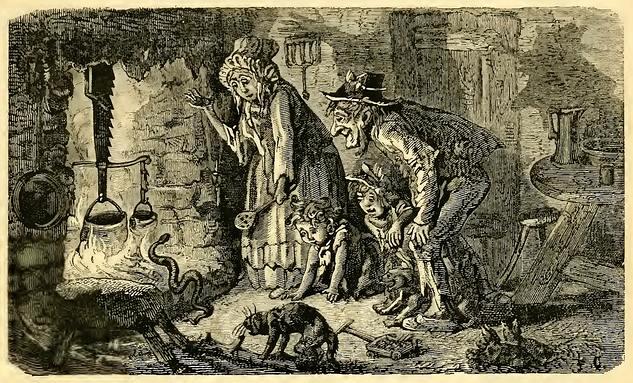
- How does the illustration shown here differ from the usual story — what has the artist chosen not to show?
- Why might this fable have been retold so often across such different cultures and centuries?
This book is part of the curated material that grounds the AI version of Aesop on Humy.ai — when students ask about related events, the AI can quote it and cite it.
More Aesop sources
Browse all 85 → Book
Secondary source
Aesop's Fables
Aesop (attributed) · compiled from the 3rd century BCE onward
 Artifact
Secondary source
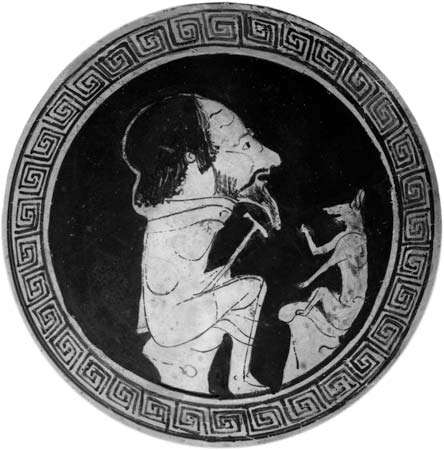
Aesop and the Fox (Red-Figure Kylix)
Unknown Greek artist · c. 450 BCE
 Book
Secondary source
The Tortoise and the Hare
Aesop (attributed) · ancient Greek origin, no early Latin version; printed from 16th century
 Book
Secondary source
The Boy Who Cried Wolf
Aesop (attributed) · ancient Greek origin; translated into Latin in the 15th century

Free account
Read every Aesop source
Sign up free →
Ready when you are
Start chatting with Aesop now.
20 messages free · No credit card · Available in 50+ languages.