


Secondary sourceBookAntiquity
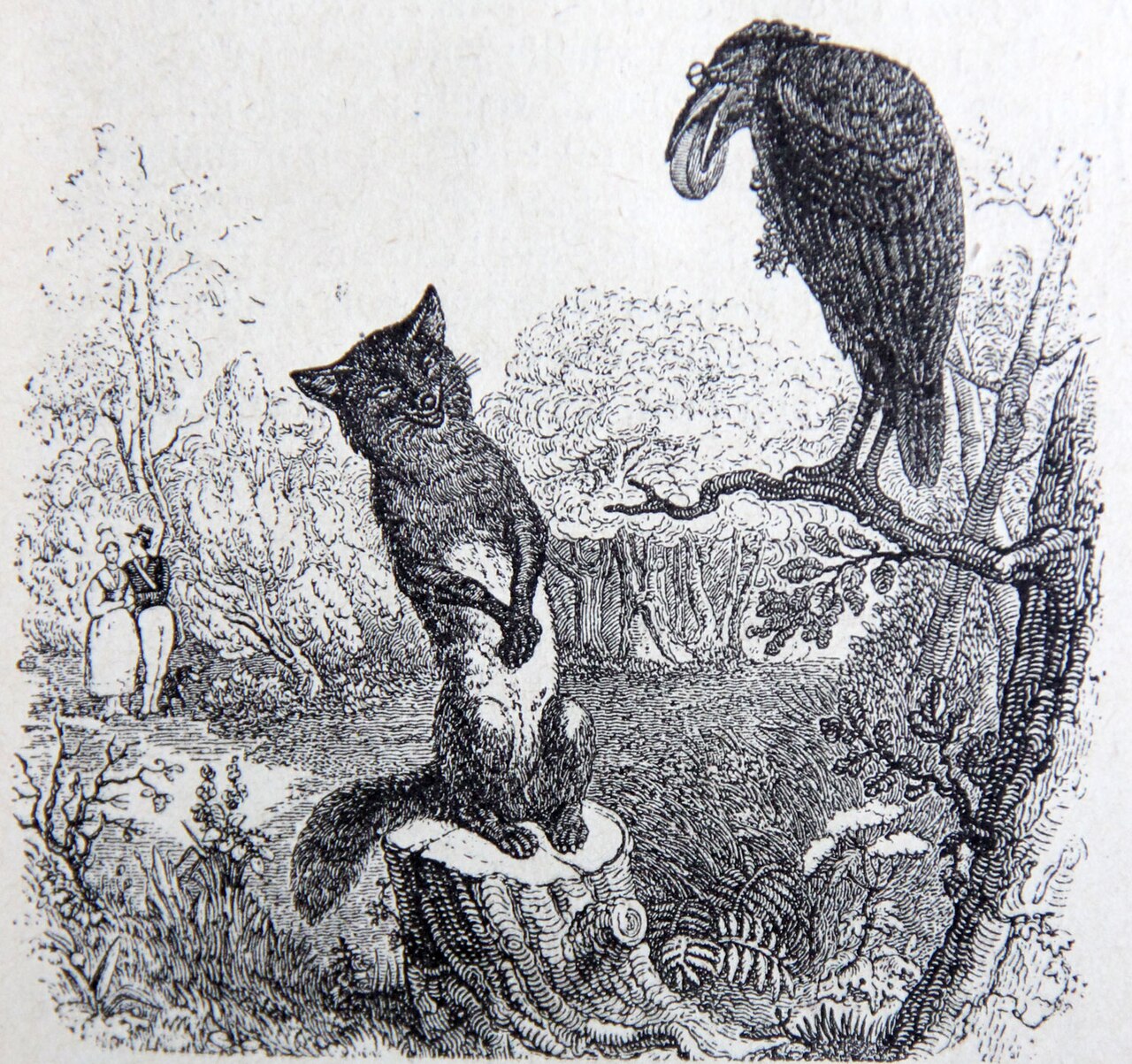
The Fox and the Crow
Aesop · Antiquity
A fable attributed to Aesop in which a fox flatters a crow into dropping its cheese, warning against the dangers of flattery.
One of Aesop's most famous fables, warning against flattery, later retold by Phaedrus and La Fontaine among many others.
Free Humy account · No credit card · 120,288 sources to read
About this source
What it is
This fable, numbered 124 in the Perry Index, is attributed to Aesop. It tells of a fox who flatters a crow holding cheese into singing, causing the cheese to fall so the fox can eat it. Early Greek and Latin versions date from the 1st century CE, and the Roman poet Horace alludes to it even earlier.
Why it matters
The story became one of the most widely retold of Aesop's fables, appearing in later works by Phaedrus, La Fontaine, and many others across centuries and cultures, and even possibly depicted on an ancient painted vase. Its lasting popularity shows how Aesop's simple animal stories carried moral lessons — here, a warning against flattery — that different cultures found useful to retell for very different audiences.
Look closer
- Why do you think a story about flattery has been retold so many times in so many different languages?
- What does the crow's mistake teach, and who might such a lesson have been aimed at in ancient times?
- The illustration shown is a 19th-century French engraving — how is it different from how the story might have first been told or performed in ancient Greece?
This book is part of the curated material that grounds the AI version of Aesop on Humy.ai — when students ask about related events, the AI can quote it and cite it.
More Aesop sources
Browse all 85 →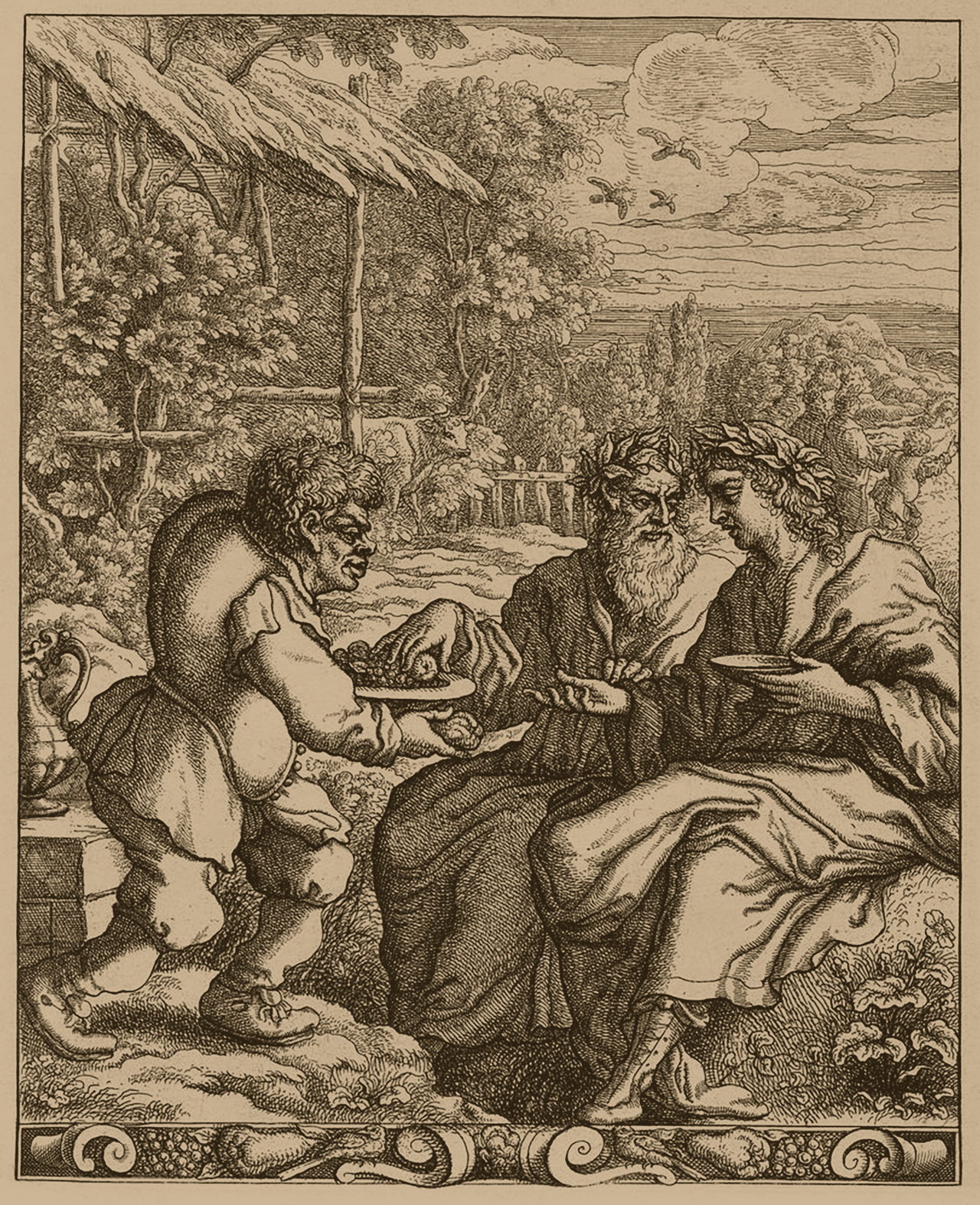 Book
Secondary source
Aesop's Fables
Aesop (attributed) · compiled from the 3rd century BCE onward
 Artifact
Secondary source
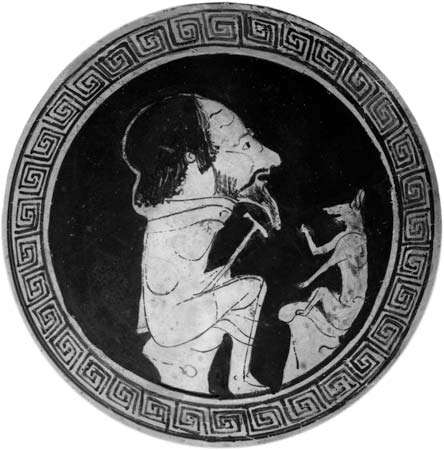
Aesop and the Fox (Red-Figure Kylix)
Unknown Greek artist · c. 450 BCE
 Book
Secondary source
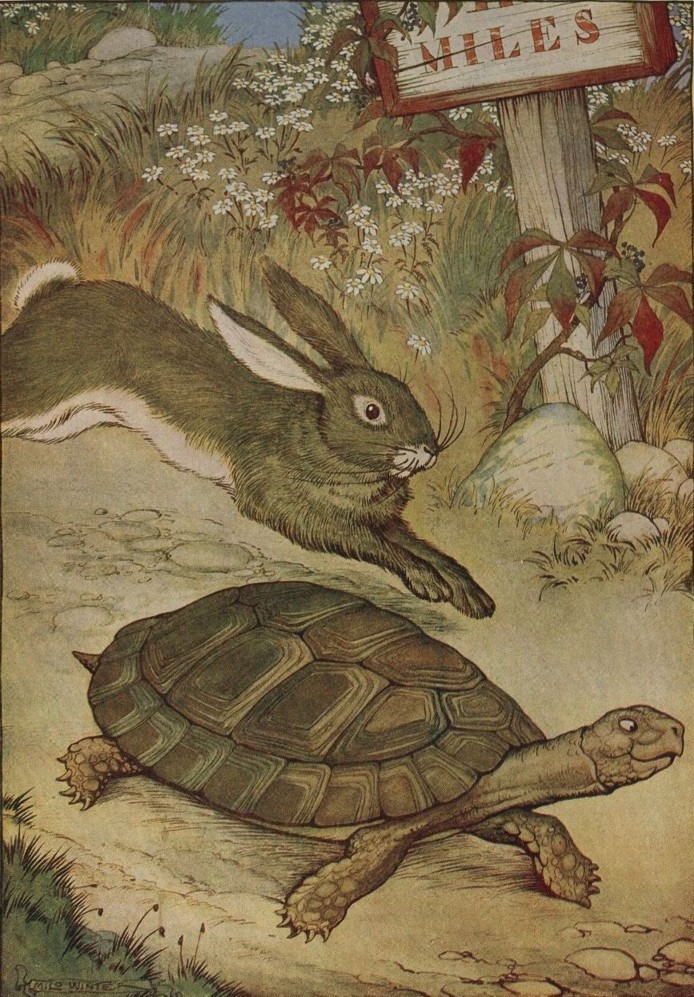
The Tortoise and the Hare
Aesop (attributed) · ancient Greek origin, no early Latin version; printed from 16th century
 Book
Secondary source
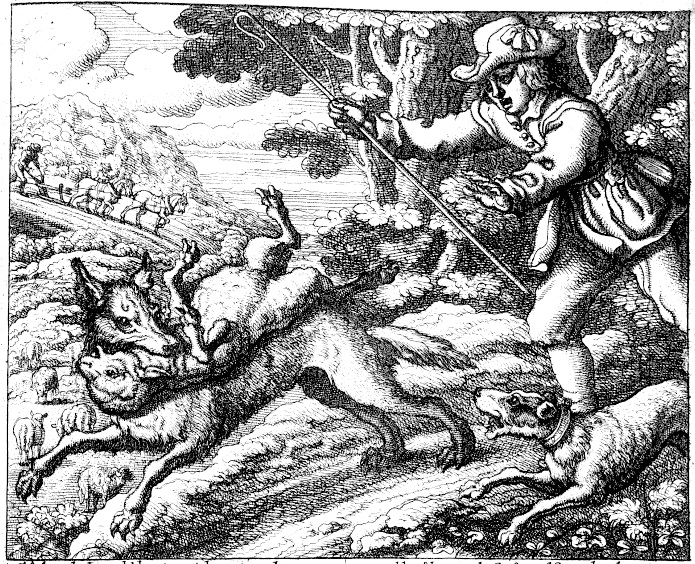
The Boy Who Cried Wolf
Aesop (attributed) · ancient Greek origin; translated into Latin in the 15th century
Free account
Read every Aesop source
Sign up free →
Ready when you are
Start chatting with Aesop now.
20 messages free · No credit card · Available in 50+ languages.