


Secondary sourceBookancient Greek origin, Latin version by Phaedrus
The Fox and the Grapes
Aesop (attributed) · ancient Greek origin, Latin version by Phaedrus
Aesop's fable of a fox who, unable to reach some grapes, declares them sour - the origin of the phrase 'sour grapes.'
This fable, credited to Aesop, is the source of the common idiom 'sour grapes.'
Free Humy account · No credit card · 120,288 sources to read
About this source
What it is
This fable, numbered 15 in the Perry Index, is one of Aesop's Fables. A hungry fox tries and fails to reach grapes on a high vine, then claims they must be sour anyway rather than admit defeat. It survives in several Greek versions and a terse Latin version by Phaedrus, and was later retold by Jean de la Fontaine.
Why it matters
The fable gave rise to the common idiom 'sour grapes,' used across many languages to describe disparaging something one cannot have. Writers and thinkers have used the story to discuss self-deception and what is now called cognitive dissonance - showing how a short ancient tale attributed to Aesop can still describe real psychological behaviour today.
Look closer
- Why does the fox change his story about the grapes instead of admitting he failed?
- Can you think of a modern example of someone acting like the fox in this fable?
- How has a short line from this ancient fable survived into everyday language as an idiom?
This book is part of the curated material that grounds the AI version of Aesop on Humy.ai — when students ask about related events, the AI can quote it and cite it.
More Aesop sources
Browse all 85 →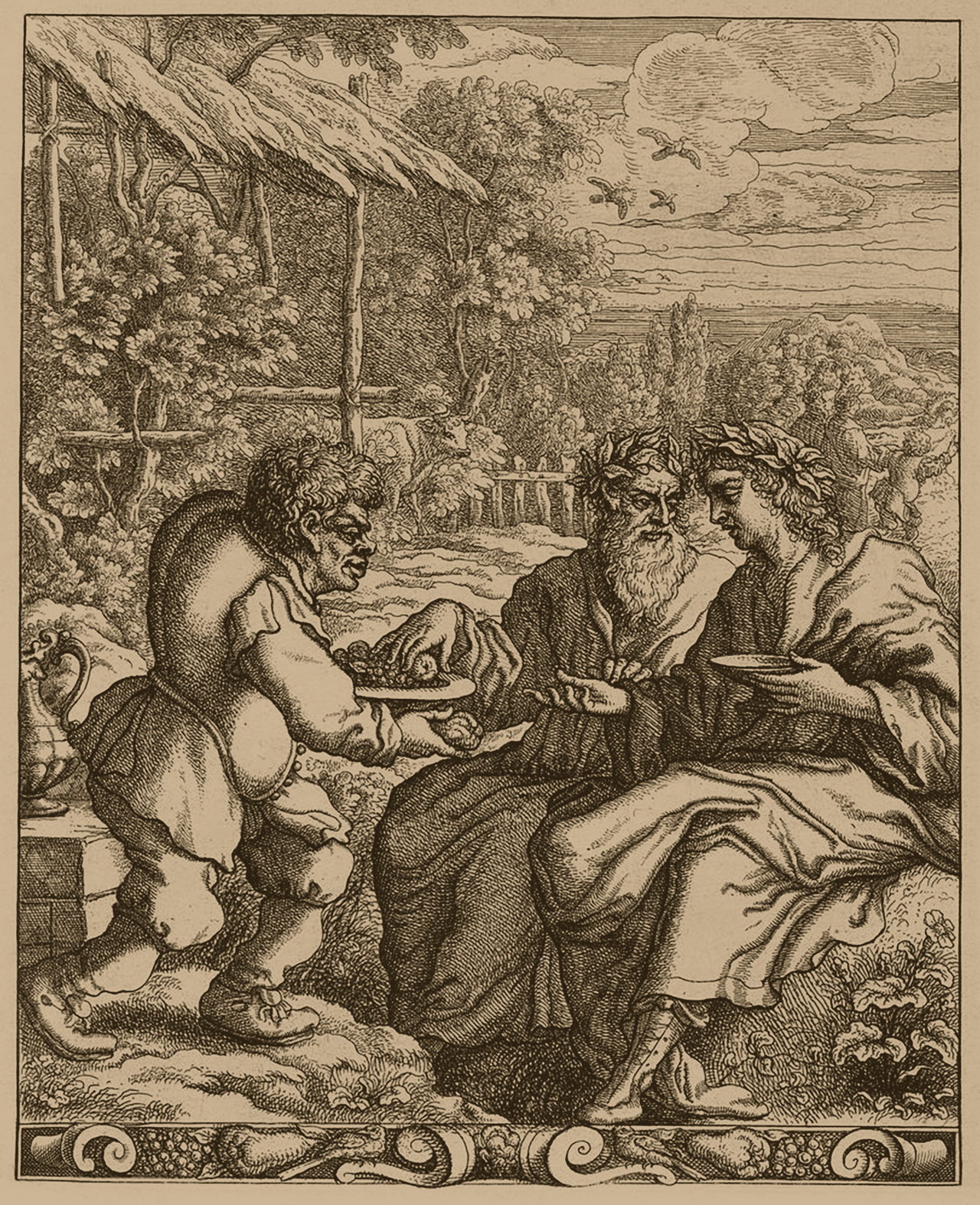 Book
Secondary source
Aesop's Fables
Aesop (attributed) · compiled from the 3rd century BCE onward
 Artifact
Secondary source
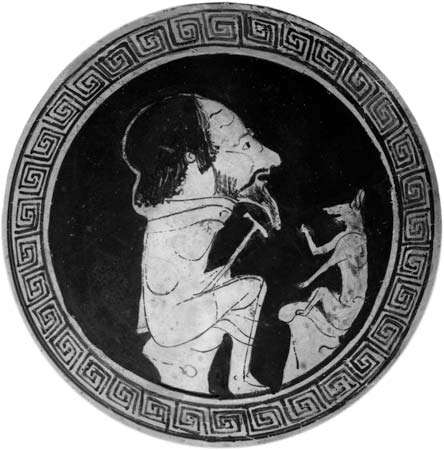
Aesop and the Fox (Red-Figure Kylix)
Unknown Greek artist · c. 450 BCE
 Book
Secondary source
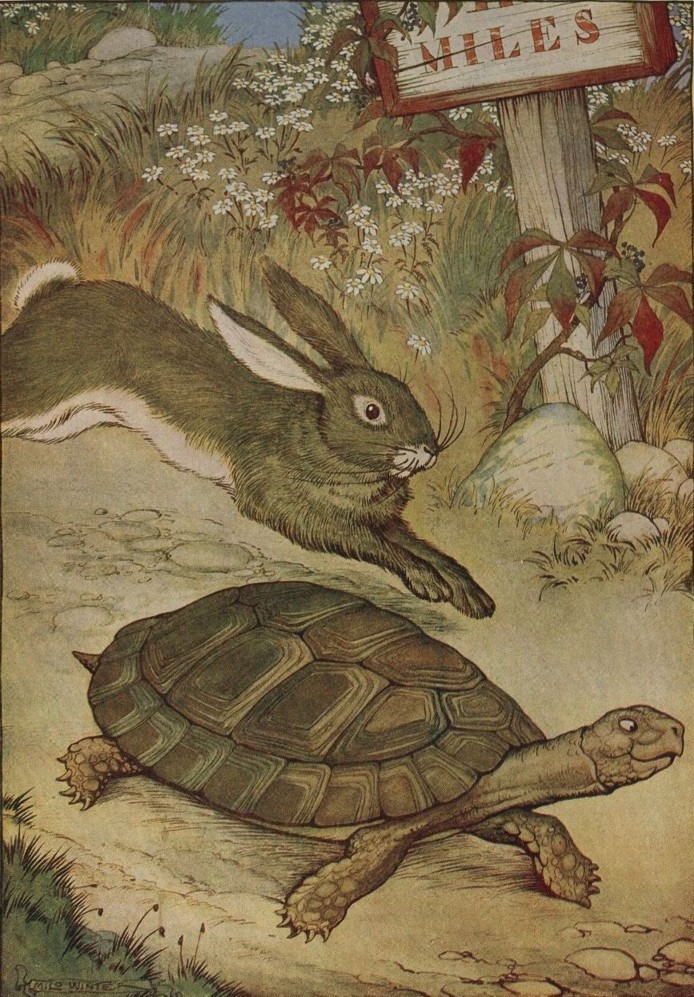
The Tortoise and the Hare
Aesop (attributed) · ancient Greek origin, no early Latin version; printed from 16th century
 Book
Secondary source
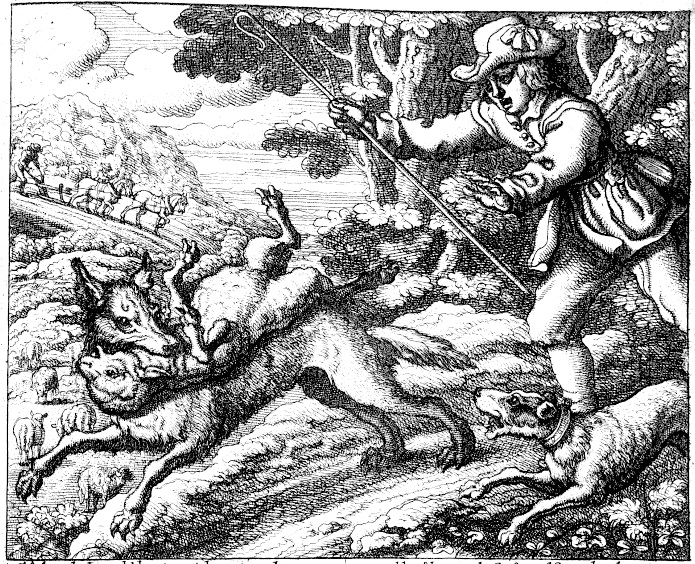
The Boy Who Cried Wolf
Aesop (attributed) · ancient Greek origin; translated into Latin in the 15th century
Free account
Read every Aesop source
Sign up free →
Ready when you are
Start chatting with Aesop now.
20 messages free · No credit card · Available in 50+ languages.