


Secondary sourceBook
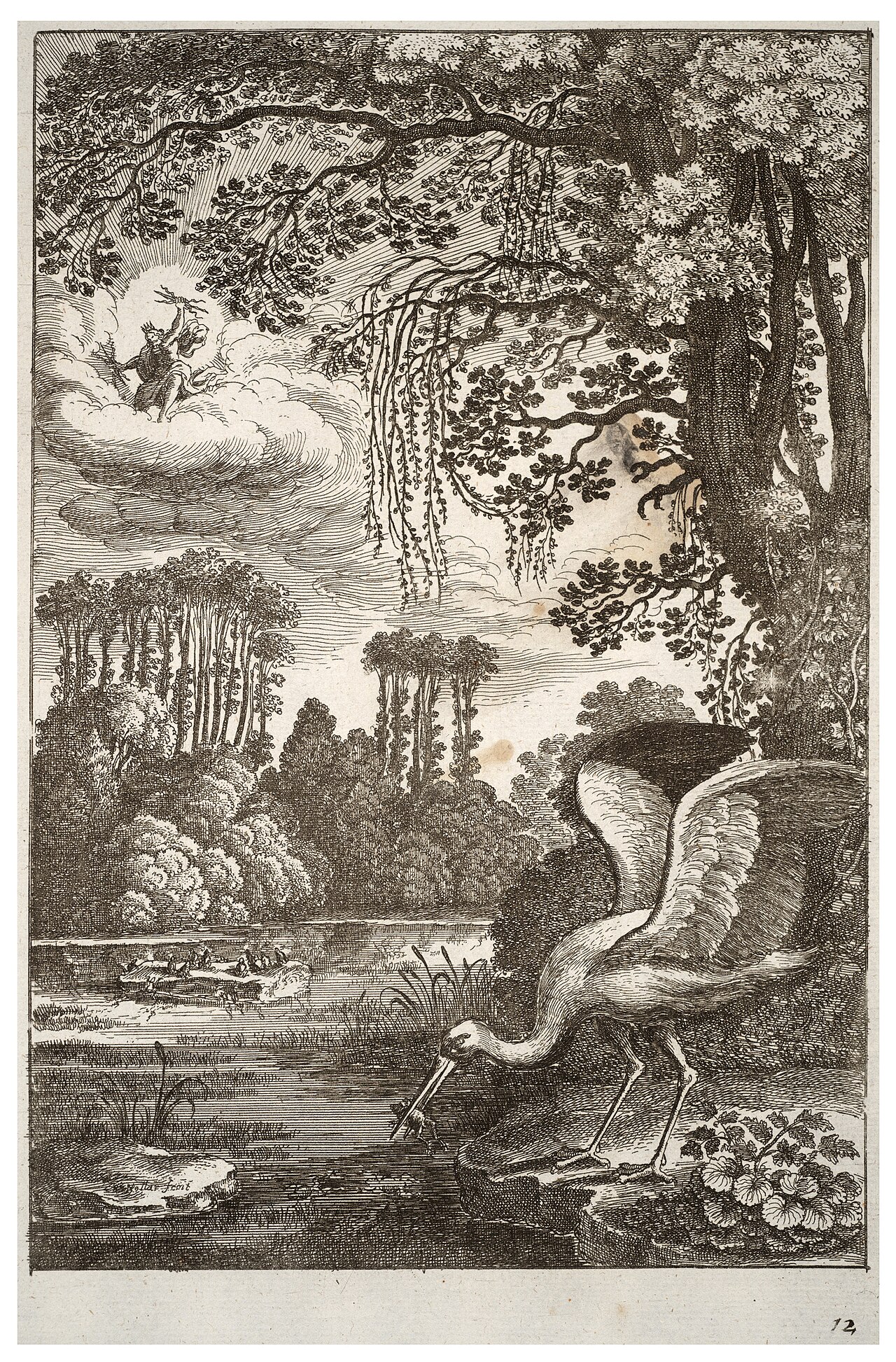
The Frogs Who Desired a King
Aesop
An Aesop fable about frogs who ask Zeus for a king and get first a harmless log, then a dangerous stork, used for centuries as political commentary.
This fable, attributed to Aesop, was later used by Phaedrus as a political commentary spoken by Aesop himself to the Athenians.
Free Humy account · No credit card · 120,912 sources to read
About this source
What it is
This fable, attributed to Aesop and numbered in the Perry Index, tells how frogs dissatisfied with having no ruler ask Zeus for a king. He sends a log, which they mock, then a snake or stork, which starts eating them.
Why it matters
The story has been retold and reinterpreted across history, from the Roman writer Phaedrus to Martin Luther, Jean de la Fontaine, and later political cartoonists during the French Revolution. Each retelling used the fable to comment on rulers and the dangers of getting what you wish for, showing how Aesopic material stayed useful as political commentary for centuries after Aesop's own time.
Look closer
- Why might frogs wanting 'no government' and then a cruel one be a good way to talk about real rulers without naming them?
- How does the illustrator's choice to show a stork rather than a snake change the mood of the story?
- What does it tell us that so many different political movements reused this same fable?
This book is part of the curated material that grounds the AI version of Aesop on Humy.ai — when students ask about related events, the AI can quote it and cite it.
More Aesop sources
Browse all 85 → Book
Secondary source
Aesop's Fables
Aesop (attributed) · compiled from the 3rd century BCE onward
 Artifact
Secondary source
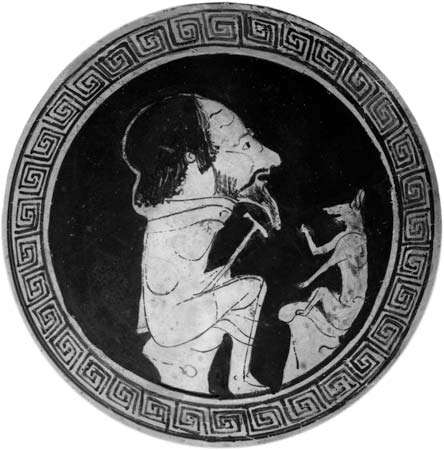
Aesop and the Fox (Red-Figure Kylix)
Unknown Greek artist · c. 450 BCE
 Book
Secondary source
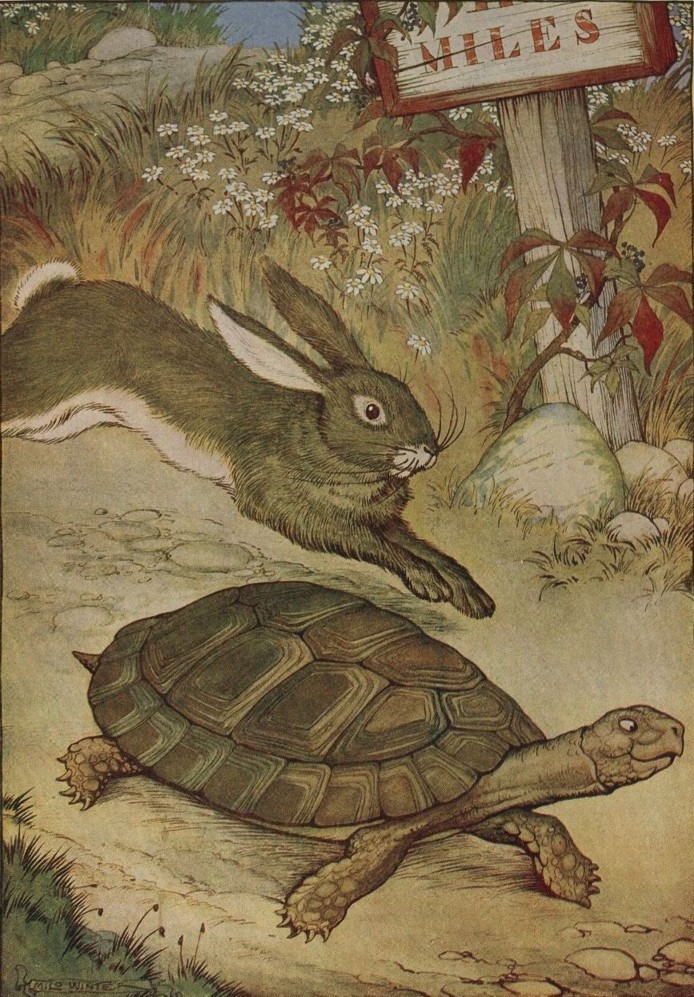
The Tortoise and the Hare
Aesop (attributed) · ancient Greek origin, no early Latin version; printed from 16th century
 Book
Secondary source
The Boy Who Cried Wolf
Aesop (attributed) · ancient Greek origin; translated into Latin in the 15th century
Free account
Read every Aesop source
Sign up free →
Ready when you are
Start chatting with Aesop now.
20 messages free · No credit card · Available in 50+ languages.