


Secondary sourceBookuncertain, possibly 3rd century BCE to 5th century CE
The Golden Verses of Pythagoras
Pythagoras (traditionally attributed) · uncertain, possibly 3rd century BCE to 5th century CE
A collection of 71 lines of moral advice traditionally attributed to Pythagoras, though probably written centuries after his death.
Though not actually written by him, these verses show how Pythagoras's name became attached to centuries of moral teaching.
About this source
What it is
The Golden Verses are a set of 71 lines of moral instruction written in dactylic hexameter, traditionally credited to the Pythagoreans. Their exact origin is unknown, and although they may have existed as early as the third century BCE, they are not confirmed in their known form until the fifth century CE. They were later widely translated, including into Latin by Constantine Lascaris in 1494 and into English and French in the following centuries.
Why it matters
The verses show how Pythagoras's reputation as a moral teacher outlived him by many centuries. Neoplatonist philosophers used the verses for ethical instruction, and commentaries on them, such as one by Hierocles of Alexandria, were studied and translated for over a thousand years.
Look closer
- Why might later writers want to attach Pythagoras's name to their own moral teachings?
- What kind of behavior does the poem encourage, and what does that suggest about Pythagorean values?
- Why is it hard to know exactly when or by whom this text was first written?
This book is part of the curated material that grounds the AI version of Pythagoras on Humy.ai — when students ask about related events, the AI can quote it and cite it.
More Pythagoras sources
Meet the AI Pythagoras → Book
Secondary source
Lives and Opinions of Eminent Philosophers, Book V (Life of Aristotle)
Diogenes Laërtius · c. 3rd century CE
 Book
Secondary source
Histories
Herodotus · c. 440 BCE
 Painting
Secondary source
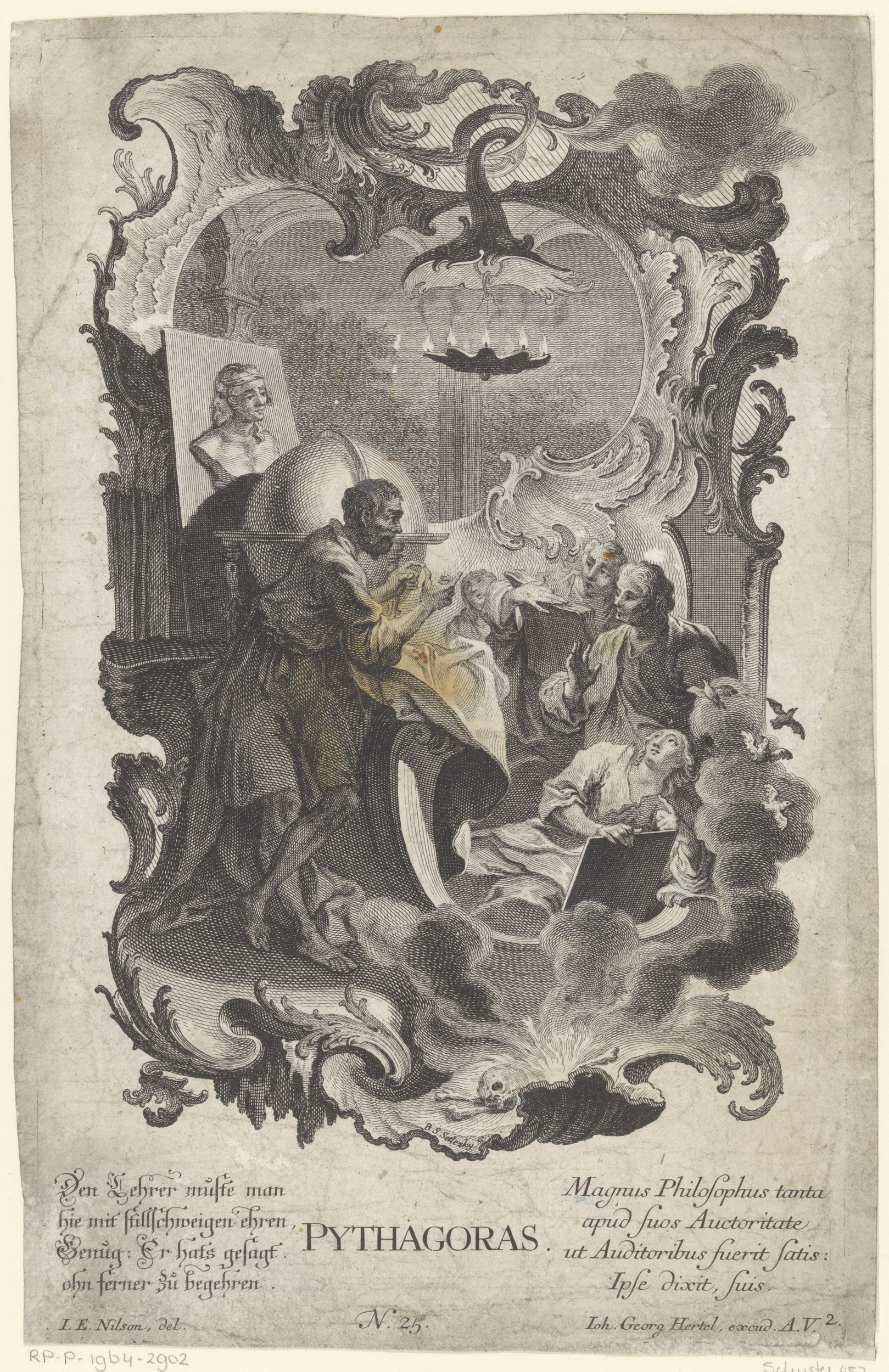
Pythagoras Leaning on a Globe with Four Listeners
 Book
Secondary source
Metaphysics
Aristotle · c. 400 BCE
 Painting
Secondary source
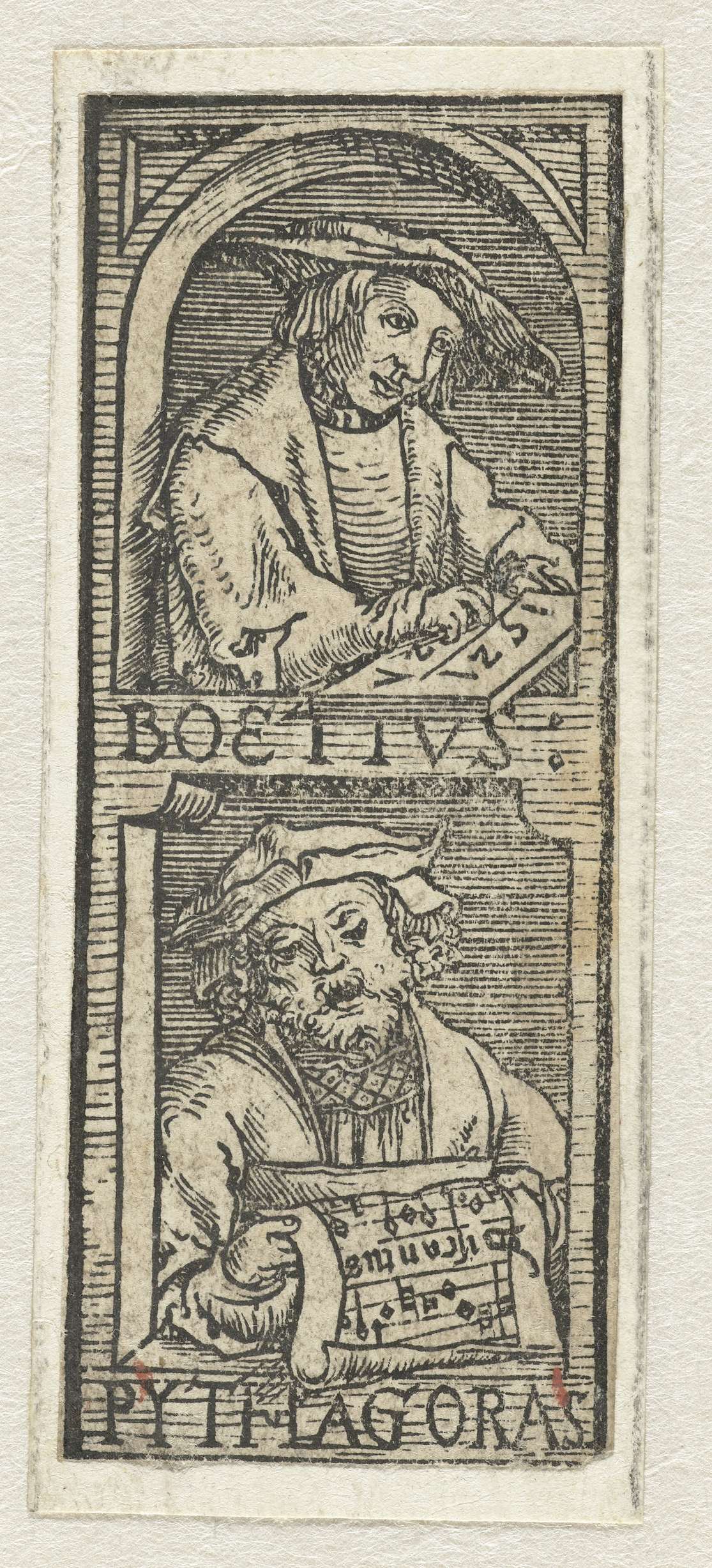
Boethius and Pythagoras
1521
Ready when you are
Start chatting with Pythagoras now.
20 messages free · No credit card · Available in 50+ languages.