


Secondary sourceBook1917
The Gradual Acceptance of the Copernican Theory of the Universe
1917
A 1917 study of how beliefs about the universe changed after Copernicus. Its opening chapter reviews earlier astronomy, including Ptolemy's geocentric sphere.
A later history of ideas about the universe that places Ptolemy's geocentric sphere in the story leading to Copernicus.
Free Humy account · No credit card · 120,912 sources to read
About this source
What it is
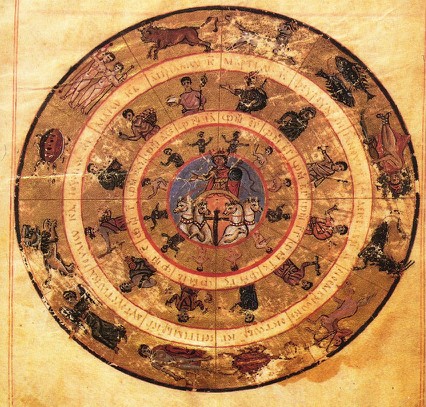
This is a 1917 book-length study, held as a text on Wikisource. Its preface says it belongs to the history of thought rather than to astronomy. It traces how people's beliefs about the universe changed as superstition gave way to scientific and rationalist ideas. The opening chapter briefly reviews astronomical theories up to the age of Copernicus, to prepare readers for his work. A passage in the text describes Ptolemy's geocentric sphere, which lies at the feet of a figure, and places Ptolemy between the Copernican and Ptolemaic systems.
Why it matters
Ptolemy's model of the heavens, with the Earth at the centre, was the standard view for well over a thousand years. Copernicus proposed a sun-centred system in the 1500s. This 1917 study explains that change as part of a longer history of ideas. It shows that a later writer saw Ptolemy as an important stage in the story, not as a footnote. Students should remember that the author is writing more than four centuries after Copernicus, and is looking back on him.
Look closer
- What does the author say the study is about, and what does it leave out?
- Why might a 1917 writer describe Ptolemy's system as a stage in a longer history?
- How does the passage about the Ptolemaic sphere show Ptolemy's place in the picture of the universe?
This book is part of the curated material that grounds the AI version of Ptolemy on Humy.ai — when students ask about related events, the AI can quote it and cite it.
More Ptolemy sources
Browse all 90 →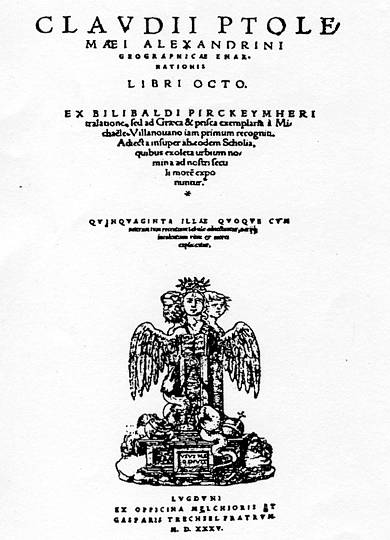 Book
Primary source
Geography
Ptolemy · c. 150 AD
 Artifact
Secondary source
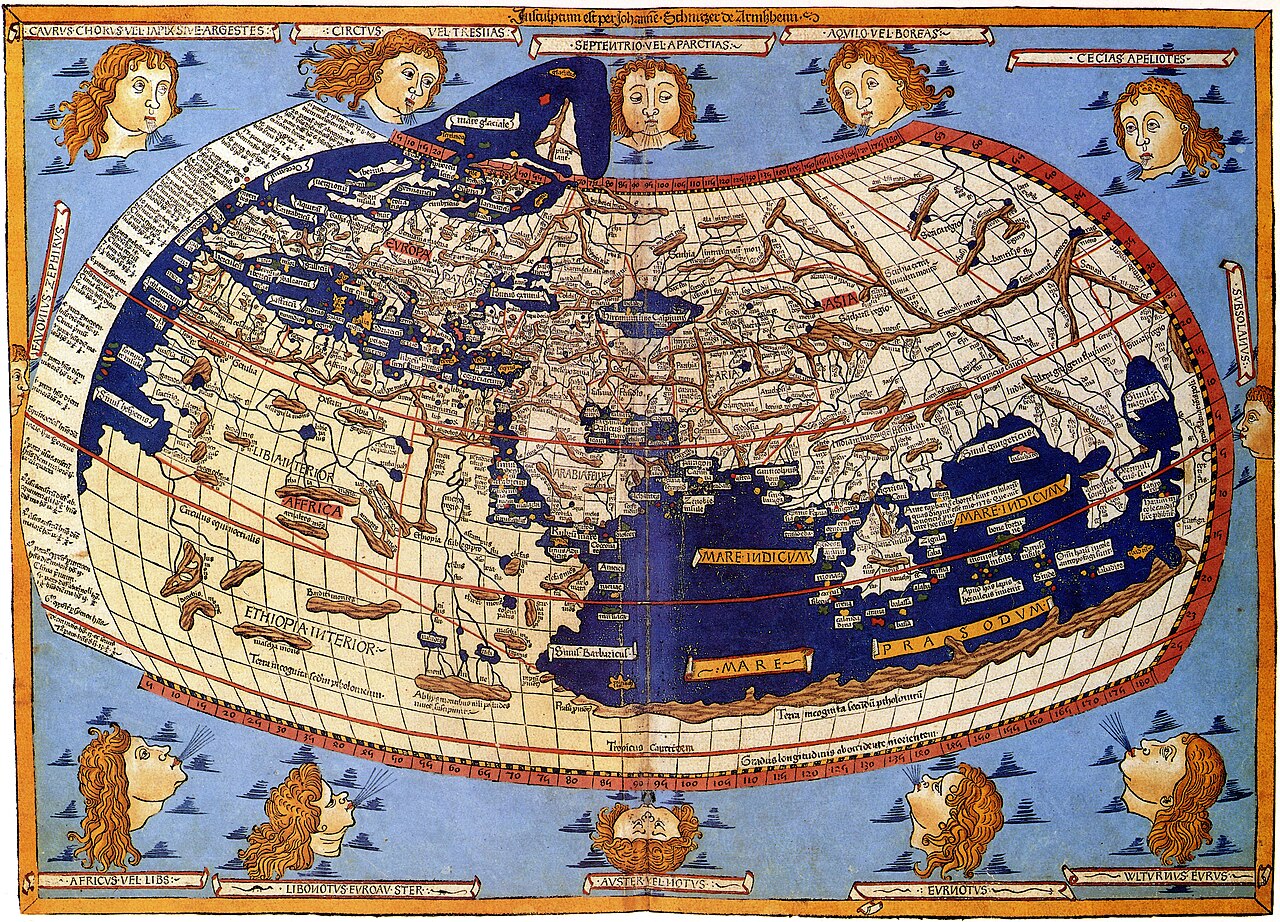
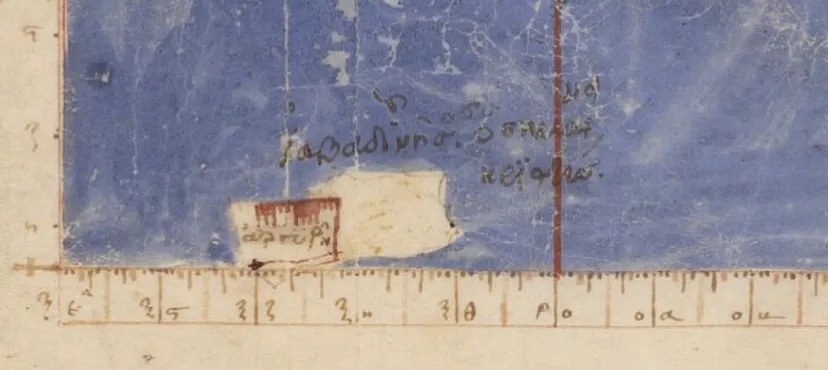
Ptolemy's World Map
Ptolemy · c. 150 AD (reconstructed after 1295)
 Book
Primary source
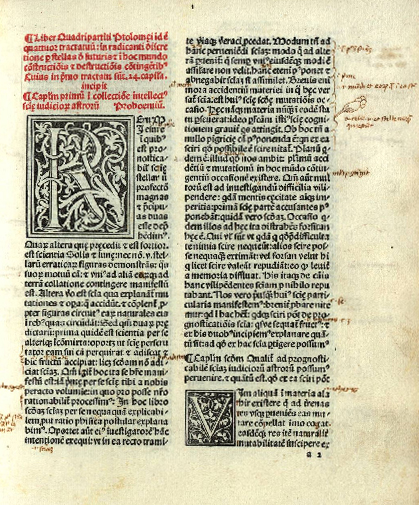
Tetrabiblos
Ptolemy · c. 2nd century AD
 Book
Primary source
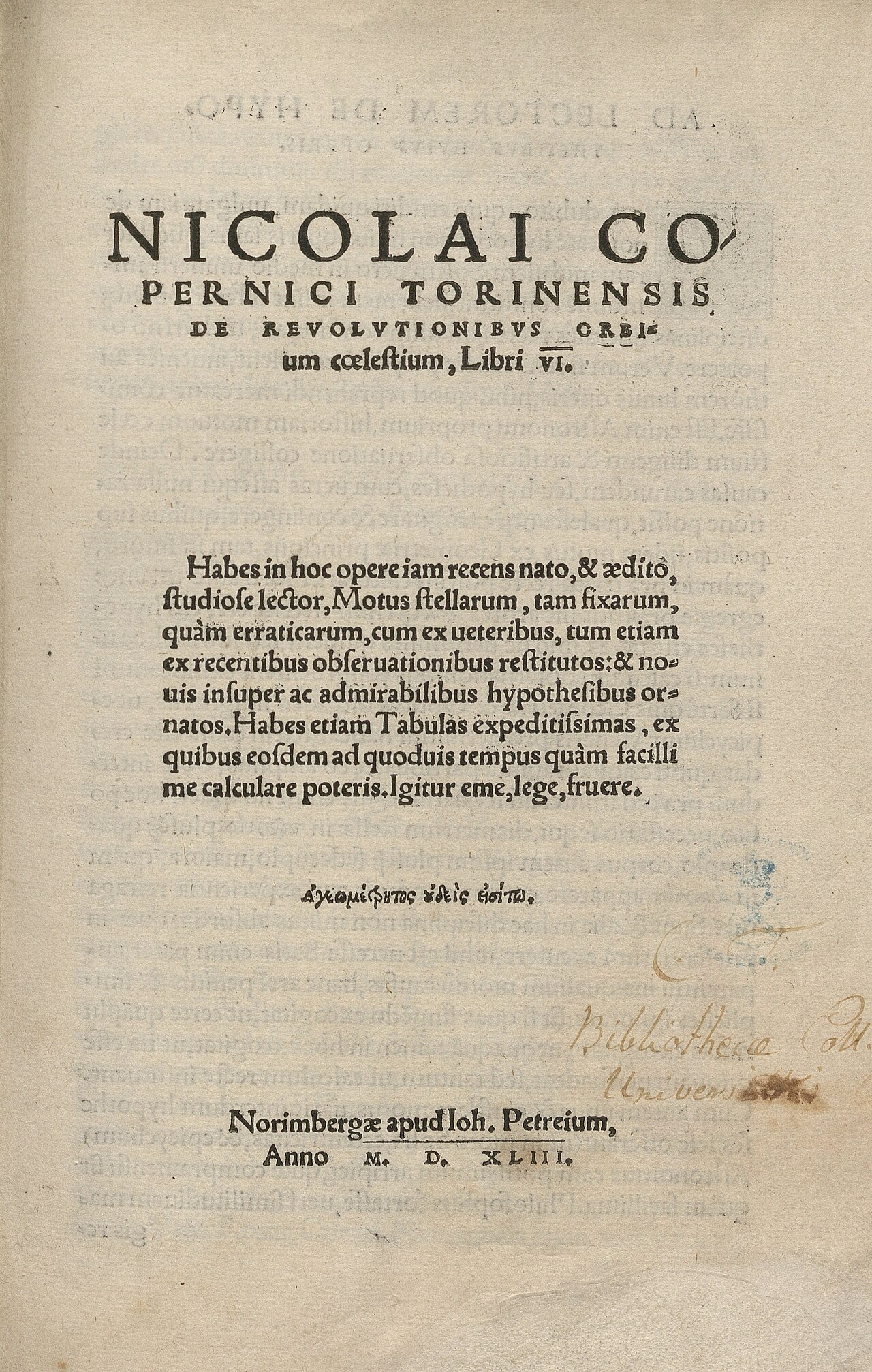
De revolutionibus orbium coelestium
Nicolaus Copernicus · 1543
Free account
Read every Ptolemy source
Sign up free →
Ready when you are
Start chatting with Ptolemy now.
20 messages free · No credit card · Available in 50+ languages.