


Primary sourceBook1879
The Grand Inquisitor
Fyodor Dostoyevsky · 1879
A philosophical tale told by Ivan Karamazov within The Brothers Karamazov, Dostoevsky's best-known meditation on freedom and faith.
His most famous philosophical statement, embedded in his final novel, often studied as a standalone text.
About this source
What it is
'The Grand Inquisitor' is a story told within Fyodor Dostoevsky's novel The Brothers Karamazov. It is recited by the character Ivan Karamazov to his brother Alexei, imagining Christ returning to Earth during the Spanish Inquisition and being confronted by a church official who argues that freedom is a burden people cannot bear.
Why it matters
Though spoken by a fictional character, the tale is one of the most discussed passages in modern literature for its ideas about human nature, authority and freedom. It is often read and taught separately from the rest of the novel because it distills Dostoevsky's philosophical concerns so sharply.
Look closer
- Why does Dostoevsky give this argument to a fictional character rather than stating it directly as the author?
- Why does Christ remain silent throughout the Inquisitor's speech, and what might that silence mean?
- What does the Inquisitor's argument assume about ordinary people, and do you agree?
This book is part of the curated material that grounds the AI version of Fyodor Dostoevsky on Humy.ai — when students ask about related events, the AI can quote it and cite it.
More Fyodor Dostoevsky sources
Meet the AI Fyodor Dostoevsky →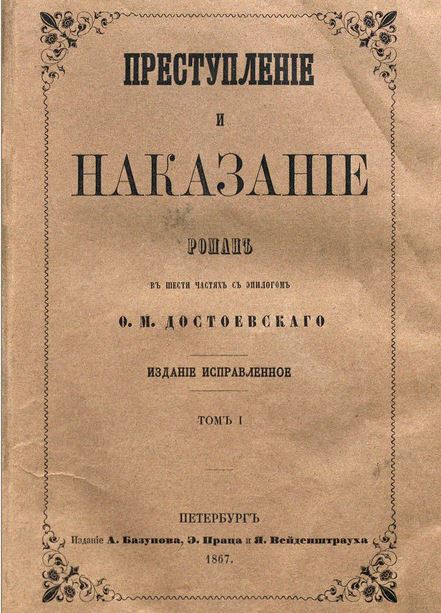 Book
Primary source
Crime and Punishment
Fyodor Dostoyevsky · 1866
 Book
Primary source
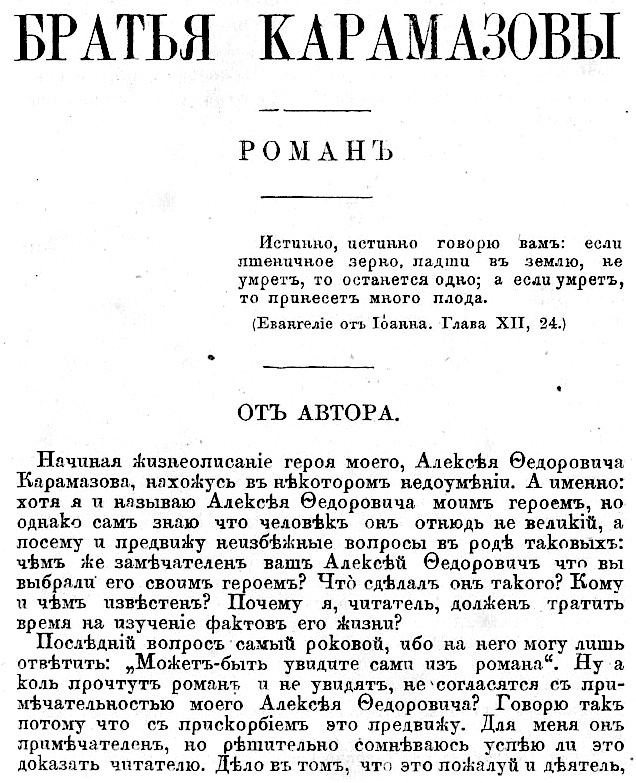
The Brothers Karamazov
Fyodor Dostoyevsky · 1879-1880
 Book
Primary source
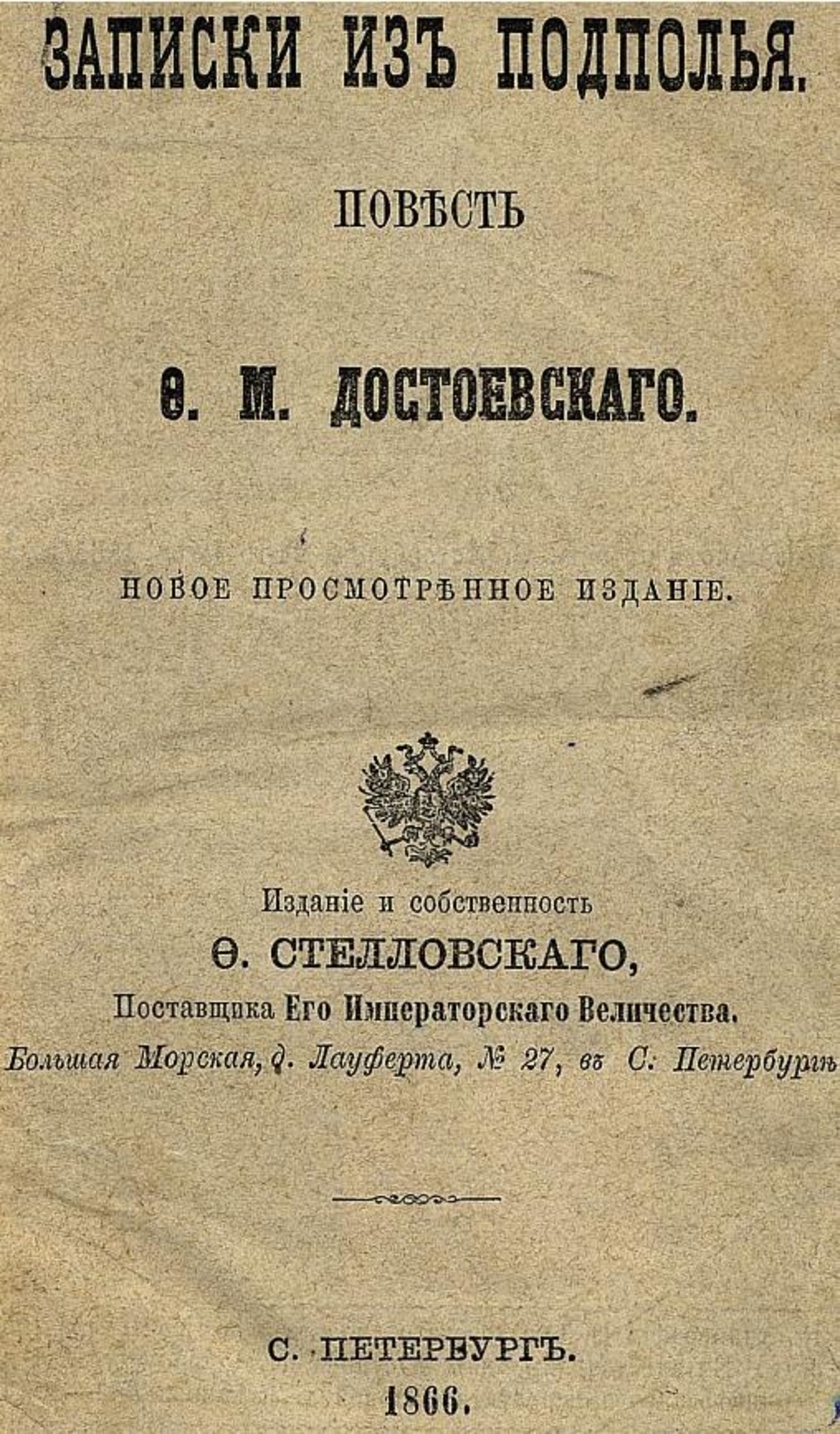
Notes from Underground
Fyodor Dostoyevsky · 1864
 Book
Primary source
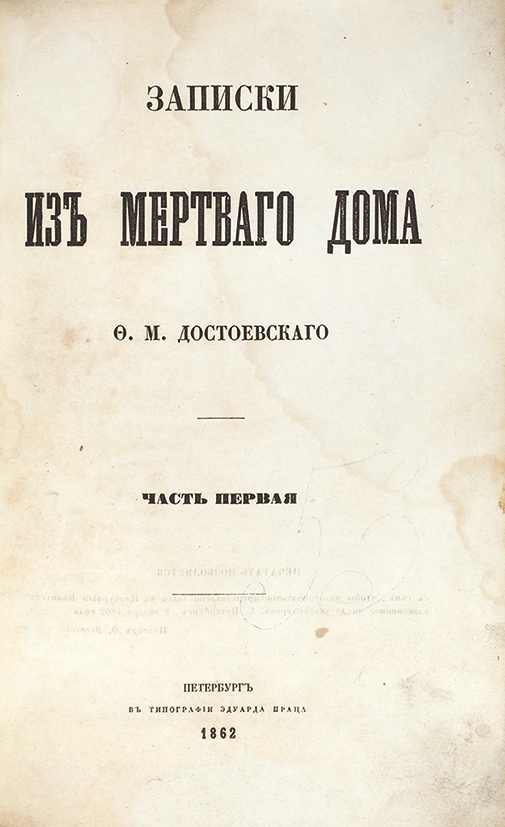
The House of the Dead
Fyodor Dostoyevsky · 1860-1862
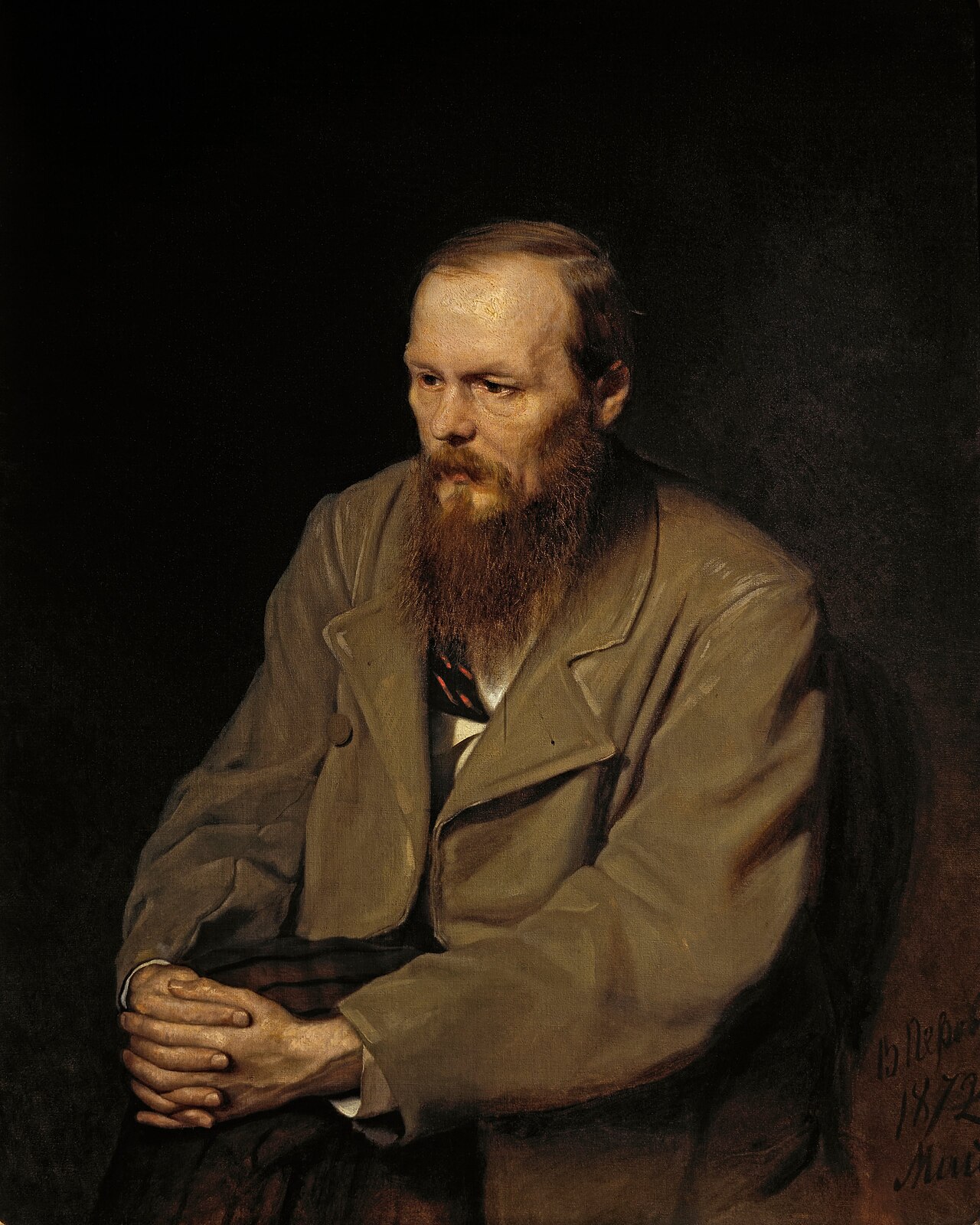 Painting
Primary source
Portrait of Fyodor Dostoyevsky
Vasily Perov · 1872
Ready when you are
Start chatting with Fyodor Dostoevsky now.
20 messages free · No credit card · Available in 50+ languages.