


Secondary sourceBook1922
The Hare with Many Friends (from The Fables of Aesop, 1922)
Joseph Jacobs · 1922
A fable from a 1922 English edition of Aesop, edited by Joseph Jacobs, in which a hare asks many animal friends for help against hounds and is refused by each.
This 1922 English edition presents one of Aesop's fables as retold by its editor, showing how the figure's stories were adapted for later readers.
Free Humy account · No credit card · 120,912 sources to read
About this source
What it is
This is a fable from The Fables of Aesop, published in 1922 with illustrations by Richard Heighway and edited by Joseph Jacobs. The story is titled The Hare with Many Friends. A hare who believes many beasts are her friends hears hounds approaching and asks the horse, the bull, the goat, the ram and the calf for help. Each one makes an excuse, and the hare is left without the help she expected. The text available here is an English version of the fable.
Why it matters
Jacobs was a folklorist who edited many collections of old tales for English readers, and this edition brought Aesop's fables to a new audience in the early 1900s. The story teaches that people who claim to be your friends may not help when you need them. Because the fable is retold in a modern English edition, it shows how the old stories were adapted for children and schools.
Look closer
- Why does each animal refuse the hare, and what does each excuse reveal about its own interests?
- What does the editor's English version choose to emphasise compared with the original Greek or Latin tradition?
- Who is the intended reader of this edition, and how can you tell from the illustrations and language?
This book is part of the curated material that grounds the AI version of Aesop on Humy.ai — when students ask about related events, the AI can quote it and cite it.
More Aesop sources
Browse all 85 →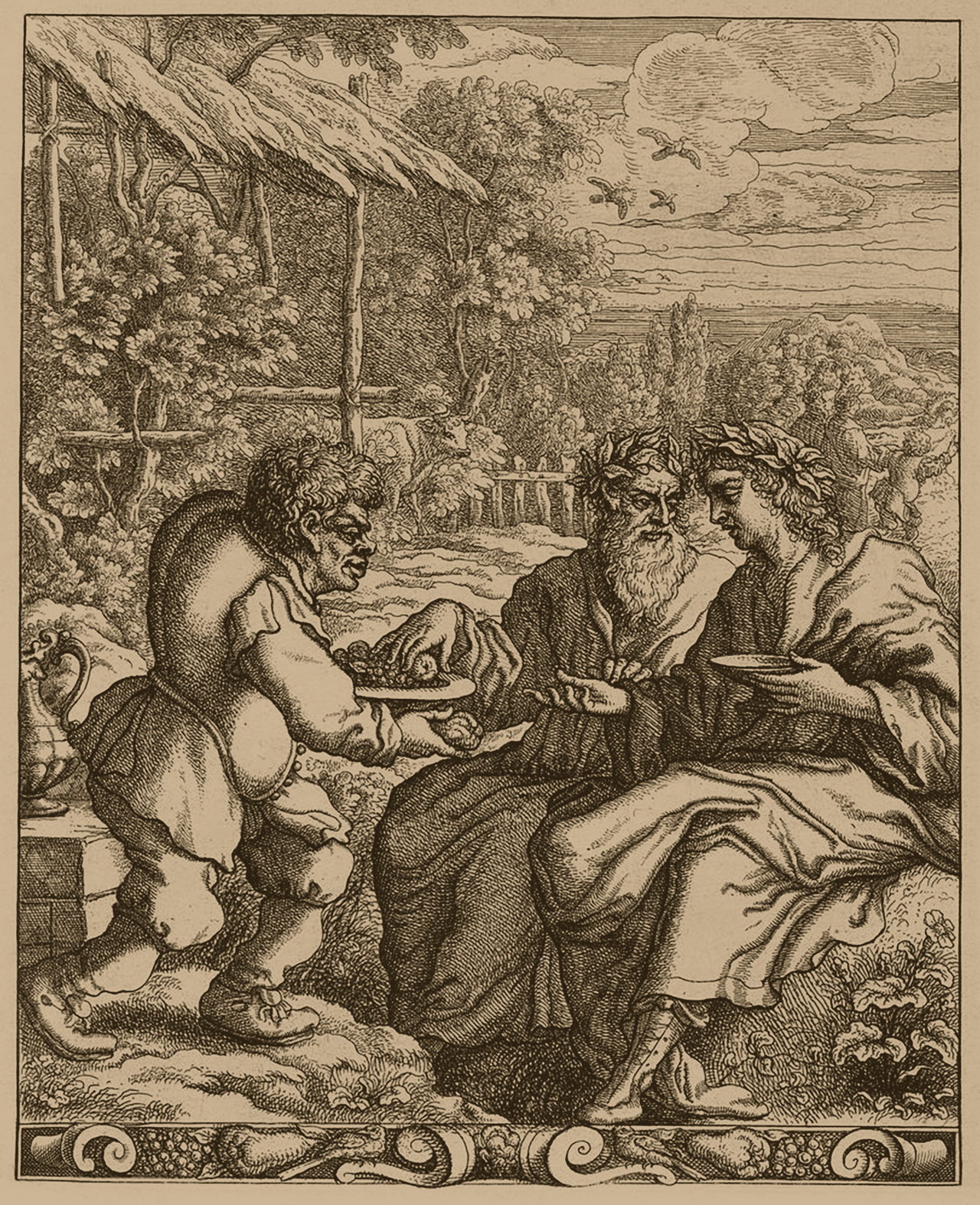 Book
Secondary source
Aesop's Fables
Aesop (attributed) · compiled from the 3rd century BCE onward
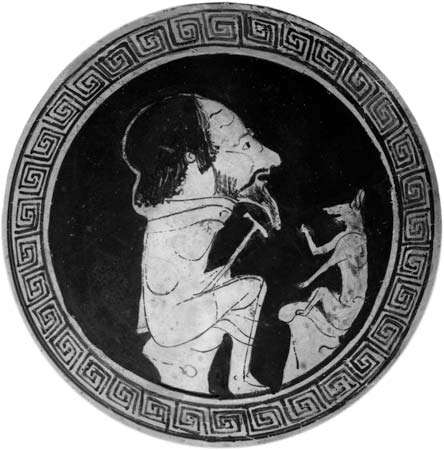 Artifact
Secondary source
Aesop and the Fox (Red-Figure Kylix)
Unknown Greek artist · c. 450 BCE
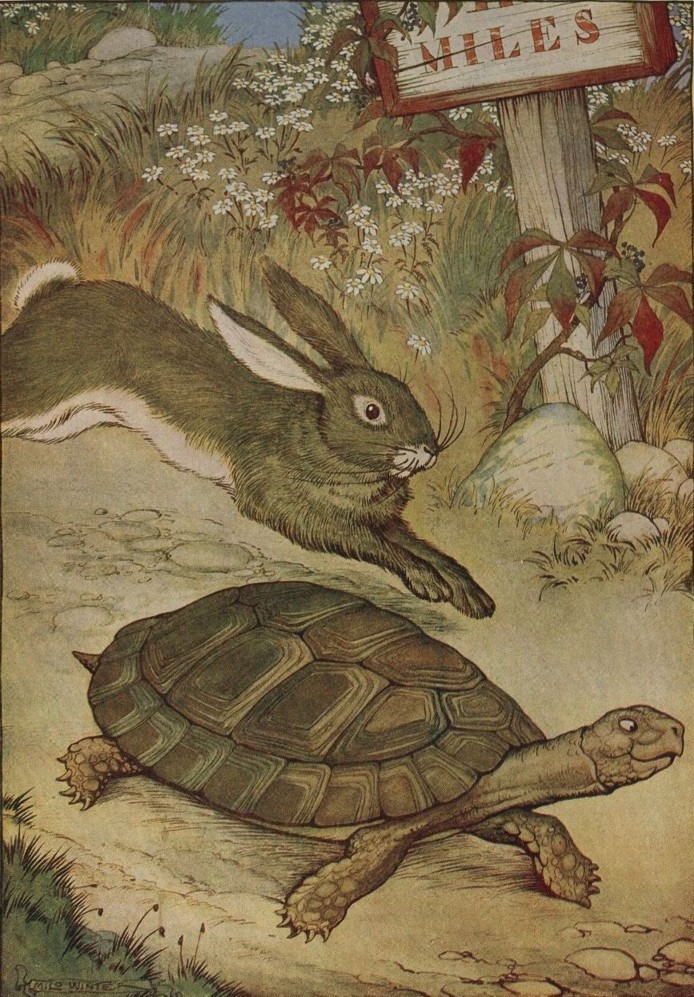 Book
Secondary source
The Tortoise and the Hare
Aesop (attributed) · ancient Greek origin, no early Latin version; printed from 16th century
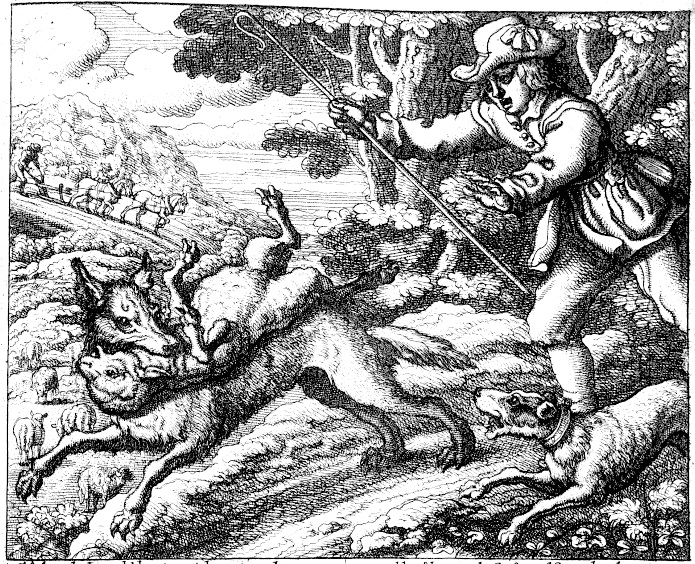 Book
Secondary source
The Boy Who Cried Wolf
Aesop (attributed) · ancient Greek origin; translated into Latin in the 15th century
Free account
Read every Aesop source
Sign up free →
Ready when you are
Start chatting with Aesop now.
20 messages free · No credit card · Available in 50+ languages.