


Secondary sourceBook1890
The Histories by Herodotus, 1890 (Aesop passage)
Herodotus · 1890
An 1890 English edition of Herodotus's Histories, which includes an early account of Aesop as a slave on Samos. Herodotus wrote about 150 years after Aesop's lifetime.
Herodotus's account is one of the earliest written sources that mentions Aesop, placing him as a slave on Samos.
Free Humy account · No credit card · 120,912 sources to read
About this source
What it is
This is an 1890 English edition of The Histories by Herodotus, available on Wikisource. Its opening text is a preface explaining the translator's aims, and the Aesop passage is within the full work. The original was written in Greek, and this edition is a translation into English.
Why it matters
Herodotus is often called an early historian. He is one of the few ancient writers who gives an account of Aesop, describing him as a slave on Samos. The source was written roughly 150 years after Aesop's lifetime, so it is a later account and not a record made by Aesop or by someone who knew him. Students can compare it with other ancient and later sources to see how stories about Aesop were told.
Look closer
- How does the translator's preface describe the aim of translating Herodotus, and what might be lost in translation?
- Why might Herodotus have included a story about a slave like Aesop in a history of wars and peoples?
- What does this edition not tell us, and how could a reader check whether the account is accurate?
This book is part of the curated material that grounds the AI version of Aesop and Spartacus on Humy.ai — when students ask about related events, the AI can quote it and cite it.
More Aesop sources
Browse all 85 →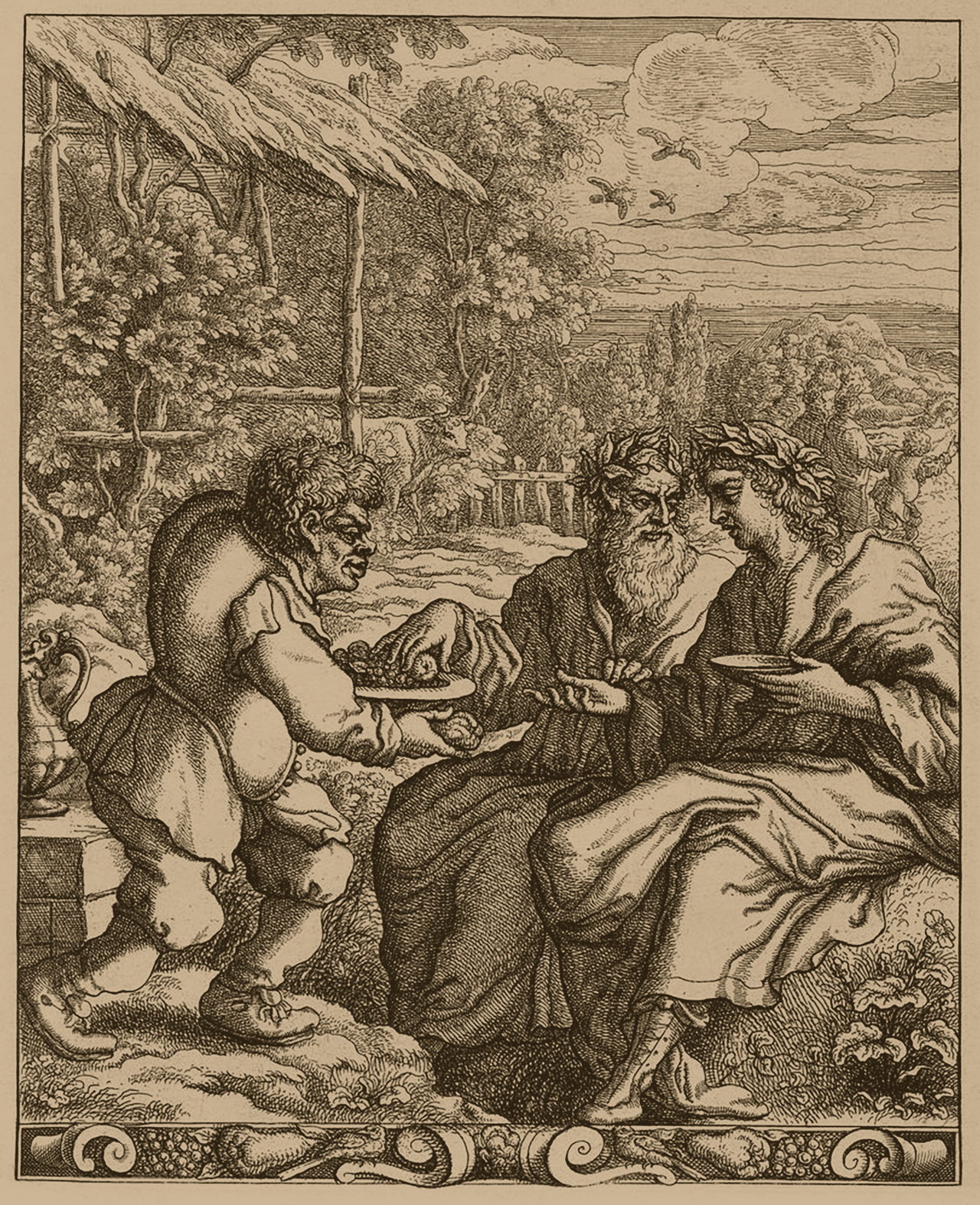 Book
Secondary source
Aesop's Fables
Aesop (attributed) · compiled from the 3rd century BCE onward
 Artifact
Secondary source
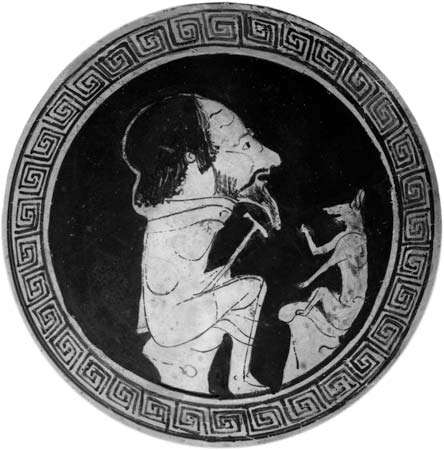
Aesop and the Fox (Red-Figure Kylix)
Unknown Greek artist · c. 450 BCE
 Book
Secondary source
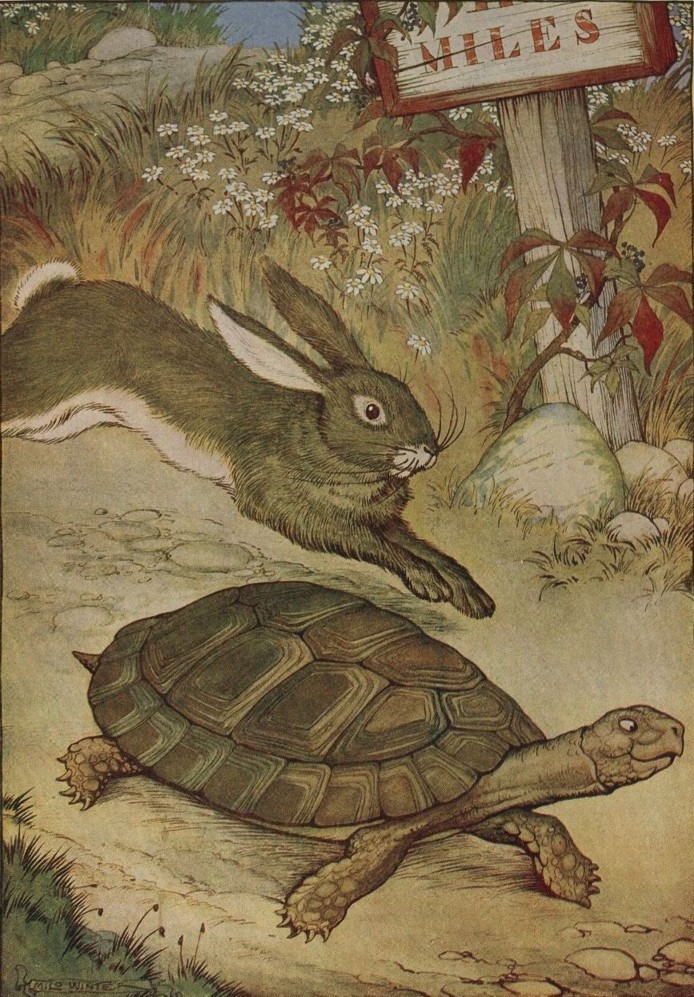
The Tortoise and the Hare
Aesop (attributed) · ancient Greek origin, no early Latin version; printed from 16th century
 Book
Secondary source
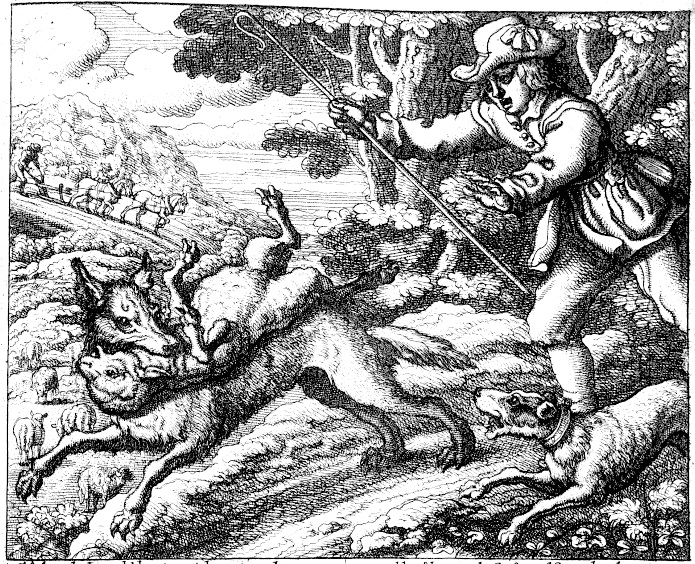
The Boy Who Cried Wolf
Aesop (attributed) · ancient Greek origin; translated into Latin in the 15th century
Free account
Read every Aesop source
Sign up free →
Ready when you are
Start chatting with Aesop now.
20 messages free · No credit card · Available in 50+ languages.