


Primary sourcePaintingc. 1601-1602
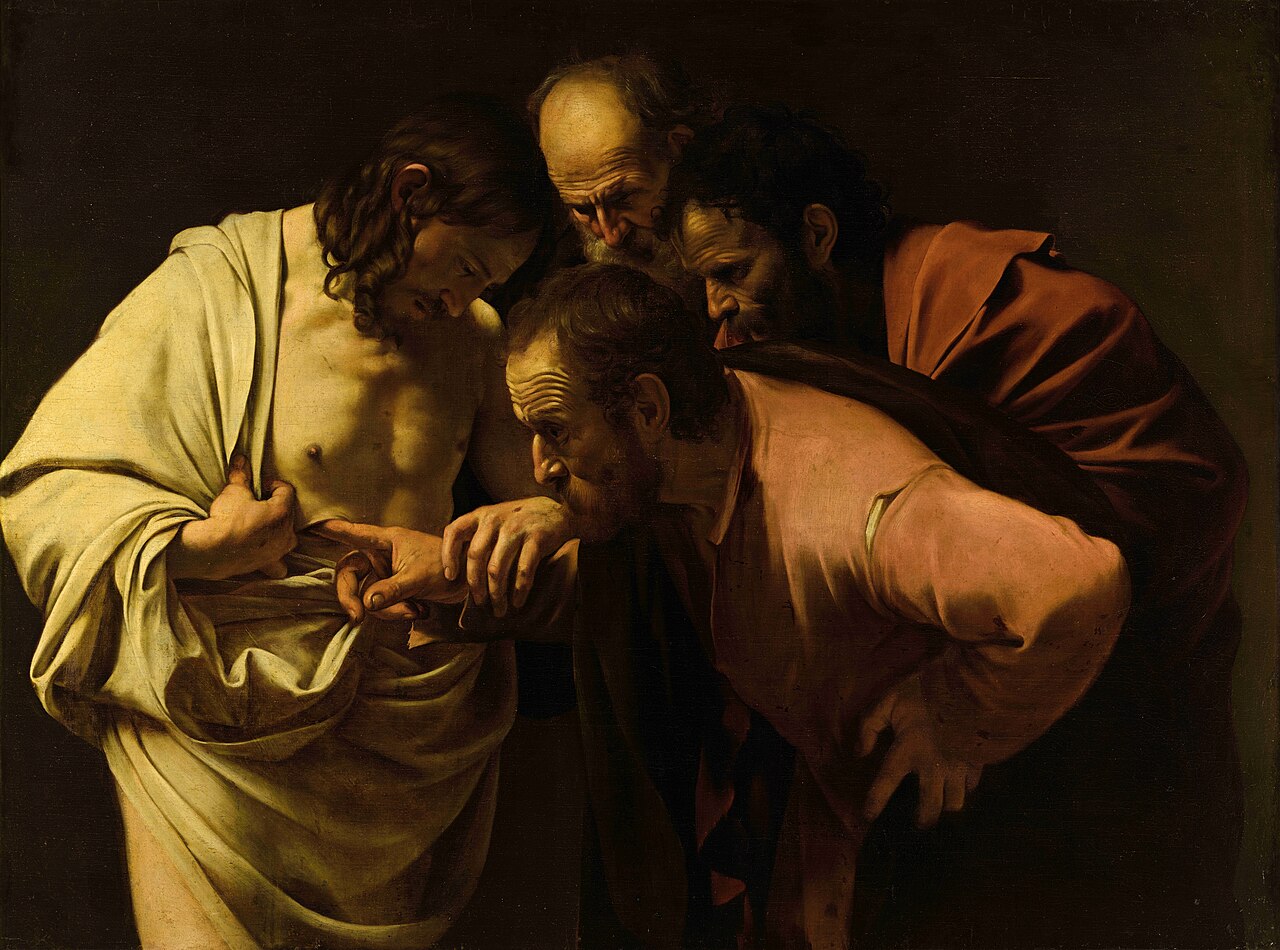
The Incredulity of Saint Thomas
Caravaggio · c. 1601-1602
An oil painting by Caravaggio showing the apostle Thomas probing Christ's wound, painted around 1601-1602.
This is one of Caravaggio's own paintings, showing his distinctive realist and dramatic style of religious subject matter.
About this source
What it is
This oil painting was made by Caravaggio around 1601-1602 for the collector Vincenzo Giustiniani. It later entered the Prussian royal collection and now hangs in the Sanssouci Picture Gallery in Potsdam.
Why it matters
The painting shows the Gospel story in which the apostle Thomas doubts Christ's resurrection until he touches his wound. Caravaggio depicts Thomas as a rough, dirty-nailed peasant rather than an idealised saint, reflecting his tactile, realistic approach to religious subjects. His dramatic use of light and shadow, and his habit of grounding sacred stories in ordinary bodies, shaped painters across Europe, including those who studied his work in Rome.
Look closer
- Why might Caravaggio have shown Thomas as a peasant instead of a noble figure?
- How does the light direct your eye around the painting?
- What does the absence of a halo on Christ suggest about Caravaggio's intentions?
This painting is part of the curated material that grounds the AI version of Caravaggio on Humy.ai — when students ask about related events, the AI can quote it and cite it.
More Caravaggio sources
Browse all 90 →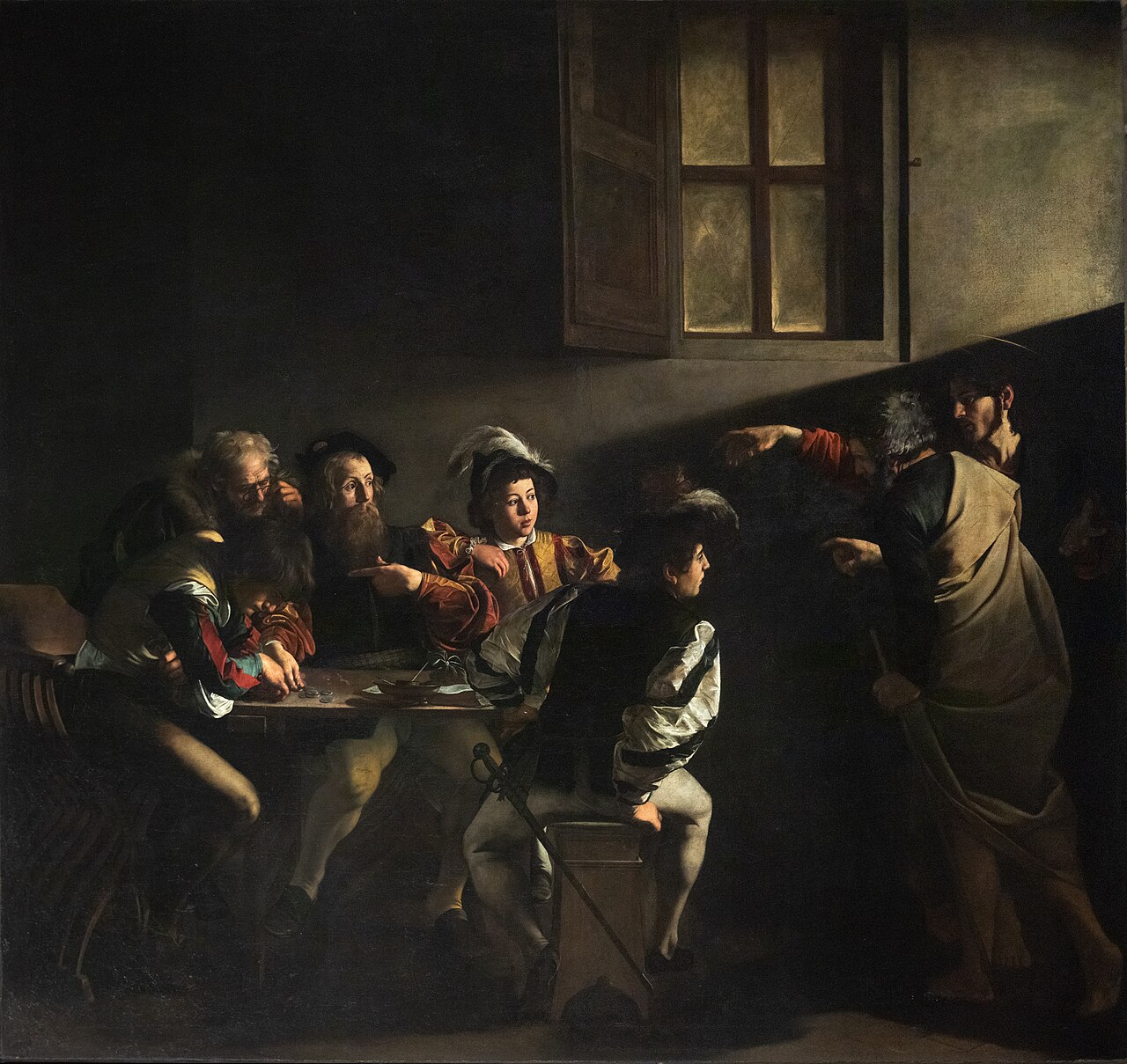 Painting
Secondary source
The Calling of Saint Matthew
Caravaggio · 1599–1600
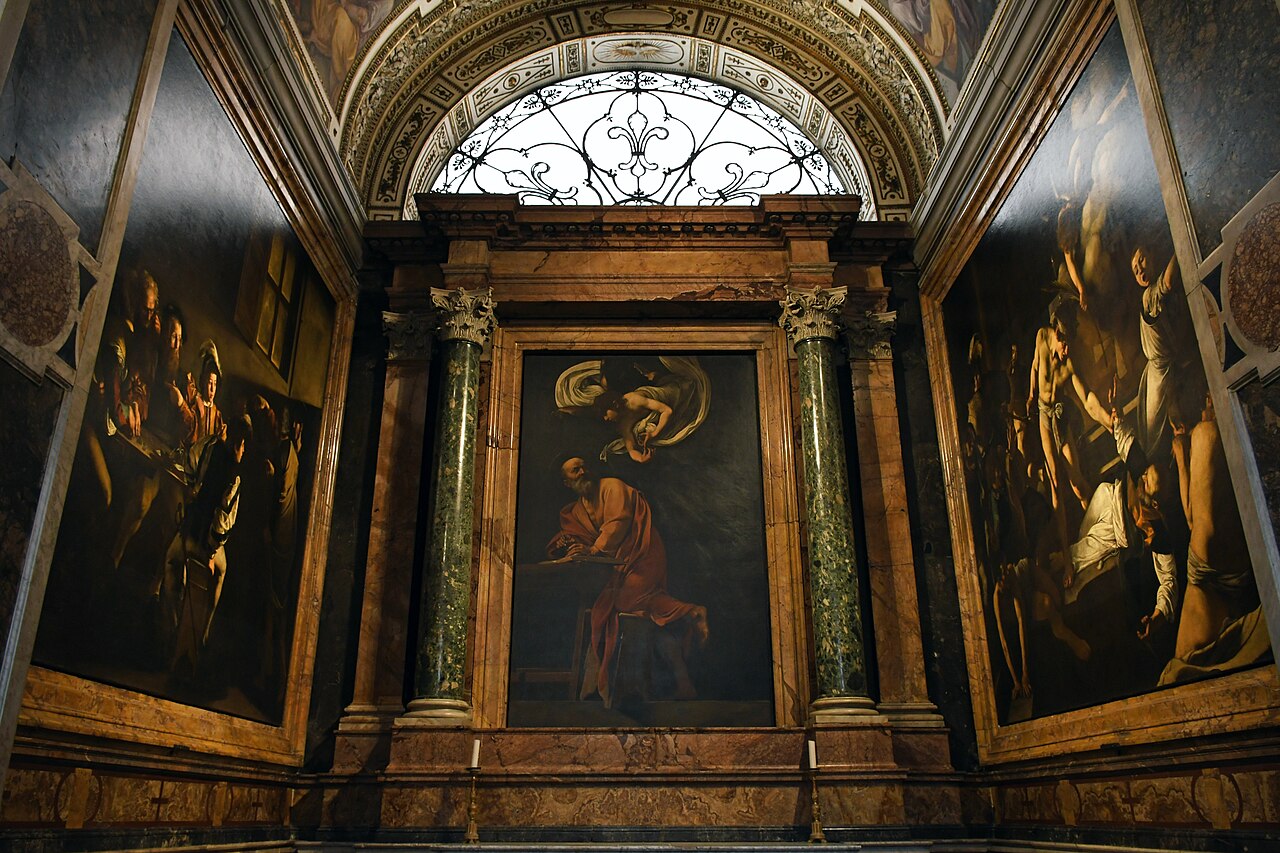 Artifact
Primary source
Contarelli Chapel
Caravaggio · 1600
 Painting
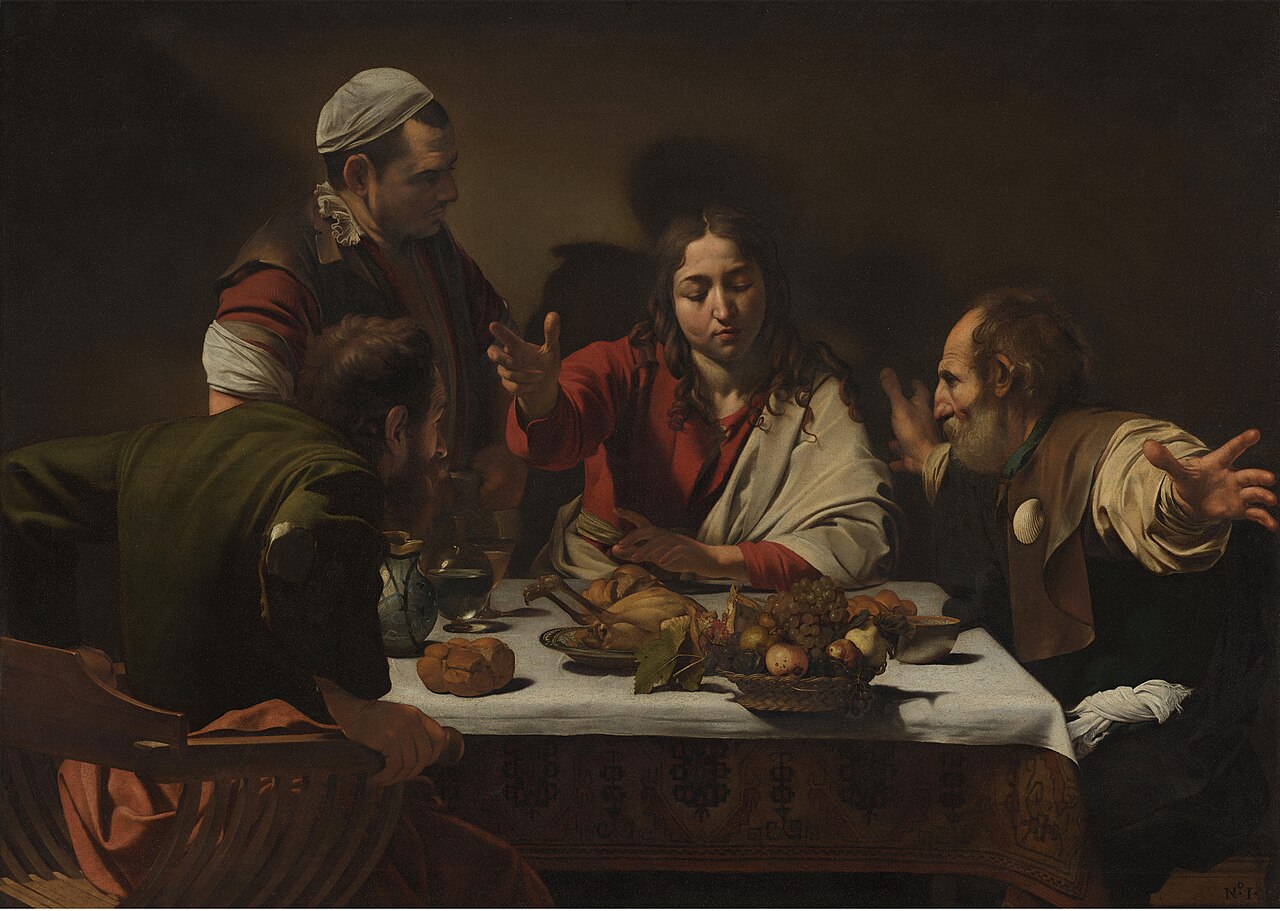
Secondary source
Supper at Emmaus
Caravaggio · 1601
 Painting
Secondary source
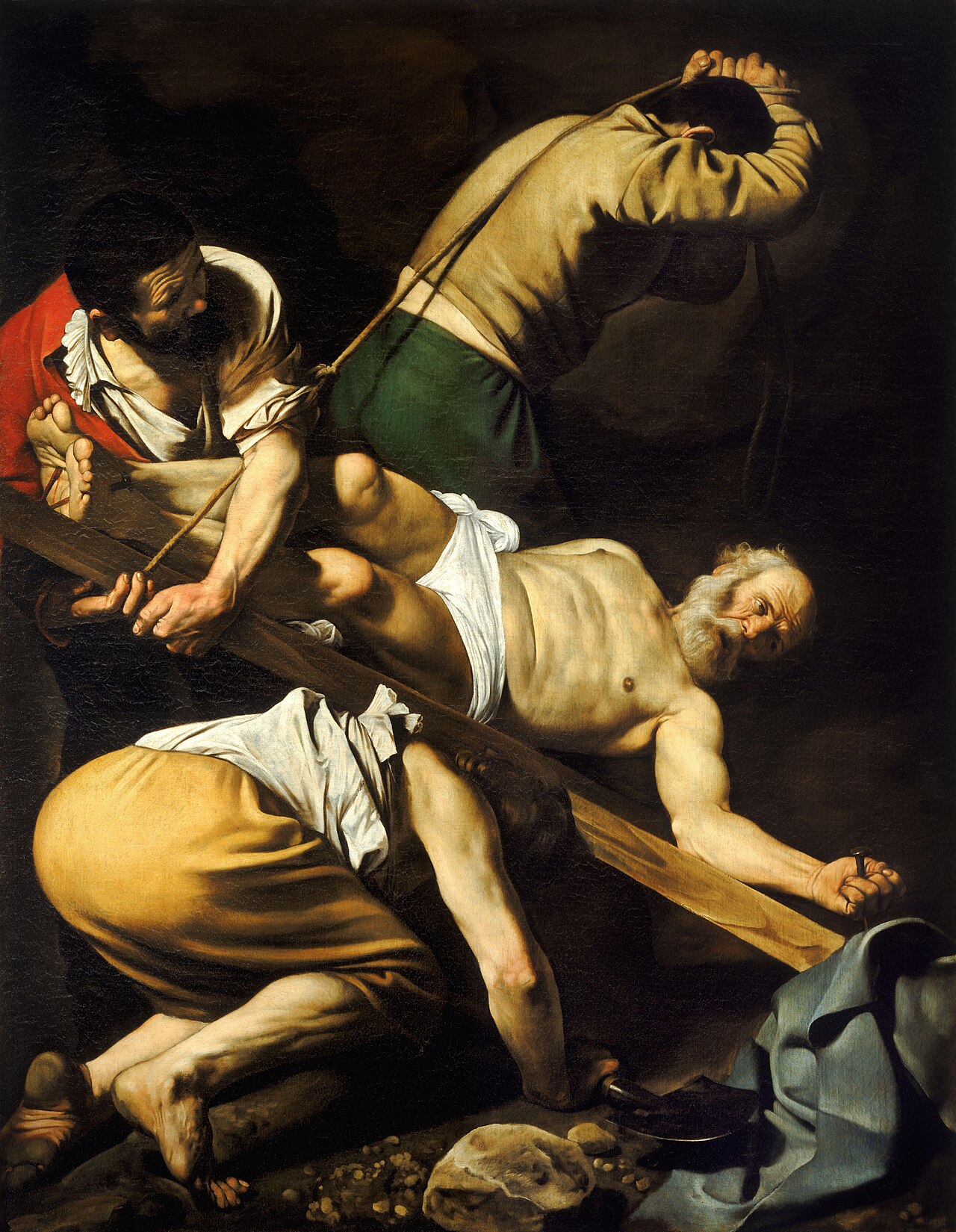
Crucifixion of Saint Peter
Caravaggio · 1600-1601
Free account
Read every Caravaggio source
Sign up free →
Ready when you are
Start chatting with Caravaggio now.
20 messages free · No credit card · Available in 50+ languages.