


Primary sourcePainting1602
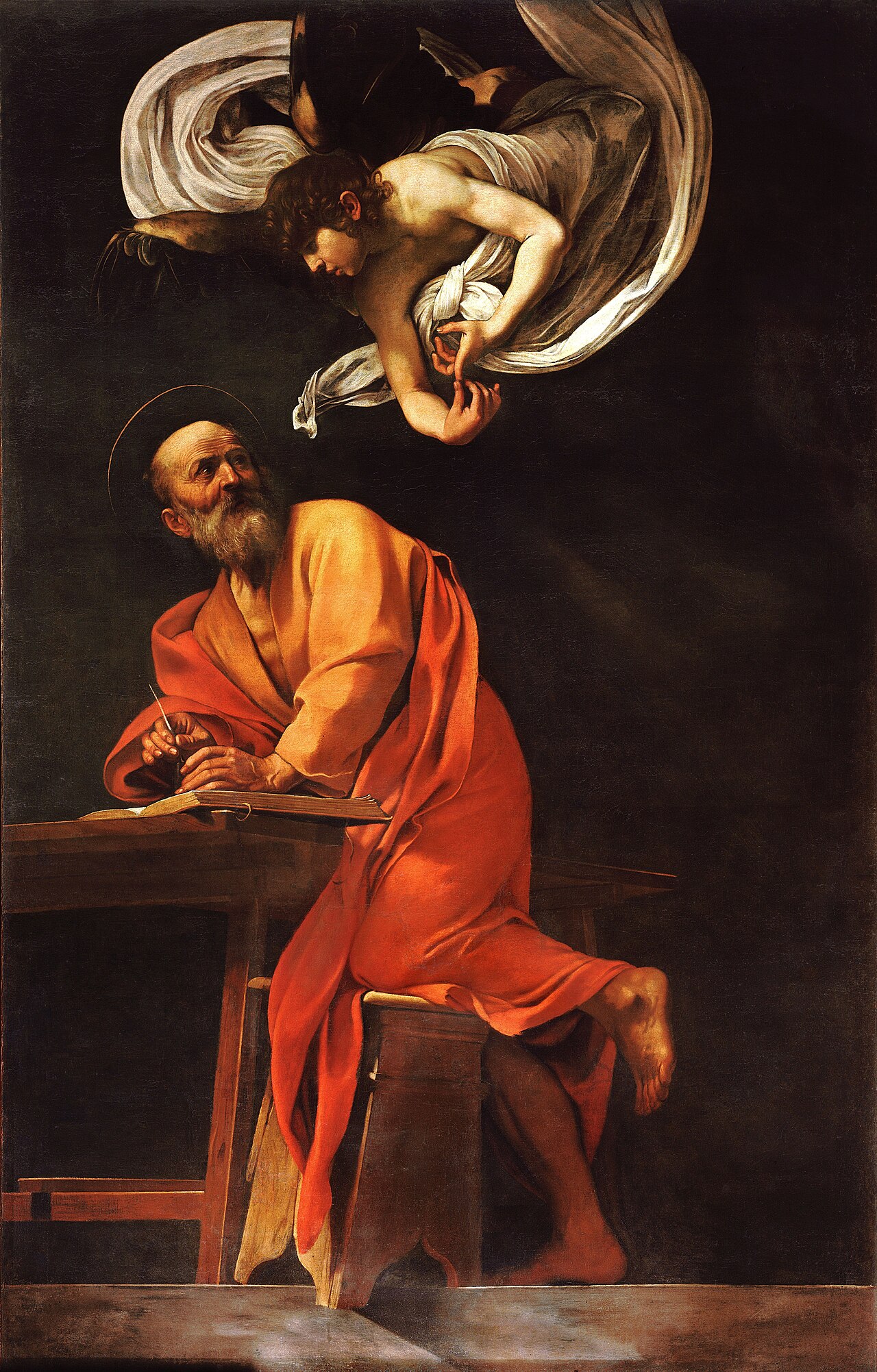
The Inspiration of Saint Matthew
Caravaggio · 1602
Caravaggio's 1602 altarpiece showing Saint Matthew guided by an angel as he writes his Gospel, painted to replace a rejected earlier version.
The replacement altarpiece Caravaggio painted after his first version was rejected, showing his accommodation to patrons' demands.
About this source
What it is
This oil painting was made by Caravaggio in 1602 for the Contarelli Chapel in the church of San Luigi dei Francesi in Rome, where it still hangs today. It shows Saint Matthew at a desk, looking up as a winged angel descends to guide his writing of the Gospel.
Why it matters
This was Caravaggio's second attempt at the subject. His patron, Cardinal Francesco Maria del Monte, and the church had rejected his first version as too crude, so Caravaggio painted a more dignified and respectful image to satisfy their wishes. The painting shows how even a bold, realist painter like Caravaggio had to adapt his style to meet the demands of powerful religious patrons.
Look closer
- How does Matthew's pose and expression compare with what you imagine a 'crude peasant saint' might have looked like?
- What does the dramatic lighting draw your eye to first?
- Why might patrons have cared so much about how a saint was portrayed?
This painting is part of the curated material that grounds the AI version of Caravaggio on Humy.ai — when students ask about related events, the AI can quote it and cite it.
More Caravaggio sources
Browse all 90 →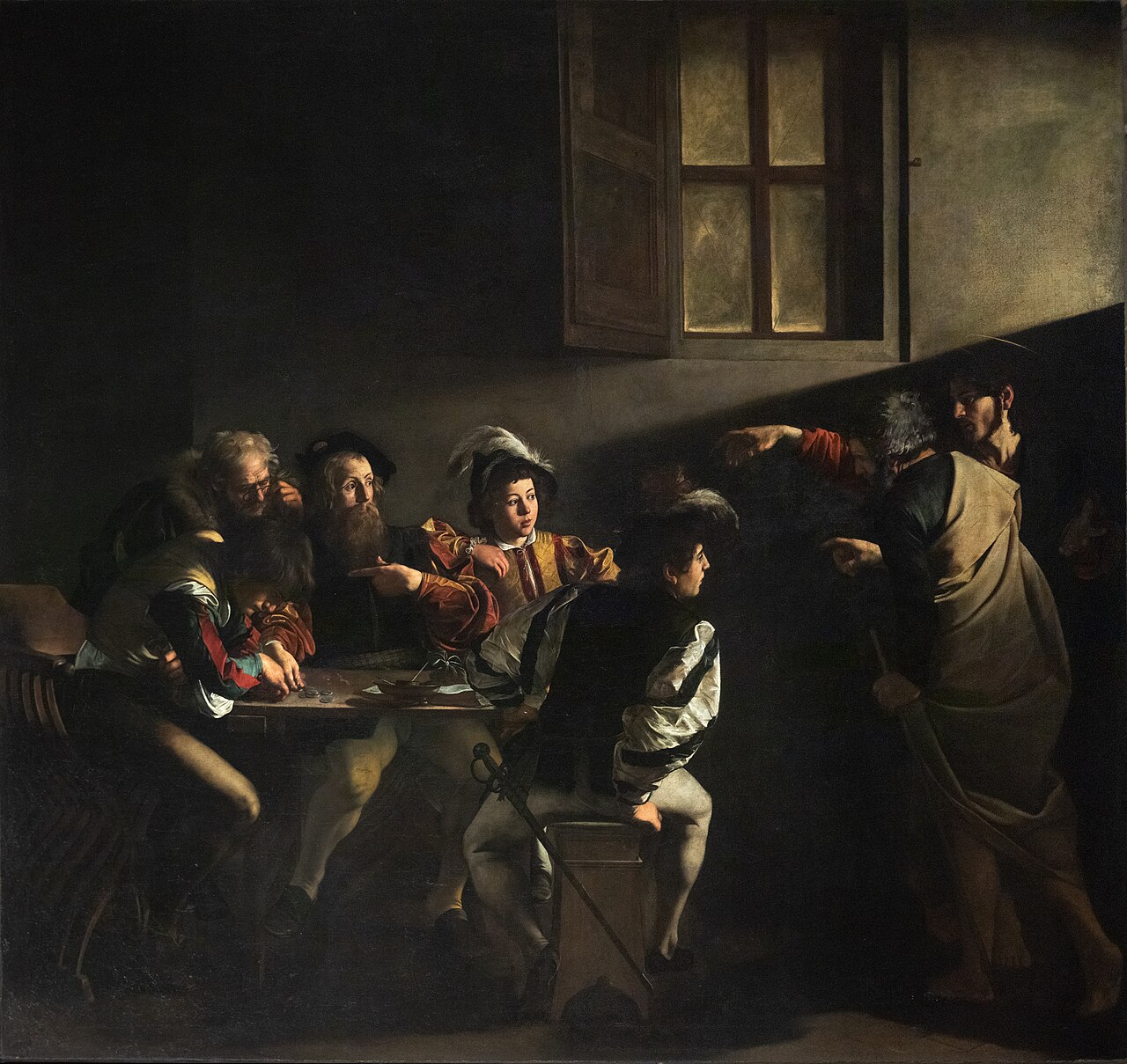 Painting
Secondary source
The Calling of Saint Matthew
Caravaggio · 1599–1600
 Artifact
Primary source
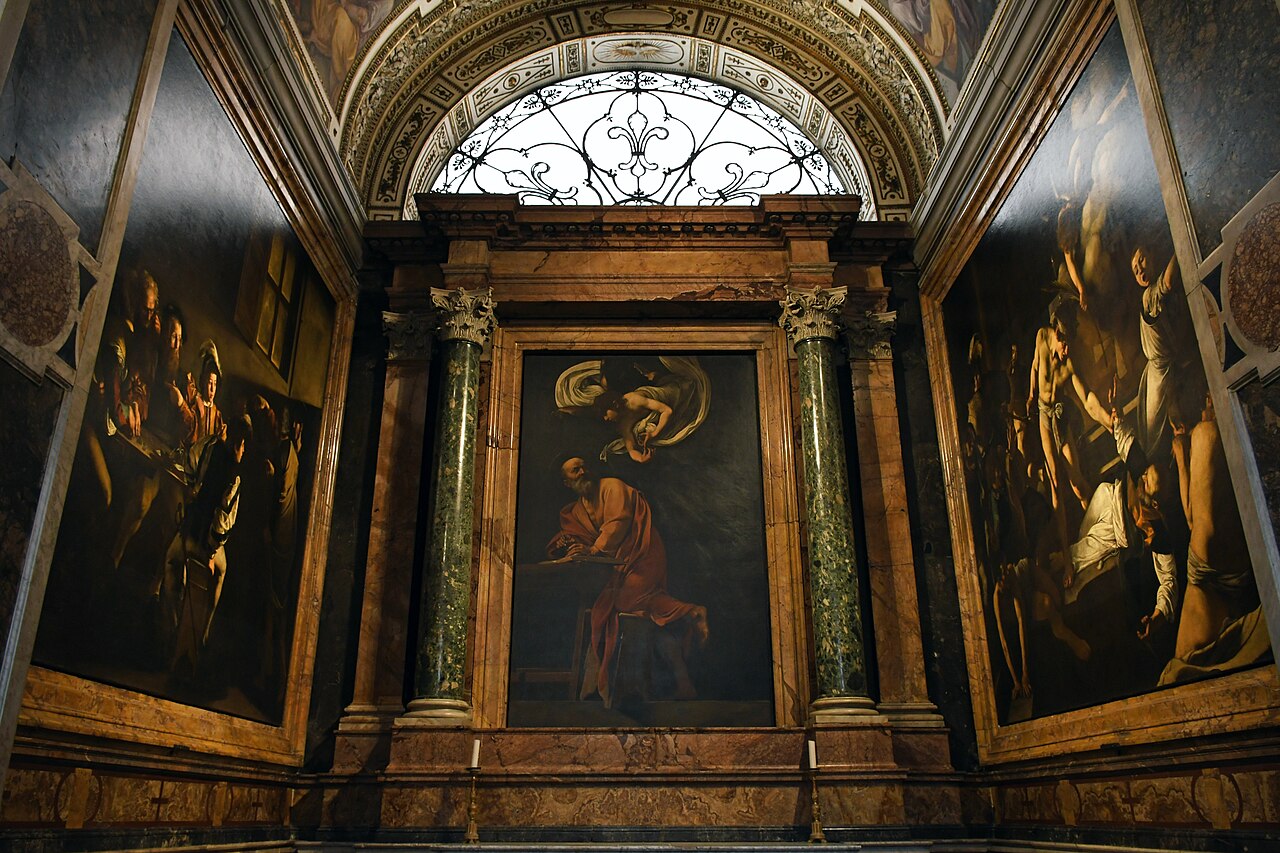
Contarelli Chapel
Caravaggio · 1600
 Painting
Secondary source
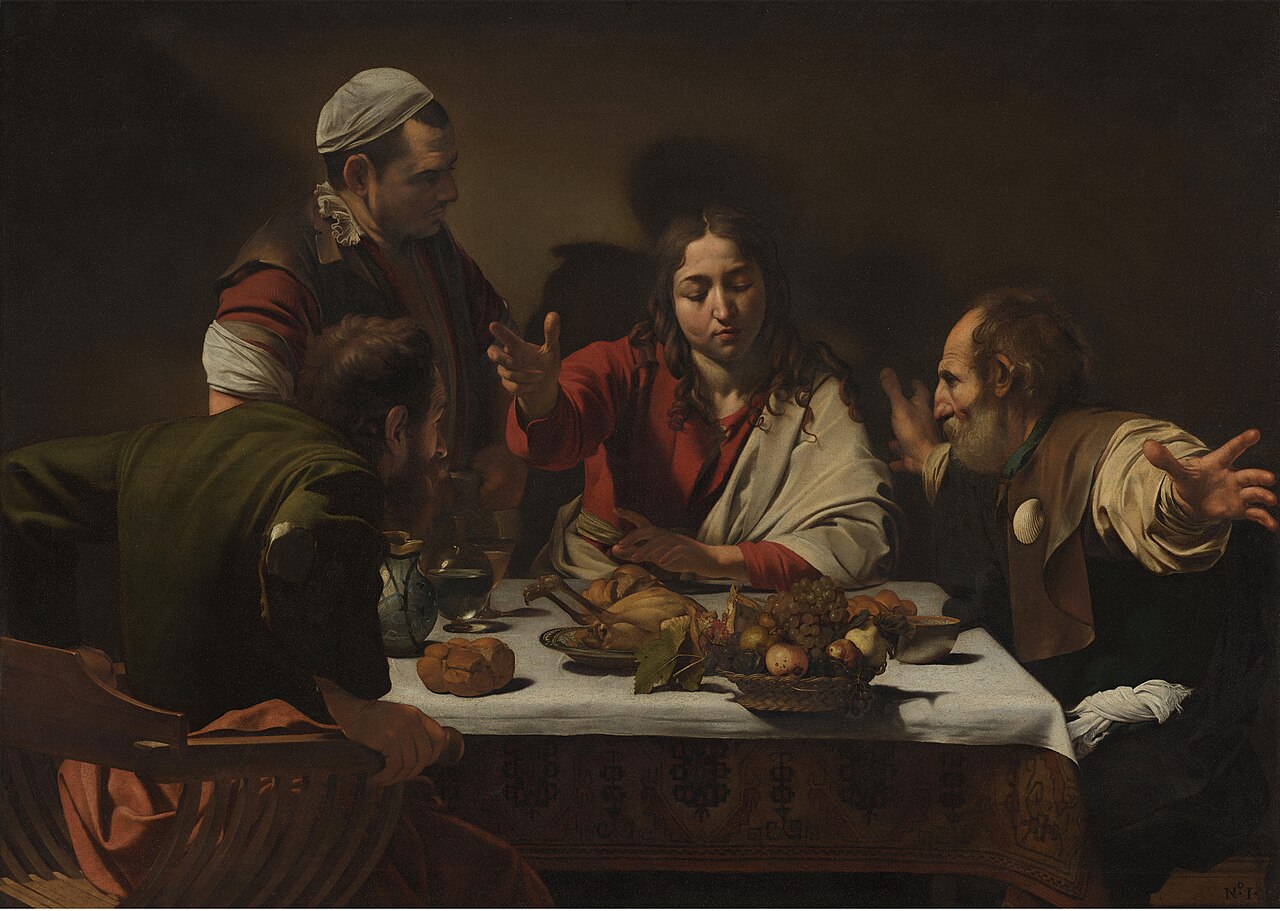
Supper at Emmaus
Caravaggio · 1601
 Painting
Secondary source
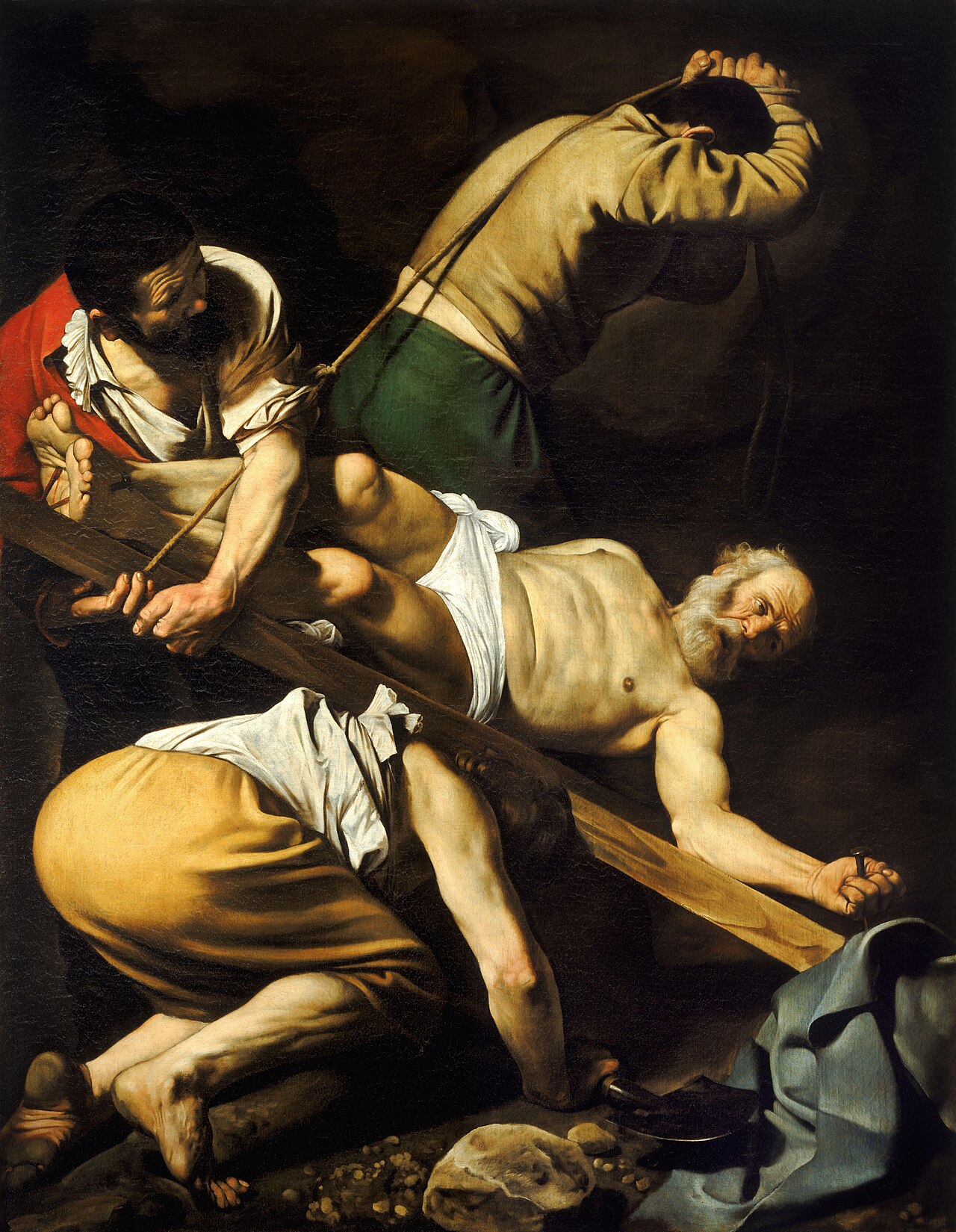
Crucifixion of Saint Peter
Caravaggio · 1600-1601
Free account
Read every Caravaggio source
Sign up free →
Ready when you are
Start chatting with Caravaggio now.
20 messages free · No credit card · Available in 50+ languages.