


Primary sourceBook1898
The Letters and Inscriptions of Hammurabi, King of Babylon
Hammurabi · 1898
An 1898 scholarly edition presenting Hammurabi's own letters and inscriptions in English translation, drawn from cuneiform tablets.
This volume preserves Hammurabi's own letters, giving direct evidence of his rule and communications as king.
 PDF · 388 pages
About this source
What it is
This is a printed scholarly volume from 1898 that collects letters and inscriptions attributed to Hammurabi, king of Babylon, along with letters from other kings of the First Dynasty of Babylon. The editor translated the original Babylonian cuneiform texts, kept in the British Museum, into English.
Why it matters
These letters are primary evidence surviving from Hammurabi's own time, giving historians direct access to how he communicated and governed. Because the texts were copied from clay tablets rather than written on paper, they survived thousands of years, offering rare first-hand material about one of the earliest known rulers of Babylon.
Look closer
- Why do you think these letters were preserved on clay rather than other materials?
- What does it mean that this book is a translation rather than the original language?
- What kinds of topics might a king's letters cover?
This book is part of the curated material that grounds the AI version of Hammurabi on Humy.ai — when students ask about related events, the AI can quote it and cite it.
More Hammurabi sources
Meet the AI Hammurabi →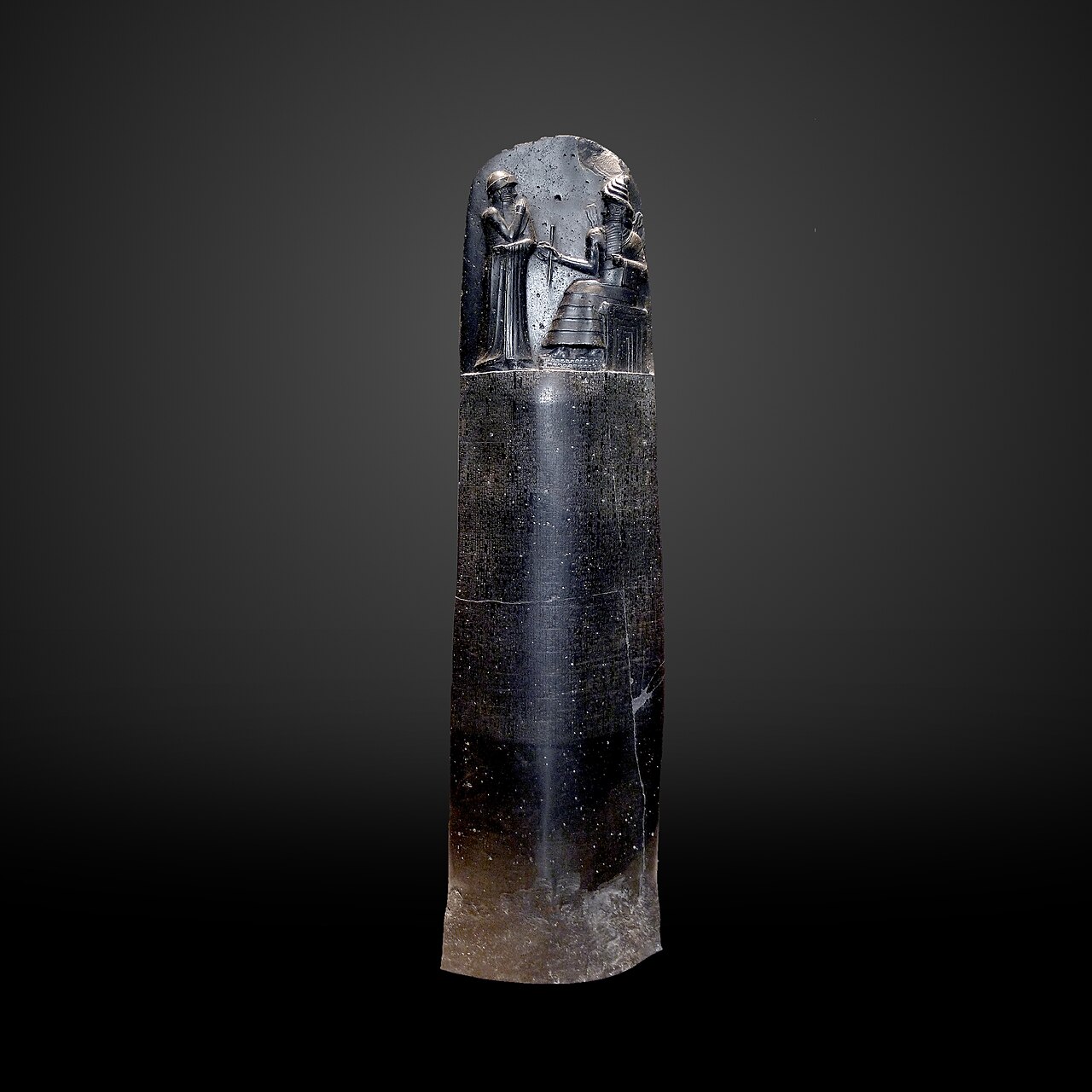 Document
Primary source
Code of Hammurabi
Hammurabi · c. 1753 BCE
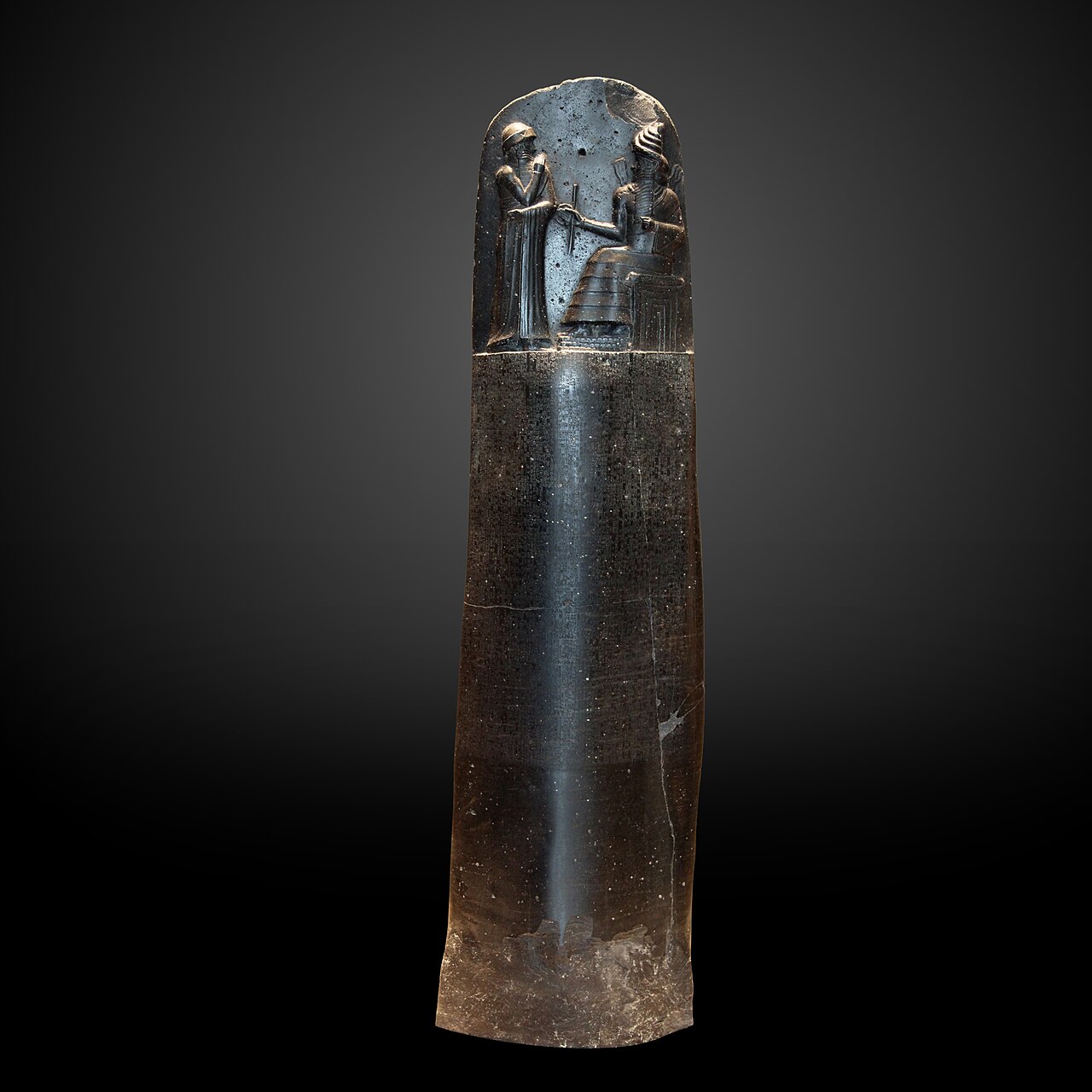 Sculpture
Primary source
Stele with the Code of Hammurabi
Hammurabi · c. 1792 BCE
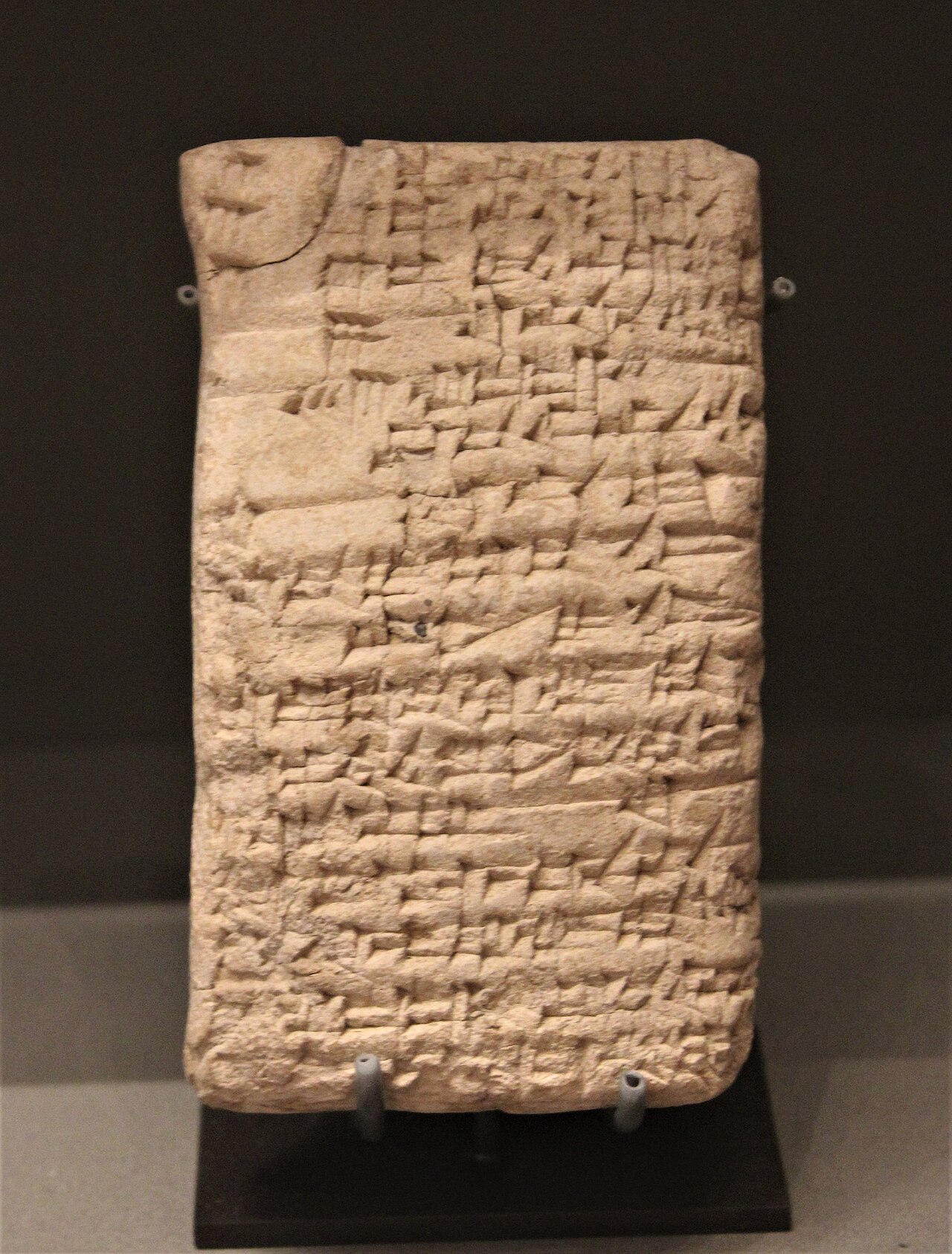 Letter
Primary source
Letter from Hammurabi to Sîn-iddinam
Hammurabi · c. 1792-1750 BCE
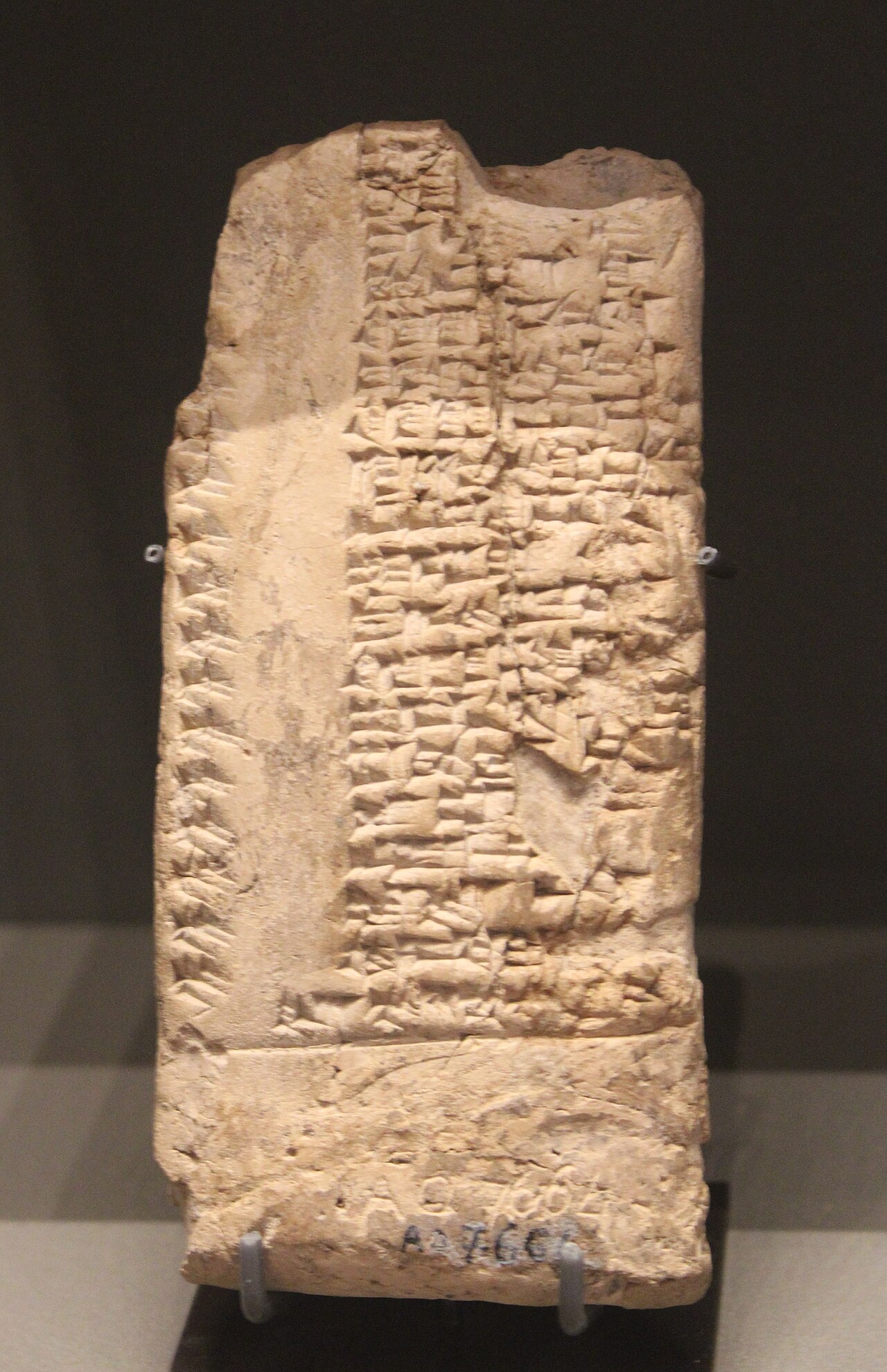 Document
Primary source
List of the year-names of Hammurabi's reign
Old Babylonian period, reign of Hammurabi (c. 1792-1750 BCE)
 Document
Secondary source
Chronicle of Early Kings
Babylonian scribes · c. 6th century BCE copy
Ready when you are
Start chatting with Hammurabi now.
20 messages free · No credit card · Available in 50+ languages.