


Primary sourceBook458 BC
The Libation Bearers
Aeschylus · 458 BC
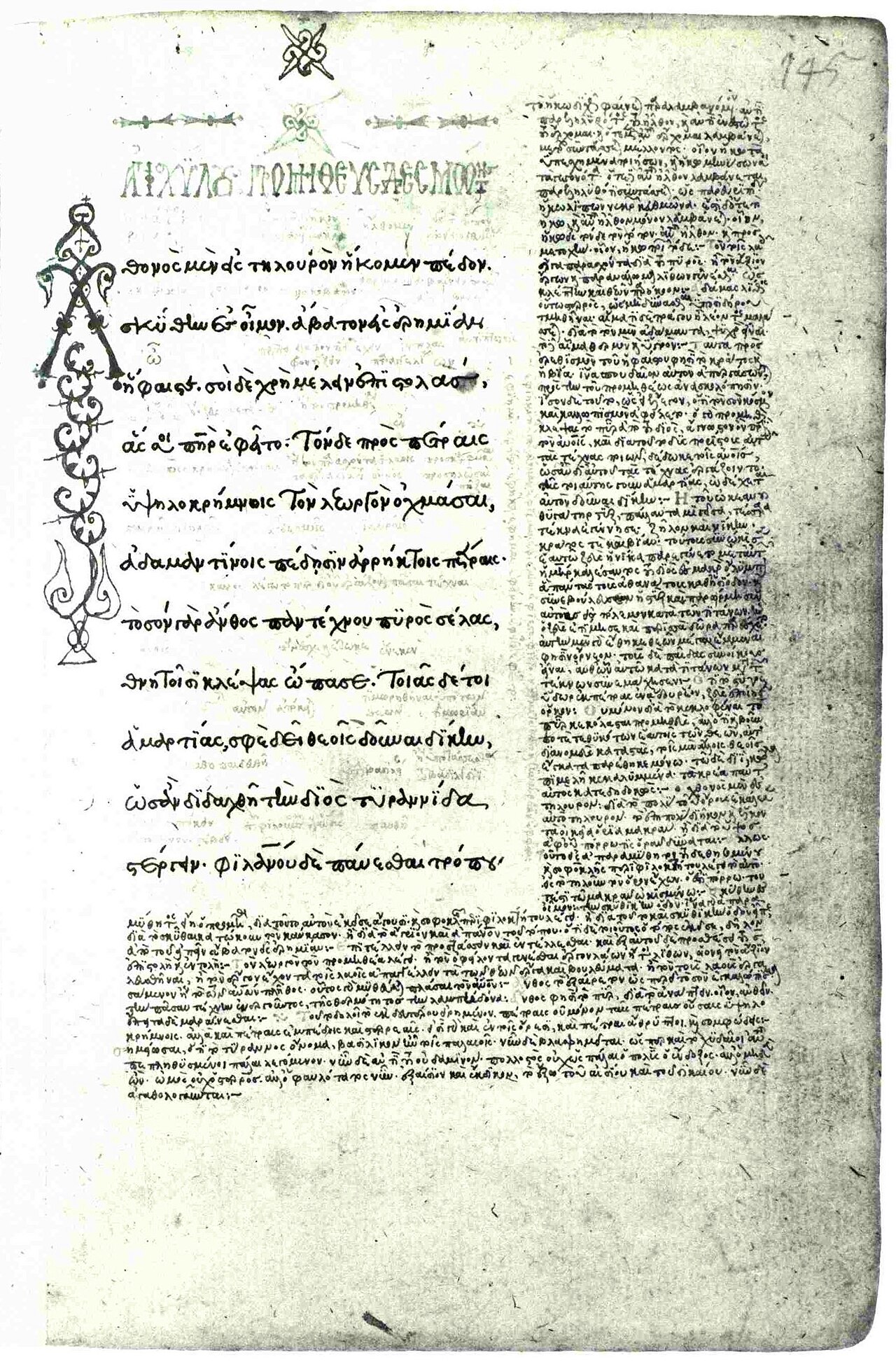
The second play of Aeschylus' Oresteia trilogy, in which Orestes returns to Argos and avenges his father Agamemnon's murder by killing his mother Clytemnestra.
Aeschylus wrote this play as the central part of his Oresteia trilogy, exploring revenge and justice.
Free Humy account · No credit card · 120,912 sources to read
About this source
What it is
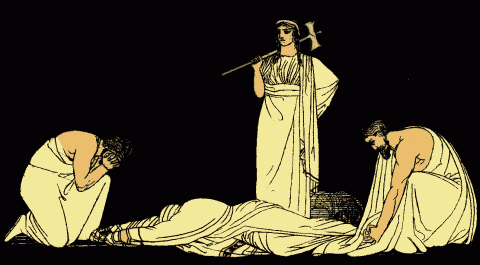
This is a tragedy written by Aeschylus in the 5th century BC, the second play of his Oresteia trilogy. It tells how Orestes returns home, is recognised by his sister Electra, and kills his mother Clytemnestra to avenge his father's murder.
Why it matters
The Oresteia is the only complete trilogy of Greek tragedy that survives, and it won first prize at a major Athenian festival. The play explores the shift from personal revenge to organised justice, themes later tragedians reworked and even parodied, showing how influential Aeschylus's ideas about justice and the gods became.
Look closer
- What does the recognition scene between Orestes and Electra suggest about family loyalty?
- Why might later playwrights have wanted to rework or parody this scene?
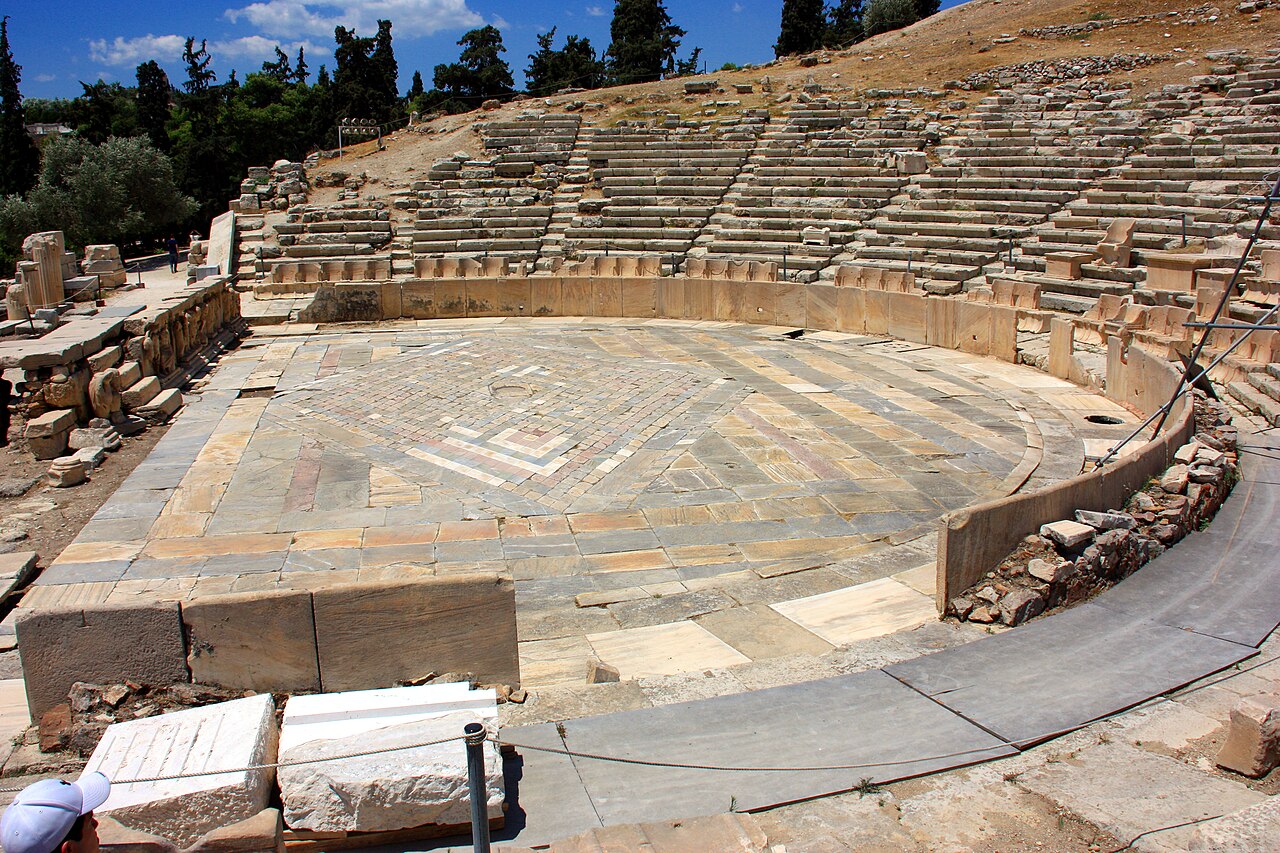
- What does the photograph of a modern staging tell us about how the play is still performed today, compared to its ancient origins?
This book is part of the curated material that grounds the AI version of Aeschylus on Humy.ai — when students ask about related events, the AI can quote it and cite it.
Ready when you are
Start chatting with Aeschylus now.
20 messages free · No credit card · Available in 50+ languages.