


Secondary sourceBook1857
The Life of Charlotte Brontë, vol. II, Haworth page
E. C. Gaskell · 1857
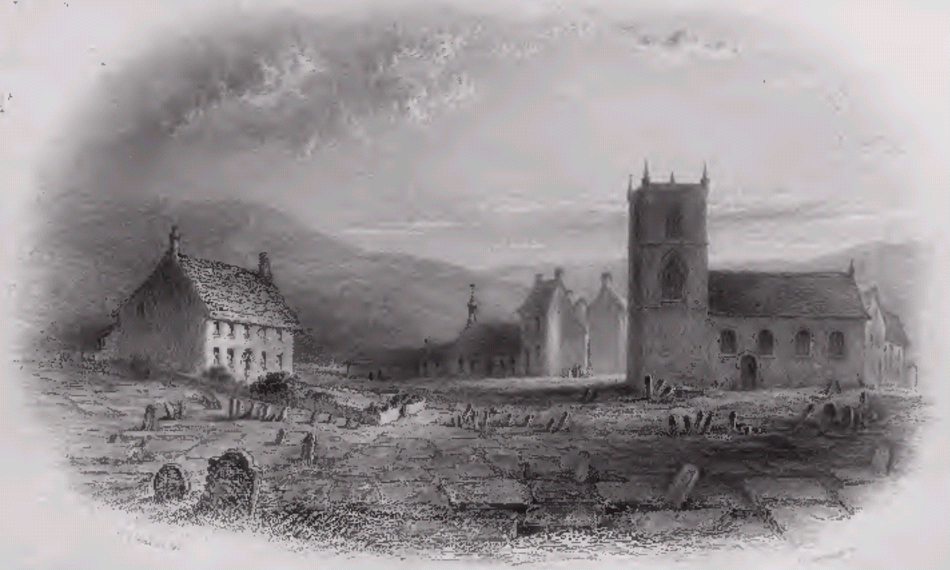
A page from Elizabeth Gaskell's 1857 biography of Charlotte Brontë, showing an engraving of Haworth church and parsonage.
This biography, written by someone who knew Charlotte Brontë, shaped her public image and legacy after her death.
About this source
What it is
This is a page from The Life of Charlotte Brontë, a biography written by Elizabeth Gaskell and published in 1857, two years after Brontë's death. The page shown carries an engraving of Haworth church and the parsonage where Brontë lived, surrounded by gravestones.
Why it matters
Gaskell knew Charlotte Brontë personally, which makes her biography an unusually close and influential account, even though it was written after Brontë's death. It shaped how generations of readers pictured Brontë's life at Haworth and remains a key source for historians studying her.
Look closer
- Why might an author who knew her subject personally still shape the story in certain ways?
- What mood does the engraving of Haworth create, and how might that match or shape ideas about Brontë's writing?
- What does the choice to open a biography chapter with this landscape suggest about its importance to her story?
This book is part of the curated material that grounds the AI version of Charlotte Brontë on Humy.ai — when students ask about related events, the AI can quote it and cite it.
More Charlotte Brontë sources
Meet the AI Charlotte Brontë →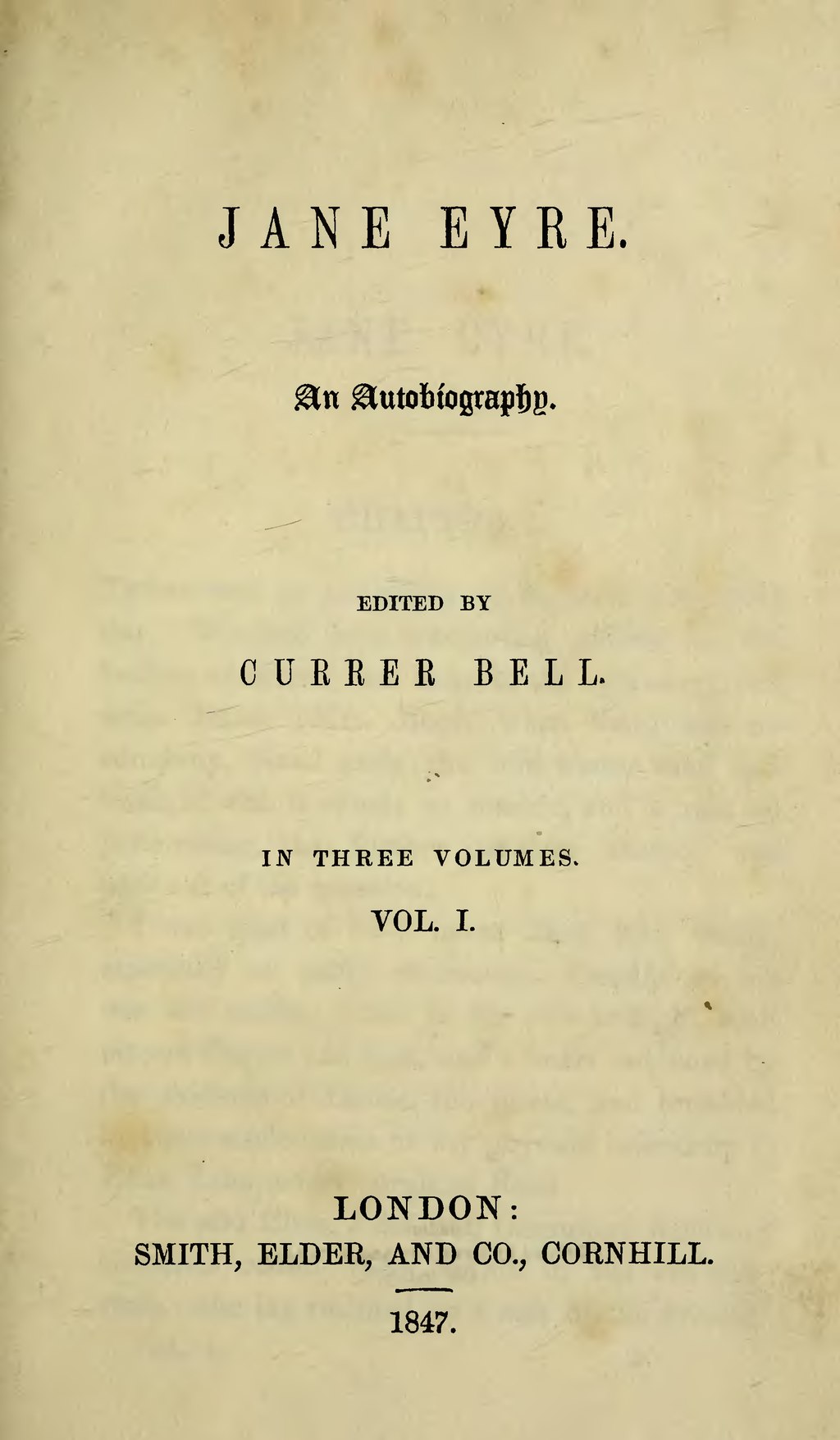 Book
Primary source
Jane Eyre
Charlotte Brontë · 1847
 Painting
Primary source
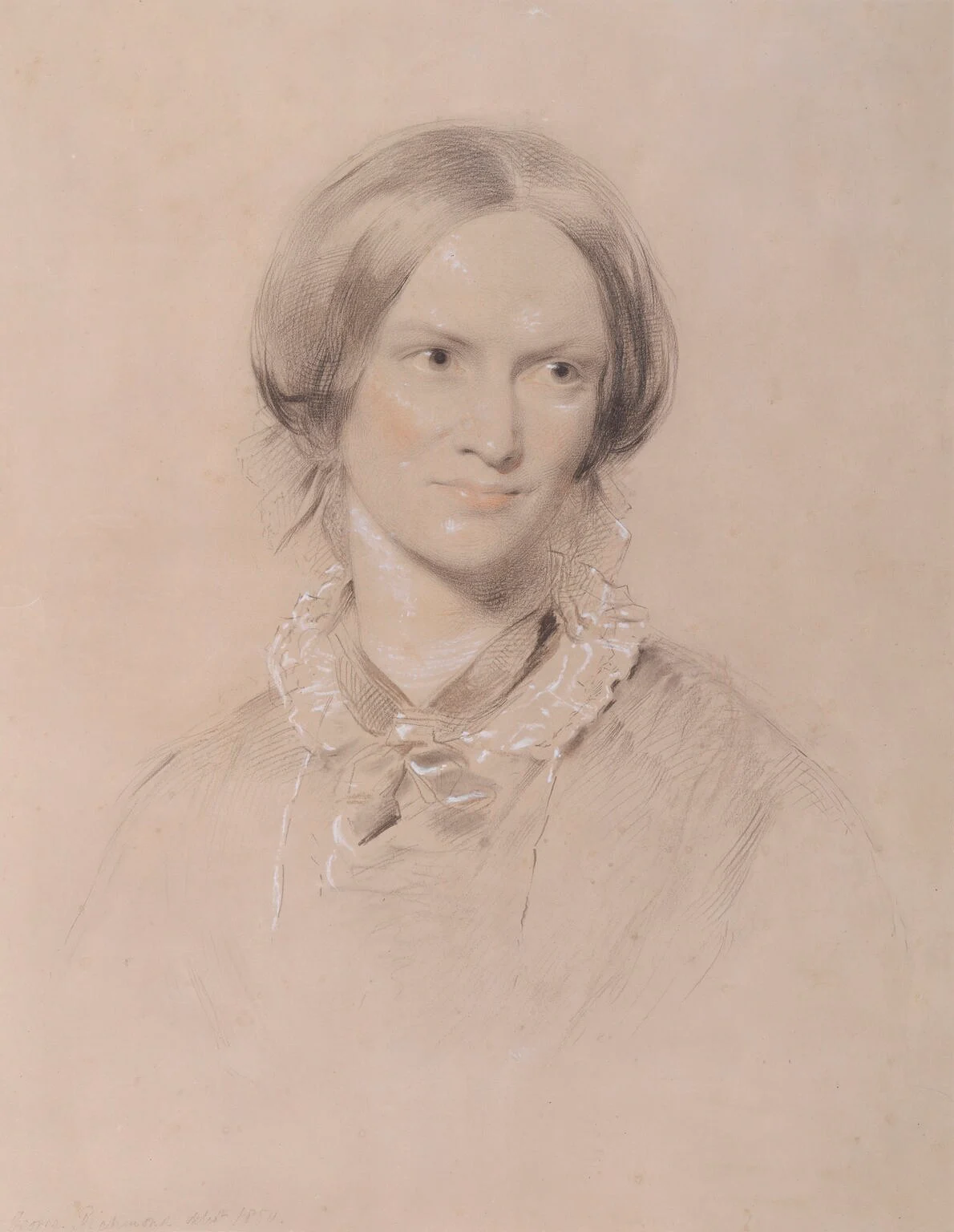
Charlotte Brontë (chalk portrait by George Richmond)
George Richmond · 1850
 Painting
Primary source
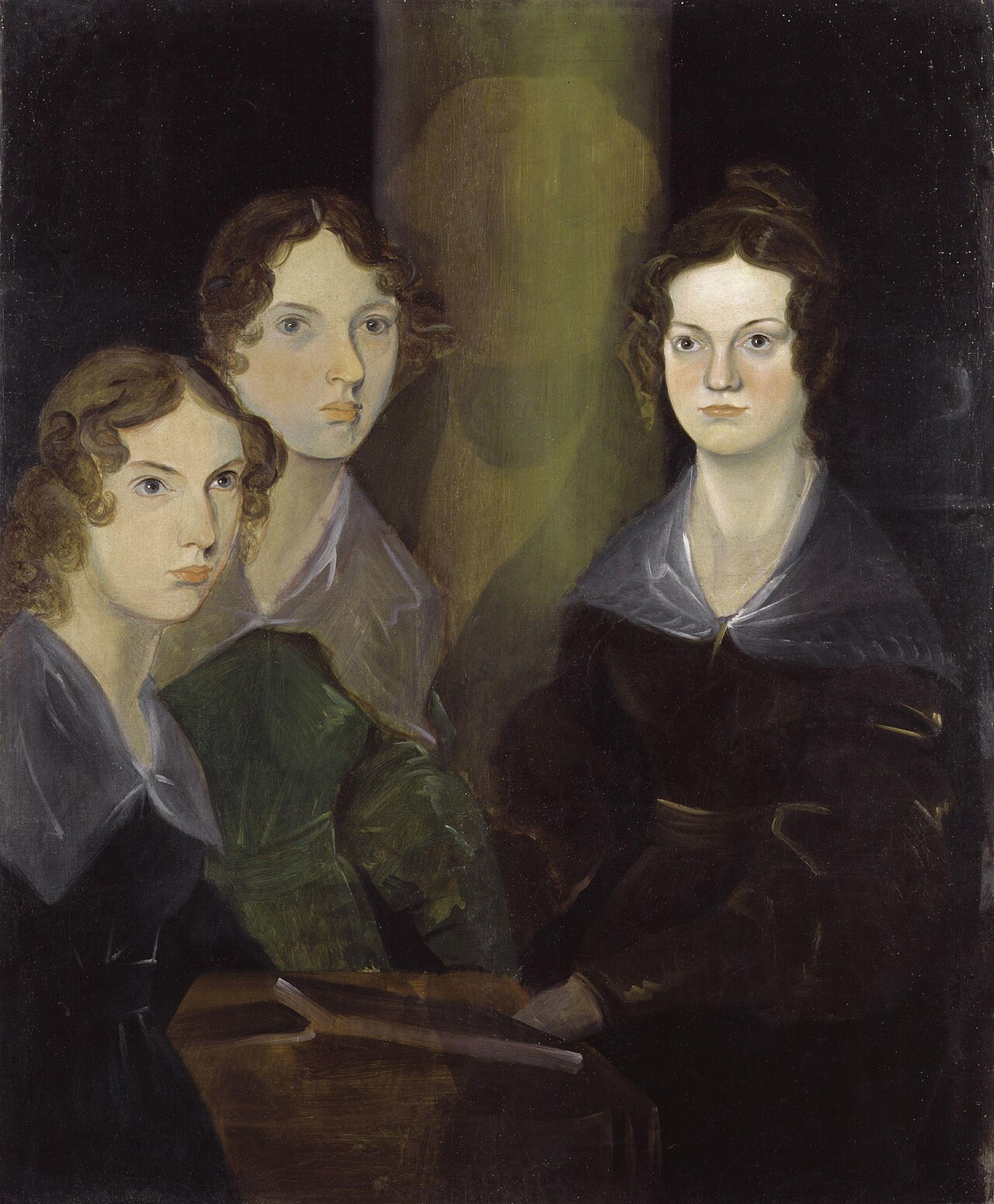
The Brontë Sisters
Branwell Brontë · c. 1834
 Book
Secondary source
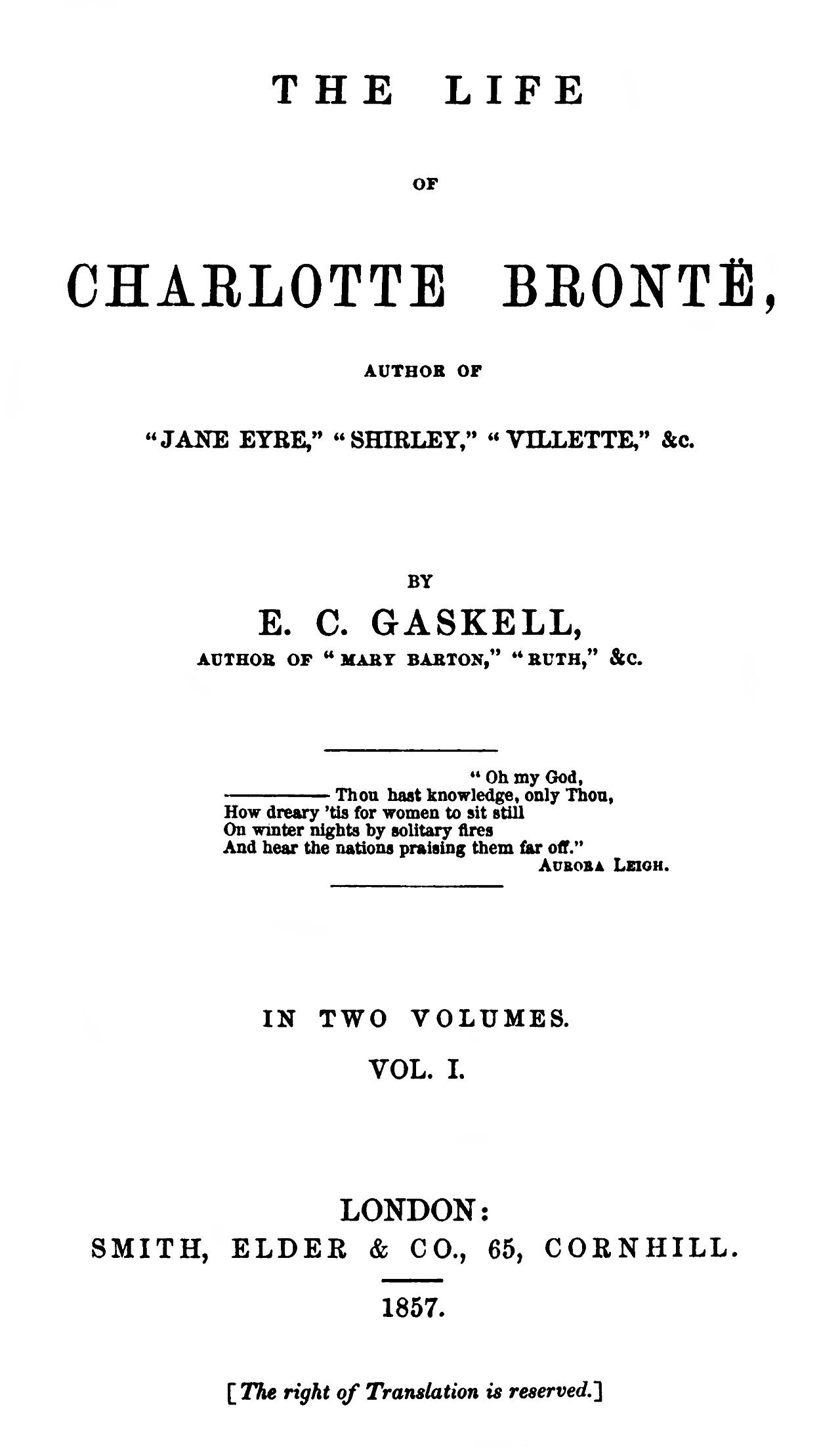
The Life of Charlotte Brontë
Elizabeth Gaskell · 1857
 Book
Primary source
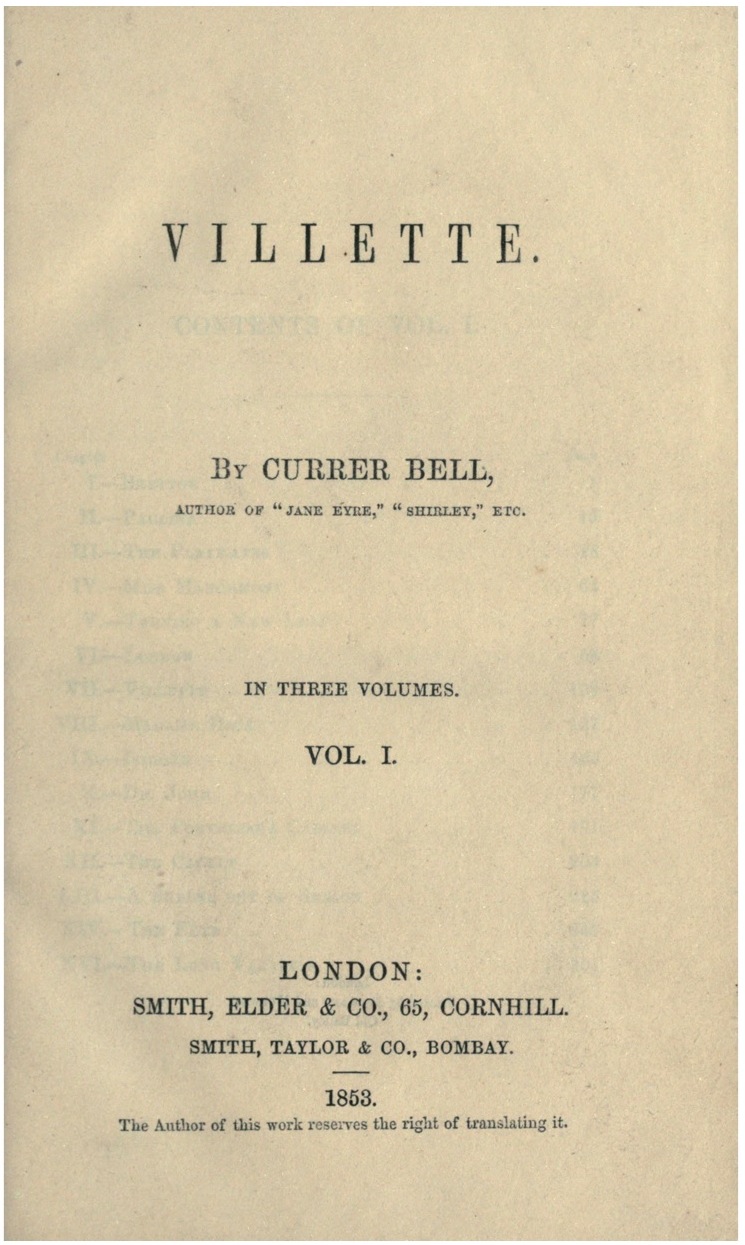
Villette
Charlotte Brontë · 1853
Ready when you are
Start chatting with Charlotte Brontë now.
20 messages free · No credit card · Available in 50+ languages.