


Secondary sourceBook
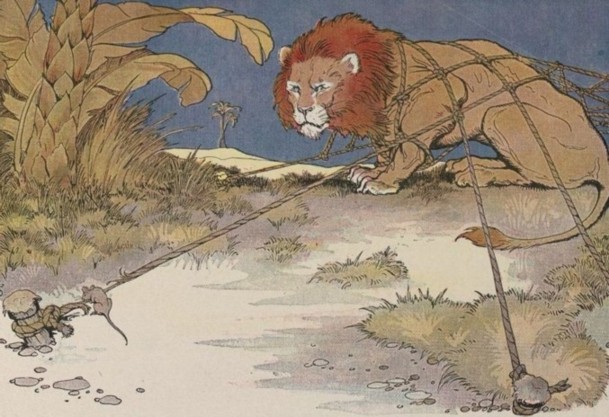
The Lion and the Mouse
Aesop
An Aesopic fable in which a mouse spared by a lion later saves it, teaching that even the weak can help the powerful.
This fable is attributed to Aesop and reflects the moral style traditionally linked to his life story.
Free Humy account · No credit card · 120,912 sources to read
About this source
What it is
This is one of the fables attributed to Aesop, numbered in the Perry Index of his tales. It tells of a lion that spares a small mouse, which later repays the favour by freeing the lion from a hunter's net. The version shown here comes from an old illustrated printed collection of the fables, with woodcut-style pictures of the animals.
Why it matters
The fable has been retold for centuries, by poets and painters across Europe, because its message — that mercy is rewarded and that no one is too small to matter — applies to all kinds of situations, from politics to friendship. Ancient tradition held that Aesop himself had once been an enslaved person who used clever stories to outwit those more powerful than him, which may explain why this theme recurs in his fables.
Look closer
- Why do you think a story about a weak animal helping a strong one became so popular?
- What does the illustration choose to show, and what does it leave out?
- How might the fable's message have felt different to an enslaved audience than to a king?
This book is part of the curated material that grounds the AI version of Aesop on Humy.ai — when students ask about related events, the AI can quote it and cite it.
More Aesop sources
Browse all 85 →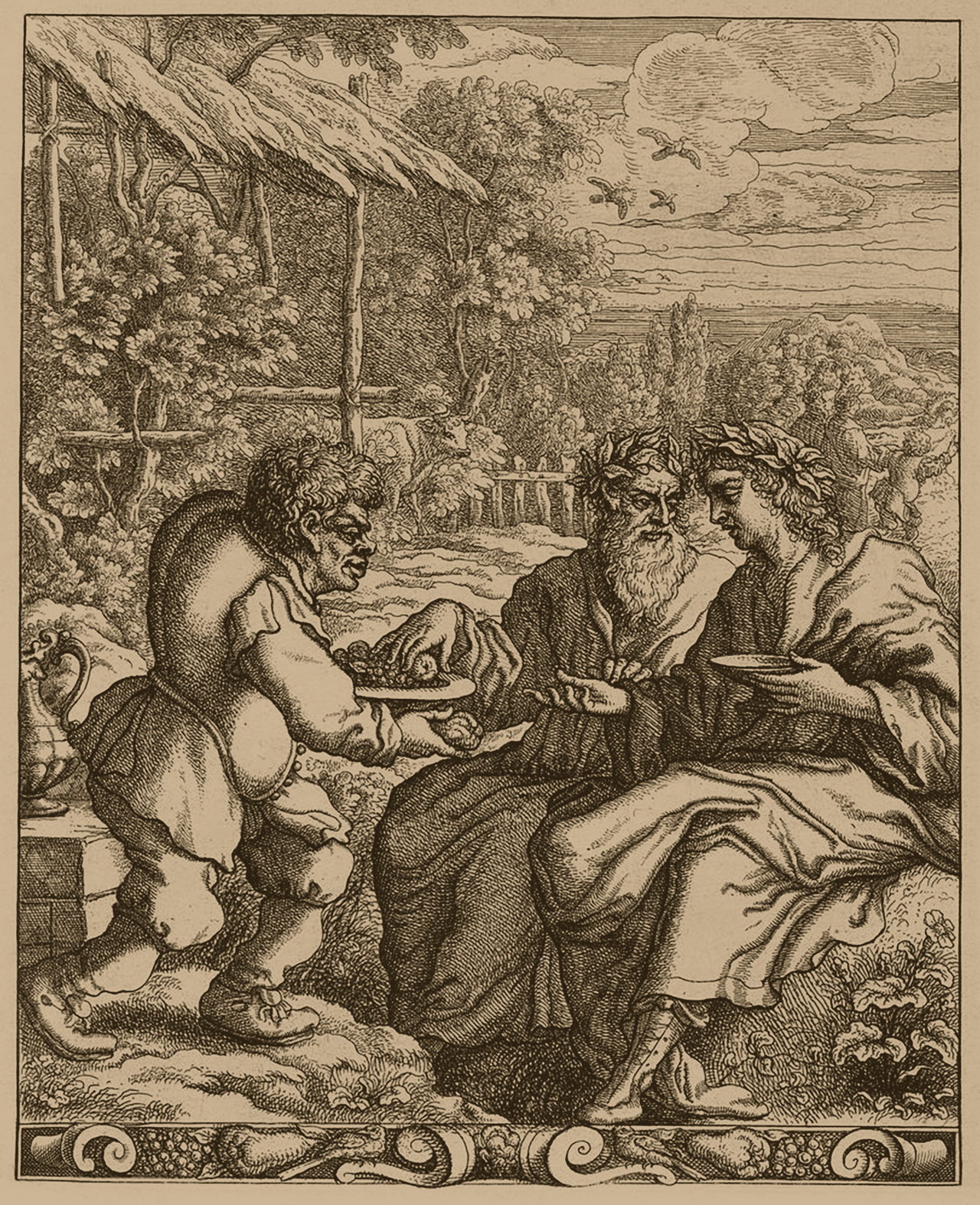 Book
Secondary source
Aesop's Fables
Aesop (attributed) · compiled from the 3rd century BCE onward
 Artifact
Secondary source
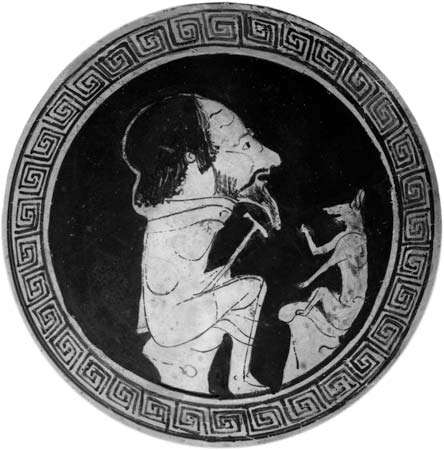
Aesop and the Fox (Red-Figure Kylix)
Unknown Greek artist · c. 450 BCE
 Book
Secondary source
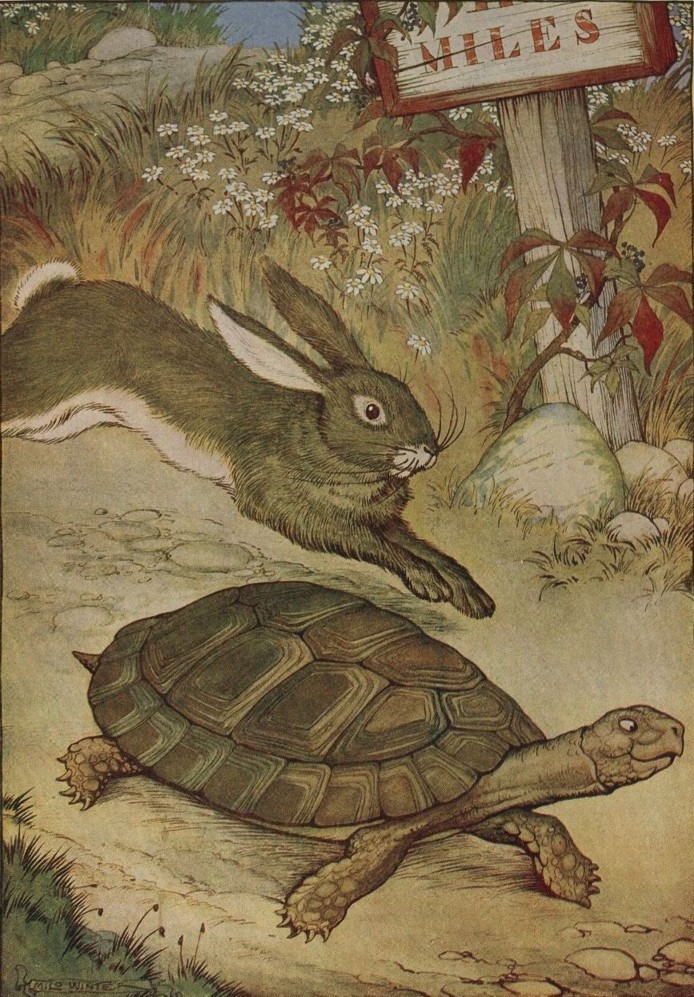
The Tortoise and the Hare
Aesop (attributed) · ancient Greek origin, no early Latin version; printed from 16th century
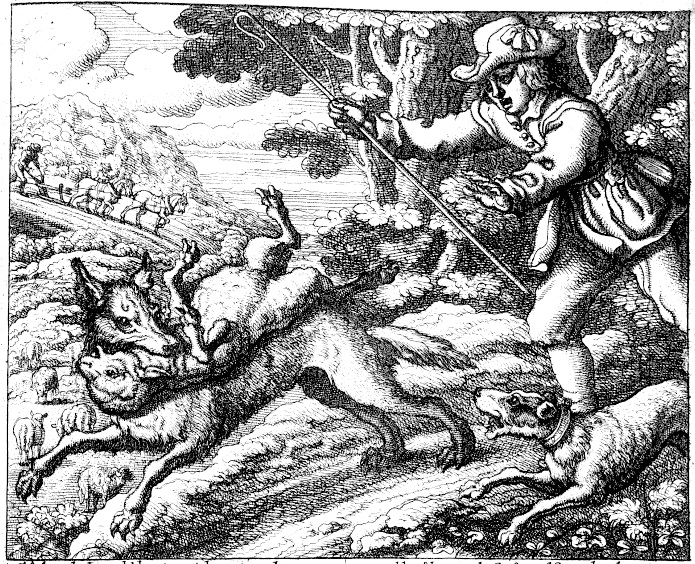 Book
Secondary source
The Boy Who Cried Wolf
Aesop (attributed) · ancient Greek origin; translated into Latin in the 15th century
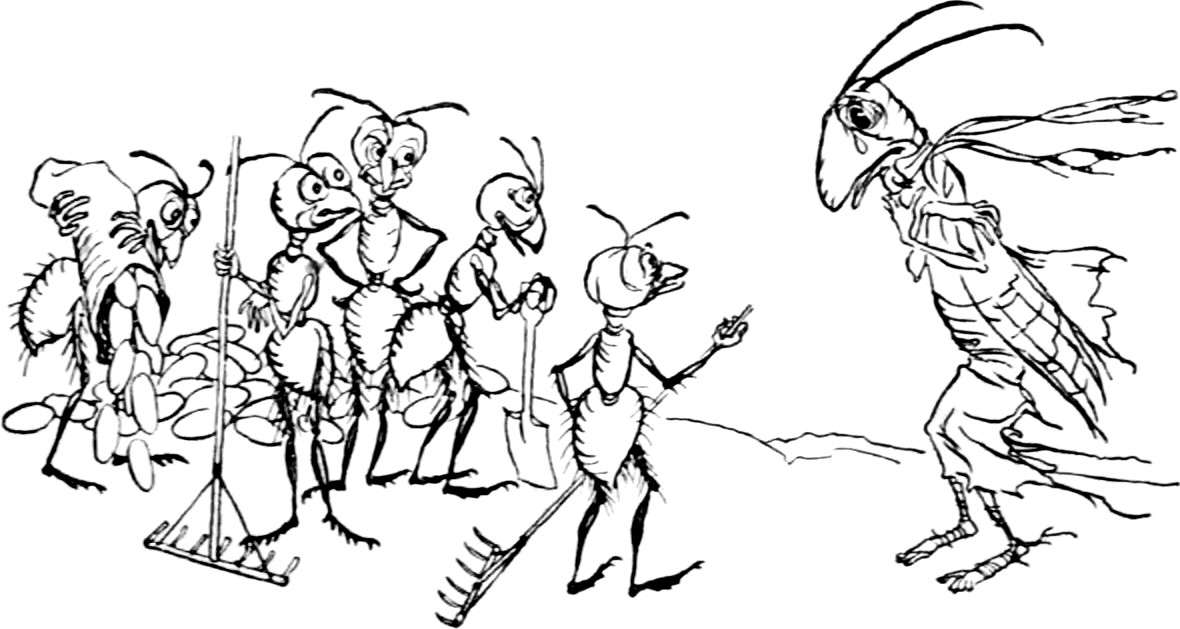
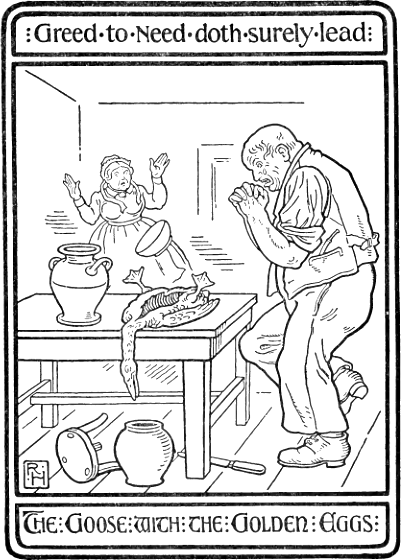
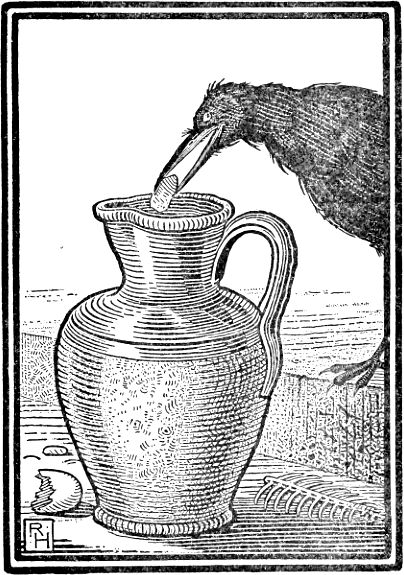
Free account
Read every Aesop source
Sign up free →
Ready when you are
Start chatting with Aesop now.
20 messages free · No credit card · Available in 50+ languages.