


Primary sourceBook1869
The Man Who Laughs
Victor Hugo · 1869
A novel by Victor Hugo about a disfigured nobleman, written in exile as a critique of aristocratic cruelty.
Hugo wrote this novel during his political exile, using it to critique aristocratic cruelty and privilege.
Free Humy account · No credit card · 120,912 sources to read
About this source
What it is
The Man Who Laughs (L'Homme qui rit) is a novel written by Victor Hugo, published in 1869. Set in late 17th and early 18th century England, it follows Gwynplaine, a man disfigured as a child on a king's orders and left with a permanent grin, as he confronts the aristocracy that shaped his fate.
Why it matters
Hugo wrote the book while exiled in the Channel Islands after opposing Napoleon III, and intended it as a veiled criticism of the French monarchy as well as English aristocracy. The novel reflects his recurring concern with poverty and social injustice, and his belief that art should speak to the human condition beyond any one time or place.
Look closer
- Why might Hugo set a criticism of the French regime in England instead?
- What does Gwynplaine's permanent 'laughing' face allow Hugo to say about appearances versus reality?
- How does Hugo's own explanation that the subject is 'philosophical, not historical' change how we read the story?
This book is part of the curated material that grounds the AI version of Victor Hugo on Humy.ai — when students ask about related events, the AI can quote it and cite it.
More Victor Hugo sources
Browse all 93 →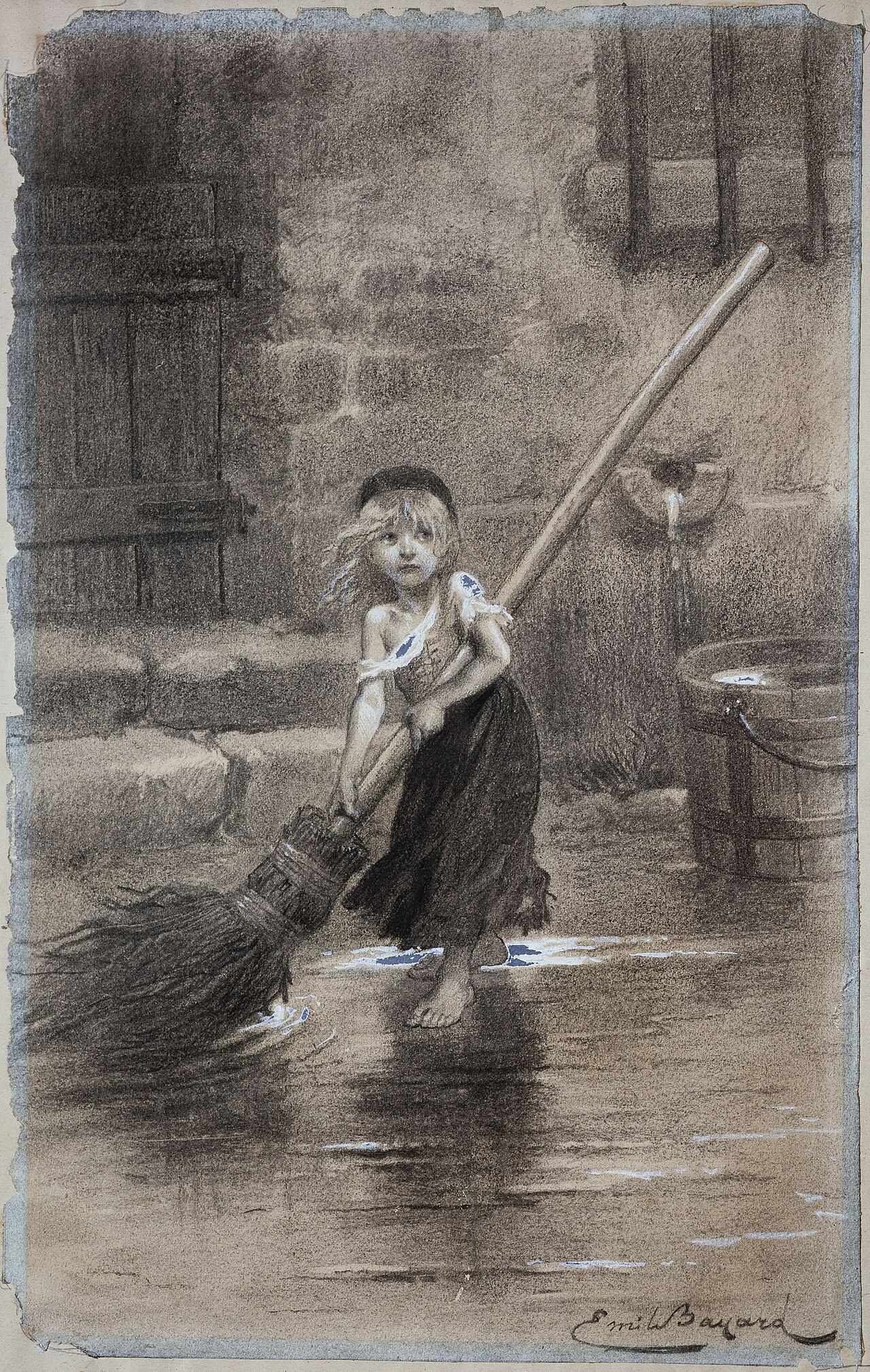 Book
Primary source
Les Misérables
Victor Hugo · 1862
 Book
Primary source
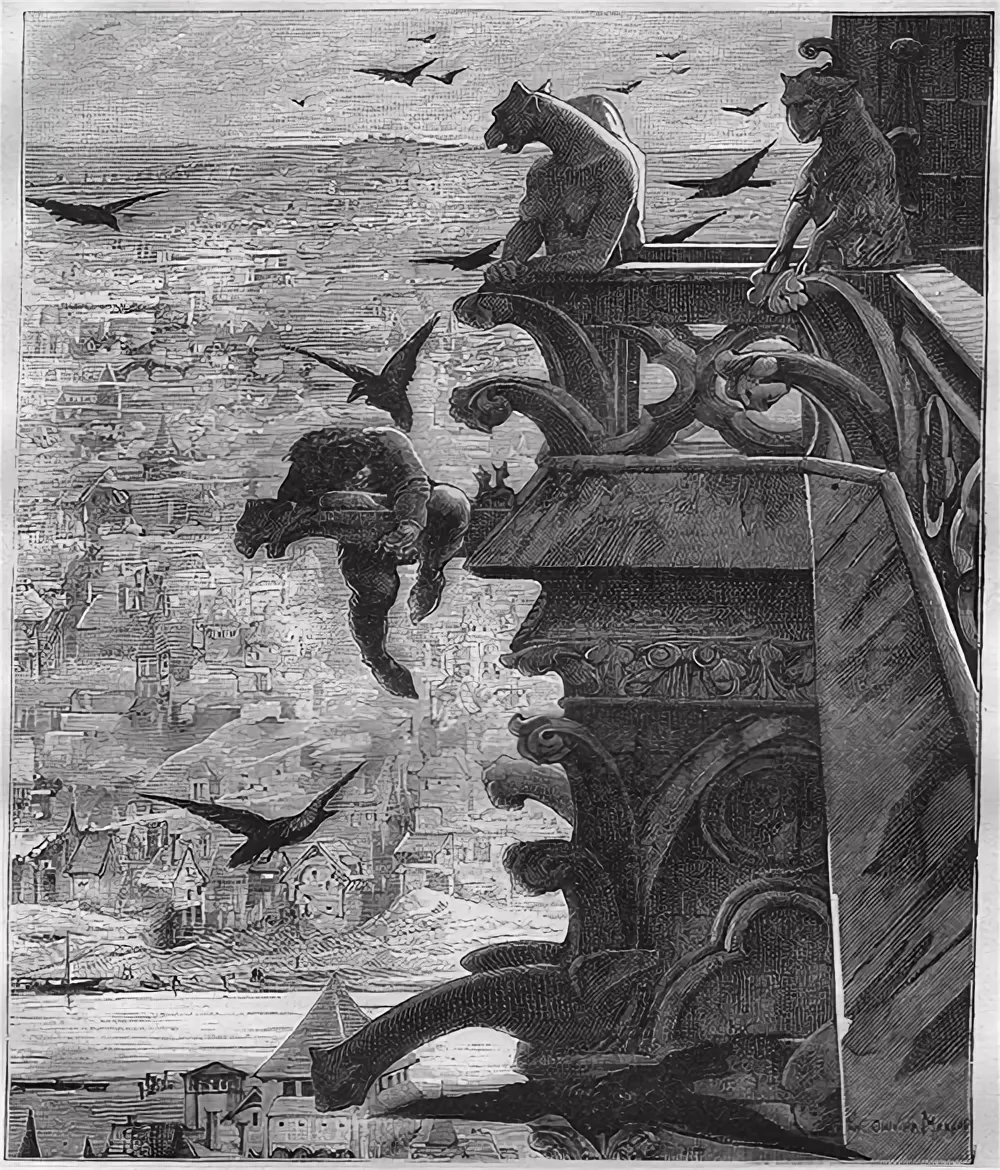
The Hunchback of Notre Dame
Victor Hugo · 1831
 Book
Primary source
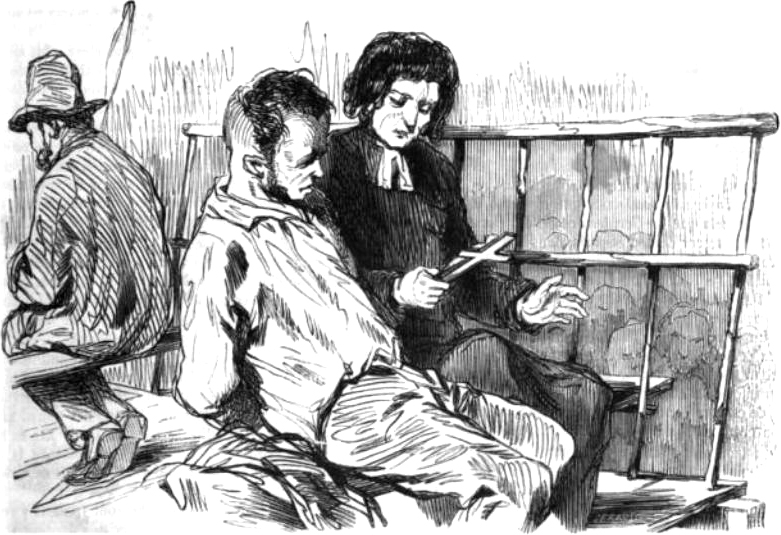
The Last Day of a Condemned Man
Victor Hugo · 1829
 Book
Primary source
Les Contemplations
Victor Hugo · 1856
Free account
Read every Victor Hugo source
Sign up free →
Ready when you are
Start chatting with Victor Hugo now.
20 messages free · No credit card · Available in 50+ languages.