


Primary sourceDocument22 January 1852
The Pagan School
Charles Baudelaire · 22 January 1852
An 1852 essay in which Baudelaire criticizes the revival of pagan aesthetics and calls for art engaged with science and philosophy.
This polemical essay documents Baudelaire's critical stance on art and aesthetics after the Revolution of 1848.
Free Humy account · No credit card · 120,912 sources to read
About this source
What it is
"The Pagan School" (L'École païenne) is an essay by Charles Baudelaire, first published on 22 January 1852 in the magazine La Semaine théâtrale. It opens with an anecdote about a young man toasting the god Pan at a revolutionary banquet.
Why it matters
The essay critiques the neopaganism that followed the French Revolution of 1848 and more broadly attacks the pursuit of material beauty for its own sake, arguing it leaves people unsatisfied and unable to form real relationships. It has been linked to debates about art for art's sake and shows Baudelaire's critical stance as a writer engaging with the politics and aesthetics of his time, including figures like Gérard de Nerval, Théophile Gautier and Heinrich Heine.
Look closer
- Why does Baudelaire use an anecdote about a toast to Pan to begin a serious argument?
- What does Baudelaire think is dangerous about valuing beauty above everything else?
- How might this essay reflect Baudelaire's views after the political upheaval of 1848?
This document is part of the curated material that grounds the AI version of Charles Baudelaire on Humy.ai — when students ask about related events, the AI can quote it and cite it.
More Charles Baudelaire sources
Browse all 97 →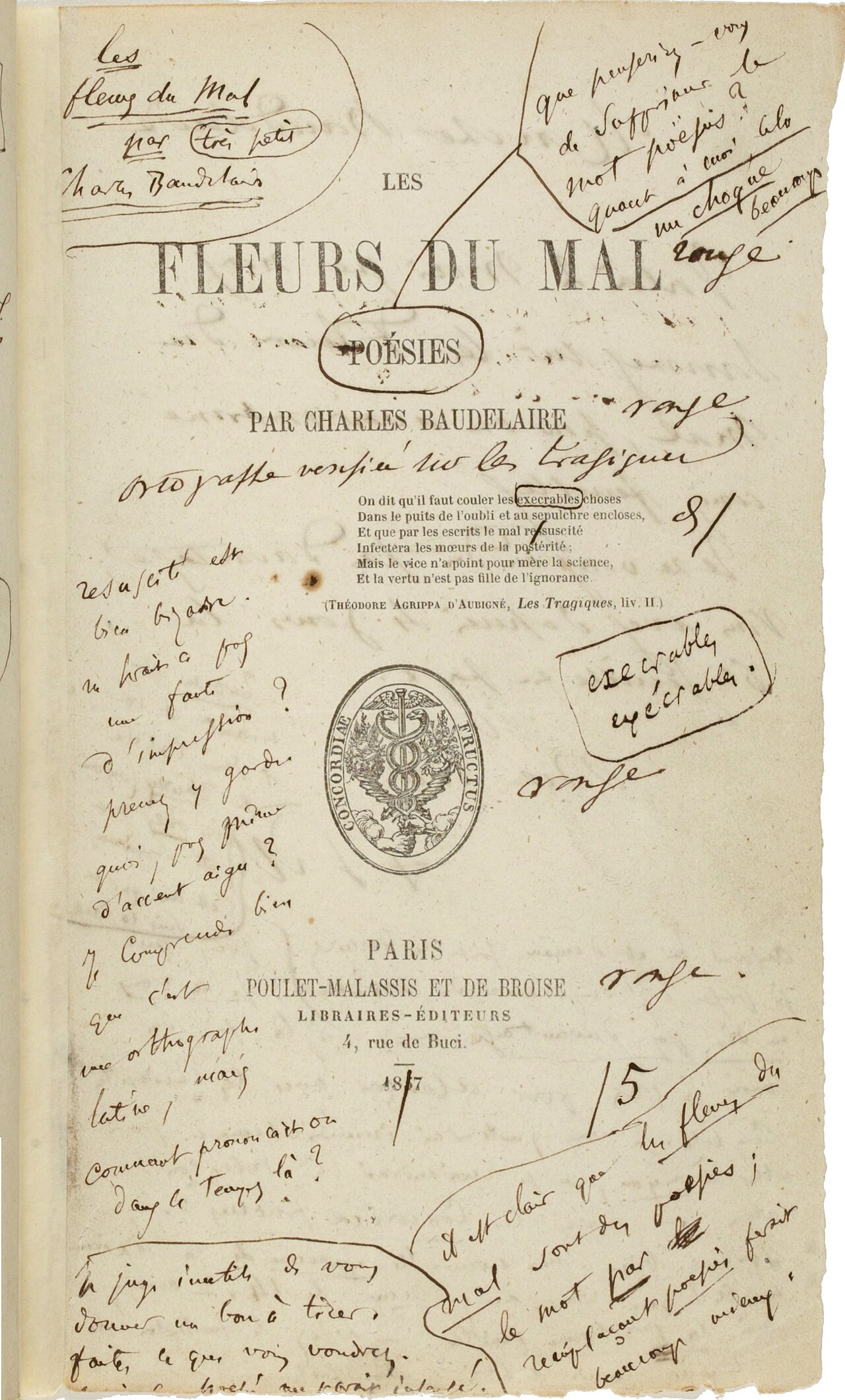 Book
Primary source
Les Fleurs du mal
Charles Baudelaire · 1857 (proof); written 1840–1867
Primary source
Le Peintre de la vie moderne
Charles Baudelaire · 1863 (written c. 1859–1860)
 Book
Primary source
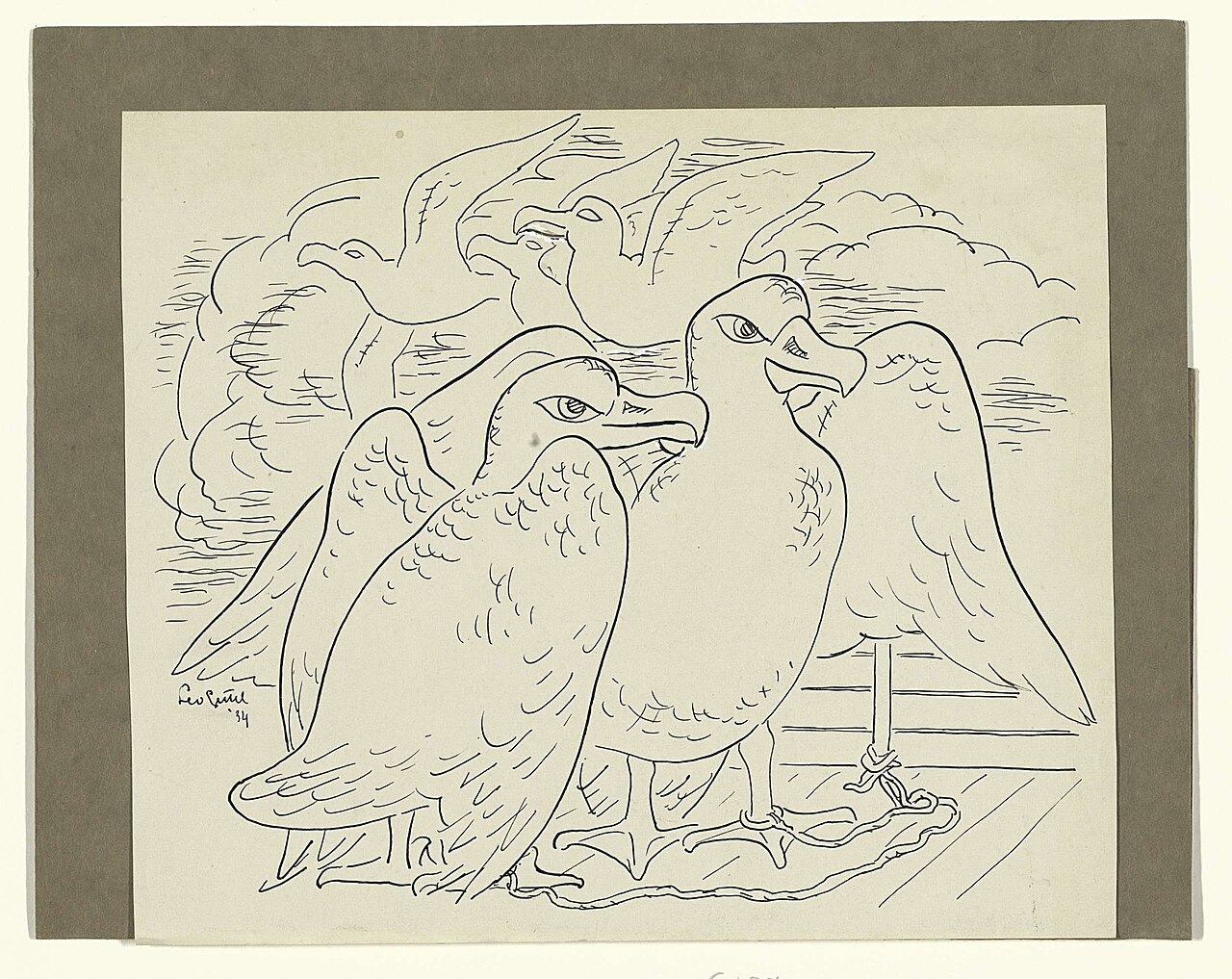
The Albatross
Charles Baudelaire · 1842–1859
Primary source
Correspondences
Charles Baudelaire · 19th century
Free account
Read every Charles Baudelaire source
Sign up free →
Ready when you are
Start chatting with Charles Baudelaire now.
20 messages free · No credit card · Available in 50+ languages.