


Secondary sourceBook1920 (translation of ancient Greek text)
The Persian Wars, Book II
Herodotus · 1920 (translation of ancient Greek text)
Herodotus's ancient history that records Aesop as a slave and describes his death at Delphi.
This ancient history records Aesop's enslavement and death, making it a key early source about his life.
Free Humy account · No credit card · 120,288 sources to read
About this source
What it is
This is Book II of Herodotus's The Persian Wars, in the Godley translation, published in 1920. Herodotus was an ancient Greek historian whose work includes a passage mentioning Aesop's status as a slave and the punishment for his killing.
Why it matters
Herodotus wrote closer to Aesop's own era than most later sources, so his brief mention is one of the earliest and most important references historians have for reconstructing Aesop's life, including his enslavement and death at Delphi.
Look closer
- Why might a historian writing generations later be considered a valuable source about Aesop?
- What does the mention of a penalty for Aesop's killing suggest about his social position?
- How much can we trust a brief historical mention compared to a full biography?
This book is part of the curated material that grounds the AI version of Aesop on Humy.ai — when students ask about related events, the AI can quote it and cite it.
More Aesop sources
Browse all 85 →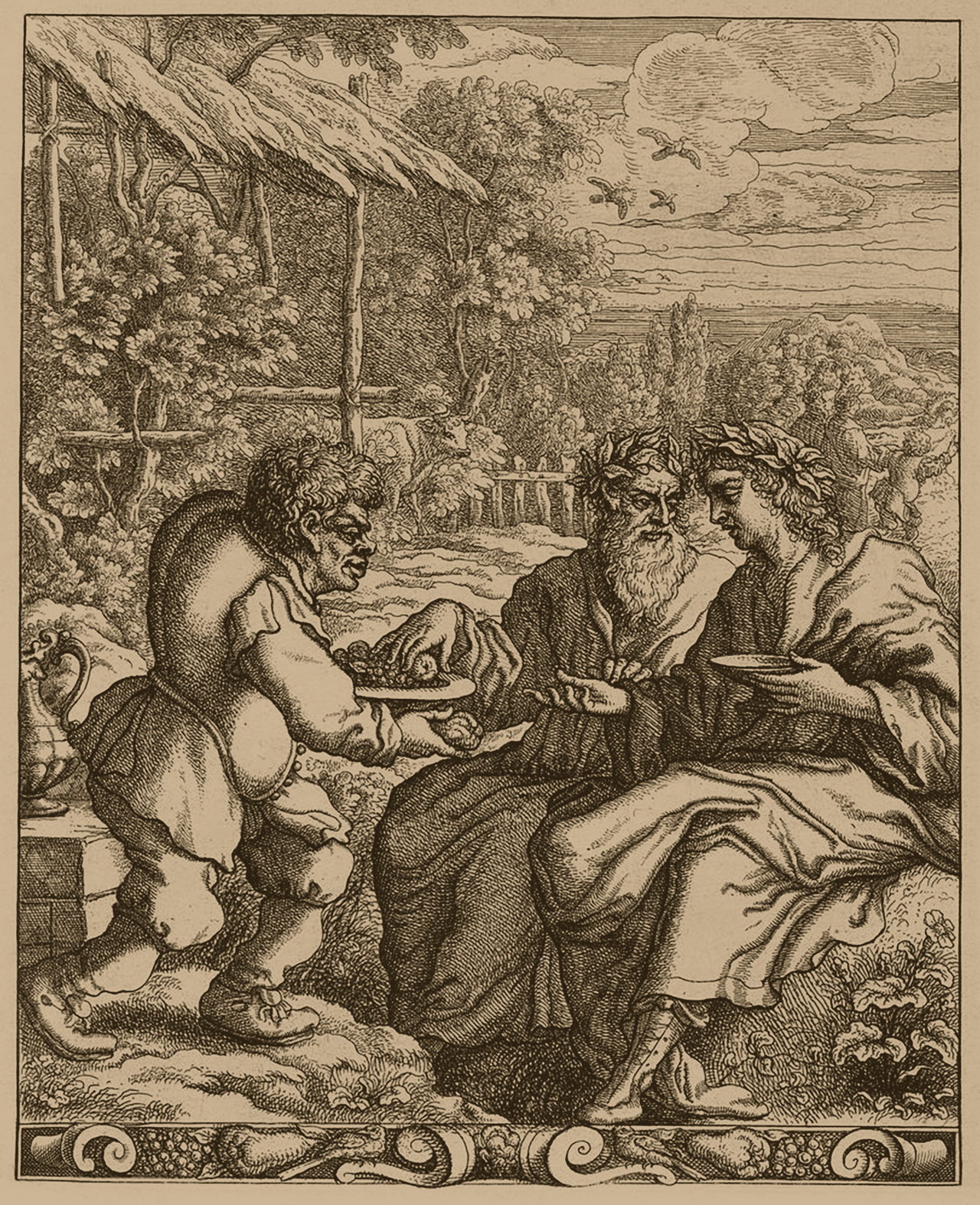 Book
Secondary source
Aesop's Fables
Aesop (attributed) · compiled from the 3rd century BCE onward
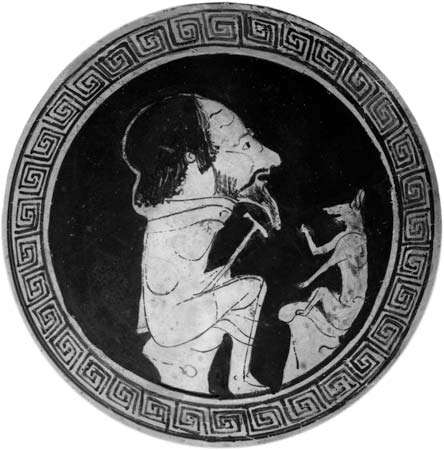 Artifact
Secondary source
Aesop and the Fox (Red-Figure Kylix)
Unknown Greek artist · c. 450 BCE
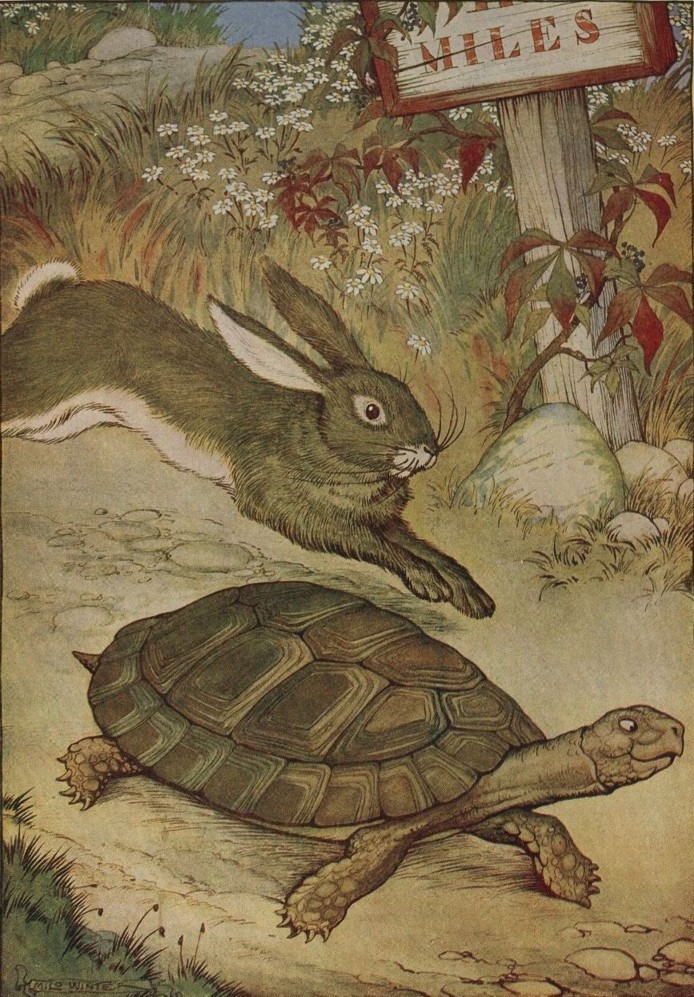 Book
Secondary source
The Tortoise and the Hare
Aesop (attributed) · ancient Greek origin, no early Latin version; printed from 16th century
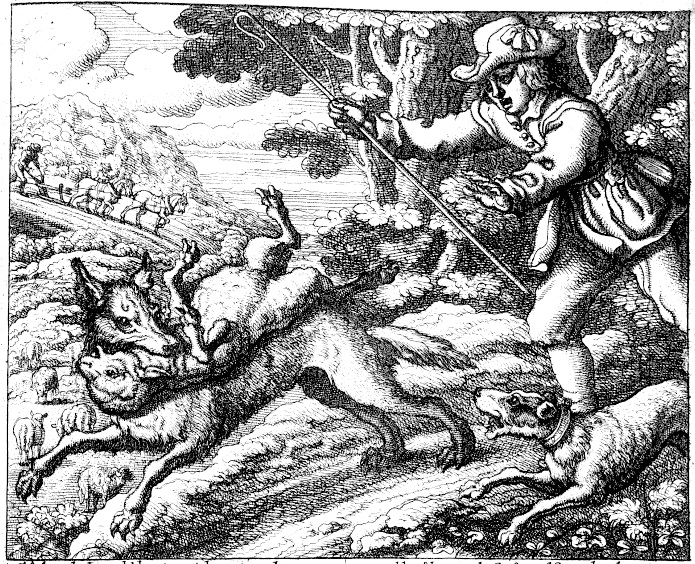 Book
Secondary source
The Boy Who Cried Wolf
Aesop (attributed) · ancient Greek origin; translated into Latin in the 15th century
Free account
Read every Aesop source
Sign up free →
Ready when you are
Start chatting with Aesop now.
20 messages free · No credit card · Available in 50+ languages.