


Secondary sourcePainting1648
The Philosopher Heraclitus
Gerard ter Borch · 1648
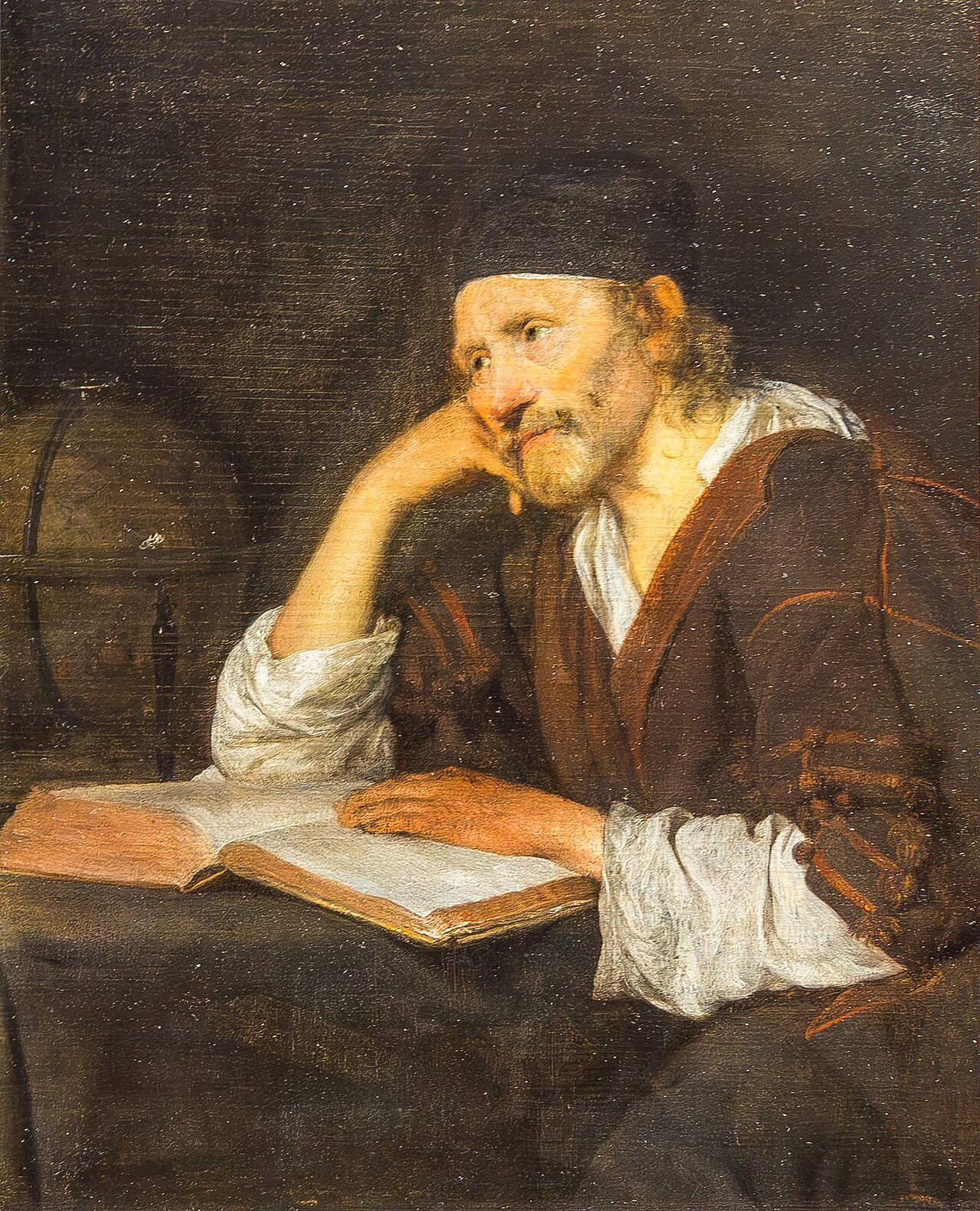
A 1648 Dutch Golden Age oil painting by Gerard ter Borch showing Heraclitus as the melancholy 'weeping philosopher'.
An imagined 17th-century portrait of Heraclitus as the 'weeping philosopher', made long after his death.
About this source
What it is
This is an oil painting made in 1648 by the Dutch artist Gerard ter Borch. It shows a bearded man in dark clothing resting his head on his hand at a table, with an open book and a globe nearby. It is held today in the Wallraf–Richartz Museum.
Why it matters
Heraclitus was often imagined by later artists as the 'weeping philosopher', a figure who mourned the foolishness of the world. This painting reflects how Dutch Golden Age artists like Ter Borch used ancient philosophers as moralising subjects, teaching lessons about human behaviour through invented, imagined portraits rather than real likenesses.
Look closer
- What does the man's pose and expression suggest about his mood?
- Why might the artist include a globe and a book in the scene?
- This image was painted over two thousand years after Heraclitus lived—what does that tell us about how reliable it is as a likeness?
This painting is part of the curated material that grounds the AI version of Heraclitus on Humy.ai — when students ask about related events, the AI can quote it and cite it.
More Heraclitus sources
Browse all 88 →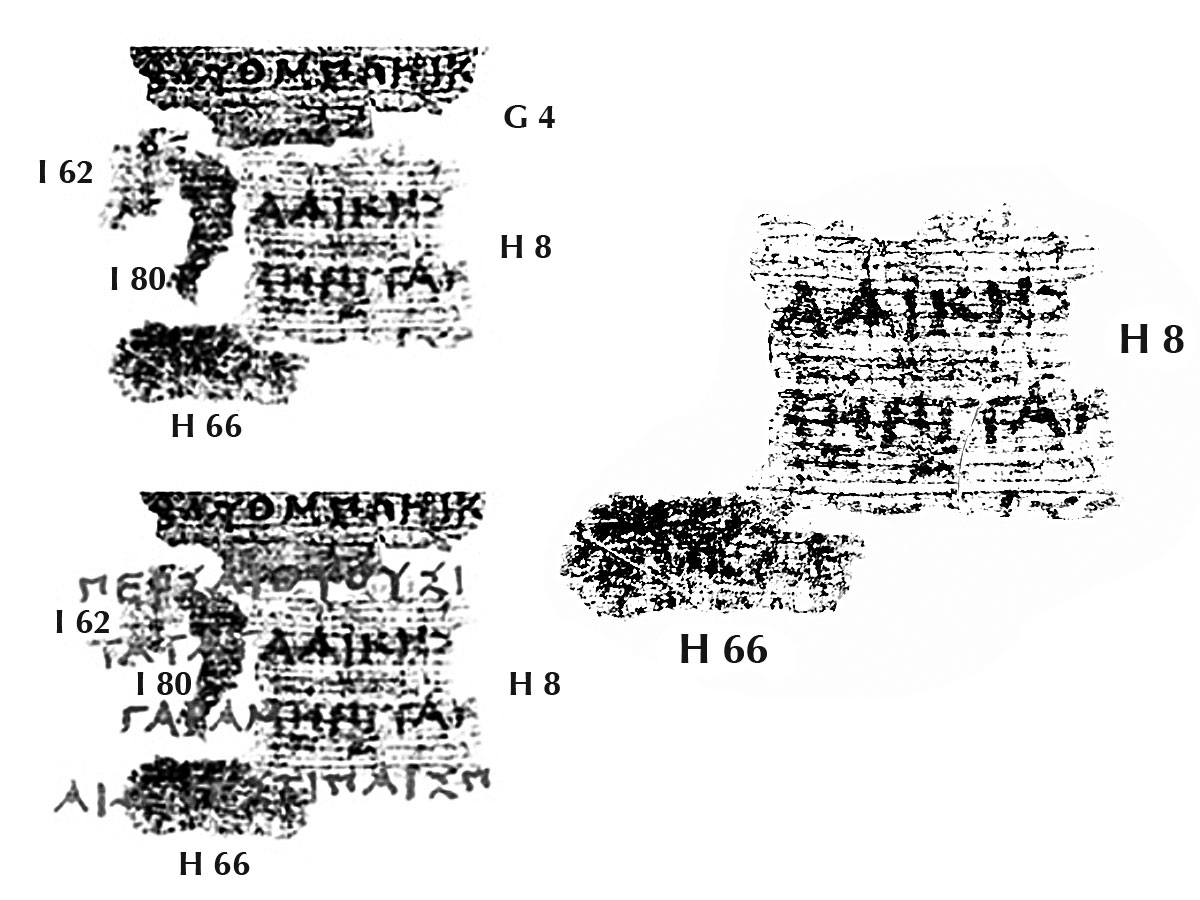 Document
Primary source
Derveni Papyrus, Column IV
Unknown author · 4th century BC
 Book
Secondary source
Lives and Opinions of Eminent Philosophers, Book V (Life of Aristotle)
Diogenes Laërtius · c. 3rd century CE
Primary source
Cratylus
Plato
 Book
Secondary source
Metaphysics
Aristotle · c. 400 BCE
Free account
Read every Heraclitus source
Sign up free →
Ready when you are
Start chatting with Heraclitus now.
20 messages free · No credit card · Available in 50+ languages.