


Secondary sourceBook
The Philosophers
Arthur Waley
A translated Tang-dynasty poem by Bai Juyi that gently teases Laozi for writing five thousand words while preaching silence.
The poem is about Laozi, mocking the contradiction between his words and his teaching on silence.
About this source
What it is
This is Arthur Waley's English translation of a poem by the Tang poet Bai Juyi. The poem pokes fun at Laozi's famous saying that those who speak do not know, pointing out that Laozi himself wrote a long book.
Why it matters
The poem shows that centuries after Laozi supposedly lived, Chinese poets like Bai Juyi were still debating his ideas and finding humor in their paradoxes. It reveals how Laozi's teachings became part of an ongoing cultural conversation, not fixed, dead words.
Look closer
- Why might a poet use humor to question a famous philosopher's claims?
- What does the joke about writing five thousand words suggest about the limits of Laozi's own saying?
- How does translation change the tone of an old poem for new readers?
This book is part of the curated material that grounds the AI version of Laozi on Humy.ai — when students ask about related events, the AI can quote it and cite it.
More Laozi sources
Meet the AI Laozi →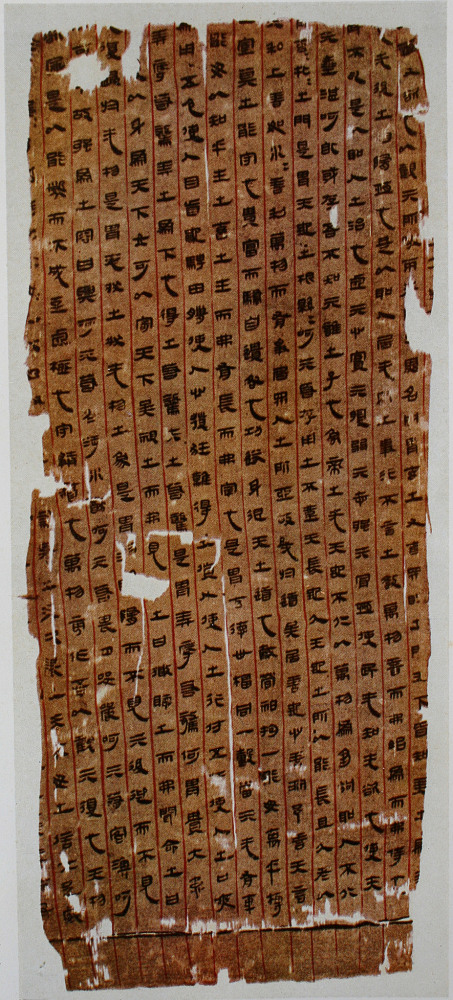 Book
Secondary source
Tao Te Ching
Laozi · c. 4th-3rd century BCE
 Artifact
Primary source
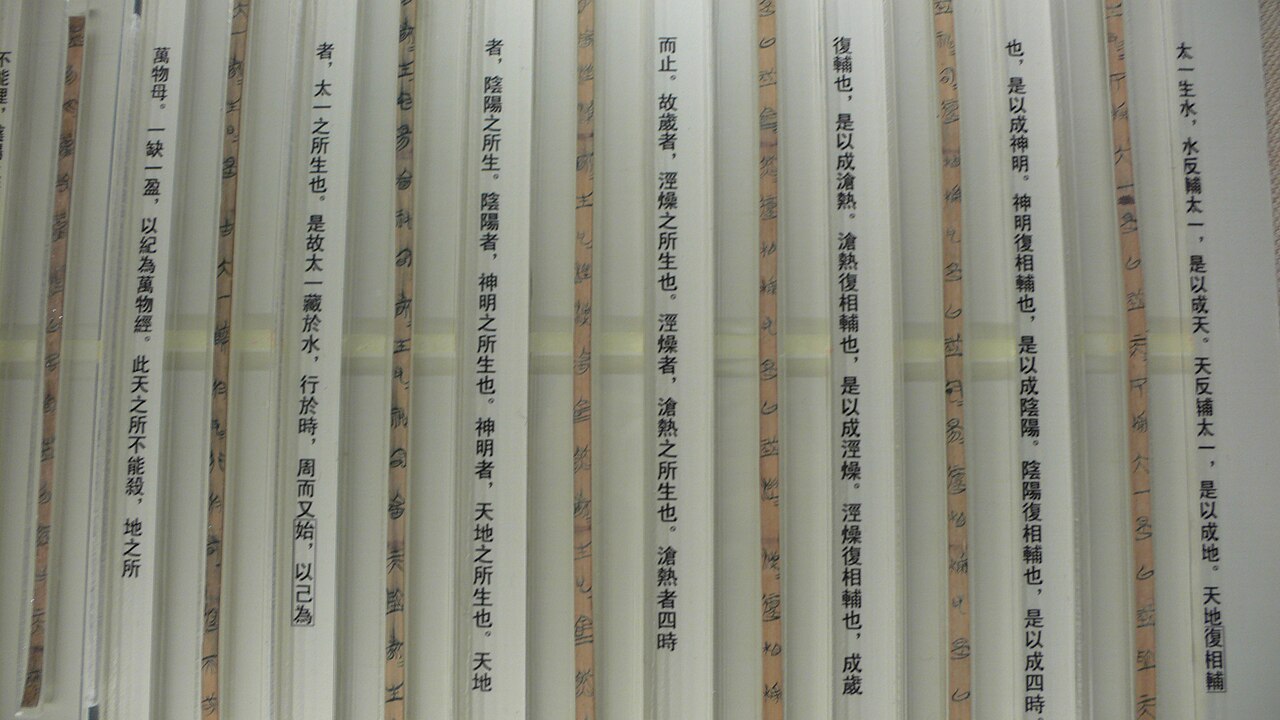
Bamboo Texts of Guodian
c. 300 BCE
 Book
Primary source
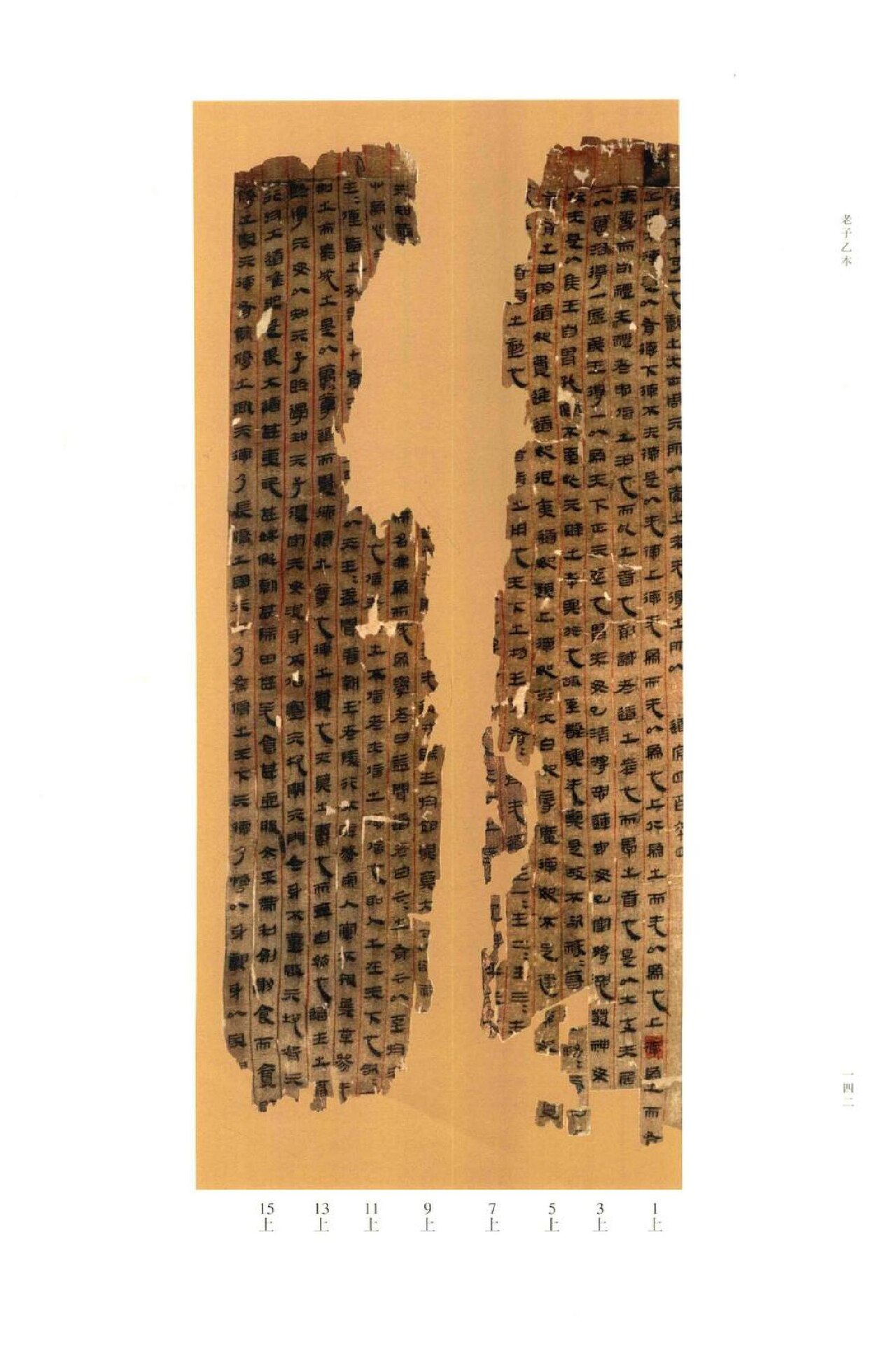
Mawangdui Silk Texts of the Laozi
Anonymous Han scribes · c. 200-168 BCE
 Book
Secondary source
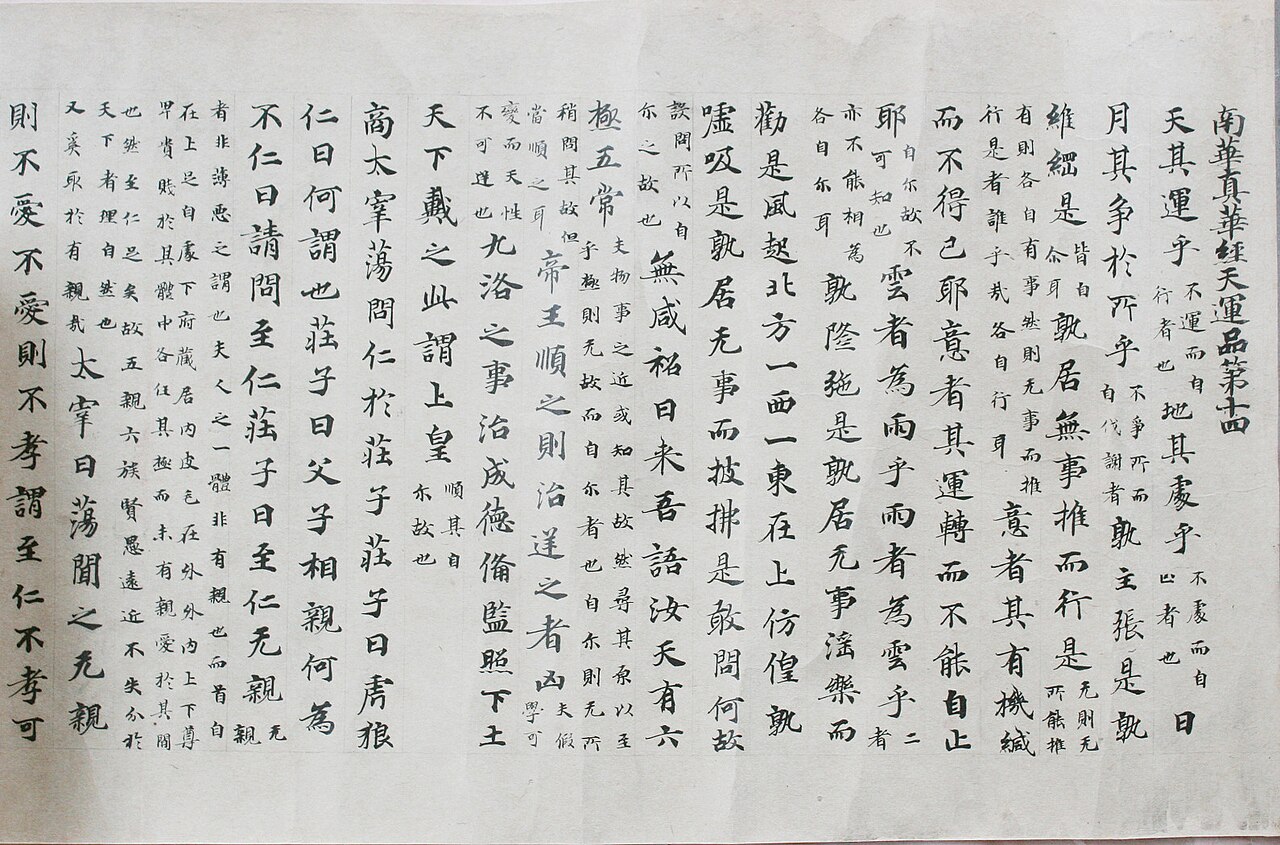
Zhuangzi
Zhuang Zhou · c. 300 BCE
 Painting
Secondary source
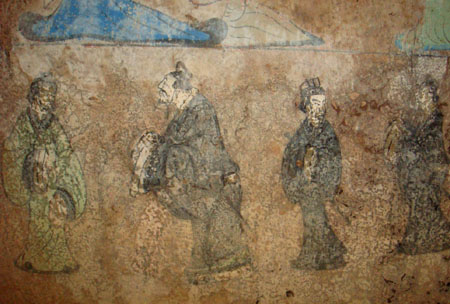
Confucius and Laozi fresco, Dongping tomb
Anonymous Chinese painter of the Western Han period · Western Han period, c. 2000 years old
Ready when you are
Start chatting with Laozi now.
20 messages free · No credit card · Available in 50+ languages.