


Secondary sourcePainting
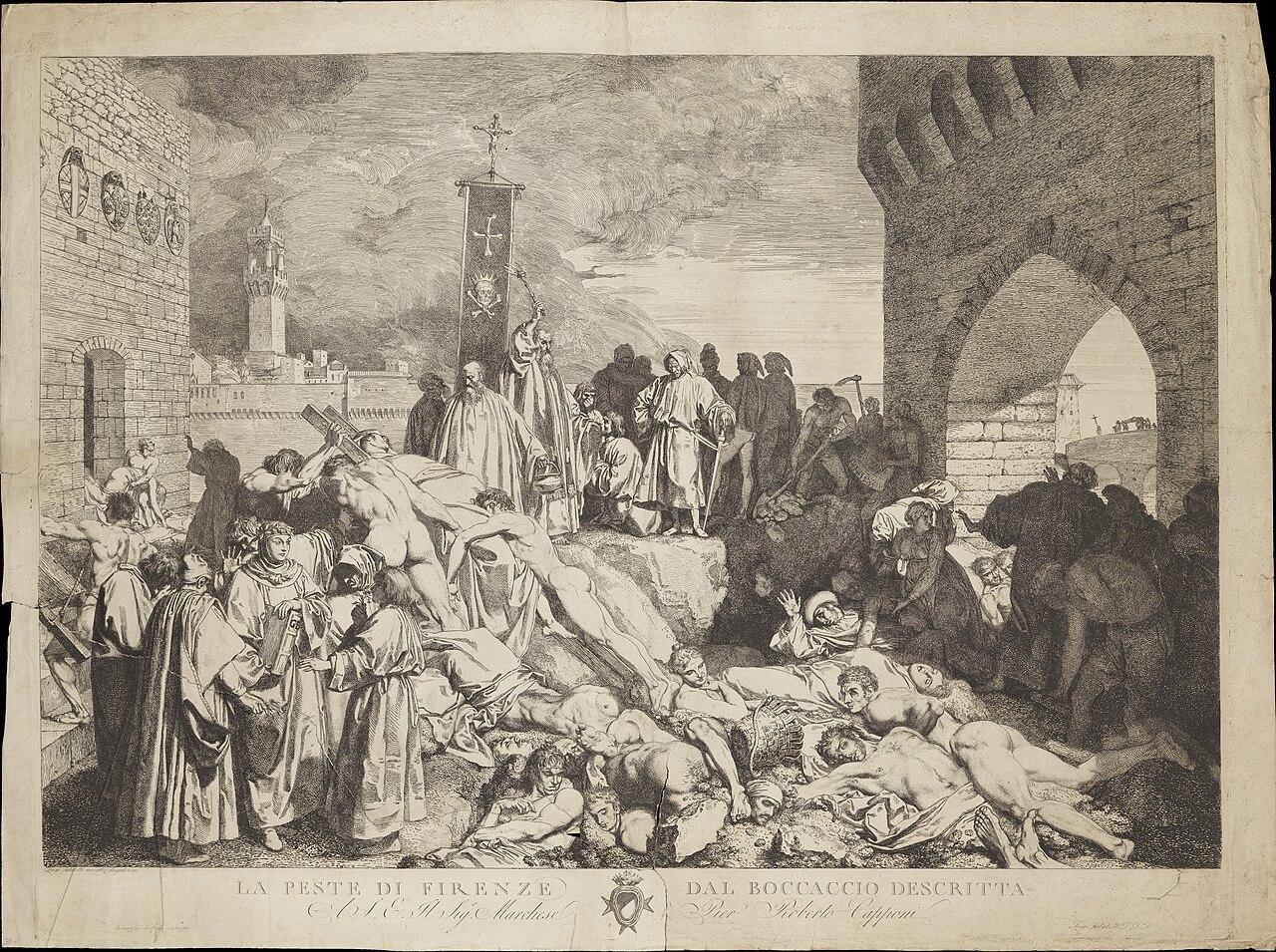
The Plague of Florence in 1348 (Sabatelli Etching)
Luigi Sabatelli
Another impression of Luigi Sabatelli's etching illustrating the Black Death's toll on Florence as described by Boccaccio.
This etching depicts the devastation of the Black Death in Florence as recorded by Boccaccio.
About this source
What it is
This etching by Luigi Sabatelli illustrates the plague described by Giovanni Boccaccio in his Decameron. It depicts dead and dying victims in the foreground, monks and friars, a city gate, and gravediggers, with a tower of Florence visible in the distance.
Why it matters
Though created long after the Black Death struck Florence in 1348, this etching reflects how Boccaccio's vivid written testimony continued to shape visual memory of the pandemic for centuries. It shows the lasting cultural impact of the plague on art and literature.
Look closer
- How does the artist use composition—figures in the foreground versus background—to tell the story of the plague?
- Why do you think this scene, based on Boccaccio's writing, was chosen as subject matter for an artist centuries later?
- What emotions does the image seem designed to evoke, and how?
This painting is part of the curated material that grounds the AI version of The Black Death on Humy.ai — when students ask about related events, the AI can quote it and cite it.
More The Black Death sources
Meet the AI The Black Death →Secondary source
The Decameron
Giovanni Boccaccio · 1351
Primary source
Statute of Labourers 1351
1351
 Painting
Primary source
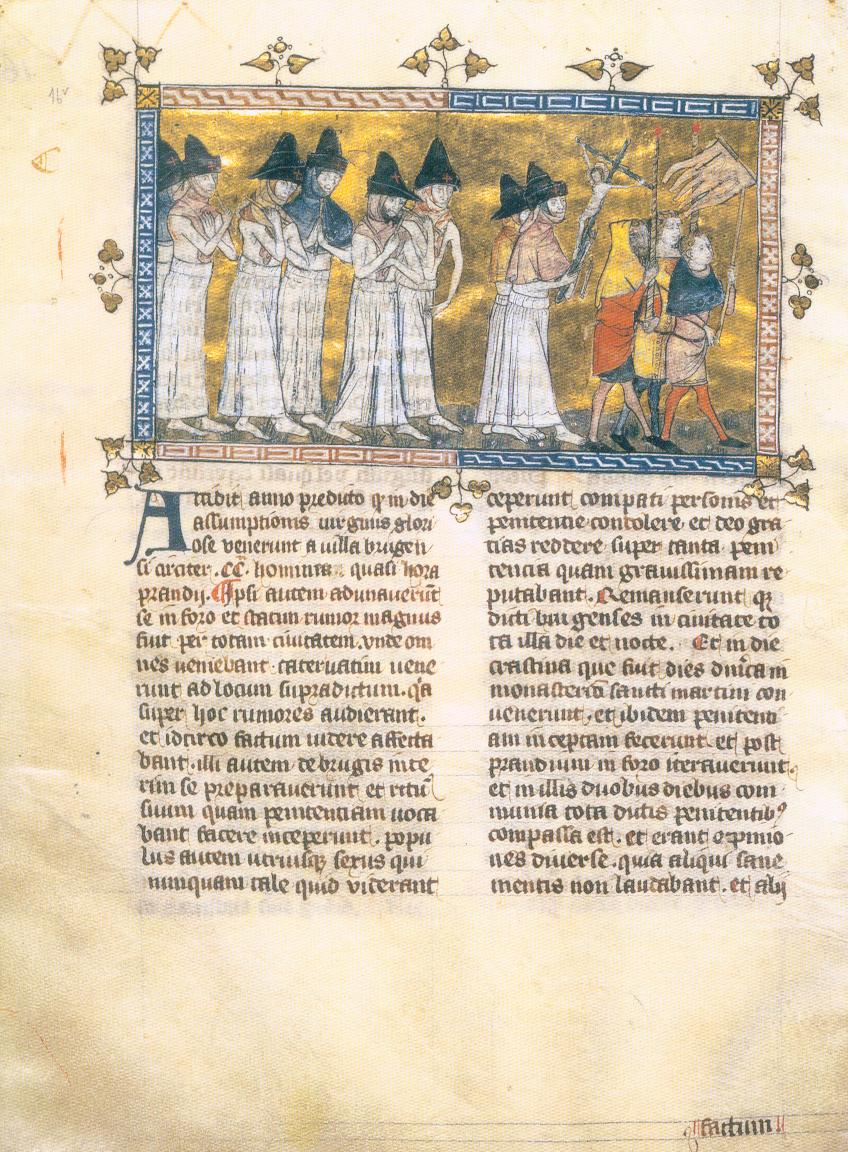
Depiction of the Flagellant Processions
Pierart dou Tielt · c. 1350
 Painting
Primary source
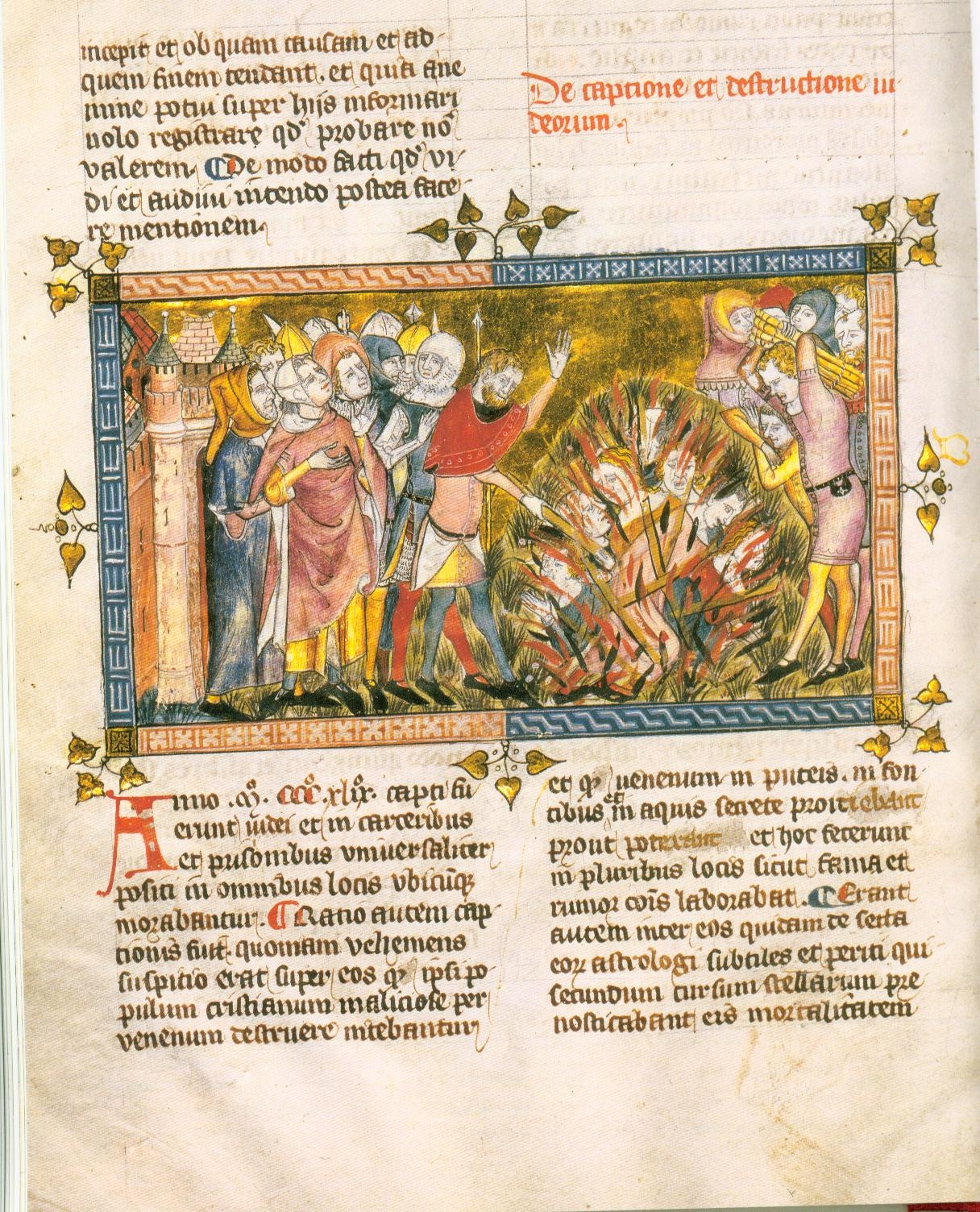
Execution of Jews
c. 1350
 Book
Primary source
The Annals of Ireland by Friar John Clyn
John Clyn · 1348-1349
Ready when you are
Start chatting with The Black Death now.
20 messages free · No credit card · Available in 50+ languages.