


Primary sourcePaintingc. 1300
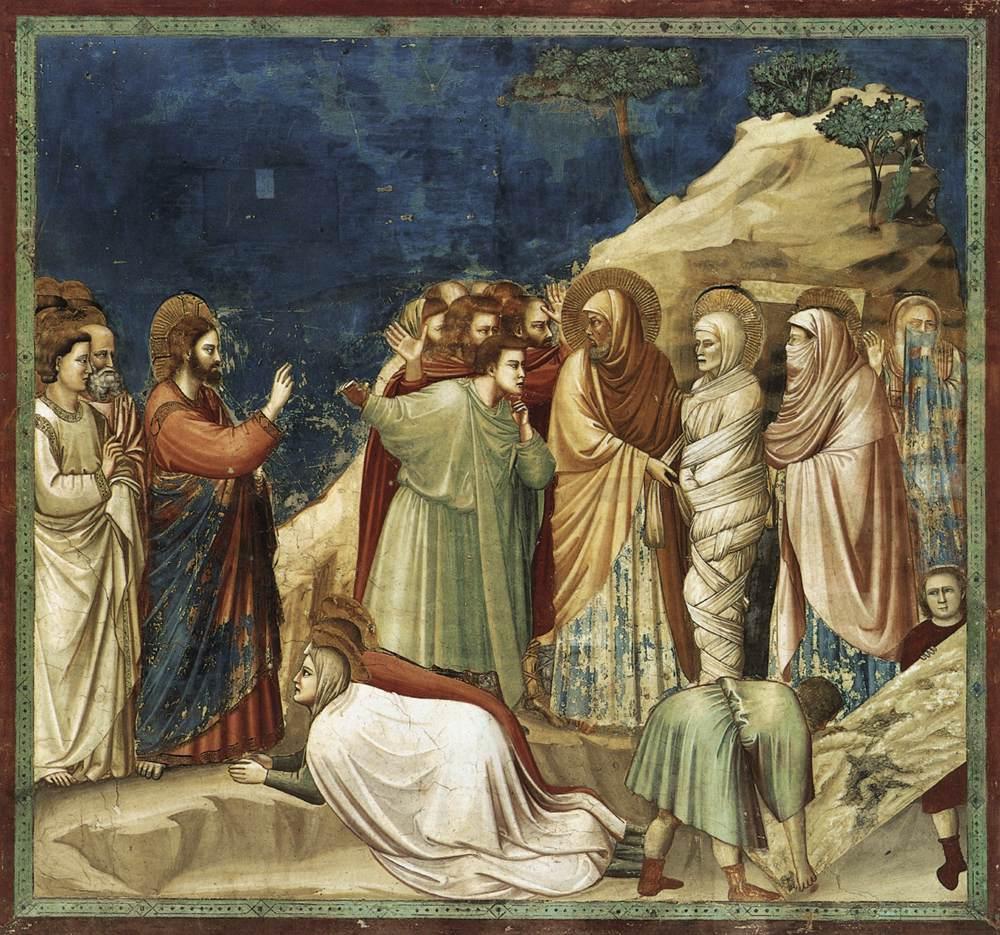
The Raising of Lazarus
Giotto · c. 1300
A fresco by Giotto in the Scrovegni Chapel showing Christ raising Lazarus from the dead, admired for the varied reactions of the crowd watching.
One of Giotto's Scrovegni Chapel frescoes, showing his skill in composing crowds and gestures.
About this source
What it is
This fresco, painted by Giotto around 1300, is part of the cycle decorating the Scrovegni Chapel. It shows Christ, haloed, raising his hand toward Lazarus, shown wrapped like a mummy, while onlookers react with astonishment.
Why it matters
The painting is valued for how Giotto arranges the crowd of witnesses, each showing a different emotion through gesture and posture. This kind of realistic human reaction was new for its time and shows Giotto moving away from stiffer, more formal earlier styles toward a more lifelike way of telling religious stories.
Look closer
- How does Giotto use the positions and gestures of the onlookers to show different emotions?
- Why might the painter have chosen to focus on reactions rather than just the miracle itself?
- What does the setting (sky, rocks) add to the scene?
This painting is part of the curated material that grounds the AI version of Giotto on Humy.ai — when students ask about related events, the AI can quote it and cite it.
More Giotto sources
Meet the AI Giotto →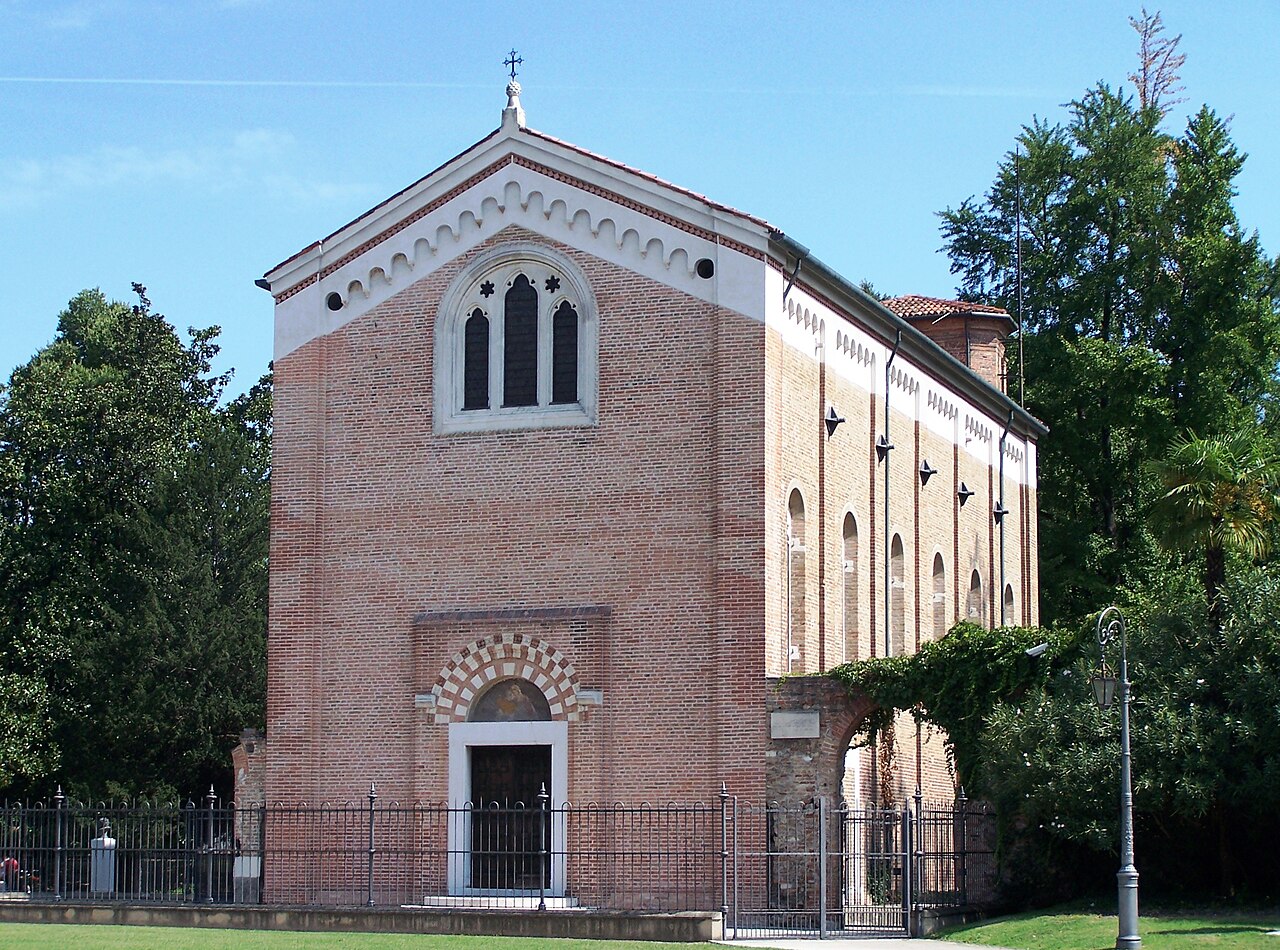 Artifact
Primary source
Scrovegni Chapel
Giotto di Bondone · c. 1305
 Painting
Primary source
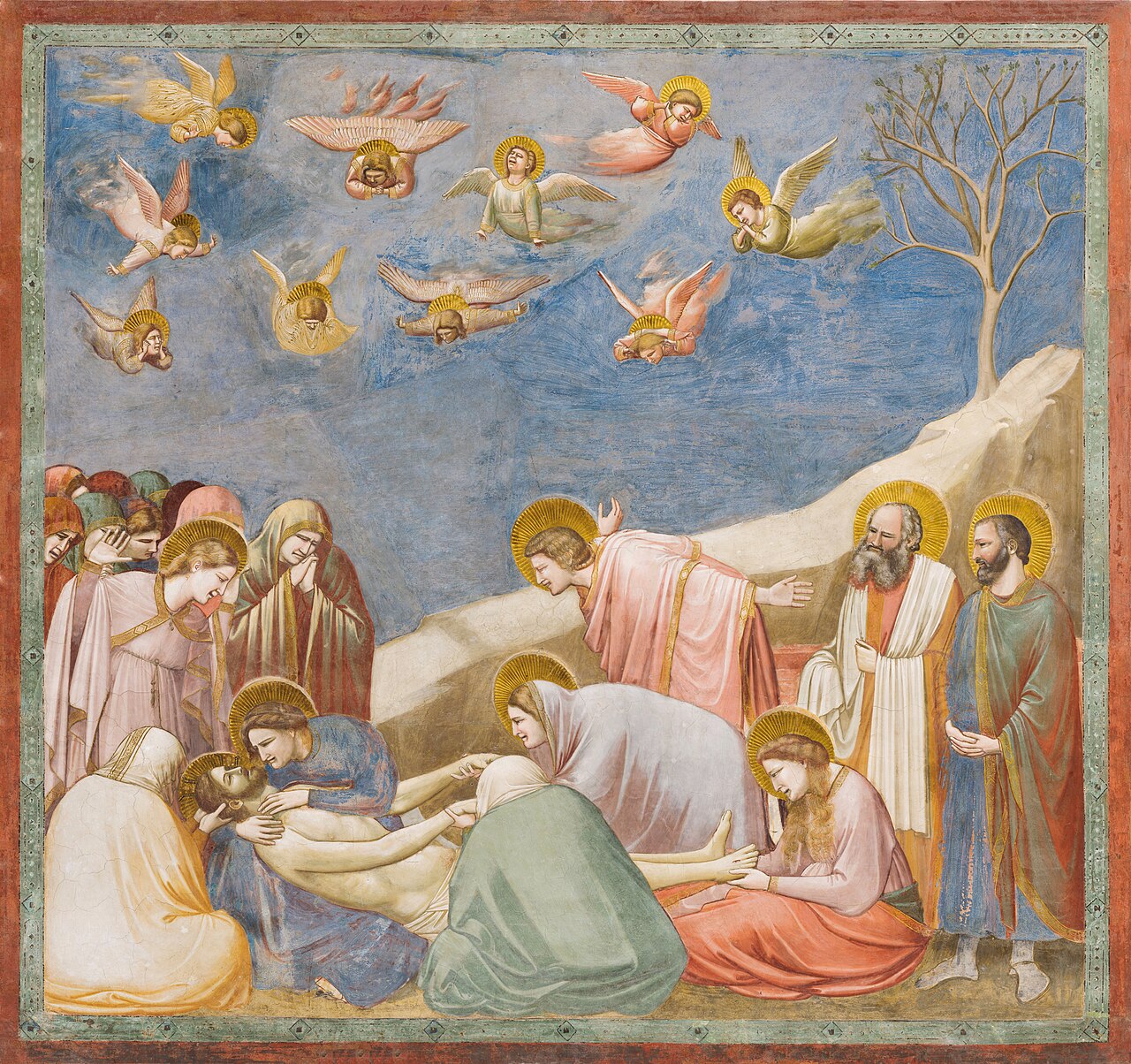
Lamentation
Giotto di Bondone · c. 1305
 Painting
Primary source
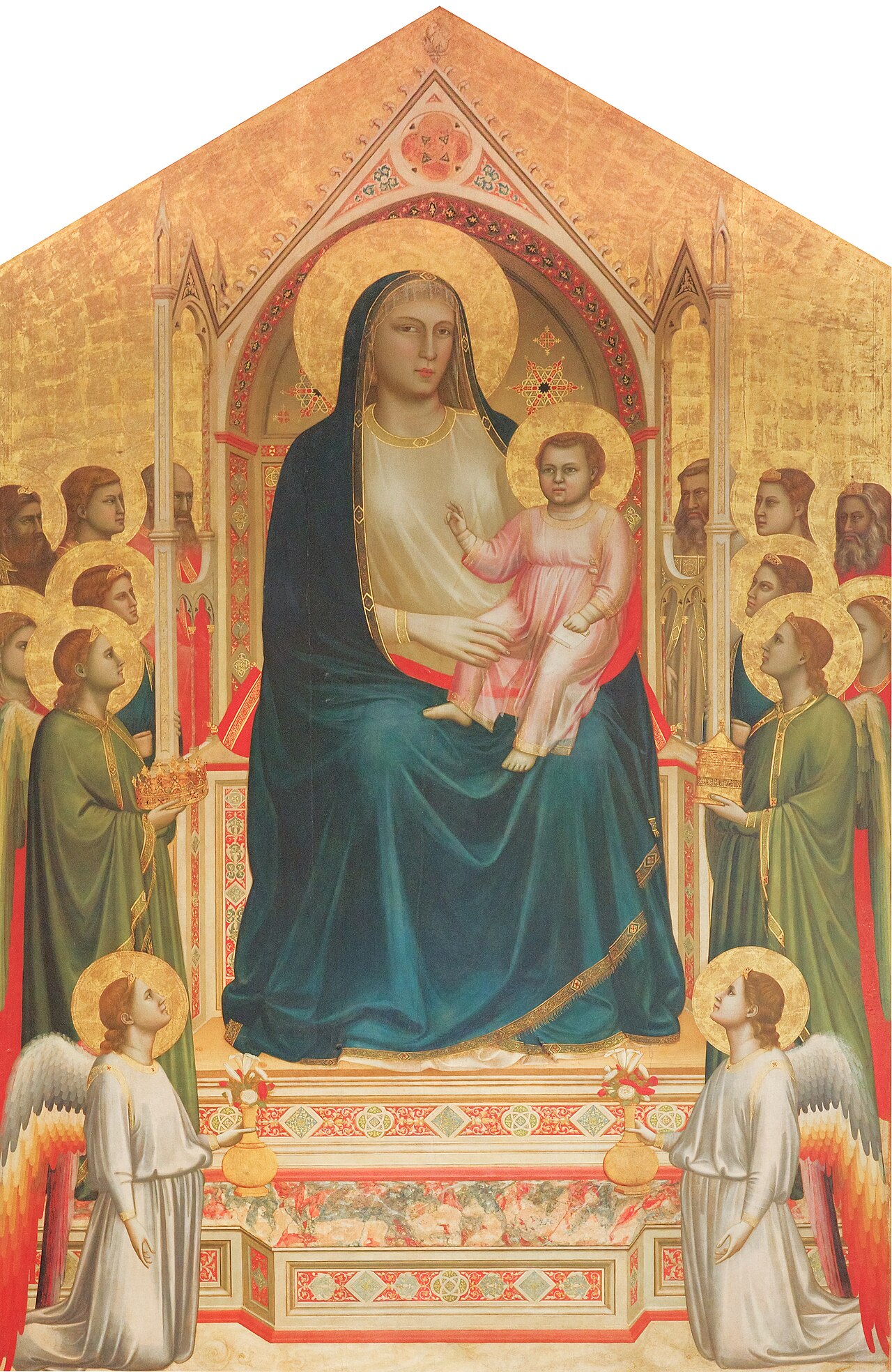
Madonna Enthroned
Giotto di Bondone · c. 1300-1310
 Artifact
Primary source
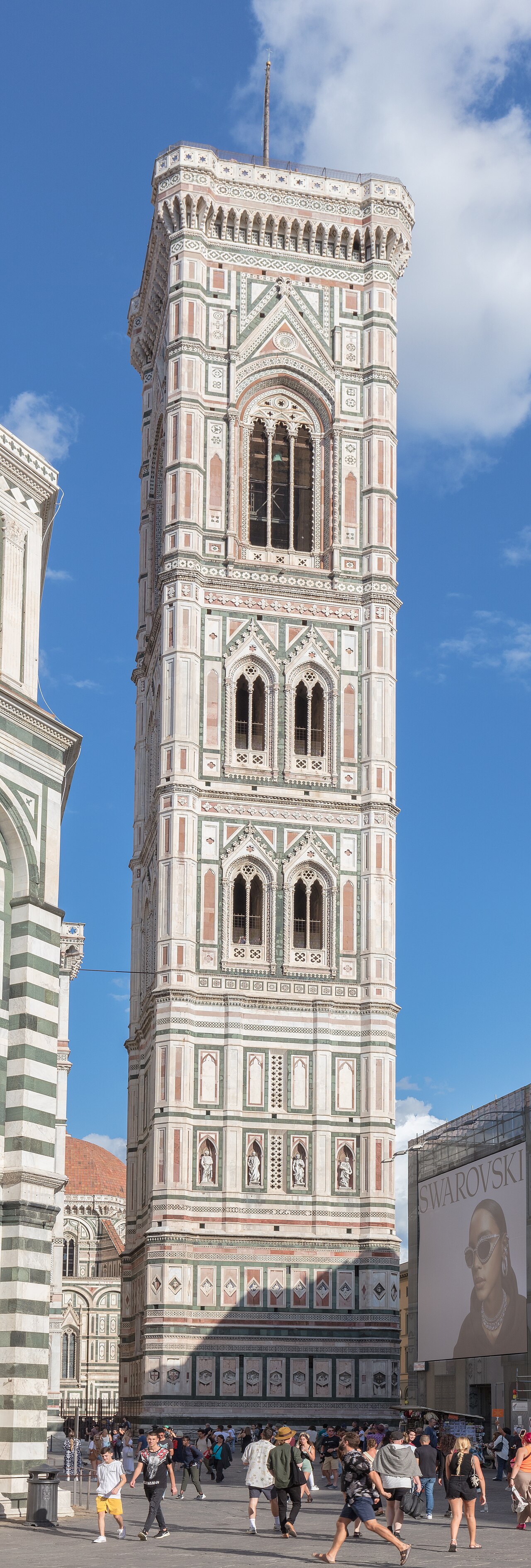
Giotto's Campanile
Giotto di Bondone · designed 1334
 Painting
Primary source
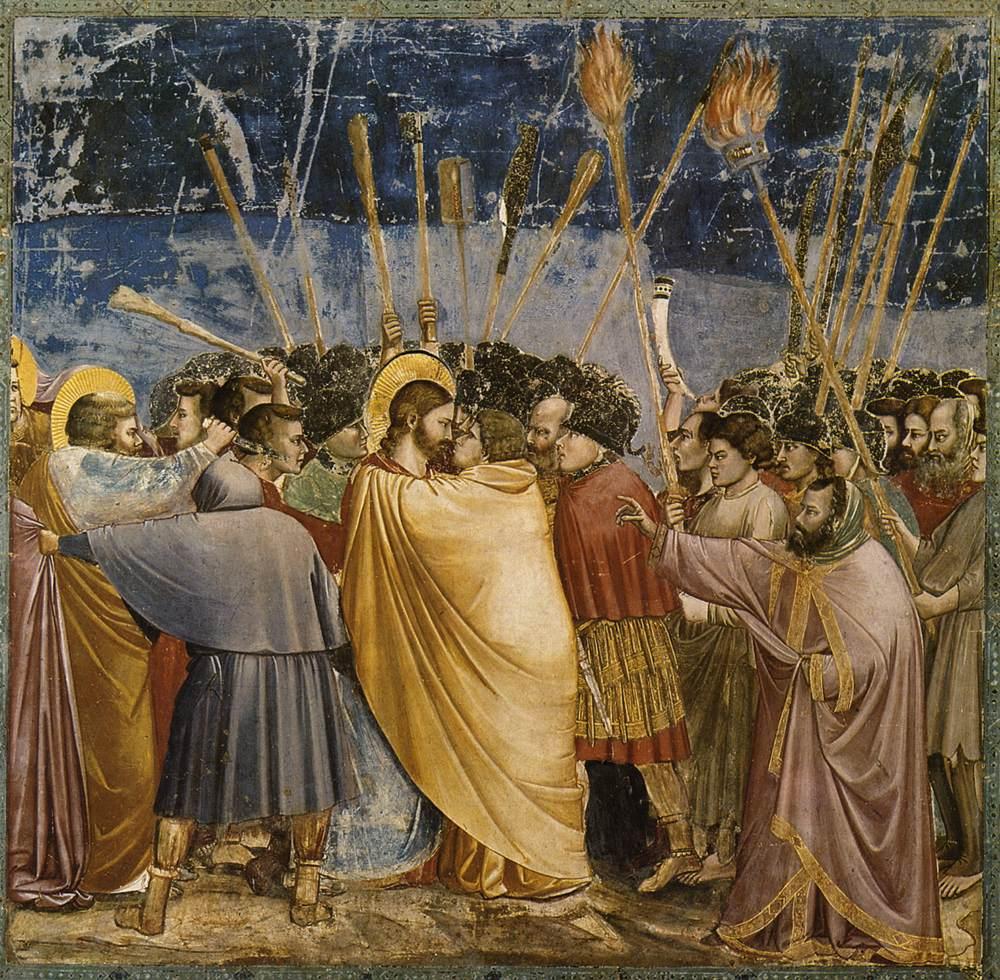
Kiss of Judas
Giotto di Bondone · c. 1305
Ready when you are
Start chatting with Giotto now.
20 messages free · No credit card · Available in 50+ languages.